

New energy vehicles vs electric vehicles
New energy vehicles include electric, hybrid, and fuel cell cars, while electric vehicles use only electricity. Compare features, benefits, and differences.

How to Start Your Career as a PCB Designer in 2025
Start your PCB designer job in 2025 with essential skills, top tools, and career tips. Learn how to build a portfolio and land your first PCB design role.
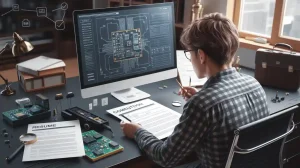
How to find a job in electronic design
Build key skills, create a strong portfolio, and use top job boards to find a job in electronic design and advance your engineering career.

Current situation and future development of electronic design work in the PCB design workplace
The PCB design workplace is evolving with AI, miniaturization, and sustainability, requiring new skills and shaping the future of electronic design work.
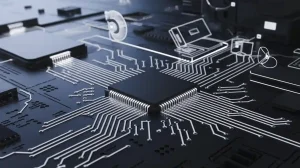
What Is a High-Frequency PCB and the Comom Application
A high-frequency PCB operates above 100 MHz, using special materials for reliable signals in applications like 5G, radar, and medical equipment.

AI impact on electronic design work
AI impact on electronic design work includes faster workflows, fewer errors, and improved productivity, helping engineers deliver higher quality results.

How to Optimize Your Electronic Designer Resume
Optimize resume for electronic designer roles by using targeted keywords, clear structure, and quantifiable achievements to boost interview chances.
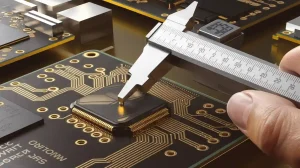
How to Choose the Right Thickness for Gold Plating on PCBs
Choose the right thick gold PCB plating by matching thickness to durability, wear, and cost needs. Find out when thicker gold is essential for your design.

Exploring the Features and Leading Products Using Thick Gold PCBs
Best applications of thick gold PCBs include automotive, medical, and telecom products, offering high durability, corrosion resistance, and reliable performance.
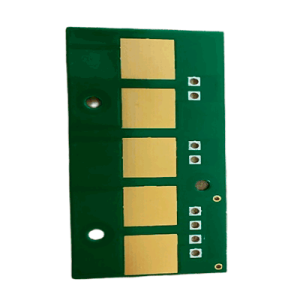
RCONT | Thick Gold PCB
PCB Size Unit Size 32*68 mm Panel Size 66*78/2*1 Substrate material FR4 Board Thickness 1.6mm Copper Thickness Layers 2 L Solder Mask Green Surface Finishing Lead-free tin-spraying + partial gold plating area 28% gold thickness 1um = 40u” nickel thickness 4-6um = 160-240u”,
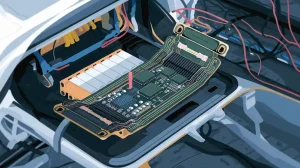
Flexible PCBs in Electric Vehicles What Makes Them Indispensable
Flexible PCB technology enables lighter, safer electric vehicles by improving reliability, saving space, and supporting advanced automotive electronics.
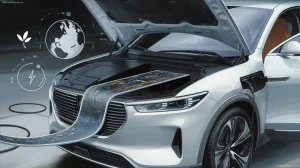
How Flexible PCBs Make Electric Vehicles More Sustainable
Flexible PCB technology reduces EV weight, boosts energy efficiency, and enhances reliability, making electric vehicles more sustainable and eco-friendly.
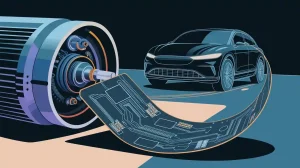
How Flexible PCBs Integrate with EV Motor Control Units
Flexible PCBs enable compact, reliable EV motor control units by handling heat, vibration, and tight spaces, improving performance and durability in electric vehicles.
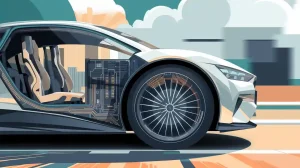
How Flexible PCBs Support Lightweight Design in EVs
Flexible PCBs reduce EV weight by replacing bulky wiring, enabling compact layouts, and improving energy efficiency for advanced electric vehicles.
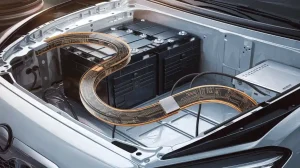
How Flexible PCBs Simplify Wiring in Modern Electric Vehicles
Flexible PCBs streamline electric vehicle wiring by reducing weight, saving space, and boosting reliability, leading to improved energy efficiency and safety.

How Flexible PCBs Enable Smarter Battery Management in Electric Cars
Flexible PCB technology boosts electric vehicle battery management by improving reliability, saving space, and enhancing energy efficiency in harsh conditions.
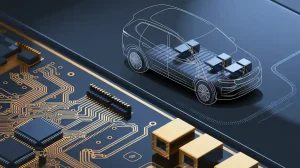
Unveiling the Role of Thick Gold PCBs in Modern EV Systems
Thick gold PCB technology boosts EV reliability, conductivity, and corrosion resistance, ensuring safe, long-lasting performance in demanding automotive systems.

High-Tg PCB Solutions for Thermal Challenges in Electric Vehicle Electronics
High-tg PCB solutions enhance electric vehicle reliability by withstanding high temperatures, preventing board failure, and supporting safe, long-lasting EV electronics.

Heavy Copper PCB Applications Transforming Electric Vehicle Performance
Heavy Copper PCB boosts electric vehicle performance with superior current handling, heat dissipation, and reliability for demanding automotive systems.

How High Frequency PCB Technology Powers Modern Electric Vehicles
High frequency PCB technology boosts electric vehicle safety, efficiency, and fast data transfer for battery management, motor control, and charging systems.