You see sensor technology changing your life and work every day. In 2025, new trends will make sensors smarter. Sensors will also be more helpful. AI helps sensors find problems before they happen. MEMS lets sensors fit into small spaces. These spaces include wearables and smart devices. Biotechnology makes sensors that track your health right away. Look at these numbers to see why this growth matters:
Metric | Value |
|---|---|
Projected global sensor market | US$253B by 2035 |
Expected CAGR | 6% |
Key applications | IoT, wearables, edge sensing |
Evolution Drivers
Innovation Forces
New ideas help sensor technology get better each year. In 2025, many things shape these new trends. The table below lists the main drivers:
Technological/Market Force | Description |
|---|---|
Makes sensors work better and do more jobs. | |
Automation and Electrification | Helps build safer cars and makes driving easier. |
Healthcare Demands | Increases need for wearable and biosensors to watch health. |
Energy Efficiency and Sustainability | Saves energy and uses more green power for a better planet. |
Supply Chain Dynamics | Changes how sensors are made and used with new materials. |
Now, ai-driven analytics help sensors process data right away. This makes sensors smarter and more trustworthy. New semiconductor materials, like quantum dots and graphene, help sensors find more things and use less power. Smart sensor networks link devices for better tracking. These changes make sensors more helpful in your life.
Tip: IoT uses sensors in cars, factories, hospitals, and homes. This change gives you new ways to use technology.
Industry Demand
Your needs in different fields guide sensor technology. More people want sensors in healthcare, cars, and electronics. You want safer cars, so MEMS technology is used for small, strong sensors. Safety rules, like tire pressure checks, need sensors that work well.
More smartwatches and fitness trackers use sensors for health.
Factories use sensors to keep workers safe and work better.
IoT connects sensors to make homes and cities smarter.
As ai and big data grow, you want sensors to give faster and better info. More older people means more health sensors are needed. These trends show how your choices help shape sensor technology’s future.
Sensor Technology Trends

Sensor technology in 2025 gives you new chances. You notice sensors changing your life, work, and health. Now, sensors focus on being smaller, saving energy, and working better. Smart sensors use sensor fusion and sensor data fusion for better results. These changes help you move, stay healthy, use electronics, and watch the environment.
AI-Driven Sensors
You use AI-driven sensors all the time. These sensors learn from data and make fast choices. AI helps sensors spot patterns and guess problems early. Cobots use these sensors to work safely with people. In factories, AI-driven sensors in the Industrial Internet of Things (IIoT) let machines share sensor data. This helps you fix machines before they break. AI also runs robots that move things in warehouses.
Benefit Type | Description |
|---|---|
Enhanced Data Processing Capabilities | AI lets sensors handle data right away, so you get answers quickly and save money. |
Predictive Maintenance and Diagnostics | AI tells you when machines need fixing, so you avoid problems and save cash. |
Adaptive and Intelligent Systems | AI helps sensors change with conditions, so you get good readings every time. |
Advanced Pattern Recognition | AI finds patterns in sensor data, making work safer and better. |
AI-Driven Automation | AI lets sensors change settings alone, so you need less help from people. |
You see AI-driven sensors in healthcare, like wearables that track your heart rate and blood oxygen. AI models warn you about health risks and change treatments. In farming, AI sensors help farmers use water wisely and stop crop diseases. These sensor uses show how AI makes your life better.
MEMS Miniaturization
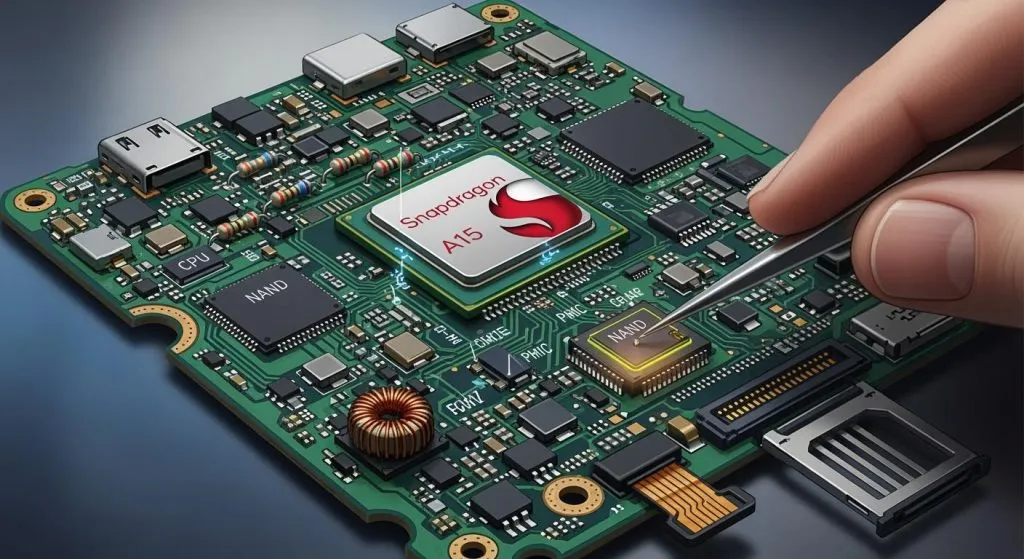
MEMS miniaturization changes how you use gadgets. MEMS means Micro-Electro-Mechanical Systems. Smaller sensors fit in smartwatches, phones, and medical implants. You get more features in tiny devices. Microfabrication makes sensors small and saves power. Multi-sensor integration puts many sensors on one chip, saving space and money.
Advancement Type | Description |
|---|---|
Microfabrication Techniques | Sensors get tinier and use less energy. |
Multi-sensor Integration | One chip can hold many sensors, so devices do more for you. |
Improved Accuracy and Sensitivity | New materials and algorithms make sensors more exact. |
Wireless Connectivity | Sensors connect without wires, so you use them anywhere. |
You see MEMS miniaturization in wearables that track steps and sleep. In medicine, tiny MEMS sensors go inside your body to watch your health. RF MEMS make wireless communication faster. Energy harvesting MEMS power IoT devices, so you use smart sensors at home and in cities.
Biochemical Sensors
Biochemical sensors help you check your health and the environment. These sensors use biological parts to find chemicals, germs, or biomarkers. Cell-free biosensors use cell machinery without living cells, so they work faster and safer. You use biosensors to check glucose or find bad germs in food and air.
Biosensors track your blood sugar right away.
They find germs in food and air, keeping you safe.
Synthetic biology makes new biosensors that spot heavy metals or clinical markers.
You see smart prosthetics that change with your nerve signals. Bio-AI feedback helps exoskeletons move with your body. In science, biosensors track pollution and climate data. These sensor uses show how biotechnology and sensor fusion work together.
Edge Integration
Edge integration makes sensor networks quicker and safer for you. Edge AI puts smart tech close to the sensor, so data gets handled right away. You get answers fast with little delay. This matters for augmented reality, self-driving cars, and smart cities.
Edge-AI Routing uses AI at the edge to check performance, cut delays, and make delivery better.
Neural networks near sensors lower delays, so you get instant feedback.
Local processing keeps your data safe from cyber attacks.
Low-power FPGAs at the edge save energy and lower costs.
Reduced Latency: Data gets handled near you, so you see results fast.
Improved Security: Your data stays close, so privacy is better.
Energy Efficiency: Less data travels far, so you save energy.
Edge integration helps sensor fusion, mixing data from many sensors for better results. You see this in smart homes and factories, where edge AI helps devices work together.
Wireless Networks
Wireless networks link your sensors everywhere. You use 5g, LoRaWAN, NB-IoT, and LTE-M for strong coverage. These networks let you use smart sensors in homes, factories, and wearables. Wireless sensor networks help machines, sensors, and cloud systems talk to each other. You get automatic monitoring and quick communication.
Smart homes use wireless networks for safety and comfort.
Connected factories use wireless sensor networks for real-time control.
Wearable health tech uses wireless networks to send sensor data to your doctor.
The wireless sensor network market grows fast because of IoT, edge computing, and real-time processing. You see sensor fusion in action, where wireless networks mix data from many places. This makes sensor technology bigger and stronger for you.
Tip: Sensor data fusion and sensor fusion help you get better and more useful information from many sensors working together.
Sensor Trends in Industries

Healthcare
Sensor technology is changing healthcare in big ways. Hospitals use smart sensors to watch your health all day. These sensors check your heart rate, blood pressure, and oxygen. Doctors can help you quickly if something is wrong. You can stay home while your doctor checks your vital signs. This means fewer trips to the hospital and you feel safer.
Evidence Type | Description |
|---|---|
Remote Patient Monitoring | IoT devices track your vital signs all the time. This helps lower hospital visits by 45% because doctors help early. |
Integration Impact | Hospitals with smooth sensor systems have happier doctors. Patients also get better care, up to three times more than places with single sensors. |
You get better care and faster help. Hospitals use ai to find health problems early. This helps treatments work better and keeps you healthy.
Automotive
Cars are getting smarter every year. Sensors help keep you safe and make driving easier. Car sensors watch the road and look for danger. They also help you park. New cars use special systems to stop crashes and warn you about trouble.
Evidence Description | Details |
|---|---|
Projected Market Growth | The car sensor market will grow by 10.2% each year from 2023 to 2028. |
Demand Drivers | More people want smart safety systems, electric cars, and self-driving tech. |
Regulatory Developments | Europe has new rules for safer cars with better sensors by 2025. |
Policy Updates | The US wants strong sensors in self-driving cars. |
R&D Focus | Scientists are making new Lidar sensors that see farther and cost less. |
Smart Sensor Development | Experts are building sensors that tell you when your car needs fixing. |
You see more electric cars and self-driving features. These cars use ai and 5g to talk to each other and the road. This makes your ride safer and smoother.
Consumer Devices
You use sensors every day in your phone, watch, and smart home. Devices are smaller and smarter now. Wearables count your steps, sleep, and health. Smart home sensors keep your house safe and comfy. Gaming and AR headsets use strong sensors for more fun.
Aspect | Details |
|---|---|
Market Drivers | More people buy wearables and smart home gadgets. AI makes sensors better. |
Consumer Preferences | People want better sensors in phones, games, and AR. |
Future Growth | Sensors will get more exact, save energy, and give fast info soon. |
IoT and AI devices connect better and are smaller.
New sensors power themselves for more efficiency.
Better materials and smart programs make sensors work well.
You get faster connections and longer battery life. 5g helps your devices send data quickly. Ai helps your devices learn what you like and give you better results.
Environmental Monitoring
Sensors help you protect the planet. They check air quality, temperature, and humidity right away. You see these sensors in schools, offices, and cities. They send data without wires and work with building systems to keep you safe.
Strong wireless features
Fast data access
Work with building systems
Track temperature, humidity, and airflow
Easy to install with battery or plug-in power
Safe and secure data delivery
You get alerts if the air is bad or something needs fixing. These sensors help you and your community stay healthy and protect the environment.
Inventory Management & Optimization
AI Analytics
Inventory management systems are changing a lot in 2025. AI inventory management shows you your stock right away. You always know what you have and what you need. AI analytics help you find patterns in how things are used. You use this information to make smart choices. Automated inventory management means you spend less time counting items. You spend more time planning what to do next. AI handles the inventory replenishment process for you. This helps you avoid running out of products.
AI inventory management gives you instant counts of your inventory.
You automate replenishment, so you pay less for labor.
You cut waste and make more money with inventory optimization.
AI-driven analytics show you what sells quickly and what does not.
“Gexpro Services just set up a 700 scale eTurns SensorBins Sensor-managed Inventory Solution at a big powergen manufacturer in Ohio. The customer liked the almost $1M stock reduction and the real-time inventory data.” – Robert Connors, CEO – Gexpro Services
You use inventory management systems that work with 5g networks. This gives you fast updates and better control over your stock. You see how inventory optimization helps you waste less and save more money. AI inventory management helps you plan ahead using data.
Real-Time Tracking
Sensors help you track every item in your warehouse. Real-time tracking in inventory management systems helps you find mistakes quickly. You see fewer errors and fewer times when you run out of stock. You use inventory management to keep shelves full and customers happy.
You lower inventory mistakes by up to 30%.
You cut stockouts by up to 20%.
You make demand forecasting 90% accurate.
A top retailer cut order mistakes by 65% after using real-time tracking.
Smart algorithms in AI inventory management systems find trends and help you plan for restocking.
You use inventory management systems to see where every item is at any time. You use inventory optimization to keep just enough stock. You let AI inventory management handle restocking, so you never run out. You see how inventory replenishment and optimization work together for better results.
You trust your inventory management systems to give you the right information. You use AI inventory management to make smart choices. You see how inventory replenishment keeps your business working well. You use inventory management to save time, spend less, and make better choices every day.
Adoption Challenges
Security & Privacy
Sensors are getting smarter and more connected. This brings new risks for you. Companies watch more, so people worry about how data is used. You have to follow privacy rules like GDPR. You also need strong privacy policies. Hackers try to attack ai systems. You must use data encryption and network security. Regular audits help keep your data safe.
More sensors give hackers more ways to attack.
You need to keep personal data safe from bad use.
Companies must update security often to stop threats.
Note: Always check if your devices are secure and follow privacy laws.
Integration Barriers
Adding new sensors to old systems can be hard. Many companies worry about keeping data safe when adding new devices. Using more energy can make systems less efficient. You may have trouble growing your system with more sensors.
Old systems might not work with new technology.
Old communication slows down adding new sensors.
Sharing data is hard without standard interfaces.
Different data formats and no shared rules cause confusion.
Not enough space can stop you from adding new equipment.
Getting permission can block data from being used.
Cost Factors
Cost is important when using new sensors. High prices stop some people from buying advanced sensors. When more sensors are used in controls and wearables, prices go down. Companies spend money on research to make sensors cheaper and better.
Cost Factor | Impact on Adoption Rate |
|---|---|
High Costs | Limits adoption in price-sensitive markets |
Reduced Production Costs | Stimulates adoption across various sectors |
Technological Advancements | Makes sensors more affordable, driving growth |
Sensors get cheaper as making them gets easier. 5g and IoT platforms make more people want low-cost sensors.
Regulation
You have to follow many rules when using new sensors. Global standards are different in each country. This slows down how fast you can sell products. IoT devices have many radios, each with its own rules. Getting certified can take 6 to 12 months and needs many people. Privacy and security laws change a lot. You must build safe systems from the start.
Regulatory Challenge | Description |
|---|---|
Fragmented Global Standards | Different rules in each country slow down product launches |
Complex Wireless Compliance | Devices with many radios face unique technical and legal demands |
Lengthy Certification Processes | Approval can take up to a year and needs many experts |
Evolving Privacy Regulations | Laws change often, so you must keep updating your systems |
Supply Chain Transparency | You must check that all suppliers follow the rules |
You need experts to help with rules and new laws. Companies must check their supply chains to make sure everyone follows the rules.
Leveraging Sensor Technology
For Businesses
You can use smart sensors to help your business work better. These sensors watch machines, products, and people all the time. Autonomous sensor technology warns you before problems start. You fix things fast and stop long breaks. Many companies use ai to study sensor data. You find patterns, make work safer, and save money.
5g networks send sensor data very quickly. You connect more devices and get updates fast. The smartphone sensor market is growing. You use mobile devices to check your business from anywhere. Sensors also watch energy use and help lower bills. When you use these tools, your business works smoother and stays ahead.
Tip: Use sensors to do jobs like checking inventory or watching equipment. This saves time and lets your team work on bigger tasks.
For Individuals
You use new sensor tools to make life easier and safer. Smart devices remind you to take medicine or check your health. Home sensors let you control lights, locks, and temperature with your phone. You save time and feel more comfortable.
Here is how sensor tools help you every day:
Application Area | Benefits of Sensor Technologies |
|---|---|
Healthcare | Reminds you to take medicine and gives medicine automatically. |
Home Automation | Does chores for you and makes life easier. |
Lifestyle Improvements | Makes daily life better with new ideas. |
Industrial Use | Helps companies work better and share data. |
IoT devices save time and do jobs for you.
You control devices from anywhere and get helpful data.
Smart home devices make life easier and safer.
You use ai-powered wearables to track steps, sleep, and heart rate. These tools help you stay healthy and active. As sensor tools improve, you will find more ways to make life better.
You notice new trends changing things around you all the time. If you keep learning and act early, you get more benefits. Using new tools helps you work faster and spend less money. You stay safer because sensors watch things all the time. You can fix machines before they stop working. Your business keeps going without big problems.
You work better and save money.
You stay safe with sensors watching.
You fix things before they break.
Your business works longer.
You can try smart office tools, eco-friendly IoT, or AR headsets that use IoT data. These choices help you save money, care for the earth, and give better service.
FAQ
What is the biggest benefit of AI-driven sensors?
AI-driven sensors help you get faster and more accurate information. You can spot problems early and fix them before they grow. This saves you time and money. You also get better safety and smarter devices.
How do MEMS sensors make devices smaller?
MEMS sensors use tiny parts made with special tools. These sensors fit inside small gadgets like smartwatches and hearing aids. You get more features in less space. Devices become lighter and easier to carry.
Are wireless sensor networks safe to use?
You should always check for strong security. Good networks use encryption and regular updates. This keeps your data safe from hackers. You can trust your devices when you follow safety tips and use secure passwords.
Where do you see biochemical sensors in daily life?
You find biochemical sensors in health trackers, smartwatches, and even some kitchen tools. They help you check your blood sugar, spot germs in food, and watch air quality. These sensors keep you healthy and safe every day.