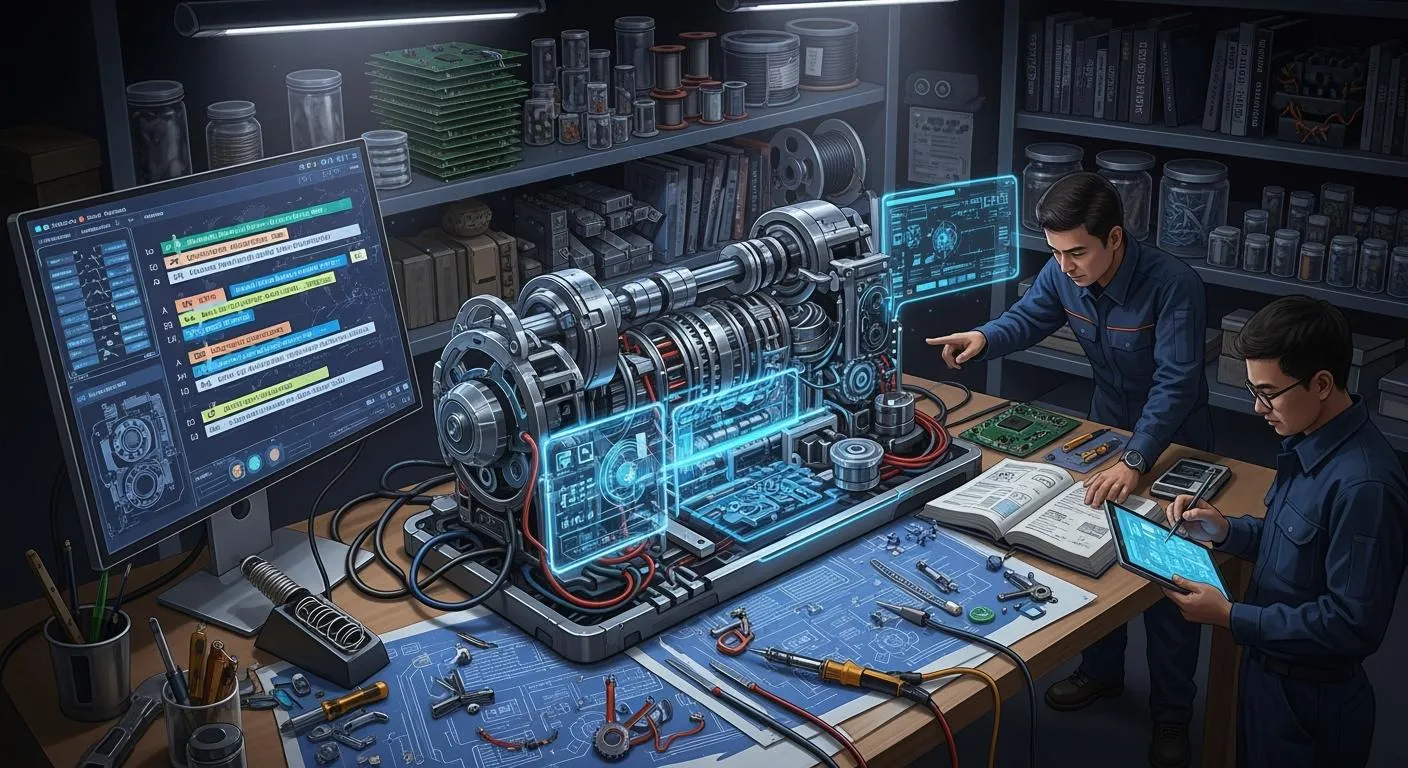
You see AI translation machines changing factory work. These machines use smart AI and translation software. Engineers build them with special hardware like PCBs. This helps them do hard jobs. Workers do not stop to look for a translator. Fewer mistakes happen, so there are less errors and delays. Teams from different countries work together more easily.
Impact Area | Evidence |
|---|---|
Efficiency | AI translation tools stop workers from needing to pause their work to find a translator. |
Accuracy | Cuts down on misunderstandings, so there are fewer errors and delays. |
Global Collaboration | Gives real-time translations, so teams can talk better at work. |
Key Takeaways
AI translation machines help people talk faster. They save time and stop mistakes from happening.
Smart PCB design and good algorithms make translations more correct. This means people understand each other better at work.
Real-time AI translation tools help people speak different languages. This makes talking safer and easier for everyone.
Customizing AI translation systems helps them fit each job. This makes translations better and more useful.
Data security is very important. Use safe tools and follow rules to keep information safe.
AI Translation Machines Design

PCB Design
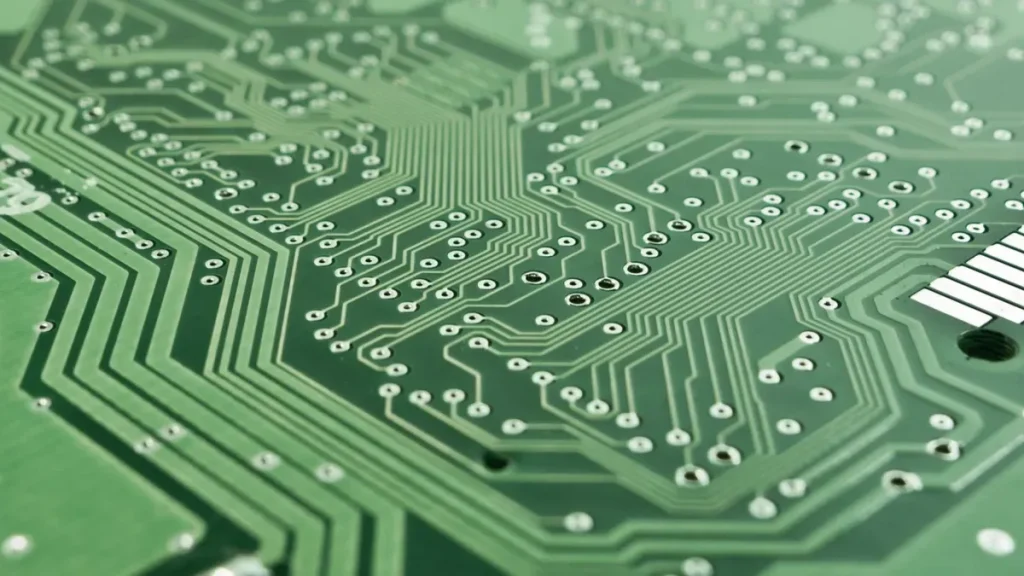
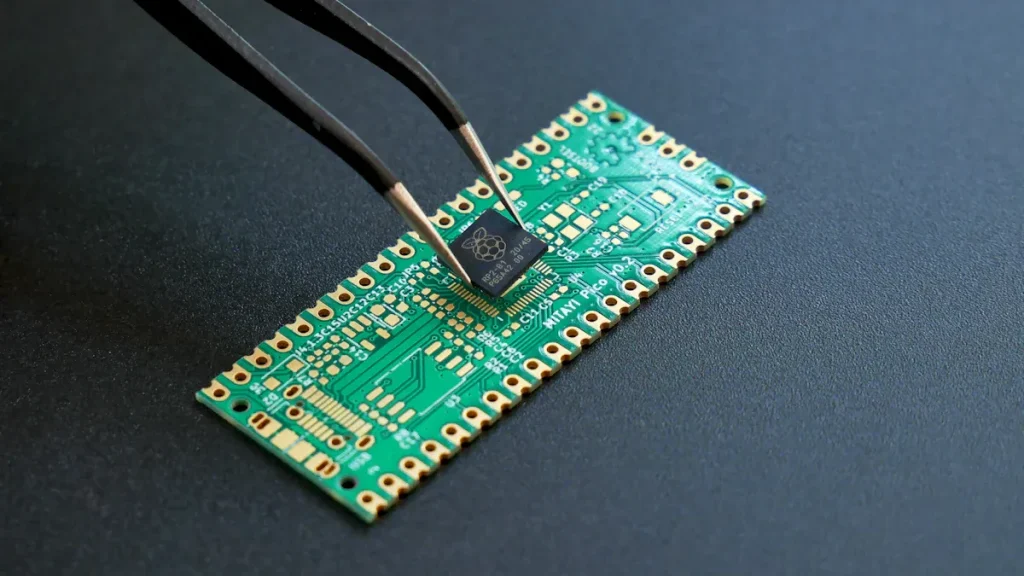
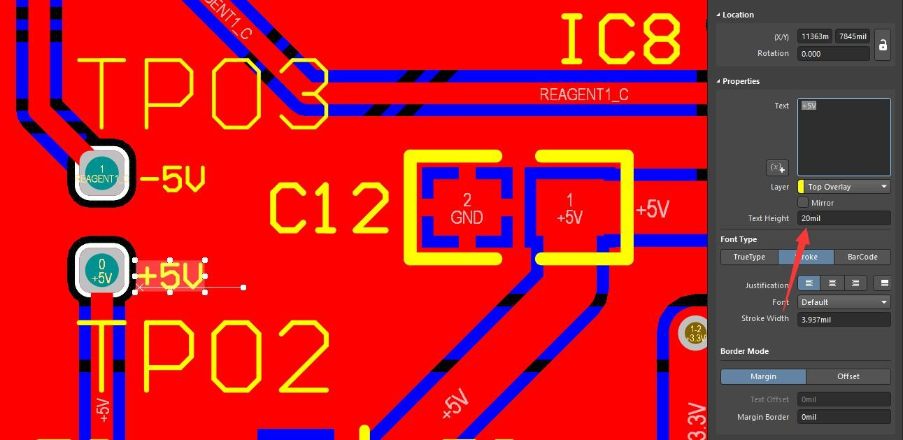
The printed circuit board is the main part of ai translation machines. The PCB links all the pieces so they work together. Ai helps make the PCB design quicker and more exact. Here are the main steps for making a PCB for ai translation devices:
Smart part placement puts pieces in good spots. This lowers signal issues and keeps things cool.
Automated routing uses generative ai to draw signal paths. This makes translation fast and steady.
Design rule checking lets ai spot mistakes like short circuits. You fix these before building the board.
Thermal analysis uses ai to study heat. You add cooling where it is needed.
Signal integrity checks use machine learning to test signals. This helps the device work well.
Predictive failure analysis finds weak spots. You improve the design so the device lasts longer.
Ai makes PCB design smarter and safer. You get fewer mistakes and better results in manufacturing.
Hardware Components
You pick hardware parts that help ai translation. The main parts are microprocessors, memory chips, and wireless modules. Microprocessors run ai algorithms and do translation jobs. Memory chips hold language data and ai models. Wireless modules let the device connect and share translations. You add microphones and speakers so people can talk and listen in many languages. Screens show written translations. Each part must work well with the PCB and ai system. You test every part to make sure it fits what the industry needs.
AI Algorithms
You choose ai algorithms that make translation quick and correct. Neural networks and natural language processing help understand and change languages. You train these algorithms with lots of text from many languages. You check how well ai translates using different ways. The table below shows how you measure and improve translation quality:
Method Type | Description |
|---|---|
Glass Box Evaluation | You look inside the system and see how algorithms work. |
Black Box Evaluation | You compare output translations to reference texts using special scores. |
BLEU | You check how close machine translation is to a good translation using word patterns. |
METEOR | You look for synonyms and word stems to balance precision and recall. |
TER | You count changes needed to fix the translation, showing how good it is. |
You face some problems when making ai translation machines. The table below lists common problems and what they mean for you:
Obstacle | Description |
|---|---|
Inaccuracy | Sometimes ai translation misses hard words or grammar. You may see mistakes or missing parts. |
Inexpressiveness | Translations can sound odd or too simple. The device may not show the real meaning. |
Lack of Cultural Background | Ai may not get jokes or local sayings. You need human help to fix these. |
Need for Human Verification | You must check important translations yourself. Ai is not perfect for every job. |
Security Risk Concerns | Using ai translation can risk your data. Sensitive information may be used to train other models, so you must protect it. |
Ai translation machines need strong design and careful testing. Ai helps make the process better, but you must watch for problems. You help the industry by building devices that support global manufacturing and teamwork.
Manufacturing Integration
Real-Time AI Translation
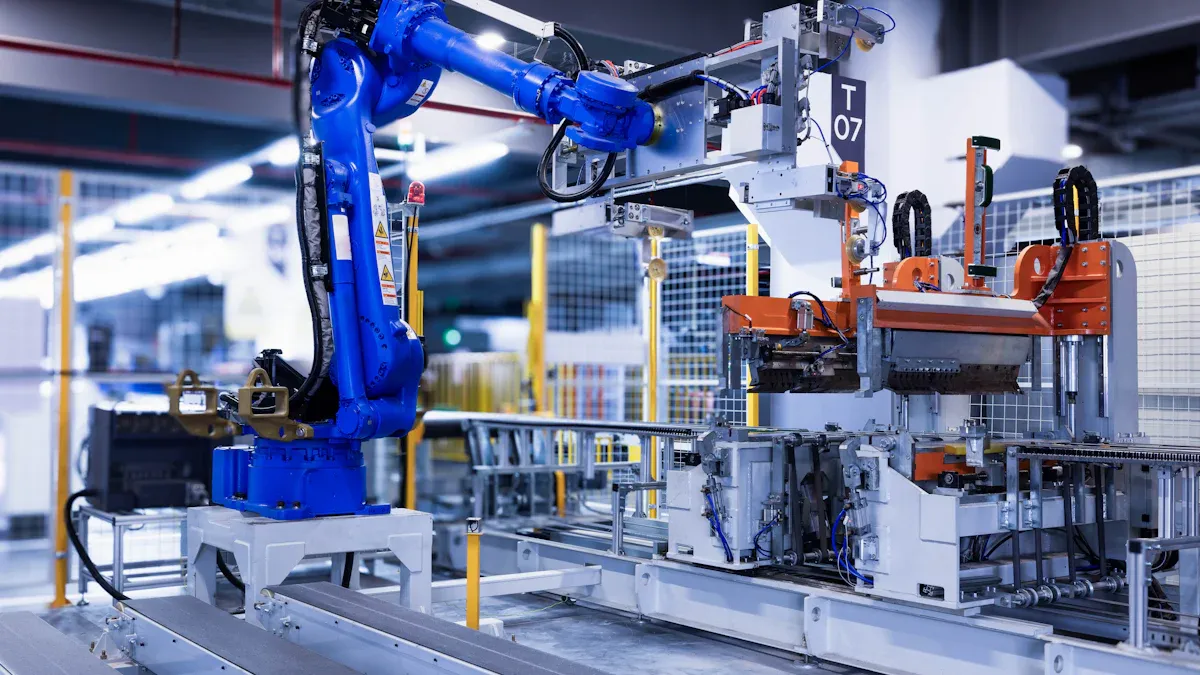
Real-time AI translation is changing how people work. These systems help you talk to coworkers who speak other languages. You do not need to wait for a translator. AI translation machines like the Walt Smart Radio System give instant translations. They work even in loud places. This keeps your team safe. It helps you follow instructions right away.
AI translation systems give instant translations so you can talk now.
These tools break language barriers, making your job safer and easier.
Real-time speech translation helps you understand rules and instructions.
You avoid mistakes and delays because everyone knows what to do.
Many factories use real-time translation devices to help workers talk. You get quick answers and clear directions. This lowers errors and helps you finish jobs faster. These translation tools also keep you safe by giving important information when you need it.
AI-Powered Work Instructions
AI-powered work instructions help you do your job better. These instructions use AI to keep technical words and steps clear in every language. You do not worry about missing details or using the wrong steps. AI understands the situation and makes sure you get the right info.
AI-powered work instructions update in all languages at once. You see the newest steps and company words right away. This means you spend less time checking papers and more time working. You also get videos and diagrams. These help you follow each step and avoid mistakes.
AI makes work instructions translation better by using approved materials. You get clear, step-by-step help. The system checks for mistakes and only shows the newest instructions. This keeps your work safe and helps you reach high quality in manufacturing.
Tip: Use digital work instructions with interactive features. Videos and diagrams help you understand each task and keep you safe.
Customization for Industry Needs
You can change AI translation machines to fit your industry. Machine translation customization helps you get better translation and less editing. You keep your translations correct and up to date as your business changes.
There are two main ways to change machine translation:
Light customization lets you change glossaries and control style.
Full customization trains the system with special data for your industry’s words and style.
Different industries need different translation solutions. The table below shows how machine translation customization helps each industry:
Industry | Benefits of MT Customization |
|---|---|
Ecommerce and online retail | Translates product details and reviews for better shopping. |
Travel and hospitality | Personalizes listings and reviews for guests. |
SaaS | Changes manuals and guides to fit industry language. |
Automotive | Translates feedback and manuals, adding value to your business. |
Finance and fintech | Handles special words and compliance papers with accuracy. |
Pharmaceutical | Translates medical terms in prescriptions and trials with high accuracy. |
You pick the right customization for your needs. This helps you keep your translation tools ready for any challenge in the translation industry.
Benefits and Challenges
Efficiency and Accuracy
AI translation machines change how factories and building sites work. These tools help you finish jobs faster. You make fewer mistakes. Companies say automation with AI can save a lot of money. Some save up to 30%. Many see efficiency go up by more than 40%. Good translations help teams avoid errors and delays. Automation means less manual work and fewer human mistakes. Most leaders in manufacturing see clear benefits from using AI translation. You can check success by looking at saved money and faster work. AI translation machines also help supply chains. They make steps easier to see and help stop problems.
Data Security
You need to keep your data safe when using AI translation tools. Factories get attacked by hackers a lot. In 2024, ransomware attacks went up by 87%. Half of the victims were factories. Most attacks happened in North America. Samsung had a big data leak. Workers used public AI translation services. This shows why strong security is important.
Public AI translation tools may use, store, or change your data. This can put your business secrets in danger.
You can protect your data by doing these things:
Make translators and vendors sign NDAs before seeing secret info.
Encrypt files before sharing and use passwords.
Choose safe file transfer tools with access controls.
Work with translation services that follow strict security rules and GDPR.
Use multifactor authentication for secret files.
Check who gets in and do security checks often.
Addressing Context and Bias
You want your translation to be clear and fair. AI translation machines now use more context for better results. These systems look at whole sentences, not just words. They find patterns and change to fit the situation. New machine translation tools respect tone, idioms, and culture. Multi-modal translation helps you understand cultural differences. You get smoother and more correct translations. You still need human experts for quality and culture. Complex jobs and many file types mean you need partners who know your field. You get the best results by using AI and human checks together. This helps you avoid bias and keep translations right.
Implementation Strategies
Deployment of AI Translation Devices
You need good systems to use ai translation devices. Fast computers help you handle lots of data quickly. Data systems store information and help ai translation tools work well. Deployment systems let you use translation services right away. Storage and networks move data fast and keep things running smoothly. Rules and safety steps protect your information and help you follow laws. The table below shows what you need for a strong setup:
Component | Description |
|---|---|
High-Performance Computing | Handles big data fast and cuts training time. |
Data Infrastructure | Stores and manages data for accurate ai translation devices. |
Deployment Infrastructure | Lets users get real-time translation easily. |
Storage & Networking | Moves data quickly for training and using ai translation tools. |
Governance, Security & Compliance | Keeps data safe and follows industry rules. |
GPUs can make ai jobs much faster than CPUs. Good data systems can help you get better results from digital changes. Most cloud costs come from ai work, so plan your resources carefully.
Training and Maintenance
You need to teach your team how to use ai translation devices. Training shows how to add ai to your daily work. You learn to use translation tools and understand different cultures. The table below shows what you should focus on:
Aspect | Description |
|---|---|
AI Adoption | Learn to use ai in your daily work. |
Localization | Know about culture and language for better translation. |
AI Tools Usage | Practice with translation tools to get better and faster. |
Ai translation tools work quickly and save money. They keep translations the same every time. Your team will find these tools easy to use and learn fast. Regular checks keep your devices working well and help you keep high quality in your work.
Future Trends
You will see new changes in ai translation devices. Deep learning helps translation by finding language patterns. Voice translation services make talking easier in real time. More companies use machine translation because people work from different places. New technology lets ai translation devices learn from real data and handle hard language. You get better accuracy and smoother translations. These tools help you work with teams everywhere and bring new ideas to your business. Keep learning about new translation tools to make your work better and stay ahead.
You know AI translation machines use smart PCB design and strong algorithms. These machines help you work faster and make fewer mistakes. They save you time and money. They also help keep everyone safe. Sometimes, you may have problems like high costs. It can be hard to find skilled workers. To do well, use AI for languages with few resources. Let AI check quality and make local content. Watch for new trends to keep your business doing well.
FAQ
What is an AI translation machine?
You use an AI translation machine to change spoken or written words from one language to another. This device helps you talk with people who speak different languages at work.
How do AI translation machines help in factories?
You get clear instructions in your own language. This tool helps you avoid mistakes. You finish jobs faster. You also work safely with teams from other countries.
Can you update AI translation machines for new languages?
Yes, you can add new languages with software updates. You keep your device ready for new markets or teams. Updates make your machine smarter and more useful.
Are AI translation machines secure?
You protect your data by using strong passwords and safe networks. You should choose devices that follow strict security rules. This keeps your business information safe.
Do you need special training to use these machines?
You do not need special skills. Most devices have simple menus and clear buttons. You learn to use them quickly. Training videos and guides help you start fast.