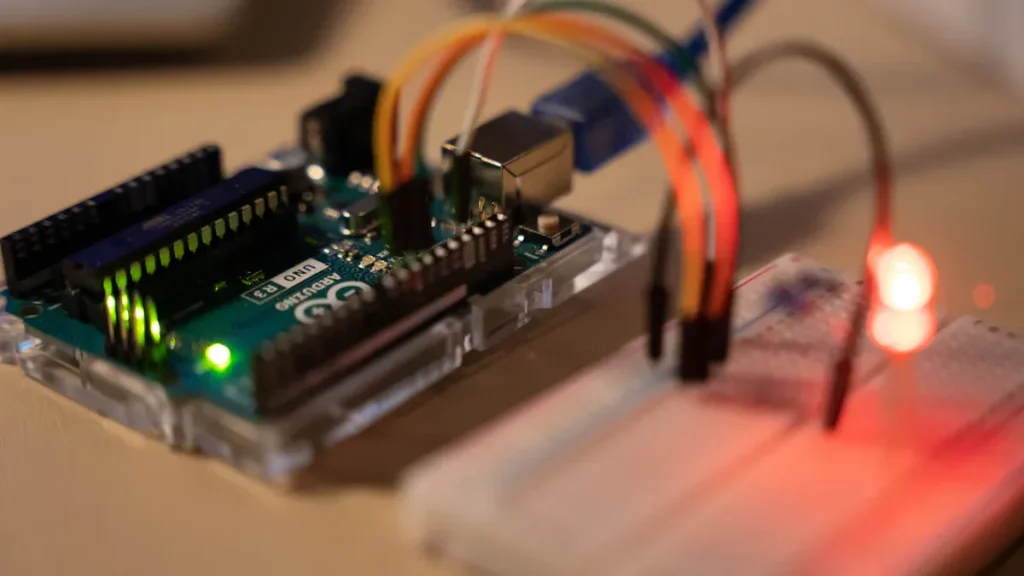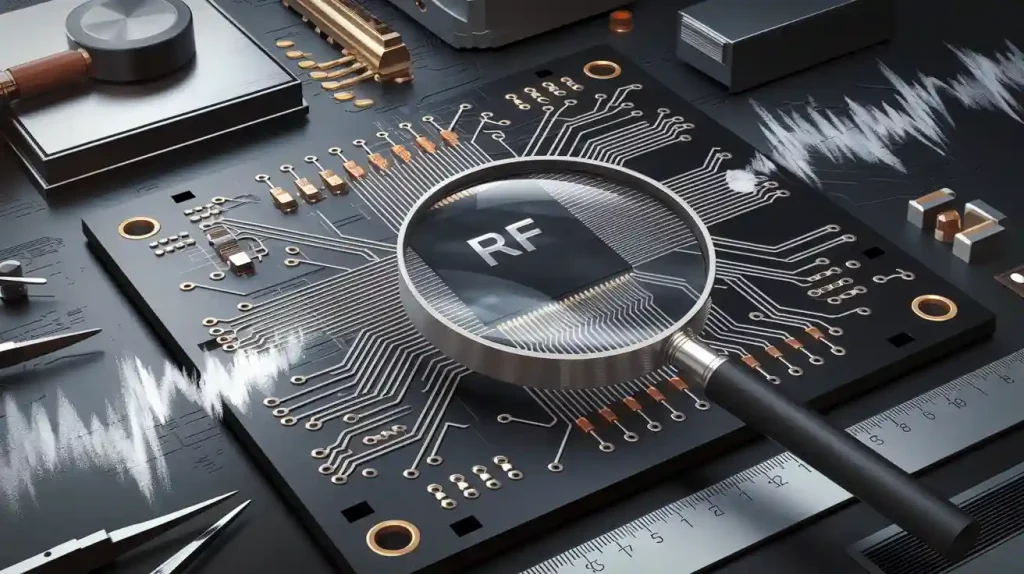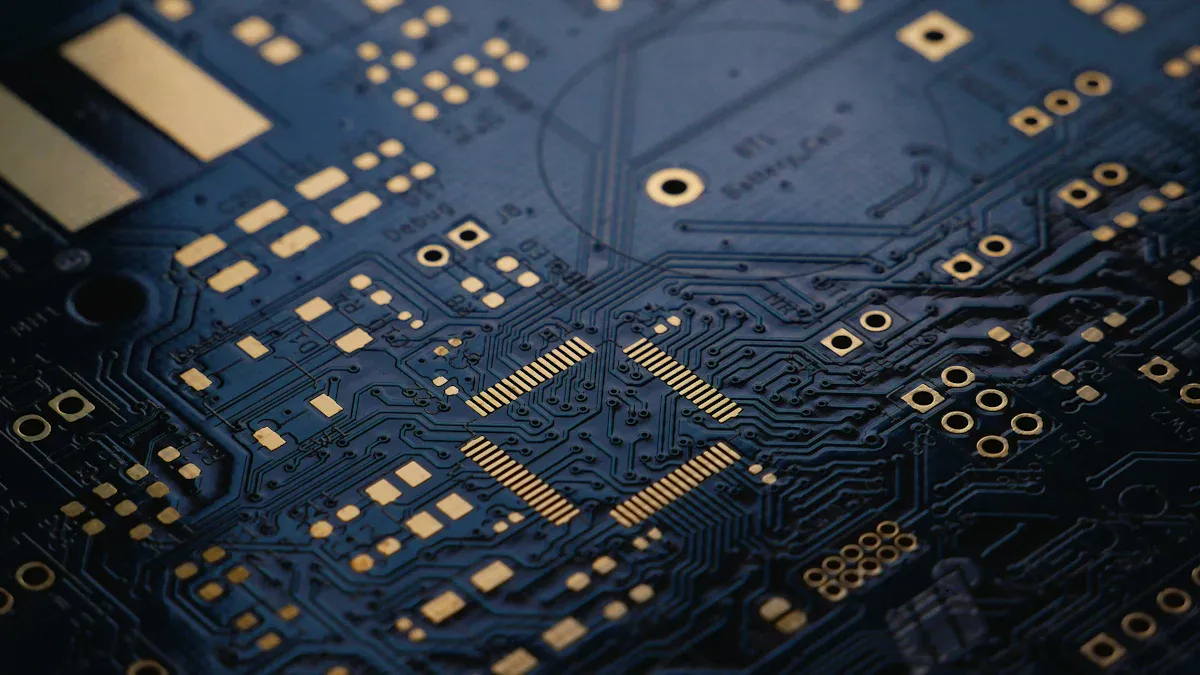
PCB copy has revolutionized the electronics industry by making innovation faster and more accessible. You can replicate proven designs to ensure reliability and reduce costs. This process allows you to create quick prototypes, adapt to technological changes, and maintain consistency in manufacturing. It also empowers small businesses and hobbyists to develop advanced devices without significant financial barriers. By enabling low-cost repairs and modifications, PCB copy supports the longevity of electronic equipment. Whether you aim to improve existing designs or meet the demand for cutting-edge devices, this technology plays a vital role in modern electronics.
Key Takeaways
Copying PCBs helps create new ideas by reusing good designs.
It saves time and money, making it easier to improve products.
This process lowers costs, helping small businesses and startups grow.
Always ask for permission before copying designs to stay fair and legal.
PCB copying helps fix devices cheaply, so they last longer and work well.
Understanding PCB Cloning
What is PCB Cloning?
Definition of PCB cloning
PCB cloning refers to the process of replicating an existing printed circuit board. It involves analyzing the original board’s design, components, and layout to create an identical or improved version. This technique allows you to duplicate proven designs, ensuring reliability and consistency in performance. PCB cloning is widely used in industries where precision and quality are critical, such as aerospace, medical devices, and consumer electronics.
How PCB cloning works
The cloning process involves several key steps to ensure accuracy and efficiency. Here’s how it typically works:
Understand the original board’s parameters: Gather the Bill of Materials (BOM) and schematic diagram of the existing PCB design.
Document components and layout: Photograph each layer of the board and record the type, parameters, and placement of all components.
Prepare the board for scanning: Remove surface-mounted components and clean the board to ensure clear scans.
Scan the board: Capture high-resolution images of the top and bottom layers, including all markings and designators.
Create a new design file: Use PCB design software to convert the scanned images into a new PCB file.
Verify the design: Compare the new design with the original board to ensure accuracy.
Manufacture and test: Submit the design for manufacturing, then test the prototype to confirm it meets the required standards.
By following these steps, you can replicate a PCB with precision, whether for reverse engineering or improving an existing PCB design.
Role of PCB Cloning in Electronics
Supporting design replication and improvement
PCB cloning plays a vital role in advancing electronic device design. It allows you to replicate proven designs, saving time and resources. This process also enables you to modify and enhance existing designs, fostering innovation. For example, you can adapt a cloned PCB to include new features or improve its efficiency. This flexibility makes PCB cloning invaluable for startups and small-scale manufacturers looking to create competitive products.
Ensuring quality and consistency in manufacturing
Cloning ensures that the quality and performance of a PCB remain consistent. By duplicating a tried-and-tested design, you can avoid the risks associated with creating a new PCB from scratch. This reliability is especially important in industries like medical devices, where even minor errors can have serious consequences. Additionally, PCB duplication allows manufacturers to produce identical boards across different locations, maintaining uniformity in production.
PCB cloning not only simplifies the manufacturing process but also ensures that the final product meets high standards of quality and reliability.
Benefits of PCB Cloning
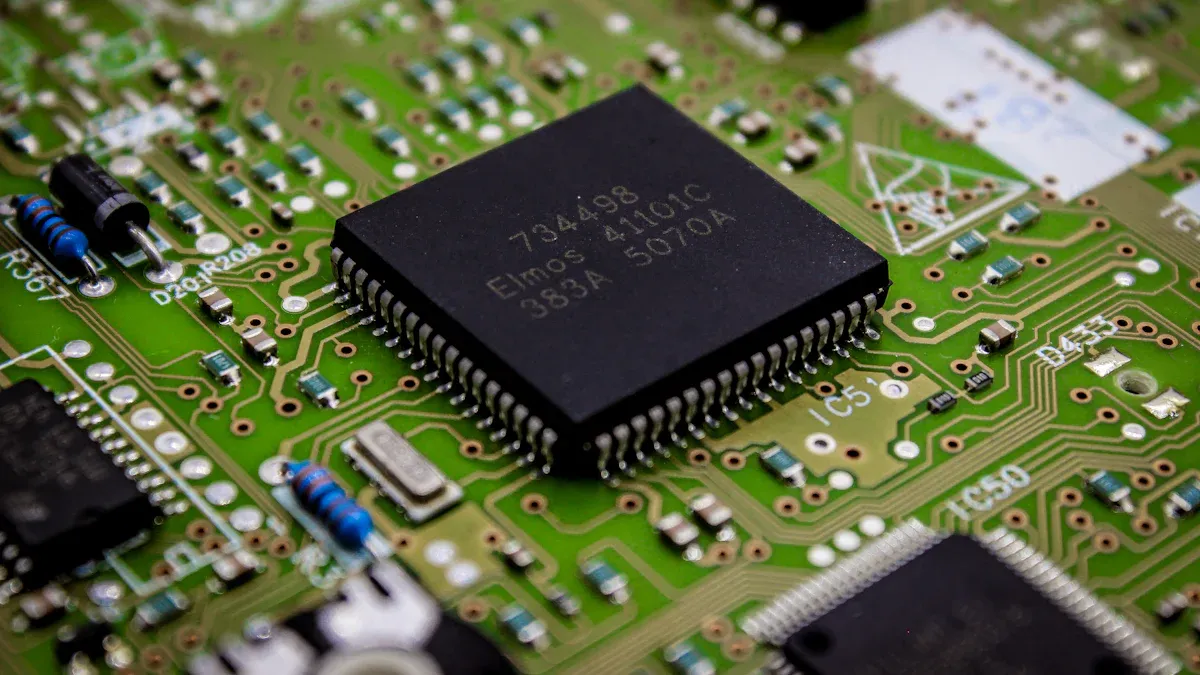
Driving Innovation
Enhancing existing designs
PCB cloning allows you to refine and improve existing designs with ease. By replicating a proven printed circuit board, you can focus on enhancing its functionality or adapting it to meet specific requirements. For instance, you might add new features, improve energy efficiency, or optimize the layout for better performance. This process eliminates the need to start from scratch, saving time and resources while encouraging continuous improvement.
Encouraging creativity and new product development
Cloning opens up endless possibilities for experimentation and customization. You can modify existing PCB designs to suit unique needs, enabling rapid prototyping and faster product development cycles. This accessibility fosters innovation by empowering hobbyists, startups, and small businesses to create cutting-edge devices.
Designers can experiment with modifications without creating new design files.
Faster prototyping accelerates the innovation process.
Hardware design becomes more accessible, democratizing the field.
By leveraging PCB cloning, you can adapt quickly to market demands and consumer preferences, ensuring your products remain competitive.
Cost-Effectiveness
Reducing R&D expenses
PCB cloning significantly reduces research and development costs. Instead of investing heavily in designing a new PCB, you can replicate an existing PCB design and allocate resources to other critical areas. This approach is particularly beneficial for startups and small-scale manufacturers with limited budgets. It also ensures quality by duplicating reliable designs, minimizing the risk of costly errors during production.
Supporting startups and small-scale manufacturers
For startups and small businesses, cloning offers a low-cost solution for creating prototypes and replacing damaged boards. It eliminates the need for extensive design work, making hardware development more accessible. Additionally, it allows you to adapt quickly to technological changes, ensuring your products stay relevant in a fast-paced industry. PCB cloning not only saves money but also levels the playing field for smaller players in the electronics market.
Problem-Solving and Reverse Engineering
Repairing and troubleshooting legacy systems
Legacy systems often rely on outdated or discontinued components, making repairs challenging. PCB cloning provides a practical solution by enabling you to replicate these components through reverse engineering. This process helps extend the lifespan of older products, ensuring continued functionality without expensive redesigns. It also supports troubleshooting by offering a clear understanding of the original design.
Replicating unavailable or discontinued components
When critical components become unavailable, cloning steps in to fill the gap. By duplicating these components, you can maintain legacy products and meet customer expectations. This approach ensures ongoing support for existing devices, avoiding the need for costly replacements or upgrades. PCB duplication services play a vital role in preserving the functionality of essential equipment across industries.
PCB cloning not only drives innovation but also solves practical challenges, making it an indispensable tool in modern electronics.
Applications of PCB Cloning in Modern Electronics
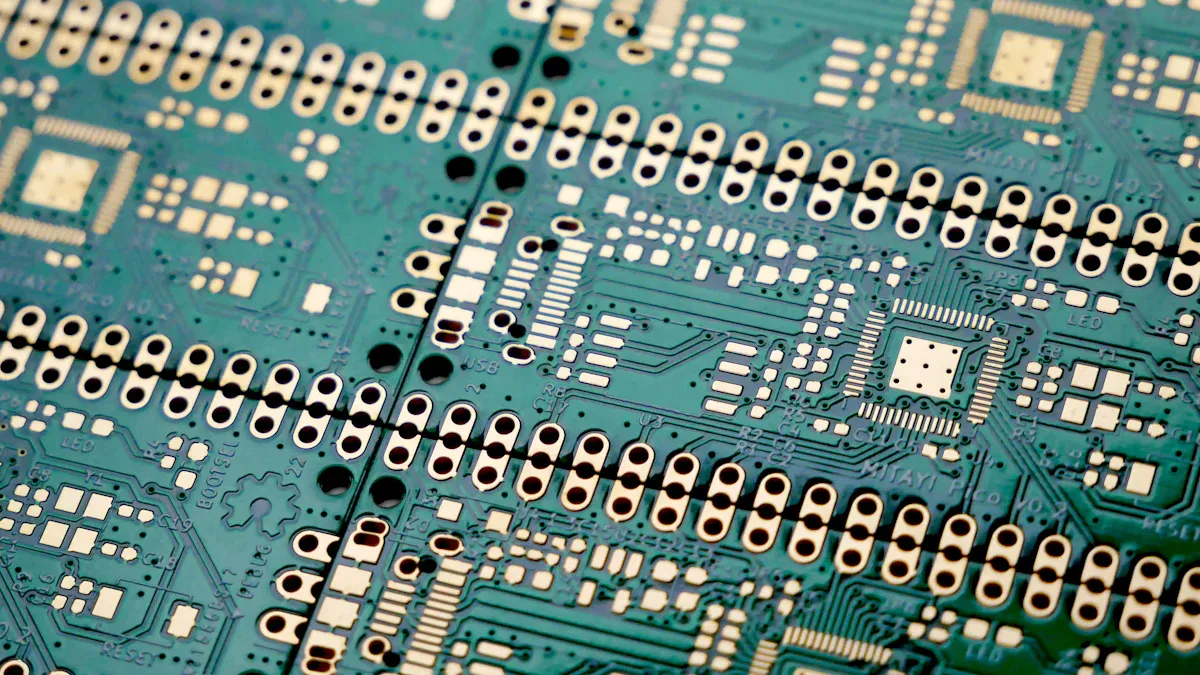
Industry Use Cases
Consumer electronics: Smartphones, wearables, and IoT devices
PCB cloning has become a game-changer in consumer electronics. You can quickly replicate existing printed circuit boards to streamline production and reduce costs. This process allows you to customize or scale designs to meet specific needs. For example:
Rapid prototyping of smartphones and IoT devices ensures faster product launches.
Customization of existing designs helps you adapt to market trends.
Repairing electronic equipment becomes more accessible and cost-effective.
Whether you’re a startup or a hobbyist, cloning empowers you to innovate without the need for extensive resources. It ensures that even small-scale manufacturers can compete in the fast-paced electronics market.
Medical devices: Precision instruments and life-saving equipment
In the medical field, PCB cloning plays a critical role in developing reliable devices. You can save time and money by replicating proven designs instead of creating new ones. This approach speeds up the introduction of precision instruments to the market. It also enhances scalability, ensuring consistent quality in life-saving equipment. By using cloning, you can meet the high standards required for medical applications while reducing development costs.
Automotive: ADAS and electric vehicles
The automotive industry relies on PCB cloning to keep up with technological advancements. You can replicate proven designs to ensure reliability in applications like Advanced Driver Assistance Systems (ADAS) and electric vehicles. Cloning also reduces design and manufacturing costs, making it a cost-effective solution. By shortening the product development process, you can quickly adapt to market demands and maintain a competitive edge.
Meeting Modern Demands
Developing faster, smaller, and more efficient devices
PCB cloning helps you create devices that are faster, smaller, and more efficient. By avoiding the need for new designs, you can save time and reduce costs. Cloning also streamlines production, allowing for quicker turnaround times. This process ensures quality by replicating reliable designs, which is essential for modern electronics. Whether you’re working on wearables or IoT devices, cloning makes innovation more accessible.
Keeping pace with rapid technological advancements
In a rapidly evolving industry, PCB cloning enables you to stay ahead. You can quickly replicate and modify designs without needing original files. This flexibility promotes experimentation and customization, helping you meet changing consumer demands. Cloning also supports the repair of outdated devices, providing a low-cost solution for replacing broken components. By leveraging cloning, you can adapt to technological changes and maintain relevance in the market.
Ethical Considerations in PCB Cloning
Intellectual Property and Legal Concerns
Risks of unauthorized PCB cloning
Unauthorized PCB cloning can lead to significant legal and ethical issues. When you replicate a design without permission, you risk violating intellectual property (IP) laws. This can result in lawsuits, fines, or damage to your reputation. Beyond legal consequences, unauthorized cloning undermines the hard work and innovation of original designers. It discourages creativity and trust within the electronics industry.
You must also consider the potential harm to consumers. Cloned products that bypass proper testing may fail to meet safety standards. This can lead to malfunctions or even accidents, especially in critical industries like healthcare or automotive. By avoiding unauthorized cloning, you protect both your business and the end users of your products.
Compliance with IP laws and regulations
To ensure compliance with IP laws, you should always seek permission before replicating a PCB design. Research the legal protections in your region, as these can vary. For example, some designs may be protected by patents, while others fall under copyright laws. Consulting with a legal expert can help you navigate these complexities.
Using a licensed PCB clone service ensures that you respect IP rights. These services often verify the legality of a project before proceeding. By working within the law, you can avoid legal risks and contribute to a fair and ethical electronics industry.
Best Practices for Ethical PCB Cloning
Encouraging responsible use of PCB clone services
When using a PCB clone service, prioritize ethical practices. Always verify that the design you want to replicate is not protected by IP laws. If you plan to improve an existing design, seek permission from the original creator. This approach fosters collaboration and innovation while respecting the rights of others.
You can also use cloning to support legacy products. For instance, replicating discontinued components helps maintain older devices without costly redesigns. This ensures that your cloning efforts benefit both your business and your customers.
Balancing innovation with respect for original designs
Balancing innovation with respect for original designs requires thoughtful practices. You can achieve this by:
Supporting legacy products to extend their lifespan.
Using existing designs to accelerate product development.
Optimizing designs by adding new features or improving components.
Allocating resources efficiently by reducing research and prototyping costs.
By following these steps, you can innovate responsibly while honoring the contributions of original designers. Ethical cloning not only benefits your business but also strengthens the electronics industry as a whole.
Ethical practices in PCB cloning ensure that you drive innovation without compromising integrity. By respecting IP laws and using cloning responsibly, you can create a positive impact in the world of electronics.
PCB cloning has become a cornerstone of modern electronics, enabling you to innovate faster and more efficiently. By replicating proven designs, you save time and reduce costs while ensuring reliability in critical industries like healthcare and automotive. This process also accelerates product development, helping you meet the demand for cutting-edge devices such as compact consumer electronics and advanced medical tools.
As technology evolves, PCB cloning will continue to shape the future of electronics. It empowers you to adapt quickly, fostering creativity and maintaining competitiveness in a rapidly changing market.
FAQ
What is the difference between PCB cloning and PCB design?
PCB cloning replicates an existing board, while PCB design creates a new one from scratch. Cloning focuses on analyzing and duplicating proven layouts. Designing involves conceptualizing and building a unique circuit board to meet specific requirements. Both processes serve different purposes in electronics development.
Is PCB cloning legal?
PCB cloning is legal if you respect intellectual property (IP) rights. Always seek permission before replicating a design. Unauthorized cloning can violate IP laws, leading to legal consequences. Using licensed services ensures compliance and promotes ethical practices in the electronics industry.
Can PCB cloning improve outdated devices?
Yes, cloning helps modernize outdated devices. You can replicate legacy components or redesign boards to enhance performance. This process extends the lifespan of older systems, making them compatible with current technologies. It also reduces costs by avoiding complete system replacements.
How does PCB cloning benefit small businesses?
PCB cloning reduces costs for small businesses. You can replicate proven designs instead of investing in expensive R&D. This process accelerates prototyping and production, enabling you to compete with larger manufacturers. Cloning also supports customization, helping you meet specific market demands.
What tools are needed for PCB cloning?
You need PCB design software, high-resolution scanners, and tools for component analysis. Software like Altium Designer or KiCad converts scanned images into editable files. Accurate documentation of components and layouts ensures successful replication. These tools streamline the cloning process for precise results.
Tip: Always verify the legality of your project before starting the cloning process.