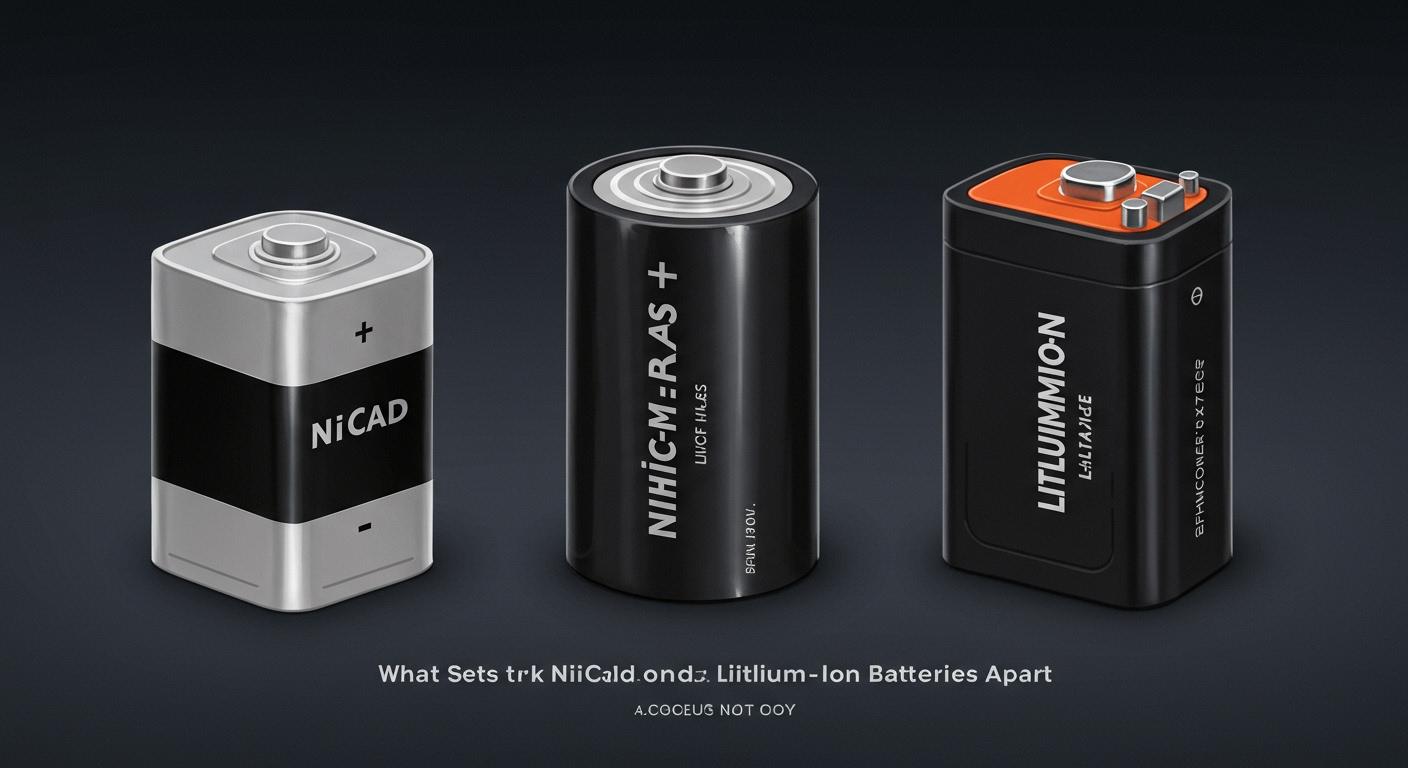
You will see that NiCad, NiMH, and lithium-ion batteries all have their own good points and bad points. When you know these differences, you can choose the safest and best rechargeable batteries for your things.
Lithium-ion batteries are the most popular in the world and are growing fast, especially in Asia Pacific.
NiMH batteries are used most in small devices and are safer than lithium-ion batteries when it comes to overheating.
NiCad batteries can have a memory effect and are not as good for the environment.
If you learn about Rechargeable Battery Compatibility, you can keep your devices safe and make your batteries last longer. Picking the right rechargeable battery helps you stay safe and get better use from your batteries.
Key Takeaways
Learn how NiCad, NiMH, and lithium-ion batteries are different. This helps you pick the best battery for your device.
NiMH batteries are safer than NiCad batteries. They are also better for the earth. You can charge them anytime. They do not lose power if you do this.
Lithium-ion batteries are light and store lots of energy. This makes them great for phones and laptops. Always use the right charger to stay safe.
Do not mix battery types or brands in one device. This can make batteries leak or get too hot. Sometimes, it can even cause explosions.
Recycle old batteries the right way to help the earth. Always keep and use batteries safely to stop accidents.
Rechargeable Batteries Overview
When you shop for rechargeable batteries, you will see three main types. These are NiCad batteries, NiMH batteries, and lithium-ion batteries. Each type has its own chemistry and voltage. They also have different best uses. Knowing these things helps you choose the right battery.
NiCad Batteries
NiCad batteries are also called nickel-cadmium batteries. They have been used for many years. The anode is cadmium and the cathode is nickel oxyhydroxide. The electrolyte is potassium hydroxide. These batteries have a standard voltage of 1.2 volts. The voltage can drop if you use a lot of power at once. This can change how your device works. People use NiCad batteries in backup systems, power tools, model airplanes, solar lights, and video cameras. These batteries are good for things that need steady power. But NiCad batteries can get a memory effect. This means they may not charge fully if you do not let them run out before charging again.
Tip: NiCad batteries are strong and last a long time. You should recycle them because cadmium is bad for the environment.
NiMH Batteries
NiMH batteries are also called nickel-metal hydride batteries. They use hydrogen ions at the anode and nickel hydroxide at the cathode. The electrolyte is usually an alkaline solution. NiMH batteries also have a standard voltage of 1.2 volts. They can hold more energy than NiCad batteries. These batteries are heavier than NiCad batteries. People use NiMH batteries in cameras, toys, remotes, and hybrid cars. They do not get a memory effect. You can charge them any time without losing power. NiMH batteries are also good for storing energy from the sun, like in garden lights.
Lithium-Ion Batteries
Lithium-ion batteries use graphite for the anode and lithium oxide for the cathode. The electrolyte is a lithium salt. These batteries have a higher voltage, usually 3.6 volts. When fully charged, they can reach 4.2 volts. You will find lithium-ion batteries in phones, laptops, electric cars, and power banks. They are light and store lots of energy in a small space. Lithium-ion batteries keep their voltage steady, even when your device needs a lot of power. This makes them great for things that use a lot of energy and for portable electronics.
Anode Material | Cathode Material | Electrolyte | Nominal Voltage | |
|---|---|---|---|---|
Nickel Cadmium | Cadmium | Nickel oxyhydroxide | Potassium hydroxide | 1.2 V |
Nickel Metal Hydride | Hydrogen ion | Nickel hydroxide | Alkaline (potassium hydroxide) | 1.2 V |
Lithium Ion | Graphite | Lithium oxide | Lithium salt | 3.6 V |
Each rechargeable battery type has its own good points. If you know these basics, you can pick the best battery for your device. This helps your devices work better and last longer.
Battery Chemistry & Performance
If you know about battery chemistry, you can pick the right battery. Each battery type gives different voltage, capacity, and performance. These things change how long batteries last, how much they cost, and how safe they are.
Voltage & Capacity
Voltage and capacity are both important for batteries. Voltage shows how much electrical force a battery gives. Capacity tells you how much energy a battery can hold. NiCad and NiMH batteries both have about 1.25 volts per cell. Lithium-ion batteries have more voltage, about 3.7 volts per cell. This higher voltage lets lithium-ion batteries power things that need more energy.
Battery Type | Energy Density Ranking | |
|---|---|---|
NiCad | 1.25V | Lowest |
NiMH | 1.25V | Second |
Lithium-Ion | Typically 3.7V | Highest |
Capacity is also important when picking batteries. Lithium-ion batteries have the most energy in a small space. NiMH batteries are next, and NiCad batteries have the least. Lithium-ion batteries last longer between charges and weigh less. This makes them good for phones, laptops, and other small devices.
Battery Type | |
|---|---|
Ni-Cd | 50 |
Ni-MH | 80 |
Lithium-Ion | 125 |
Tip: If you want a battery that is light and holds lots of energy, pick lithium-ion. For toys or remotes, NiMH batteries are a good and cheap choice.
Cycle Life & Memory Effect
Cycle life means how many times you can use and charge a battery before it stops working well. This is important because you want your batteries to last. NiMH batteries can be used 500 to 1000 times. Lithium-ion batteries can last up to 1000 times. NiCad batteries can last a long time if you take care of them, but they have a memory effect.
Battery Type | |
|---|---|
NiMH | 500 – 1000 |
Lithium-Ion | Up to 1000 |
NiCad | N/A |
The memory effect happens when a battery remembers a smaller charge and stops charging past that point. NiCad batteries have this problem the most. If you do not let them run out before charging, they lose power fast. NiMH batteries can get a memory effect, but it is not as bad, especially with new ones.
Let NiCad batteries run out before charging again to keep them strong. NiMH batteries do not have a strong memory effect, so you can charge them any time. Lithium-ion batteries do not have a memory effect at all. You can charge them whenever you want, and they keep their power for many charges.
Cost & Energy Density
Cost and energy density are also important when picking batteries. NiCad batteries are the cheapest, but they hold the least energy. NiMH batteries cost a bit more and store more energy. Lithium-ion batteries cost the most, but they give the best energy and work the best.
Battery Type | Cost | Energy Density (Wh/kg) |
|---|---|---|
NiCad | Low | 50 |
NiMH | Medium | 80 |
Lithium-Ion | High | 125 |
Lithium-ion batteries give you more energy for their size and weight. This makes them great for things that need lots of power and long battery life. NiMH batteries are good for things like cameras and toys. NiCad batteries work for tools and backup systems, but you must watch for the memory effect and recycle them.
Note: Lithium-ion batteries can get too hot if you use the wrong charger or damage them. This can make them very hot and even catch fire. Always use the right charger and store your batteries safely to stop this from happening.
When you look at rechargeable batteries, think about chemistry, voltage, capacity, cycle life, and cost. This helps you pick the best battery for your device and keeps you safe. You will get better battery life and performance if you choose the right battery for your needs.
Rechargeable Battery Compatibility
Knowing about rechargeable battery compatibility keeps your devices safe. It also helps them work well. You must learn how to charge, handle, and store each battery type. Using the right charger is important. Do not mix battery types or brands. This protects your devices and stops accidents.
Charger Requirements
Every rechargeable battery type needs its own charger. Using the wrong charger can hurt your batteries. It can also make them get too hot. Here is a table that shows the differences:
Battery Type | Charging Method | Key Points |
|---|---|---|
Nickel-cadmium (NiCad) | Constant current, constant voltage | Charge for 16–24 hours. Avoid long trickle charging. Best performance after 5–7 cycles. |
Nickel metal hydride (NiMH) | Step-differential charging method | Needs careful monitoring. Avoid overcharging. Use advanced chargers. |
Lithium-ion (Li-ion) | Simplified charging circuit | Avoid overcharging. Remove from charger before full charge. Partial charging improves lifespan. |
Charging NiCad and NiMH batteries is not easy. These batteries do not use float charge voltage. You need a charger that works with each cell. The wrong charger can give too much or too little current. Too much current can break the battery plates. Too little current means the battery will not charge all the way. High voltage can make batteries swell or get too hot.
⚠️ Tip: Never use a NiCad charger for NiMH batteries. Do not use a regular charger for lithium-ion batteries. The wrong charger can make batteries last less time. It can even cause fires.
Mixing Chemistries & Brands
Mixing different battery types or brands in one device is not safe. Each battery chemistry has its own voltage and discharge rate. Mixing them can cause leaks, overheating, or explosions. Here are some reasons not to mix batteries:
Different battery types can break because they work differently.
Mixing chemistries and voltages can cause leaks or device problems.
Using the same type and brand is safest and works best.
Safety Hazard | Description |
|---|---|
Chemical Incompatibility | Mixing chemistries can cause dangerous reactions, leaks, or ruptures. |
Voltage Differences | Different voltages can damage your device or start a fire. |
Capacity Mismatch | Uneven discharge can cause overheating or overcharging. |
Reduced Performance | Mixed batteries can make your device shut down without warning. |
Safety Hazards | Mixing batteries increases the risk of electrical problems and fires. |
Companies like Panasonic and Sony say to use the same battery type, size, and brand. Mixing old and new batteries or different brands can cause leaks or heat. Always follow the device maker’s rules for rechargeable battery compatibility.
🛑 Note: Mixing rechargeable batteries with different chemistries or brands is dangerous. Always use matching batteries to stay safe.
Safe Handling & Storage
Handling and storing rechargeable batteries the right way keeps you safe. It also protects your devices. Here are some best practices for each type:
Never try to recharge a battery that is not rechargeable.
Do not overcharge. Watch for swelling or overheating.
Do not leave charging batteries alone for a long time.
Be gentle with batteries. Do not crush or poke them.
Keep batteries away from heat, fire, and water.
Cover battery ends to stop short circuits.
Recycle used batteries at special places. Do not throw them in the trash.
Battery Type | Best Practices |
|---|---|
NiCad | Store charged or empty. Recharge once a year if stored long-term. Keep in a dry, cool place. |
NiMH | Store at normal temperatures. Recharge if they lose charge. Stay away from high heat. |
Lithium-Ion | Store between -20°C and 60°C. For long storage, keep batteries empty. |
Battery accidents can happen from overcharging, using up all the charge, dropping batteries, old age, and extreme temperatures. High heat can make batteries swell or explode. Cold can make batteries hold less charge. Wetness and rough handling also make problems worse.
✅ Tip: Always check your rechargeable battery compatibility before charging or storing. Safe habits help your batteries last longer and keep your devices working well.
Choosing Batteries
Best Use Cases
You should pick batteries that match your devices. NiMH batteries are good for cameras, toys, and small tools. They hold more energy and are better for the earth. NiCad batteries work well in power tools and emergency gear. They last a long time and charge fast. But they can get a memory effect and have harmful stuff inside. Lithium-ion batteries are best for things like phones, laptops, and power banks. They store lots of energy and are lighter than other batteries.
Battery Type | Key Advantages | Key Limitations | |
|---|---|---|---|
NiMH | Cameras, toys, handheld tools | High capacity, eco-friendly | Shorter life under heavy use |
NiCd | Power tools, emergency gear | Rugged, fast charge | Toxicity, memory effect |
Lithium-Ion | Phones, laptops, power banks | High energy, lightweight | Needs special charger |
Tip: Pick batteries by how much you use your devices and how much power they need.
Device Suitability
Different devices need different batteries to work best. Devices like cameras and flash units use up energy fast. NiMH batteries last longer in these than regular batteries. Lithium-ion batteries are best for things that need lots of power and are easy to carry, like laptops and phones. NiMH batteries also work well in clocks and remotes, especially if they are pre-charged.
NiMH batteries last longer in things that use lots of power.
Lithium-ion batteries are great for portable electronics and high-energy needs.
NiMH batteries work for many rechargeable devices.
Note: Always look at your device’s manual to find the best battery type.
Rechargeable vs. Single-Use
You need to choose between rechargeable and single-use batteries. Rechargeable batteries cost more at first, but you save money later because you can use them again and again. They are better for the earth because they make less trash. Single-use batteries are easy to swap and are good for emergencies. But they make more waste and cost more over time.
Feature | Rechargeable Batteries | Single-Use Batteries |
|---|---|---|
Convenience | Needs charger | Ready to use |
Cost | Higher at first, cheaper later | Lower at first, costly over time |
Environmental Impact | Less waste | More pollution |
Capacity | Higher for power devices | Limited, needs replacement |
Shelf Life | Can lose charge over time | Long shelf life |
✅ Tip: Use rechargeable batteries for things you use a lot. Use single-use batteries for emergencies or when you need them to last a long time.
Think about your devices, how you use them, and how often you change batteries. Rechargeable batteries work better and save you money in the long run.
Comparison Table

NiCad vs. NiMH vs. Lithium-Ion
The table below shows how NiCad, NiMH, and lithium-ion batteries are different. It lets you compare things like voltage, how much energy they hold, how long they last, memory effect, and safety. Knowing these things helps you pick the right battery for what you need.
Feature | NiCad | NiMH | Lithium-Ion |
|---|---|---|---|
Voltage | 1.2V per cell | 1.2V per cell | 3.6V per cell |
Capacity | Low | Medium | High |
Cycle Life | 1000+ cycles | 500–1000 cycles | 500–1000 cycles |
Memory Effect | Strong | Weak | None |
Safety | Good, but toxic | Safer, less toxic | Needs careful handling |
NiCad batteries have less voltage and hold less energy. You can use them many times, but you need to watch out for the memory effect. If you do not recycle them, they can be bad for the earth.
NiMH batteries hold more energy than NiCad. They only have a small memory effect. You can use them in lots of things. These batteries are better for the planet.
Lithium-ion batteries have the most voltage and hold the most energy. You find them in phones, laptops, and other electronics. They do not have a memory effect. You must be careful with lithium-ion batteries because they can get too hot if you use or charge them wrong.
Tip: Always look at your device’s manual before picking batteries. The right battery keeps your device safe and working well.
This table helps you choose the best battery for your things and how you live. If you want a battery that is light and holds lots of energy, lithium-ion is best. If you want something safe and good for the earth, NiMH is a smart choice. For tough jobs and batteries that last a long time, NiCad might be what you need.
You can tell NiCad, NiMH, and lithium-ion batteries are not the same. Lithium-ion batteries hold lots of energy. They need special circuits so they do not get too hot. NiMH batteries can lose power fast if one cell is weak. Always use the right battery and charger for your device to stay safe.
Experts say you should check if the battery works with your device. Think about how much energy you need and if the brand is trusted. Pick batteries that match your device and how you use it. This helps you get good performance and keeps you safe.
FAQ
What is the memory effect in batteries?
The memory effect happens if you do not let NiCad batteries run out before charging. The battery remembers a smaller charge and does not fill up all the way. You should let NiCad batteries empty before charging again. NiMH and lithium-ion batteries do not have this problem.
Can you use any charger for rechargeable batteries?
Always use the charger made for your battery type. Using the wrong charger can break your battery or cause safety issues. Look at the label on your charger and battery to make sure they match.
How do you store rechargeable batteries safely?
Keep batteries in a cool, dry place. Do not put them near heat, water, or metal things. Put tape on the ends if you store them loose. Take old batteries to special places to recycle them.
Which battery is best for high-drain devices?
Pick lithium-ion batteries for things like phones and laptops. These batteries hold more energy and last longer between charges. NiMH batteries are also good for cameras and toys that use lots of power.
Are rechargeable batteries better for the environment?
Rechargeable batteries make less trash because you use them many times. NiMH batteries are safer for the earth than NiCad batteries. Always recycle old batteries to help protect the planet.