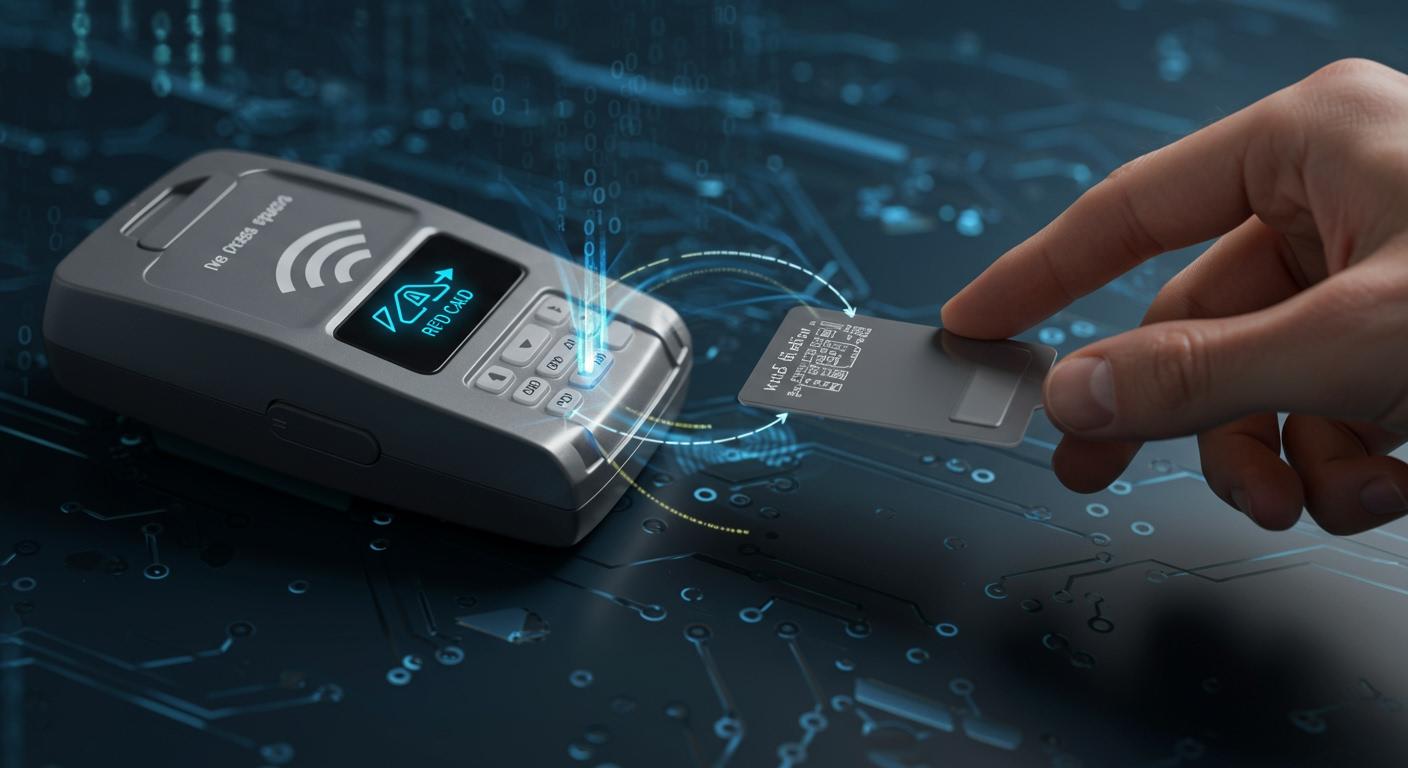
RFID reader/writer technology lets you read and write data on RFID tags. These devices help you add, change, or erase data on a tag’s microchip. This is important for jobs like keeping track of inventory and managing assets. RFID works by using radio waves to send signals between tags and readers. When you use RFID, you need tags, readers, antennas, and a host system. The process begins when the reader turns on a tag and gets its data. Then, the reader decodes the data. You can use RFID to make tasks automatic, track items, and check quality. To learn more, visit https://www.circuitbasics.com/what-is-an-rfid-reader-writer/.
RFID Basics
What Is RFID
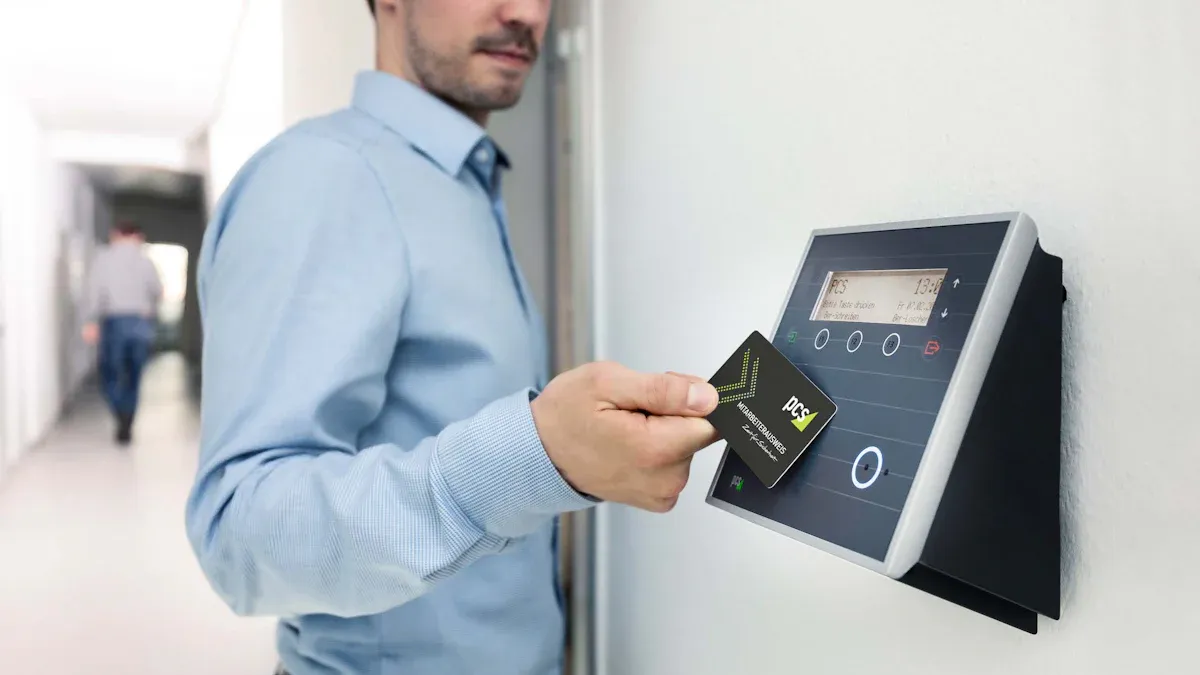
RFID stands for Radio Frequency Identification. You use this technology to identify and track objects without touching them. RFID uses radio waves to send information between a tag and a reader. You can find RFID in many places, like stores, libraries, and factories. This technology helps you keep track of items quickly and easily.
RFID systems have four main parts. Each part works together to help you collect and use data. Here is a table that shows the main components and how they interact:
Component | Description | Interaction |
|---|---|---|
RFID Tags | Small devices attached to objects for tracking, can be passive or active. | Store information and transmit it to RFID readers when activated. |
RFID Readers | Devices that emit radio waves to interact with RFID tags, capturing signals. | Capture signals from tags and send data to software systems for analysis. |
RFID Antennas | Essential for transmitting and receiving radio frequency signals. | Ensure accurate detection of RFID tags by improving signal quality and range. |
RFID Software | Manages communication between readers and data systems. | Transforms raw data into useful information, enabling real-time tracking and reporting. |
RFID tags hold a unique code. You attach these tags to items you want to track. RFID card readers send out radio waves. When a tag comes close, it picks up the signal and sends its code back to the reader. The reader then sends this data to software, which helps you see where your items are.
RFID works at different frequencies in different countries. Here is a chart that shows the most common frequency ranges:
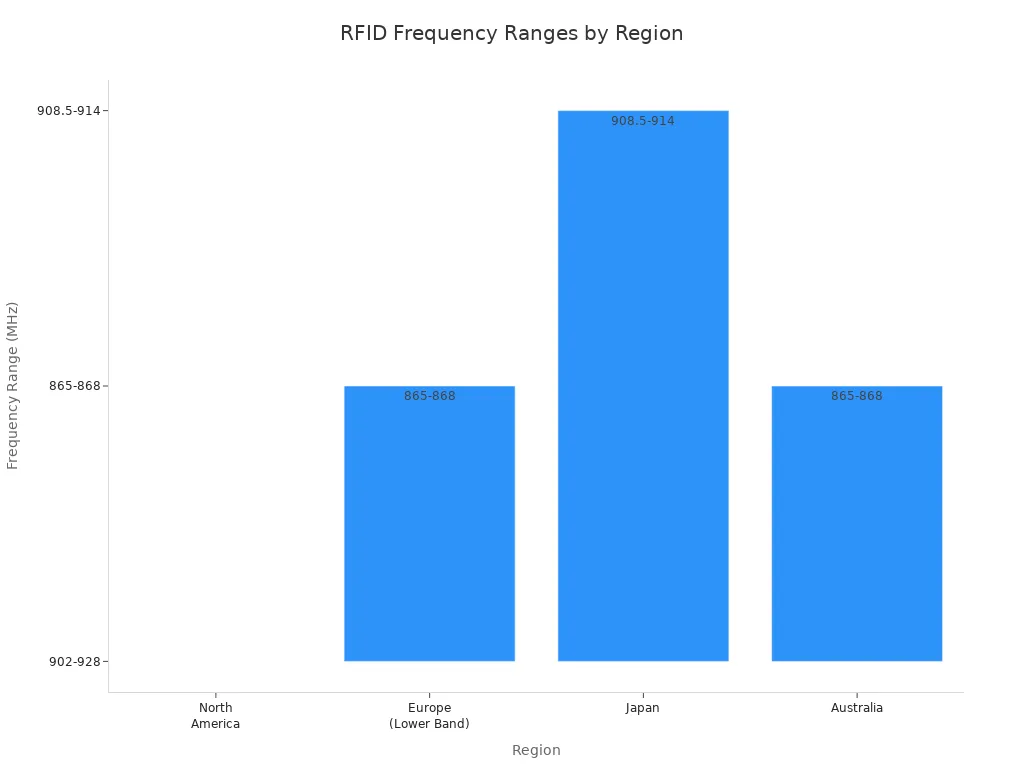
You can see that North America, Europe, Japan, and Australia each use their own frequency bands for RFID. These frequencies help you choose the right system for your needs.
How RFID Reader Writers Work
RFID reader writers do more than just read data. You can use them to change or add new information to RFID tags. This process is called writing rfid tags. When you use an RFID writer, you can update the tag’s data as often as you need.
Here is how the process works step by step:
Set up your RFID reader and connect it to your computer or mobile device.
Use the software to read the RFID tag and see its current code.
Choose the tag you want to update.
Enter the new data you want to write onto the tag.
The software changes your data into a format that the tag can understand.
Start the write process. The RFID writer sends the new data to the tag using radio waves.
Check to make sure the tag now has the new information.
Tip: Always make sure your RFID tags are writable before you try to update them. Some tags can only be read, not written.
RFID card readers and writers help you manage inventory, control access, and track assets. You can use them in many industries, such as retail, healthcare, and manufacturing. RFID technology lets you work faster and with fewer mistakes. When you use RFID, you do not need to see or touch the tag to read or write data. This makes your work easier and more efficient.
RFID systems give you real-time information. You can see where your items are at any moment. This helps you make better decisions and keep your operations running smoothly.
RFID System Types
LF, HF, UHF Differences
There are three main kinds of RFID systems. These are LF, HF, and UHF. Each one is good for different jobs. LF RFID uses a low frequency. It is used to track animals or check their health. HF RFID uses a higher frequency. You see it in hospitals and libraries. It helps track books and equipment. UHF RFID uses the highest frequency. It is best for fast inventory and shipment tracking.
Here is a table that shows how fast each RFID system can move data:
RFID Type | Data Transfer Rate |
|---|---|
Low Frequency (LF) RFID | Slow |
High Frequency (HF) RFID | Medium |
Ultra High Frequency (UHF) RFID | Fast |
UHF RFID moves data the fastest. This helps you handle big inventories quickly. LF RFID is slower but works well for animals. HF RFID is in the middle. It is good for schools and hospitals.
Different jobs use RFID in special ways. The table below shows where each system is used:
Industry | RFID System | Application |
|---|---|---|
Retail | UHF | Inventory management, anti-theft |
Logistics | UHF | Shipment tracking, warehouse management |
Healthcare | HF | Equipment tracking, patient records |
Agriculture | LF | Livestock tracking, animal health management |
Asset Management | UHF | Tracking valuable assets with UHF tags |
Education | HF | Library management, book tracking |
Apparel | UHF | Clothing inventory management, theft prevention |
Note: There are rules for using RFID in different places. You must keep data safe and private. This means using secure hardware and encryption. These rules are very important in healthcare and finance. Following them helps people trust your system.
Read vs Write Functions
RFID card readers help you read tag data. You use them to find items or check who they belong to. RFID writers let you change or add new data. Writing RFID tags means you put new details on the tag. You can erase old data and write new info.
You use RFID readers for quick checks and tracking. When you need to change data, you use a writer. This keeps your records correct and current. You can write new data many times. This makes RFID great for tracking and automation.
If you work in retail, logistics, or healthcare, RFID helps you a lot. You get fast data, good tracking, and can update info when you need.
Applications of RFID
Process Automation
You can use rfid to make work faster. It also helps you be more accurate. In factories, rfid tags go on products. rfid card readers watch each item as it moves. This lets you know where every product is. You can use rfid writer devices to change tag data at each step. This keeps your records up to date. It also helps you follow rules.
Here is a table that shows how rfid helps with process automation:
Application Area | Description |
|---|---|
Process Management | Put tags on products to track steps and follow rules. |
Warehousing and Transportation | Use readers on forklifts to make handling easier and more correct. |
Production Process Management | Get product data at workstations for sorting and showing batches. |
Management of Electroplating Racks | Watch racks with tags to record flow and time, which lowers defects. |
Note: You can write new data to rfid tags many times. This makes writing rfid tags good for tracking changes during production.
Asset Tracking
rfid technology helps you track assets right away. You put tags on tools, boxes, or machines. rfid card readers scan lots of items at once. You do not need to check each one by hand. This saves time and cuts down on mistakes.
You do less manual work, so records are better.
You make smart choices because you see everything quickly.
Here is a table that compares rfid with older tracking ways:
Benefit | rfid Technology | Traditional Methods |
|---|---|---|
Speed | Count hundreds of items every second | Scan each barcode one at a time |
Accuracy | High, with instant data | More mistakes from people |
Labor Reduction | Less manual work | More work by hand |
Real-time Visibility | Always know where things are | Not much tracking |
Tip: rfid asset tags let you change info as items move or change. This makes your tracking system strong and flexible.
Quality Control
You use rfid to make quality control better. rfid systems collect data by themselves. You spend less time typing and more time checking for problems. You can find issues on the line right away.
Benefit | Description |
|---|---|
Automated data collection | Get data without mistakes, so you can focus on checking. |
Improved inventory management | Track materials and products to avoid running out or having too much. |
Enhanced production monitoring | Watch the line live to catch problems and keep machines working. |
Seamless compliance | Keep clear records for audits and show you follow rules. |
Note: rfid technology gives you a strong audit trail. You can show proof of quality and follow rules with less work.
Device Types and Performance
Desktop, USB, Printer/Encoder
You can pick from different rfid card readers and writers. Each one is made for a special job. Here is a table that shows the main types and what they do:
Type of RFID Device | Use Cases |
|---|---|
RFID Writer | Inventory tracking, access control, asset management |
Fixed RFID Reader | Continuous monitoring in warehouses, logistics |
USB RFID Reader | Close-proximity encoding, single-tag operations |
Handheld RFID Device | Mobile inventory checks, field data collection |
RFID Printer/Encoder | High-volume tag encoding, printing labels simultaneously |
Desktop and USB rfid card readers are good for small jobs. You use them to read or write one tag at a time. These devices are small and easy to use. You can control how you enter data. Printer/encoder devices help you write many rfid tags at once. You can print and encode labels together. This saves time when you are busy.
Tip: Make sure you set clear read zones for desktop and USB readers. This helps you avoid scanning the wrong tag.
Range and Speed
The range and speed of rfid devices depend on the type you pick. You should know how far your reader can scan and how fast it works. Here is a table that shows the usual read range and speed for each rfid type:
RFID Type | Read Range | Speed Characteristics |
|---|---|---|
LF RFID | < 10 cm | Slower transmission, used in closed systems |
HF RFID | Up to 1 m | Faster transmission, good anti-interference |
UHF RFID | 3-5 m (up to 15 m) | Long range, used for tracking management |
Desktop and USB readers often use LF or HF rfid. These are best for close-up work. Printer/encoder devices also use HF for fast and correct tag writing. UHF rfid gives you a longer range and faster speed. This is helpful in big warehouses.
Data Accuracy
You want your rfid system to give you the right data every time. Many things can affect how well your device works. Where you put your tag, the angle of your reader, and things like water or metal can cause trouble. Big machines and bright lights can also make rfid not work as well.
To keep your data safe, you can use tags with simple codes. You can set passwords and lock your tags. Many systems use encryption to protect your data. Some rfid devices let you turn off tags after use. This keeps your data private.
Remember: Always check your setup to stop mistakes and keep your rfid system working right.
New rfid technology helps you get better results. New devices work faster and use less energy. Many companies now make eco-friendly products and try to make your work easier. You see more rfid in stores, factories, and even cities as governments buy new systems.
What Is an RFID Reader Writer?
Overview from CircuitBasics.com
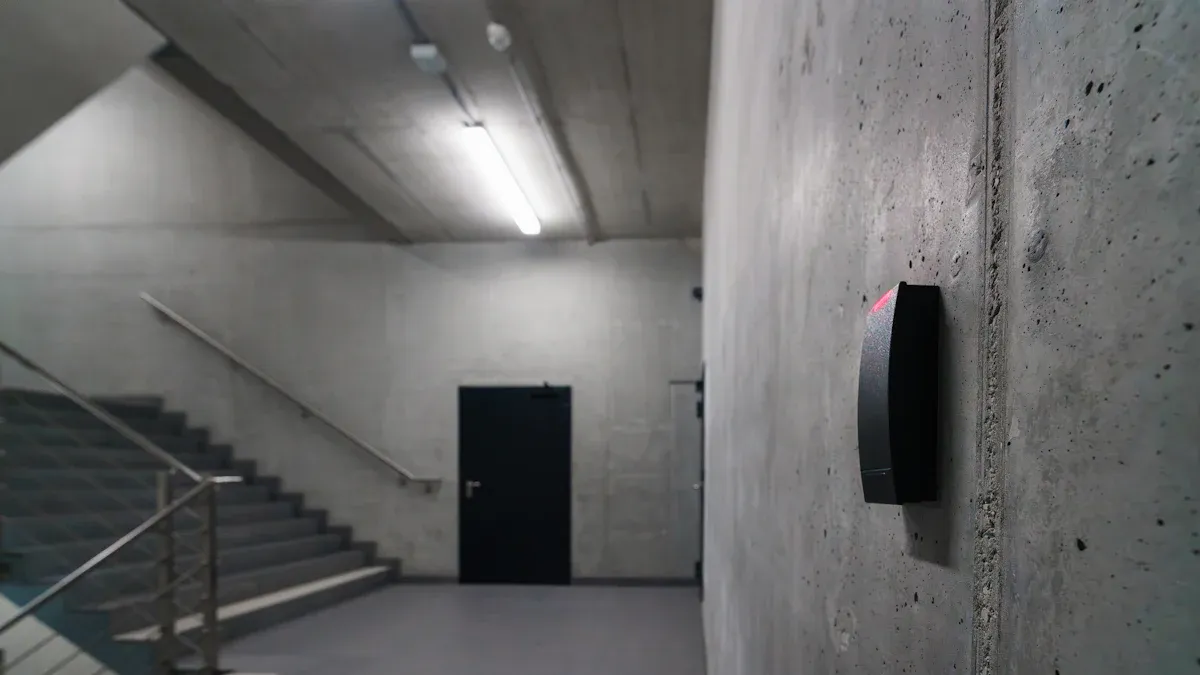
You can find a clear explanation of RFID reader/writer devices at https://www.circuitbasics.com/what-is-an-rfid-reader-writer/. This resource shows you how rfid systems help control access and keep places secure. You often see rfid card readers used for doors or gates. These devices work at frequencies between 3MHz and 30MHz, with 13.56MHz being the most common. When you use an rfid system, you usually have a reader, a card, and sometimes a small computer like a Raspberry Pi. The reader powers the card and reads its unique ID. You can also use the reader to write new information to the card. This lets you create new cards or update old ones. The guide at https://www.circuitbasics.com/what-is-an-rfid-reader-writer/ gives you step-by-step details on how to set up and use these devices.
RFID systems help you control who enters a building.
Most rfid card readers use the 13.56MHz frequency.
You need a reader, a card, and sometimes a Raspberry Pi to make the system work.
The reader can read the card’s ID and write new data to it.
You can follow the instructions at https://www.circuitbasics.com/what-is-an-rfid-reader-writer/ to learn more.
Key Takeaways
You use an rfid reader/writer when you need to both read and write data on rfid tags. This device stands out because it gives you a defined and limited reading and writing range. You can focus on one tag at a time, which helps you avoid mistakes. The compact design makes it easy to use for close-up work. You get better control over data entry because the device works well with encoding software. When you write data, you only talk to one tag at a time. This stops errors, like writing to the wrong tag if there are many tags nearby.
Tip: Always check the reading and writing range of your rfid reader/writer before you start. This helps you get the best results.
If you want to learn more about how these devices work, visit https://www.circuitbasics.com/what-is-an-rfid-reader-writer/. You will find clear guides and examples that show you how to use rfid card readers for both reading and writing tasks.
RFID reader/writer technology helps you find, change, and control items quickly and correctly. People use these devices in many places, like stores and factories. When picking an RFID reader/writer, think about what you need it for, how safe it is, and if it works with your other tools.
Picking a reader that can be updated later can help you save time and money.
Some problems are signal issues and making sure devices work together. You can fix these by planning well and using the right rules. RFID keeps getting better, with new things like earth-friendly tags and smarter ways to use data. Teach your team how to use RFID so everyone can do their best with it.
FAQ
What is the difference between an RFID reader and an RFID writer?
You use an RFID reader to get data from a tag. You use an RFID writer to change or add new data to a tag. Some devices can do both jobs.
How far can an RFID reader scan a tag?
Most RFID readers scan tags from a few centimeters up to 15 meters. The range depends on the type of RFID system you use.
Tip: UHF readers give you the longest range for tracking items in large spaces.
Can you reuse RFID tags after writing new data?
You can reuse many RFID tags. You erase old data and write new information as needed. This helps you track changes and save money.
Tag Type | Reusable? |
|---|---|
Passive Tag | Yes |
Active Tag | Yes |
Read-Only Tag | No |
What problems can affect RFID accuracy?
Metal, water, and strong lights can block signals. You should place tags away from these things. You also need to check your setup often to keep data correct.