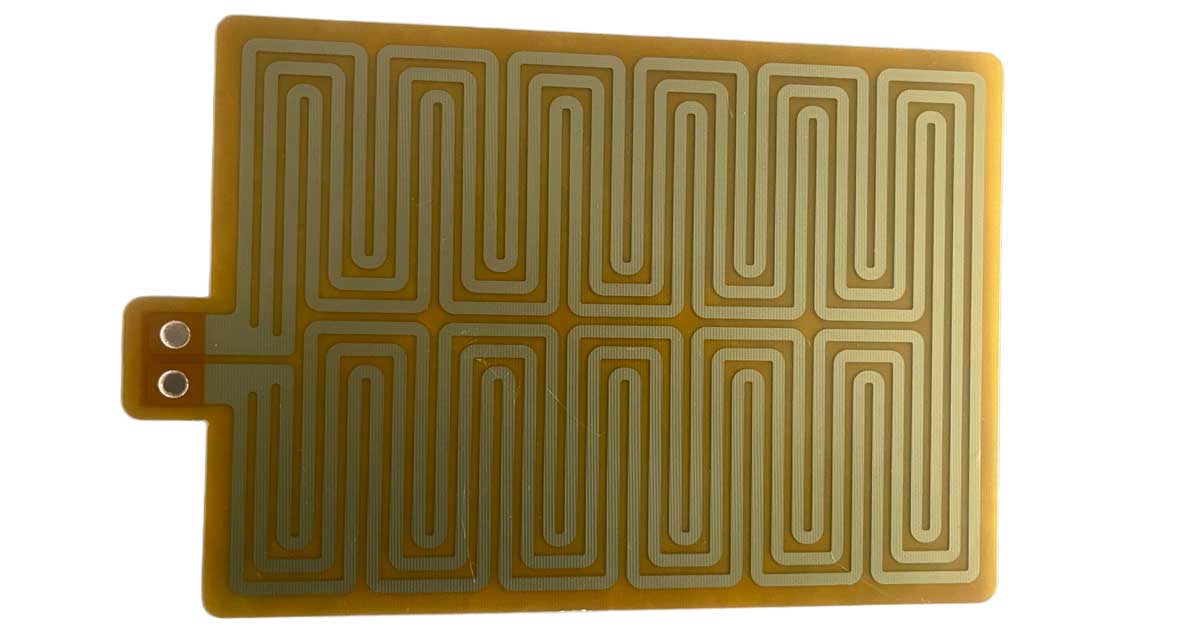
An epoxy resin heating plate is a specialized device designed to cure epoxy resin efficiently. By applying controlled heat, it accelerates the curing process, reducing time significantly compared to traditional methods. For instance, optimized cycles can achieve up to 72% faster curing times, as shown in the table below:
Method | Time Reduction (%) |
|---|---|
Optimized Cycle 1 | 38 |
Optimized Cycle 2 | 72 |
RTM6 Epoxy Resin | 33 |
3501-6 | 19 |
3501-6 | 45 |
This device ensures smooth, bubble-free finishes, making it indispensable in industries like manufacturing, electronics, and laboratories. Applications range from heating components in high-voltage apparatus to curing materials for medical equipment. Its precision and efficiency make it a vital tool for producing high-quality epoxy resin tables and other products.
Key Takeaways
Epoxy resin heating plates make resin harden faster with heat. They can cure resin up to 72% quicker than old methods.
These plates give smooth and bubble-free results, making them useful in electronics, cars, and medical tools.
Controlling the temperature is very important. It stops overheating and keeps results steady, protecting your work.
Using these plates saves energy and helps your tools last longer. This lowers costs and reduces repairs.
Taking care of the heating plate avoids problems like bubbles or cracks. This ensures your work looks great.
What is an Epoxy Resin Heating Plate?

Definition:
An epoxy resin heating plate is a device designed to cure epoxy resin by applying controlled heat. Its construction typically includes a flat, heat-resistant surface made from durable materials like aluminum or stainless steel. Beneath this surface, heating elements distribute heat evenly to ensure consistent curing. The plate often incorporates advanced temperature control systems, allowing you to set precise heat levels for optimal results. This functionality makes it ideal for creating high-quality products like epoxy resin tables or other resin-based items.
The basic functionality of an epoxy resin heating plate revolves around its ability to maintain uniform heat distribution. Epoxy resin acts as a sealing material for the heating elements, enhancing insulation and ensuring safety during operation. Some plates can withstand temperatures up to 250°C, making them suitable for demanding applications. Additionally, the inclusion of silica in the resin improves resistance to thermal shock, increasing the plate’s durability under varying conditions.
Materials and Technology:
The construction of an epoxy resin heating plate involves a combination of specialized materials and innovative technologies. The table below highlights the key components and their details:
Component | Details |
|---|---|
Epoxy Resin | 634# epoxy resin mixed with m-phenylenediamine in a 5:2 ratio |
Heating Process | Heating and pressurizing at 120°C for 4 hours |
Sealing Material | Natural mica sheet used for sealing |
Alternative Resin | 6207 epoxy resin with maleic anhydride as hardener |
Long-term Use Temperature | Can withstand up to 250°C |
Special Composition Formula | 634# epoxy resin 100 parts, Phthalic anhydride 35 parts, Quartz powder 150 parts, Dibutyl phthalate 15 parts |
Performance Improvement | Addition of silica enhances cold and thermal shock performance |
The heating mechanism relies on technologies like electric and hydronic systems. Electric heating is commonly used for epoxy resin heating plates, offering compatibility with various applications, including epoxy floors. Hydronic systems, which use liquid-based radiant heating, are another option for specific needs. These technologies ensure efficient heat transfer and precise temperature control, which are essential for curing epoxy resin effectively.
By using heat-resistant epoxy resin and advanced sealing materials, these plates achieve exceptional heat resistance and durability. The combination of innovative materials and technology ensures that the plates perform reliably, even under challenging conditions.
How Does an Epoxy Resin Heating Plate Work?
Working Principle:
An epoxy resin heating plate operates by evenly distributing heat across its surface to cure epoxy efficiently. The heating elements, embedded beneath the plate’s surface, generate consistent warmth. This ensures that the epoxy cures uniformly without creating bubbles or imperfections. The plate’s design minimizes temperature fluctuations, which is crucial for achieving a smooth finish.
Most heating plates work within specific temperature ranges to suit different types of epoxy. For standard applications, the recommended working temperatures fall between 70-80°F (21-27°C). However, you should avoid pouring epoxy above 95°F (35°C) to prevent overheating. The table below highlights the temperature resistance of various epoxy resins:
Type of Epoxy Resin | Temperature Resistance |
|---|---|
Standard Epoxy Resins | Up to 150°F (65°C) |
High-Performance Epoxy Resins | Higher than standard, varies |
By maintaining these temperature guidelines, the heating plate ensures optimal curing while preserving the resin’s integrity.
Temperature Control and Precision:
Temperature control is a critical feature of an epoxy resin heating plate. Advanced models include built-in thermostats or digital controllers that allow you to set the desired temperature with precision. This ensures that the heat remains consistent throughout the curing process.
Accurate temperature regulation prevents overheating, which could compromise the epoxy’s quality. For example, exceeding the maximum temperature for a specific resin type may lead to discoloration or structural weaknesses. With precise controls, you can achieve consistent results, whether you’re working on small-scale projects or industrial applications.
The plate’s heat resistance also plays a vital role in maintaining durability. High-quality plates can withstand temperatures up to 250°C, making them suitable for demanding tasks. This durability ensures that the plate performs reliably over time, even under continuous use.
By combining even heat distribution with precise temperature control, an epoxy resin heating plate provides the ideal environment for curing epoxy efficiently and effectively.
Applications of Epoxy Resin Heating Plates
Electronics Industry
Epoxy resin heating plates play a crucial role in the electronics industry. You can use them for potting and encapsulating electronic components, which helps protect sensitive parts from environmental damage. This process also enhances electrical insulation, ensuring the components function reliably. The adhesive properties of epoxy allow it to bond well with various surfaces, making it ideal for sealing applications.
Here’s how these plates are commonly used:
They serve as sealing materials for electric heating tubes.
They maintain temperature resistance, typically around 150°C, to ensure durability.
They require proper insulation of components before sealing to prevent electrical failures.
By using an epoxy resin heating plate, you can achieve precise temperature control, which is essential for soldering and surface mount technology (SMT). This ensures high-quality results in electronic component packaging and assembly.
Material Processing
In material processing, epoxy resin heating plates are indispensable for curing composite materials and resins. These plates provide consistent heat, which ensures uniform curing and prevents defects like bubbles or uneven surfaces. You can rely on them to produce high-quality epoxy resin tables and other resin-based products.
The controlled heat application also accelerates production cycles, making these plates a valuable tool in manufacturing. Whether you’re working with small-scale projects or large industrial processes, the even heat distribution ensures optimal results every time.
Mold Heating
Epoxy resin heating plates are widely used in mold heating for plastic and rubber molding processes. They ensure even heat distribution across the mold surface, which is critical for producing high-quality parts. Uneven heating can lead to defects, but these plates eliminate that risk by maintaining consistent temperatures.
You can use them to heat molds for various applications, including automotive parts, medical devices, and consumer goods. Their ability to withstand high temperatures and provide precise control makes them a reliable choice for demanding molding tasks.
Other Industries: Discuss possible applications in industries such as medical device manufacturing, automotive, etc.
Epoxy resin heating plates have found applications in a variety of industries beyond electronics and material processing. Their ability to provide consistent heat and precise temperature control makes them indispensable for manufacturing processes that demand accuracy and reliability.
In the automotive industry, these heating plates play a vital role in creating lightweight yet durable components. You can use them to cure resins for car bodies, which improves fuel efficiency by reducing overall weight. They are also essential for manufacturing parts like engine components, brake assemblies, and battery housings in electric vehicles. By ensuring uniform curing, these plates help produce high-quality parts that meet safety and performance standards.
The medical device industry also benefits from epoxy resin heating plates. These devices are used to cure resins for wearable medical devices and other precision instruments. The controlled heat application ensures that the materials maintain their structural integrity, which is critical for devices that come into contact with the human body. For example, heating plates are used to manufacture components for diagnostic equipment and surgical tools.
In aerospace, epoxy resin heating plates contribute to the production of lightweight yet strong parts, such as aircraft fuselages. These components must withstand extreme conditions, and the precise curing process provided by heating plates ensures their durability. Similarly, in renewable energy, these plates assist in manufacturing components for wind turbines and solar panels, where strength and reliability are paramount.
By leveraging the capabilities of epoxy resin heating plates, you can achieve consistent results across industries that demand precision and efficiency.
Benefits of Using Epoxy Resin Heating Plates
Efficiency
Epoxy resin heating plates significantly improve efficiency by providing faster heating times and uniform heat distribution. You can rely on these plates to cure resin evenly, which is essential for achieving high-quality results. Uneven heating often leads to issues like yellowing, discoloration, or poor adhesion. These problems can compromise the final product. By ensuring consistent heat application, heating plates eliminate cold and hot spots during the curing process. This uniformity is especially important when working on projects like an epoxy resin table, where smooth finishes are critical.
Heating plates also reduce curing time, allowing you to complete projects faster. For example, they are ideal for post-curing phases, where precise heat application ensures the resin sets properly. This efficiency not only saves time but also boosts productivity, making these plates indispensable for both small-scale and industrial applications.
Energy Savings
Compared to traditional heating methods, epoxy resin heating plates are more energy-efficient. Their advanced design minimizes energy waste by directing heat exactly where it is needed. This targeted approach reduces unnecessary energy consumption, helping you save on operational costs.
Additionally, the high heat resistance of these plates ensures they perform reliably without requiring excessive energy input. You can use them to cure resin at optimal temperatures without worrying about potential heat damage. This efficiency makes them an eco-friendly choice for businesses looking to reduce their carbon footprint while maintaining high productivity levels.
Precision Control
One of the standout features of epoxy resin heating plates is their precise temperature control. You can adjust the heat settings to match the specific requirements of your resin, ensuring consistent results every time. This level of control is crucial for preventing defects like bubbles or uneven surfaces.
Accurate temperature regulation also helps protect the surface of your workpiece from damage. For instance, when curing very hot items, the plate’s precision ensures the resin maintains its structural integrity. This reduces material wastage and improves the overall quality of your projects. Whether you’re working on intricate designs or large-scale productions, the precision offered by these plates guarantees reliable outcomes.
Extended Equipment Life: Reduces wear and tear on equipment, ensuring longer-lasting performance.
Using an epoxy resin heating plate can significantly extend the lifespan of your equipment. These plates protect against wear and tear by providing a smooth, non-porous surface that resists damage from harsh conditions. When you use them, you reduce the strain on your tools and machinery, ensuring they last longer and perform reliably.
One of the key benefits of epoxy resin heating plates is their ability to resist corrosion. The reinforced epoxy coatings shield your equipment from chemical attacks, maintaining its structural integrity over time. This protection is especially valuable in environments where exposure to chemicals or moisture is common. By preventing corrosion, you avoid costly repairs and replacements.
Here are some additional ways epoxy resin heating plates enhance equipment life:
Enhanced Durability: The coatings increase resistance to abrasion and impact, allowing your equipment to withstand heavy use.
Improved Thermal Efficiency: The smooth surface minimizes fouling, which enhances heat transfer and reduces energy consumption.
Cost-Effective Maintenance: You can apply these coatings directly to equipment, reducing downtime and avoiding the need for frequent replacements.
Increased Lifespan: Heat exchangers and evaporator plates benefit greatly, lasting much longer with proper epoxy coating.
When you invest in an epoxy resin heating plate, you also save money in the long run. The reduced need for maintenance and repairs lowers operational costs. Additionally, the improved thermal efficiency ensures your equipment operates at peak performance, further extending its usability.
By choosing a high-quality epoxy resin heating plate, you protect your tools and machinery from damage, ensuring they remain reliable for years. This not only boosts productivity but also provides peace of mind knowing your equipment is built to last.
Considerations When Choosing an Epoxy Resin Heating Plate
Size and Power Selection
Choosing the right size and power for your epoxy resin heating plate depends on your specific needs. Start by assessing the dimensions of the items you plan to cure. For larger projects, such as an epoxy resin table, you’ll need a plate with a wider surface area to ensure even heat distribution. Smaller plates work well for compact items or detailed tasks.
Power is another critical factor. Higher wattage plates heat up faster and maintain consistent temperatures for demanding applications. However, they may consume more energy. If you’re working on smaller-scale projects, a lower-wattage plate might be sufficient. Always match the plate’s power output to the heat requirements of your resin to avoid underperformance or overheating.
Temperature Control Precision
Temperature control is vital when working with epoxy. Different resins require specific curing temperatures, and even slight deviations can affect the final result. Look for a heating plate with precise temperature control features, such as digital thermostats or programmable settings. These tools allow you to maintain the exact heat level needed for your project.
For sensitive materials, consider plates with advanced control systems that minimize temperature fluctuations. This ensures uniform curing and prevents issues like bubbles or discoloration. Accurate temperature regulation is especially important for intricate designs or high-quality finishes.
Material Compatibility
Not all heating plates are compatible with every type of resin. Before purchasing, confirm that the plate can handle the specific resin you plan to use. Some plates are designed for standard epoxy, while others can withstand the demands of high-performance resins.
Check the plate’s maximum temperature rating and ensure it aligns with the curing requirements of your resin. Using an incompatible plate can lead to uneven curing or damage to the material. By selecting a plate tailored to your resin, you’ll achieve better results and extend the plate’s lifespan.
Epoxy resin heating plates offer precise temperature control, uniform heat distribution, and durability, making them essential for curing epoxy efficiently. You can use them across industries like electronics, automotive, and medical manufacturing to achieve high-quality results. Their ability to save energy and extend equipment life further enhances their value.
However, challenges like bubbling, inconsistent curing, or cracking can arise. Proper preparation and maintenance help prevent these issues. The table below outlines common challenges and solutions:
Challenge | Prevention Strategies | Solutions |
|---|---|---|
Bubbling | Prepare surfaces properly, check for moisture | Use a heat gun or blow torch to dissipate bubbles. |
Inconsistent Curing | Maintain temperature between 70-80°F, accurate mixing | Use a heater to regulate temperature and follow curing times. |
Cracking | Ensure proper mixing and ratios | Fix by getting the mixing right the first time. |
To ensure safety, always follow the manufacturer’s guidelines and inspect your equipment regularly. By doing so, you’ll maximize the performance and lifespan of your heating plate while maintaining consistent results.
FAQ
What is the ideal temperature for curing epoxy resin with a heating plate?
The ideal temperature for curing epoxy resin ranges between 70°F and 80°F (21°C to 27°C). Avoid exceeding 95°F (35°C) to prevent overheating. Always check the resin manufacturer’s guidelines for specific temperature recommendations.
Can you use an epoxy resin heating plate for other materials?
Yes, you can use it for curing composite materials, plastics, and rubber. Ensure the plate’s temperature range matches the material’s requirements to avoid damage or improper curing.
How do you maintain an epoxy resin heating plate?
Clean the surface after each use to remove residue. Inspect the heating elements regularly for wear. Follow the manufacturer’s maintenance instructions to ensure optimal performance and extend the plate’s lifespan.
Are epoxy resin heating plates energy-efficient?
Yes, they are more energy-efficient than traditional heating methods. Their design focuses heat directly on the material, reducing energy waste and lowering operational costs.
What safety precautions should you follow when using a heating plate?
Wear heat-resistant gloves and goggles. Ensure proper ventilation to avoid inhaling fumes. Never leave the plate unattended while in use. Follow the manufacturer’s safety guidelines for safe operation.