PCB warping is when a printed circuit board bends or twists. This can happen during making or using the board. You might see this problem from things like copper not spread out evenly. Using bad materials or not making the board right can also cause it. PCB warping can make soldering problems and make the board less reliable. To stop pcb warping, use balanced designs and good materials. You should also follow careful steps when making the board to keep it flat and strong.
Tip: Always look for early signs of pcb warping to stop big problems later.
Key Takeaways
PCB warping is when a circuit board bends or twists. This can cause problems when putting parts together. It can also make the board less reliable.
A balanced design with even copper layers helps keep the board flat. A symmetric stack-up also makes the board strong.
Using good materials with high heat resistance helps stop warping. Baking the board the right way also helps during manufacturing.
Check boards often for warping with simple tools like rulers. You can also look at them to find problems early.
You can fix small warps by baking and cold pressing. If a board stays bent, replace it to stop bigger problems.
PCB Warping Overview
Definition
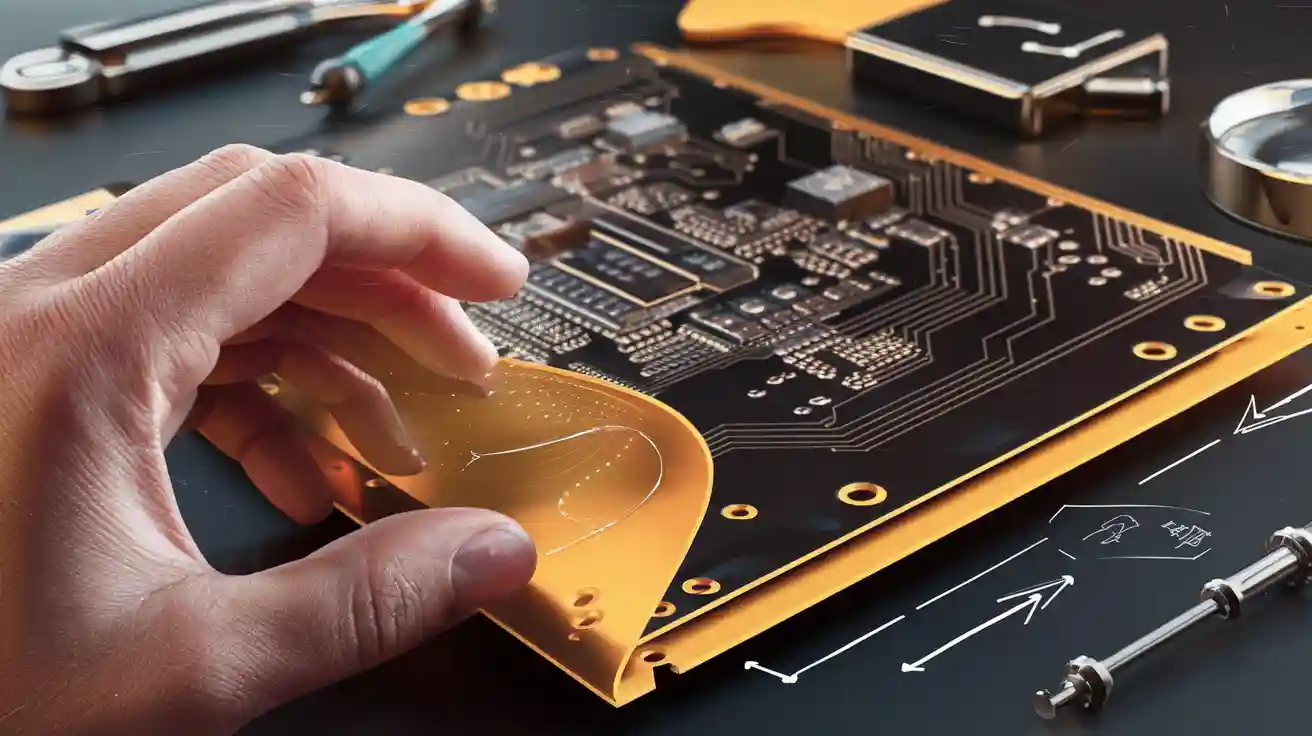
You may notice that a printed circuit board sometimes bends or twists. This problem is called pcb warping. When pcb warping happens, the board does not stay flat. You might see corners lifting or the whole board curving. This issue can cause trouble during assembly. Soldering parts onto a warped board becomes difficult. The connections may not line up right. Over time, pcb warping can make the board less reliable. Parts may break or stop working. You want your printed circuit board to stay flat so it works well in any device.
Note: A flat board helps you avoid problems with machines that place parts on the board. It also keeps your products working longer.
Industry Standards
You should know that the electronics industry sets rules for how much pcb warping is okay. The IPC, which is a group that makes standards for electronics, gives clear limits. For most printed circuit board assemblies, the IPC-A-600 standard says the board should not warp more than 0.75% of its length. If you work with surface mount technology, the limit is even tighter at 0.5%. These numbers help you check if your boards meet quality requirements. You can use simple tools like a ruler or a flat surface to measure warpage. Following these standards helps you make sure your printed circuit board will work well in real-world use.
Causes of PCB Warping
Design Factors
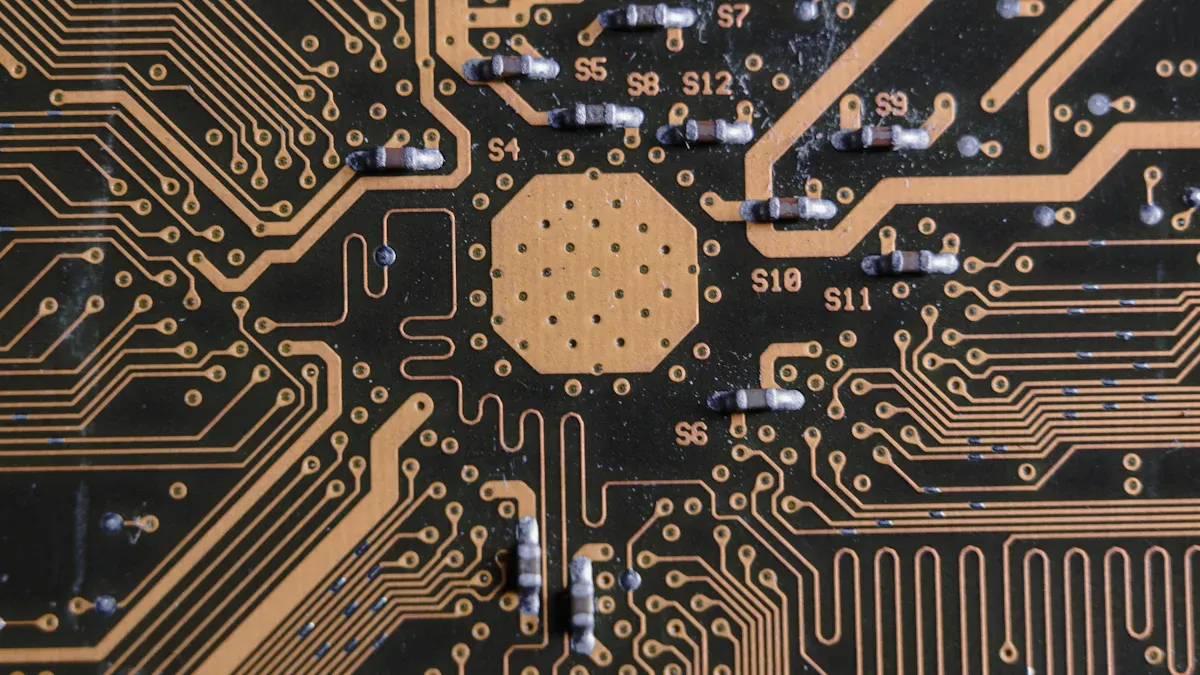
You help stop pcb warping when you design the board. The way you plan the board can make it bend or twist more. Some design choices can cause problems:
Uneven distribution of copper
If one side has more copper than the other, the board can bend. Copper and board material get bigger at different speeds when heated. Try to keep copper balanced on both sides.Asymmetric layer stack-up
Multi-layer boards need layers that match each other. If layers are not even, the board can bend while being made or used. Unbalanced layers often cause pcb warping.Hollowed-out or cut-out areas
Big holes or cut-outs make the board weaker. These spots cannot fight bending as well. Do not put large cut-outs near the edges or in flat areas.Component placement
Heavy parts on one side can make the board bend. This can move parts out of place during assembly. Spread heavy parts out to keep the board even.
Tip: Use design software to check for balance and symmetry before you finish.
Manufacturing Factors
How you make the board also matters. Many pcb warping problems start during manufacturing. Here are some main reasons:
Insufficient baking
If the board is not baked enough, water stays inside. When heated later, the water turns to steam and bends the board.Low TG materials
Low TG means the board gets soft at lower heat. This makes it easier to bend when hot during assembly.Deep V-CUT
V-CUTs help break boards apart. If the V-CUT is too deep, the board gets weak and bends easily.Thin plates
Thin boards bend more than thick ones. They need good support during making.Thermal expansion
Different materials get bigger at different rates when hot. This can bend the board if materials do not match well.Improper storage conditions
Storing boards in wet or hot places lets them soak up water or change shape. Keep boards in cool, dry spots to stop pcb warping.
Note: Watch temperature, humidity, and steps during making to avoid most pcb warping problems.
Knowing these causes helps you make better boards. Good design and careful making keep your printed circuit board flat and strong.
Prevent PCB Warping
Design Methods
You can stop pcb warping by making smart design choices. Focus on keeping the board balanced and even. Symmetry helps the board stay flat when made and used. Try to keep copper layers the same on both sides. If one side has more copper, the board may bend when it gets hot.
Use this table to check if your design is balanced:
Design Check | Yes/No |
|---|---|
Copper balanced on both sides? | |
Heavy components spread out? | |
Large cut-outs avoided? |
Do not use big cut-outs or hollow spots, especially at the edges. These weak places make the board bend more easily. Spread heavy parts across the board. This helps stop bending during assembly.
Design software can help you see where the board might bend. These tools show stress and heat spots. Change your design early to fix problems before they happen.
Tip: Always check for symmetry and copper balance before making your board.
Manufacturing Practices
Good ways of making boards help keep them flat. Pick strong materials with a high glass transition temperature (TG). These materials do not bend much when hot.
Bake the boards well before putting parts on them. Baking takes out water that can cause bending when heated. Use cold pressing after lamination to cool the board evenly and keep it flat.
Store boards in a cool, dry place. Keeping boards away from heat and wetness stops them from soaking up water or changing shape.
Follow these steps to help your boards:
Pick strong materials with high TG.
Bake boards to get rid of water.
Use cold pressing after lamination.
Store boards in cool, dry places.
Handle boards gently to stop bending.
Note: Careful handling and storage keep your boards safe before you use them.
If you follow these design and making tips, you can stop pcb warping and make your products work better.
Detection and Correction
Detection Methods
You need to check your printed circuit boards for warping before you use them. Early detection helps you avoid bigger problems later. You can use several simple methods to spot warping:
Visual Inspection: Place the board on a flat surface. Look for corners that lift or areas that do not touch the table. This quick check often finds obvious bends.
Ruler or Straightedge Test: Lay a ruler across the board. If you see gaps under the ruler, the board may have warped.
Measuring Tools: Use a dial gauge or height gauge for more precise checks. These tools measure how much the board bends.
Automated Optical Inspection (AOI): Some factories use machines to scan boards. AOI systems find small warps that you might miss by eye.
Tip: Regular checks help you catch warping early. You save time and money by fixing issues before assembly.
You play an important part in the role of inspection in preventing warping. Careful inspection at each step keeps your boards flat and reliable.
Correction Steps
If you find a warped board, you can try to fix it before using it. Here are some steps you can follow:
Re-bake the Board: Place the board in an oven at a controlled temperature. Baking removes moisture and can help the board return to its flat shape.
Cold Pressing: After baking, use a flat press to cool the board evenly. This step helps lock the board in a flat position.
Manual Flattening: For small bends, you can gently press the board by hand. Use caution to avoid cracking or damaging the board.
Replace Severely Warped Boards: If the board stays bent after these steps, replace it. Using a badly warped board can cause more problems later.
Correction Step | When to Use | Tools Needed |
|---|---|---|
Re-bake the Board | Moisture warping | Oven |
Cold Pressing | After baking | Flat press |
Manual Flattening | Small bends | Hands, flat surface |
Replace Board | Severe warping | None |
Note: Always check the board again after correction. Make sure it meets industry standards before moving to the next step.
You help stop PCB warping by making smart choices. Fix design and making problems early to keep boards flat. Doing things ahead of time lowers risk and saves time.
Remember: Good planning and careful work help a lot.
Quick Checklist for PCB Warping Prevention:
Keep copper and layers even in your design
Pick high TG materials
Bake and store boards the right way
Check boards before putting them together
Pay attention and use these tips to make better, stronger PCBs.
FAQ
What is the main reason for PCB warping?
You often see PCB warping when copper layers or board materials are not balanced. Uneven design or poor manufacturing steps cause most warping issues. Always check your design and materials before production.
Can you fix a warped PCB?
You can sometimes fix a warped PCB by baking it and using cold pressing. If the board stays bent, replace it. Using a badly warped board can cause more problems later.
How do you measure PCB warping?
You measure PCB warping by placing the board on a flat surface. Use a ruler or dial gauge to check for gaps or bends. Automated machines can also scan for warping.
Does board thickness affect warping?
Yes, thin boards bend more easily than thick ones. You should choose the right thickness for your design to help prevent warping.
What materials help prevent PCB warping?
You should use high TG (glass transition temperature) materials. These materials stay strong under heat and help keep your PCB flat.
Tip: Always choose quality materials and check your boards before assembly.