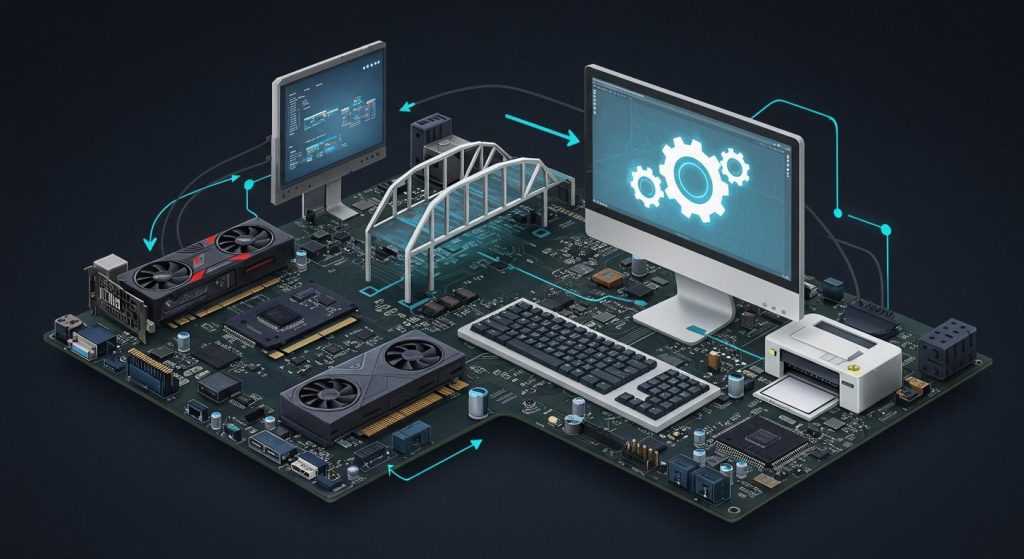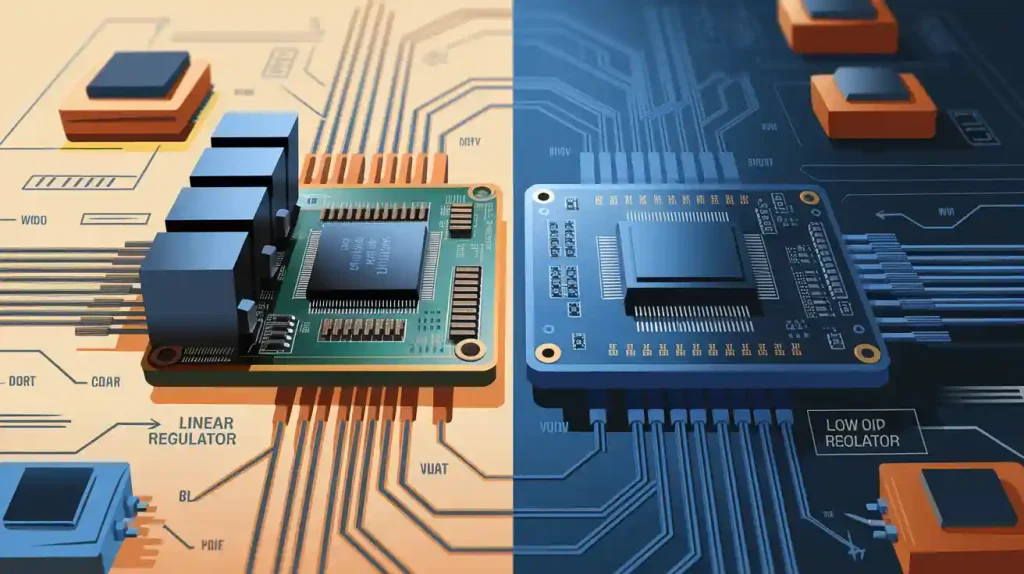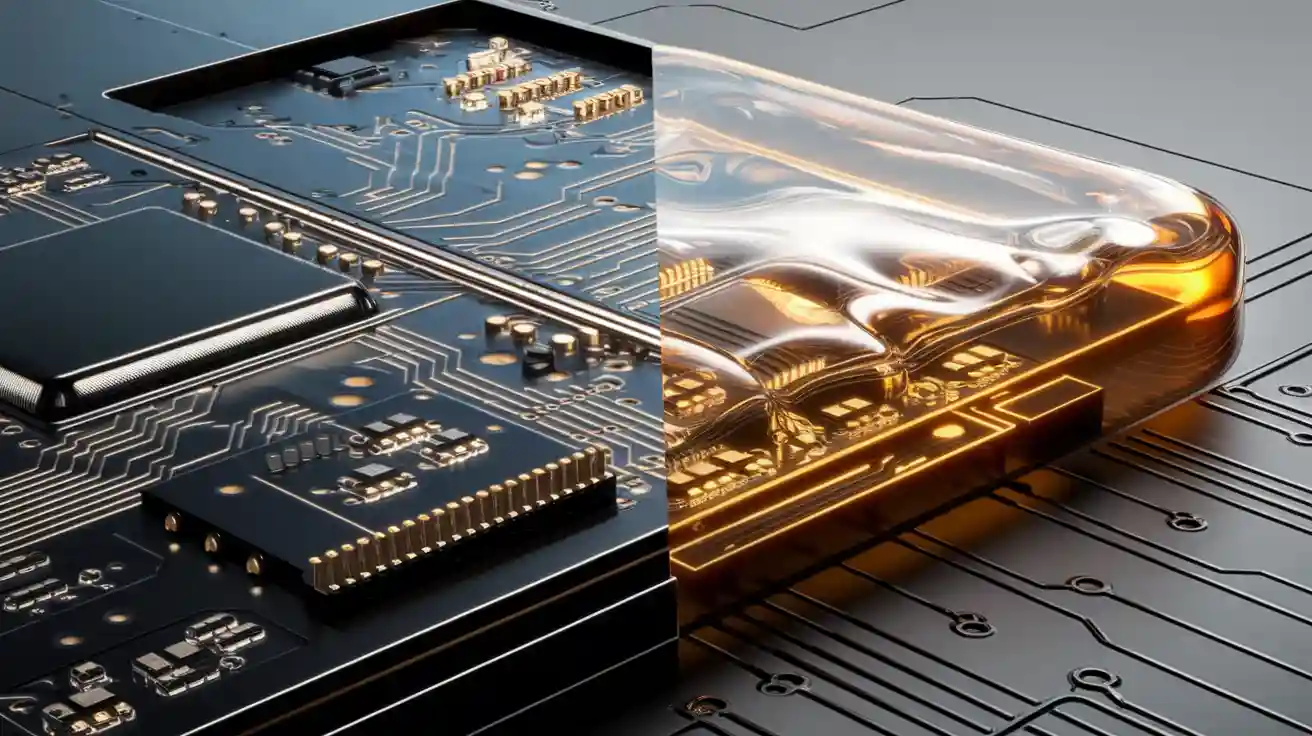
To keep a PCB protect, pick the right material. The choice depends on where and how it’s used. Coatings and resins protect circuit boards in different ways. Coatings are light and guard against the environment. Resins are strong and shield against physical damage. Knowing how these materials work helps protect your PCB while keeping it working well.
Key Takeaways
Pick the right PCB protection based on where it will be used. Use coatings to guard against water and dust. Use resins for stronger protection from chemicals and damage.
Learn about different coatings and resins. Acrylic coatings are simple to put on and take off. Epoxy resins are tough and resist heat, making them good for rough conditions.
Think about how to apply them. Coatings are easy to apply by hand or machine. Resins need careful work to avoid bubbles and spread evenly.
Consider repairs. Coatings are easier to remove and reapply. They work well for devices needing regular fixes. Resins protect better but are harder to repair.
Compare cost and availability. Coatings cost less and are easier to find. Resins protect better for tough jobs but cost more.
PCB Coatings: A Lightweight Way to Protect a PCB
What Are PCB Coatings?
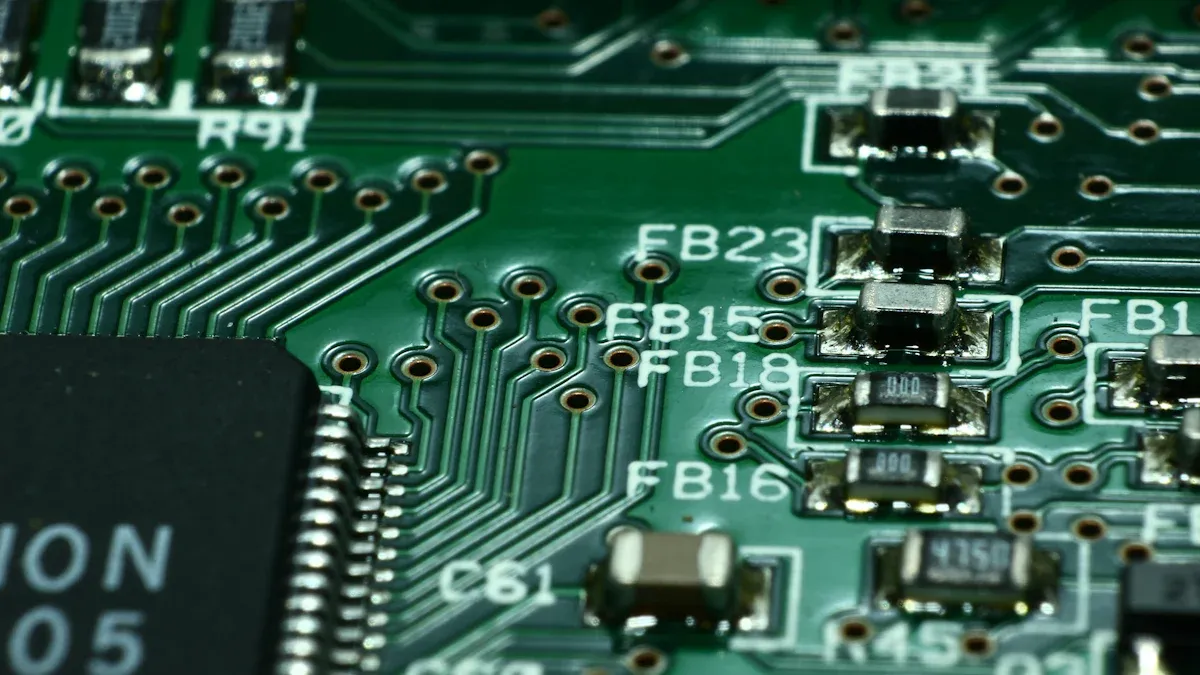
PCB coatings, also called conformal coatings, are thin layers. These layers protect PCBs from things like water, dust, and rust. Unlike potting, these coatings are light and don’t make the PCB bulky. This makes them great for devices where space and weight matter, like phones or spacecraft.
Tip: Conformal coatings work well against small risks like salt spray or damp air. They help your PCB last longer.
Types of PCB Coatings
There are different types of conformal coatings, each for specific uses. Common ones include:
Acrylic Coatings: Simple to use and remove, blocking moisture and dust.
Silicone Coatings: Handle heat well but are harder to take off.
Urethane Coatings: Resist chemicals and water but are tough to remove.
Epoxy Coatings: Strong against harsh conditions but hard to fix or take off.
Coating Type | Performance Metric | Observations |
|---|---|---|
Elastomeric Acrylate | Best performance | Sticks well in tough conditions, better than other coatings. |
Other Coatings | Variable performance | Break down more under moisture and flux exposure. |
Application Methods for Coatings
You can apply coatings in different ways based on needs:
Manual Spraying: Good for small jobs but needs skill for even results.
Automated Spraying: Best for large jobs, giving even coating thickness.
Selective Coating: Covers only needed areas, saving time and material.
Dipping: Coats both sides but needs care to avoid extra coverage.
Each method has pros and cons. Automated spraying is precise, while manual spraying is flexible for small tasks. Selective coating is fast and reduces waste for big projects.
Picking the right coating and method keeps your PCB safe. It also ensures the board works well without changing its design.
Advantages of PCB Coatings
PCB coatings have many benefits for protecting circuit boards. These thin layers shield PCBs from things like water, dust, and rust. Using conformal coatings helps your PCB last longer and work well in tough conditions.
Better Moisture Protection: Coatings block water from touching the PCB. This lowers the chance of rust and peeling, especially in wet places.
Stronger Insulation: Coatings improve insulation, reducing electrical problems in damp areas.
Stops Tin Whiskers: Proper coating thickness can stop tin whiskers from causing short circuits.
Chemical and Heat Shield: Materials like epoxy and silicone guard against heat and chemicals. This keeps your PCB working in harsh settings.
Handles Vibrations: Coatings keep parts steady in vibrating areas, making them last longer.
Tip: Apply coatings correctly and at the right thickness. This gives the best protection without changing the PCB’s design.
Disadvantages of PCB Coatings
Even though PCB coatings protect well, they have some downsides. These issues can make rework harder, raise costs, or cause material problems.
Hard to Rework: Removing coatings can be tricky and needs special tools. The method depends on the coating type.
Material Problems: Some removal chemicals might harm your PCB materials.
Hard to See Thin Coatings: Very thin coatings are hard to spot. They cost more and are less common due to secretive manufacturing.
Tricky to Apply: Getting even coverage takes skill. Manual methods can be uneven, and automated ones cost more for small jobs.
Note: Check rework needs and material fit before using coatings. This avoids problems during repairs or upkeep.
PCB Resins: A Strong Way to Protect Circuit Boards
What Are PCB Resins?
PCB resins are thick materials that shield circuit boards. They protect against tough conditions like moisture, chemicals, and damage. Unlike coatings, resins fully cover and seal the board. This process is called potting or encapsulation. It creates a solid layer that blocks harmful elements. Epoxy resins are especially good because they insulate well and handle heat and stress. Resins are great for devices that need to work reliably, like factory machines or car electronics.
Did you know? Resins not only protect but also help your PCB last longer by stopping rust and damage.
Types of PCB Resins
There are different kinds of PCB resins for various uses. Picking the right one depends on your needs:
Thermosetting Resins: These are flexible and often come as films. They work well for bendable circuits and mixed designs.
Thermoplastic Resins: These are harder and include materials like polyimide. They are less flexible but still protect well.
Epoxy Resins: These are strong and durable. They resist water, chemicals, and shocks, making them popular for potting.
Studies show that China may produce over 12 million tons of PCB resin waste by 2035. Old appliances like TVs and air conditioners are big contributors. Choosing eco-friendly resins can reduce this impact.
Application Methods for Resins
Resins need careful application to fully protect the PCB. Common methods include:
Manual Potting: Pour resin directly onto the board. This works for small projects but needs care to avoid bubbles.
Automated Dispensing: Machines spread resin evenly. This is best for large-scale jobs and ensures consistency.
Vacuum Encapsulation: Air is removed from resin before use. This prevents gaps and creates a strong seal. It’s ideal for high-reliability tasks.
Each method has pros and cons. Manual potting is cheap for small batches. Automated and vacuum methods are better for precise and reliable results.
Advantages of PCB Resins
PCB resins give strong protection to circuit boards. They work well in tough places and keep your PCB safe. Thick layers block water, chemicals, and damage. This helps your PCB perform well even in harsh conditions.
Stops Water Damage: Resins fully cover the PCB, keeping water out. This makes them great for wet or underwater devices.
Strong Against Shocks: Resins create a hard layer that absorbs bumps and shakes. This is helpful for electronics in cars or factories.
Protects from Chemicals: Resins block harmful chemicals, saving your PCB from spills or cleaners.
Handles Heat and Cold: Resins like epoxy can survive very hot or cold temperatures. This keeps your PCB working in extreme weather.
Lasts a Long Time: Resins stay strong over time, so you won’t need repairs often.
Tip: Use epoxy resin for tough jobs. It’s durable and handles stress well, making it a top choice for potting.
Disadvantages of PCB Resins
Even though resins protect well, they have some downsides to think about.
Problem | Details |
|---|---|
Hard to Break Down | Epoxy resins don’t break down easily, which makes recycling harder. |
Recycling Issues | Strong bonds in epoxy make it tough to recycle. |
Environmental Concerns | Using more epoxy raises worries about waste and protecting resources. |
Once applied, resins are hard to remove. Fixing or changing your PCB becomes tricky. Special tools and skills are needed, which can cost more.
Applying resins needs care and accuracy. If done wrong, air bubbles or uneven layers can form. This weakens the protection. Machines can help, but they cost more to use.
Note: Think about how resins affect the environment. Choose eco-friendly options to reduce waste and help the planet.
Coatings vs Resins: Picking the Best Way to Protect a PCB
Environmental Conditions and Protection
Think about the environment your PCB will face. Coatings, like conformal coatings, guard against water, dust, and rust. They act as a backup if the device’s case fails. For example, acrylic coatings work well in wet places, while silicone coatings handle heat better. These thin layers are great for devices with mild risks.
Resins give stronger protection. They fully cover the PCB, keeping out water, chemicals, and rust. Epoxy resins are perfect for outdoor or factory use where strong protection is needed. But, their thick layers can make devices heavier and bulkier.
Newer options, like 2K conformal coatings, combine the best of both. They protect like resins but are thinner and lighter. This makes them useful for jobs needing strength without extra weight.
Tip: Use resins for tough environments. For lighter risks, coatings work well and keep devices light.
Mechanical Stress and Durability
Mechanical stress can harm your PCB. Coatings and resins handle this differently. Conformal coatings are flexible and absorb small vibrations. They stop parts from coming loose, making them good for gadgets with mild stress, like phones.
Resins are better for heavy stress. Their hard layers protect against shocks and bumps. For example, tests show resins can handle impacts over 3000 g, even up to 10,000 g in extreme cases. This toughness is key for cars or airplanes.
Testing Method | Focus Area | Description |
|---|---|---|
MIL-STD-810G Method 501.5 | Thermal failures | Tests high heat for solid-state devices. |
MIL-STD-810G Method 503.5 | Board-level failures | Checks for cracks in pads, vias, and solder. |
Note: Pick resins for high-stress jobs. Coatings are fine for lighter stress.
Weight and Thickness Considerations
The weight and thickness of protection matter for your device’s design. Coatings are thin and light, making them great for portable gadgets like phones. They protect well without adding much weight.
Resins are thicker and heavier but offer better protection. This can be a problem for portable devices. However, thicker PCBs with resin can handle more power, manage heat better, and resist bending. These features are useful for high-power or stressed devices.
Did you know? Thicker PCBs with resin last longer by spreading heat and stopping damage.
When choosing, balance weight and protection. Coatings are best for light designs. Resins are better for tough, heavy-duty uses.
Ease of Application and Repair
Choosing between coatings and resins depends on how easy they are to apply and fix. Coatings are simpler to use and repair than resins. You can apply them using manual spraying, automated spraying, or dipping. Manual spraying works for small projects but needs skill for even coverage. Automated spraying is better for big jobs because it gives a uniform layer.
Resins need more care during application. Methods like manual potting or vacuum encapsulation must avoid bubbles or uneven layers. Once applied, resins create a hard layer that’s tough to remove. Fixing them is harder and often needs special tools and skills.
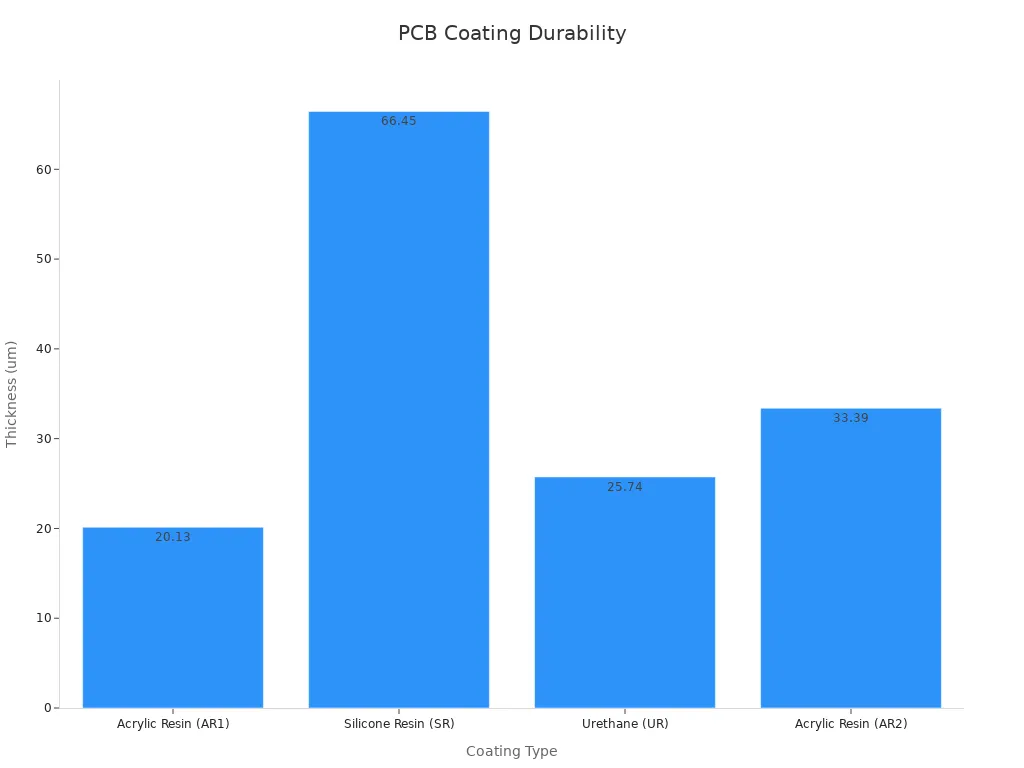
Studies show dry-spray methods for coatings make thicker, even layers. This improves Surface Insulation Resistance (SIR). Silicone coatings are great for tall parts, making them ideal for complex designs. Urethane coatings work best in thick layers, showing how technique affects protection.
Tip: Pick coatings if you expect frequent repairs. They’re easier to remove and reapply. Use resins for places where strength matters more than fixing.
Cost and Availability
Cost and availability are important when choosing coatings or resins. Acrylic coatings are cheaper and easier to find. By 2033, their market may grow to $800 million. They’re affordable and work well, making them popular for small electronics.
Resins cost more but protect better. Applying them needs special tools, which adds to the price. Epoxy resins are harder to recycle, raising environmental concerns. As demand grows, sustainability becomes a bigger issue.
Coatings are more available than resins. Their simple use and lower cost make them common in many industries. Resins are used for tough jobs like car or factory electronics because they last longer.
Note: If you need a budget-friendly option, choose coatings. They protect well at a lower cost. For tough conditions, resins are worth the extra money.
Both coatings and resins protect your PCB from damage. Coatings are light and work in simple, less risky places. They are easy to use and fix, perfect for portable gadgets. Resins are tougher and guard against chemicals, stress, and bad weather. They last longer and are great for factories or outdoor use. To pick the right one, think about where your device will be. Also, consider how strong it needs to be and how much you can spend. This helps keep your PCB safe and working well.
FAQ
1. What is the main difference between PCB coatings and resins?
Coatings are thin and light, protecting against water and dust. Resins are thick and strong, guarding against chemicals and damage. Use coatings for small devices and resins for tough jobs.
2. Can you repair a PCB after applying resin?
Fixing a PCB with resin is hard. Resins create a solid layer that needs special tools to remove. Coatings are simpler to take off and reapply, making them better for devices needing repairs often.
3. Are coatings or resins better for high-temperature environments?
Resins, like epoxy, handle heat better than coatings. Silicone coatings resist heat but aren’t as strong. Pick resins for devices facing long-term heat or stress.
4. Which method is more cost-effective for PCB protection?
Coatings cost less and are easier to find. They work well for basic protection. Resins are pricier because they last longer and need careful application. Use coatings for cheaper projects and resins for important tasks.
5. How do I decide between coatings and resins for my PCB?
Think about your PCB’s environment, stress, and repair needs. Coatings are good for light devices in safe places. Resins work best for heavy electronics in tough conditions. Check your budget and needs before choosing.