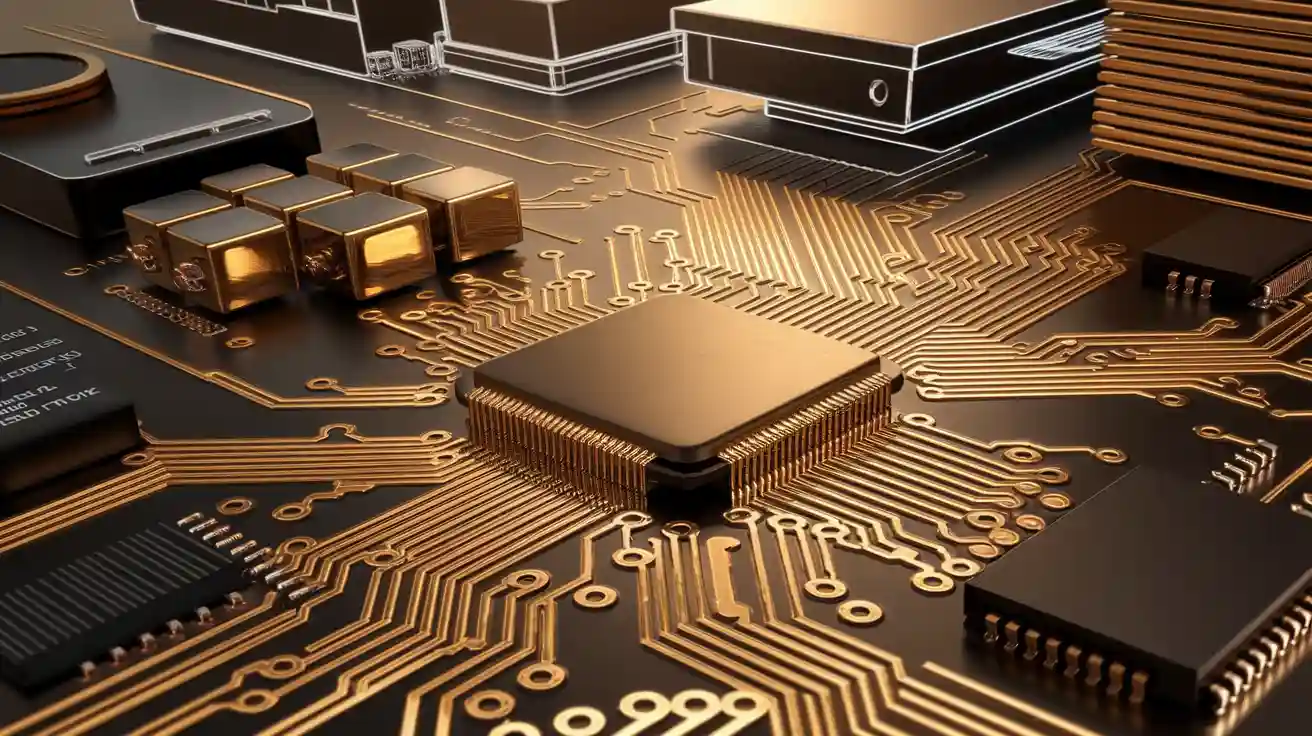
Thick gold PCBs use a special way called gold plating. This adds a layer of gold to the pcb surface. This method gives the pcbs great protection from rust. It also makes them conduct electricity very well. Many industries pick these pcbs because gold plating keeps important connections safe. Gold plating also makes the pcb stronger. This helps it last longer in tough places. Engineers often choose thick gold plating for parts used many times. They also pick it for parts that must work very well. The gold layer helps signals stay steady. It also lowers electrical loss. Gold plating is a big reason why thick gold pcbs are used in the Best Applications in modern electronics.
Thick gold plating means more gold. This helps the pcb fight damage and keeps connections safe.
Key Takeaways
Thick gold PCBs have a thick gold layer. This layer keeps circuits safe from rust and damage. It helps them last longer in hard places.
Gold plating helps electricity move better. It keeps signals strong and stops power loss. This is very important for advanced devices.
There are different gold plating types like hard gold and ENIG. Each type has a special job. They balance being tough, smooth, and bendy.
Making thick gold PCBs needs careful control and smart methods. This helps save money and keeps the boards high quality and dependable.
Thick gold PCBs are used in many areas. These include cars, medicine, space, telecom, and electronics. They are chosen for their strength and good connections.
Gold PCB Overview
Construction
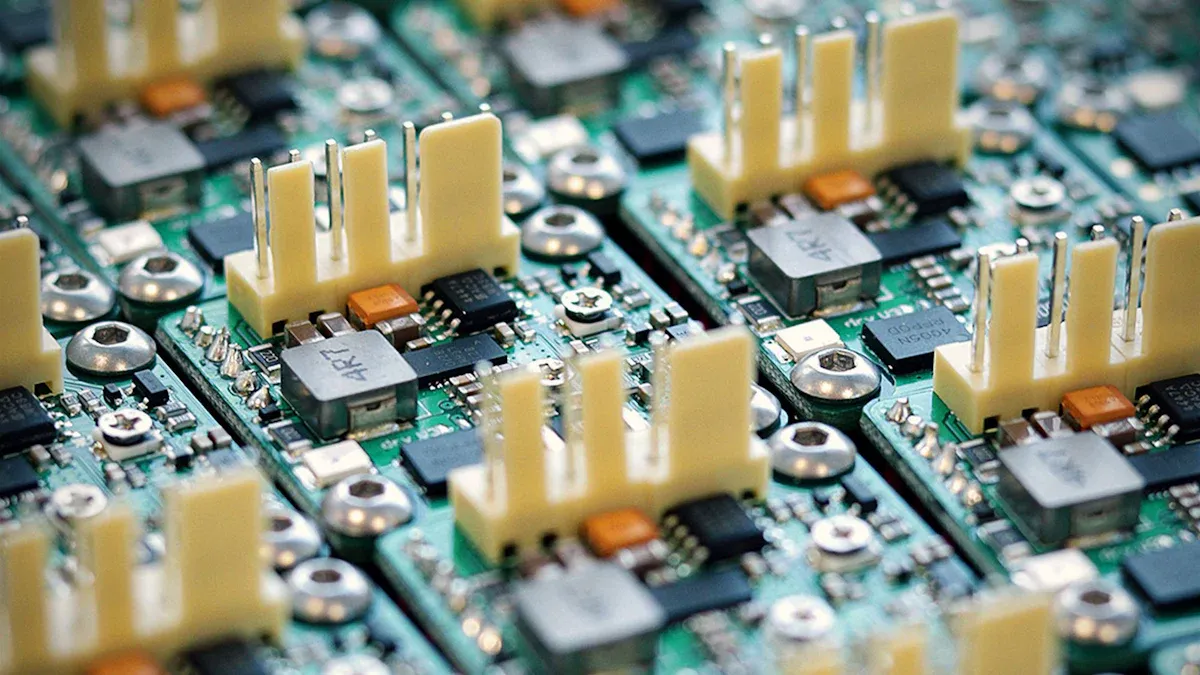
A gold pcb uses a special process to add gold to the surface of the circuit board. Manufacturers start with a base pcb made from fiberglass and copper. They clean the surface to remove dust and oil. Next, they use gold plating to cover certain areas of the pcb. This step often uses nickel as a base layer before adding the gold. The gold layer can be thick or thin, depending on the needs of the circuit. Some printed circuit boards need extra gold for better performance. The gold plating covers pads, fingers, and other contact points on the circuit boards. This process helps the pcb resist damage from air and moisture.
Tip: Gold plating makes the circuit more reliable and helps it last longer.
Key Properties
Gold pcb products show many strong features. Gold does not rust, so the circuit boards stay safe in harsh places. The gold plating gives the pcb very high conductivity. This means electricity moves easily through the circuit. Gold also makes the surface smooth, which helps with soldering and connecting parts. Many pcbs use gold plating for parts that get used many times, like edge connectors. The gold layer protects the circuit from wear and tear. Gold pcb designs often appear in high-end electronics because they need stable signals. The gold also keeps the circuit safe from chemicals and heat. These properties make gold pcb products a top choice for important printed circuit boards.
Gold plating gives strong corrosion resistance.
Gold pcb designs offer stable electrical performance.
Circuit boards with gold last longer in tough conditions.
Gold helps the circuit handle high currents and fast signals.
Features of Gold Plating for PCBs
Types of Gold Plating
Gold plating for pcbs uses a few different ways. Each way gives special benefits to gold plated pcbs. Engineers choose the best way for each job.
Hard Gold (Electroplated Gold)
Hard gold plating puts a thick, tough gold layer on the surface. This method uses electricity to stick gold to the circuit. Hard gold plating helps the pcb last longer. Gold finger pcbs use hard gold because it can handle lots of use. Hard gold pcb designs let electricity move well and stay strong. Edge connectors and control boards often use hard gold. These gold plated boards keep working after heavy use.
ENIG (Electroless Nickel Immersion Gold)
ENIG means Electroless Nickel Immersion Gold. This process makes a flat, smooth gold layer over nickel. ENIG gold plating helps stop rust and makes soldering easy. Many high-density pcbs use ENIG for small parts and BGA pads. Server motherboards, medical tools, and communication gear use this type. An immersion gold board gives steady signals and lasts a long time.
Other Gold Plating Types
Some gold plated pcbs use selective gold plating. This way puts gold only where it is needed most. Soft gold plating is best for wire bonding in chips and space parts. Soft gold plating is also used in wire bonding pads and special electronics. Gold plated boards with soft gold are flexible for special jobs.
Conductivity
Gold plating lets pcbs carry electricity very well. Gold helps electricity move fast with little loss. Hard gold pcb and gold finger pcbs use gold for strong conductivity. Soft gold plating also helps signals in sensitive circuits.
Corrosion Resistance
Gold plating keeps the pcb safe from rust and harm. Hard gold and ENIG both protect well from corrosion. Gold plated pcbs last longer in tough places. Soft gold plating also keeps the circuit safe from chemicals.
Durability
Gold plating makes the pcb strong. Hard gold plating gives the most strength for gold finger pcbs and connectors. Soft gold plating adds strength for wire bonding and special parts. Gold plated pcbs keep working after many uses.
Note: Gold plating for pcbs makes them conduct better, resist rust, and last longer. Each gold plating type fits a special need in gold plated pcbs.
Gold Plating Type | Best For | Key Benefit |
|---|---|---|
Hard Gold Plating | Gold finger pcbs, connectors | Wear resistance |
ENIG | SMT, BGA pads | Flat, smooth surface |
Soft Gold Plating | Wire bonding, aerospace | Bonding flexibility |
Manufacturing Challenges and Cost Considerations
Technical Challenges in Thick Gold PCB Production
Precise Gold Thickness Control
Engineers must watch the gold thickness on each pcb. If there is too much gold, it costs more. If there is too little, connections can be weak. Hard gold plating needs careful checks to keep the layer even.
Uniform Plating Across Large Surfaces
Big pcbs need gold spread out evenly. If gold is not even, the pcb may not work well. Special machines help spread gold smoothly on every part.
Adhesion and Surface Preparation
Gold must stick well to the pcb. Workers clean the surface before adding gold. Good sticking keeps the gold from peeling off later.
Avoiding Gold Waste and Overplating
Gold costs a lot of money. Experts try not to waste gold. Hard gold plating and selective gold plating use gold only where it is needed.
Maintaining High Reliability Standards
Strong gold plating is needed for reliable pcbs. Hard gold plating makes the pcb last longer. Teams test each pcb to make sure it meets tough rules.
Cost Drivers in Thick Gold PCB Manufacturing
Raw Material Costs (Gold and Nickel)
Gold and nickel are expensive materials. Using more gold makes the pcb cost more.
Process Complexity and Equipment Investment
Hard gold plating and selective gold plating need special machines. These machines are expensive to buy and fix.
Yield Losses and Quality Assurance
If a pcb fails during gold plating, it cannot be used. Checking quality helps stop waste but adds to the cost.
Customization and Low-Volume Production
Custom pcbs or small batches need special setups. This makes making pcbs cost more money.
Environmental and Regulatory Compliance
Gold plating makes waste. PCB makers must follow rules to protect the environment.
Strategies for Cost Optimization
Selective Gold Plating Techniques
Selective gold plating puts gold only where it is needed. This saves gold and lowers the cost.
Process Automation and Quality Control
Automated machines help control gold plating. They make pcb production faster and more exact.
Supplier Collaboration and Bulk Purchasing
Buying gold and nickel in large amounts can save money. Working with good suppliers helps teams spend less.
Design for Manufacturability (DFM)
Engineers design pcbs to use less gold. DFM helps stop waste during gold plating.
Balancing Performance with Budget Constraints
Teams pick the best gold plating for each job. They balance cost and performance for each use.
Tip: Working with skilled pcb makers helps with both technical and money problems.
Best Applications of Thick Gold PCBs
Thick gold PCBs are used in many high-tech areas. These boards use gold plating to make them last longer and work better. Many companies use gold finger pcbs for important jobs. Gold helps keep connections strong and steady. Here, we look at where thick gold PCBs are used most.
Automotive Electronics
Cars need parts that work well and last long. Thick gold PCBs help cars run safely.
Engine Control Units (ECUs)
Engine control units use gold finger pcbs to control the engine. Gold plating helps these units send signals and last longer.
Anti-lock Braking Systems (ABS)
ABS uses gold to help brakes work fast and right. Gold finger pcbs stop signal loss in safety systems.
Airbag Control Modules
Airbag modules need gold for quick action. Gold finger pcbs keep connections working in emergencies.
Infotainment Systems
Infotainment systems use gold finger pcbs for good sound and video. Gold plating helps them last through daily use.
Advanced Driver Assistance Systems (ADAS)
ADAS needs gold for sending data quickly. Gold finger pcbs help with lane keeping and alerts.
Transmission Control Modules
Transmission modules use gold finger pcbs for high currents. Gold plating keeps them working in hard places.
Electric Vehicles
Electric vehicles need safe and strong electronics. Thick gold PCBs help these cars work their best.
Battery Management Systems (BMS)
BMS uses gold finger pcbs to control batteries safely. Gold helps handle high currents and stops rust.
On-board Chargers
On-board chargers use gold for steady power. Gold finger pcbs keep charging systems working well.
Power Inverters
Power inverters use gold finger pcbs for energy changes. Gold plating helps with high-frequency signals.
Electric Drive Controllers
Drive controllers use gold for fast control. Gold finger pcbs help handle heavy loads.
Charging Stations
Charging stations use gold finger pcbs for safe charging. Gold plating stops damage from weather.
Medical Devices
Medical devices must be safe and work every time. Thick gold PCBs help these tools do their job.
Patient Monitoring Systems
Patient monitors use gold finger pcbs for steady signals. Gold plating keeps readings correct.
Diagnostic Imaging Equipment
Imaging tools use gold for fast, clear data. Gold finger pcbs help make sharp images.
Implantable Devices
Implantable devices use gold for safety in the body. Gold finger pcbs keep these devices safe inside people.
Surgical Instruments
Surgical tools use gold finger pcbs for long use. Gold plating stops damage from cleaning.
Laboratory Analyzers
Lab analyzers use gold for steady work. Gold finger pcbs help give good results.
Industrial Equipment
Factories need strong electronics to keep machines running. Thick gold PCBs help with this.
Programmable Logic Controllers (PLCs)
PLCs use gold finger pcbs for fast control. Gold plating helps them last longer.
Motor Drives
Motor drives use gold for high currents. Gold finger pcbs keep motors running well.
Robotics Controllers
Robotics controllers use gold finger pcbs for exact moves. Gold plating helps with fast signals.
Power Distribution Units
Power units use gold for safe power flow. Gold finger pcbs stop damage from heat and chemicals.
Industrial Sensors
Sensors use gold finger pcbs for correct readings. Gold plating keeps sensors working in tough places.
Aerospace & Defense
Aerospace and defense need the best reliability. Thick gold PCBs help in hard conditions.
Avionics Systems
Avionics use gold finger pcbs for steady signals. Gold plating stops problems from shaking and heat.
Radar Modules
Radar modules use gold for high-frequency signals. Gold finger pcbs help find objects fast.
Satellite Communication Equipment
Satellites use gold finger pcbs for long use. Gold plating keeps connections strong in space.
Flight Control Systems
Flight controls use gold for exact data. Gold finger pcbs help pilots fly safely.
Navigation Systems
Navigation systems use gold finger pcbs for good signals. Gold plating stops wear and interference.
Telecommunications
Telecom systems need fast, steady connections. Thick gold PCBs help move data quickly.
Base Station Equipment
Base stations use gold finger pcbs for steady links. Gold plating helps with lots of data.
Network Switches
Switches use gold for fast signals. Gold finger pcbs keep networks working well.
Fiber Optic Transceivers
Transceivers use gold finger pcbs for clear signals. Gold plating helps with high-speed data.
Routers
Routers use gold for steady data flow. Gold finger pcbs stop signal drops.
Signal Repeaters
Repeaters use gold finger pcbs for strong signals. Gold plating keeps signals clear over distance.
Consumer Electronics
Everyday devices need small, strong connections. Thick gold PCBs help these products last.
Smartphones
Smartphones use gold finger pcbs for fast charging and data. Gold plating keeps connections steady.
Wearable Devices
Wearables use gold for small, strong circuits. Gold finger pcbs help resist sweat and movement.
Tablets
Tablets use gold finger pcbs for fast data. Gold plating helps them work smoothly.
Gaming Consoles
Consoles use gold for fast signals. Gold finger pcbs help stop lag and glitches.
Smart Home Devices
Smart home devices use gold finger pcbs for good control. Gold plating keeps them working in every room.
Computing & Data Centers
Computers and servers need fast, steady connections. Thick gold PCBs help with this.
Graphics Cards
Graphics cards use gold finger pcbs for fast data. Gold plating helps with heavy work.
Memory Modules
Memory modules use gold for quick signals. Gold finger pcbs keep data safe.
Server Motherboards
Server boards use gold finger pcbs for long use. Gold plating stops heat and stress damage.
Storage Devices (SSDs)
SSDs use gold for safe, fast storage. Gold finger pcbs help stop data loss.
Network Interface Cards
Network cards use gold finger pcbs for fast links. Gold plating helps networks stay steady.
Oil & Gas Industry
Oil and gas tools need strong electronics for hard jobs. Thick gold PCBs help these tools work well.
Downhole Tools
Downhole tools use gold finger pcbs for heat and pressure. Gold plating keeps signals steady underground.
Pipeline Monitoring Systems
Monitoring systems use gold for good data. Gold finger pcbs help stop leaks and failures.
Drilling Equipment Controllers
Drilling controllers use gold finger pcbs for strong links. Gold plating stops mud and chemical damage.
Gas Detection Devices
Gas detectors use gold for correct readings. Gold finger pcbs help keep workers safe.
Remote Terminal Units (RTUs)
RTUs use gold finger pcbs for outdoor use. Gold plating stops weather and rust damage.
Renewable Energy
Solar and wind systems need safe, lasting connections. Thick gold PCBs help give clean energy.
Solar Inverters
Solar inverters use gold finger pcbs for power changes. Gold plating helps with high currents.
Wind Turbine Controllers
Turbine controllers use gold for steady signals. Gold finger pcbs help turbines work in all weather.
Energy Storage Systems
Storage systems use gold finger pcbs for safe power. Gold plating helps batteries last longer.
Power Optimizers
Optimizers use gold for exact control. Gold finger pcbs help get more energy.
Grid Interface Modules
Grid modules use gold finger pcbs for steady grid links. Gold plating stops outdoor damage.
Gold finger pcbs are important in many fields. Gold plating gives these boards strength, good conductivity, and reliability for modern electronics.
Leading Products Using Thick Gold PCBs
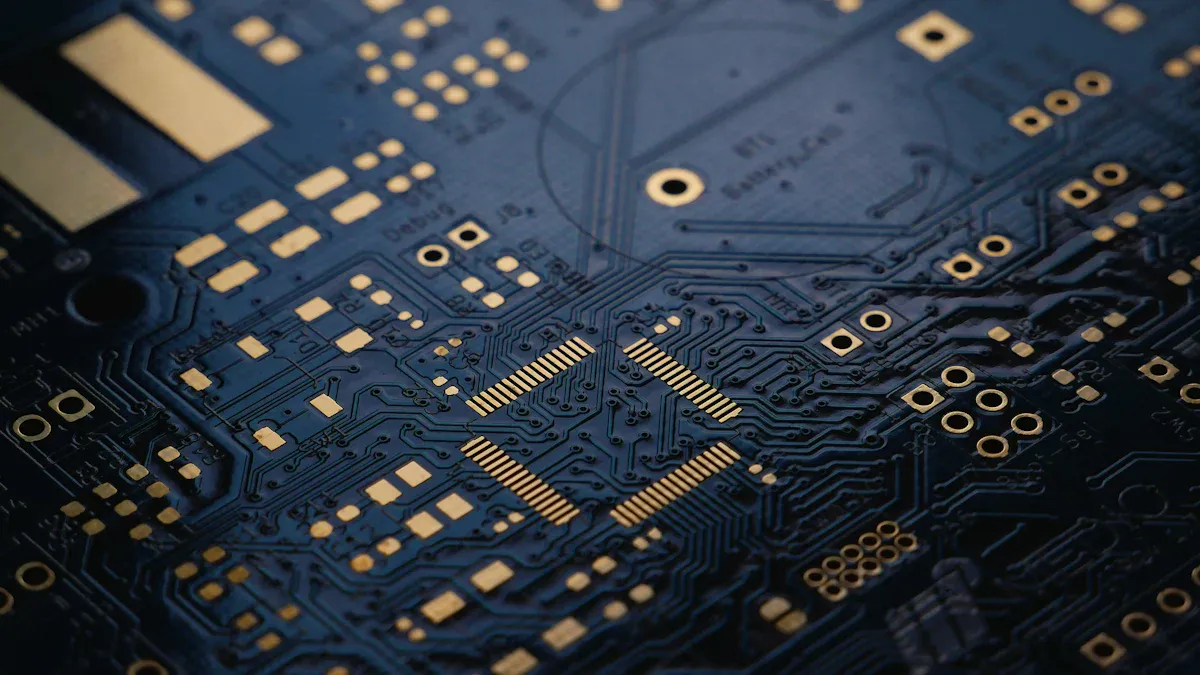
Many top tech products use gold finger pcbs. These pcbs help products work better and last longer. Hard gold plating protects the connections from damage. It also helps the products work for many years. Gold finger pcbs give strong wear resistance and great conductivity. They also keep signals steady and clear. Here are some top products that use gold finger pcbs in their designs.
Gold Finger PCBs
NVIDIA GeForce RTX Series Graphics Cards
NVIDIA puts gold finger pcbs in RTX graphics cards. Hard gold plating covers the edge connectors. This lets the cards handle being plugged in and out often. The gold layer keeps signals fast and steady.
Kingston HyperX DDR4 Memory Modules
Kingston HyperX memory uses gold finger pcbs for contacts. Hard gold plating makes these modules last a long time. The gold helps memory work fast without losing signals.
Dell PowerEdge Server Motherboards
Dell PowerEdge servers use gold finger pcbs for good connections. Hard gold plating protects the server’s edge connectors. This helps the servers work well in data centers.
HP ZBook Mobile Workstations
HP ZBook workstations have gold finger pcbs for heavy work. Hard gold plating keeps the connectors strong. The gold layer helps the workstation last longer.
ASUS ROG Gaming Laptops
ASUS ROG gaming laptops use gold finger pcbs in mainboards. Hard gold plating gives great wear resistance. The gold helps the laptops work well during gaming.
High-Frequency Modules
Qualcomm 5G Modem Modules
Qualcomm uses gold finger pcbs in 5G modem modules. Hard gold plating helps with fast data and steady signals.
Cisco Catalyst Series Network Switches
Cisco network switches use gold finger pcbs for fast connections. Hard gold plating makes sure they work well.
Ericsson Radio Base Stations
Ericsson base stations use gold finger pcbs for strong signals. Hard gold plating helps them work outside in tough weather.
Keysight RF Test Equipment
Keysight test equipment uses gold finger pcbs for good measurements. Hard gold plating keeps the contacts clean and exact.
Rohde & Schwarz Signal Generators
Rohde & Schwarz signal generators use gold finger pcbs for steady output. Hard gold plating helps them last a long time.
Edge Connectors
Intel Xeon Server Processors
Intel Xeon processors use gold finger pcbs for safe connections. Hard gold plating keeps the contacts from wearing out.
Samsung NVMe SSDs
Samsung NVMe SSDs use gold finger pcbs for fast data. Hard gold plating keeps the connectors working well.
Apple MacBook Pro Logic Boards
Apple MacBook Pro logic boards use gold finger pcbs for strong connections. Hard gold plating helps the boards last longer.
IBM Power Systems
IBM Power Systems use gold finger pcbs for heavy work. Hard gold plating keeps the systems running well.
Seagate Enterprise Hard Drives
Seagate enterprise hard drives use gold finger pcbs for steady data. Hard gold plating keeps the connectors safe from harm.
Many companies trust gold finger pcbs for their best products. Gold and hard gold plating help make technology better and stronger.
Thick gold plating helps electronics stay safe and work well for a long time. Many companies use gold in parts that get used a lot or are in tough places. Gold keeps signals clear and stops rust from forming. Engineers need to pick the right gold thickness for each job. They can ask trusted makers for help to choose what works best.
FAQ
What makes thick gold PCBs different from standard PCBs?
Thick gold PCBs have a much thicker gold layer. This extra gold helps stop rust and damage. Standard PCBs have less gold, so they do not last as long in hard places.
Why do engineers choose hard gold plating for connectors?
Hard gold plating is very tough. It lets connectors be plugged in and out many times. This gold keeps signals strong and connections working well for a long time.
Can thick gold PCBs handle high currents?
Yes, thick gold PCBs can carry lots of current. The thick gold lets electricity move easily. This makes them good for power parts and fast circuits.
Where do companies use ENIG gold plating most often?
Companies use ENIG gold plating in server boards, medical tools, and communication gear. ENIG gives a flat, smooth top. This helps with soldering and tiny parts.
Is thick gold plating safe for medical devices?
Yes. Thick gold plating stops rust and chemical harm. It also keeps signals steady. These things make it safe and good for medical tools.