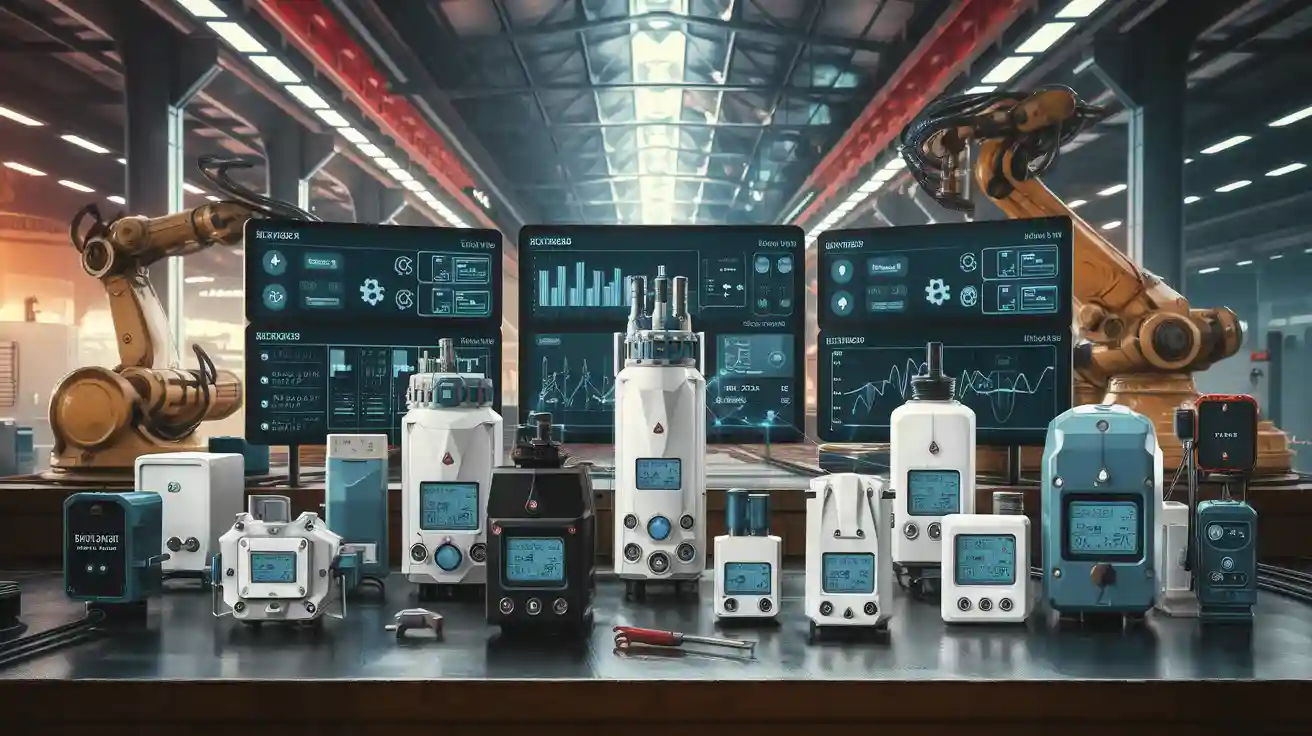
You can see many kinds of industrial transmitters in automation. These are:
Pressure transmitters
Temperature transmitters
Flow transmitters
Level transmitters
Differential pressure transmitters
pH transmitters
ORP transmitters
Humidity transmitters
Gas transmitters
Industrial transmitters turn physical measurements into signals. You can use these signals to control and watch systems.
Industrial Transmitters Overview
Definition and Role
Industrial transmitters help measure things in factories. They check values like pressure, temperature, and flow. These devices send signals to control systems. You need them to keep your process safe. They also help make things work well.
Tip: Pick the right transmitter for your job. This gives you good data and stops problems.
Signal Conversion
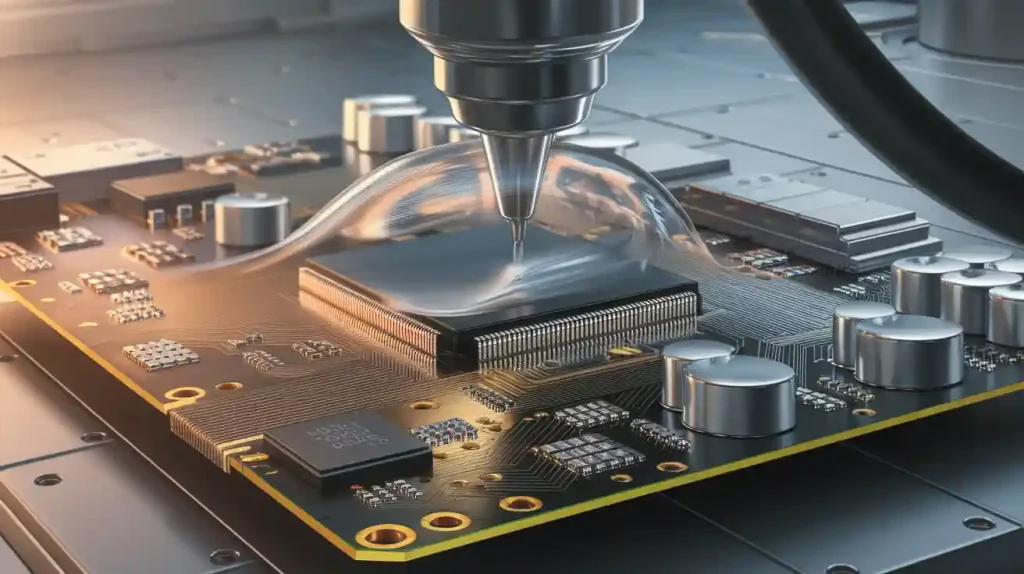
Electronic transmitters turn measurements into electrical signals. A sensor can read temperature or pressure. The transmitter changes this reading into a signal, like 4-20 mA or digital output. You send these signals to controllers or computers. You can also use display panels.
Electronic transmitters help you watch and control your system.
Smart transmitters send extra info, like device health or calibration.
Technology Types
There are different technology types for industrial transmitters.
Technology Type | Description | Example Use |
|---|---|---|
Electronic transmitters | Use electric circuits to handle signals | Temperature control |
Pneumatic transmitters | Use air pressure to send signals | Older control systems |
Smart transmitters | Use microprocessors for more functions | Remote diagnostics |
Most people use electronic transmitters today. Smart transmitters give you more features. You can get self-diagnostics or remote monitoring. These devices help you trust your system and stop downtime.
Types of Industrial Transmitters
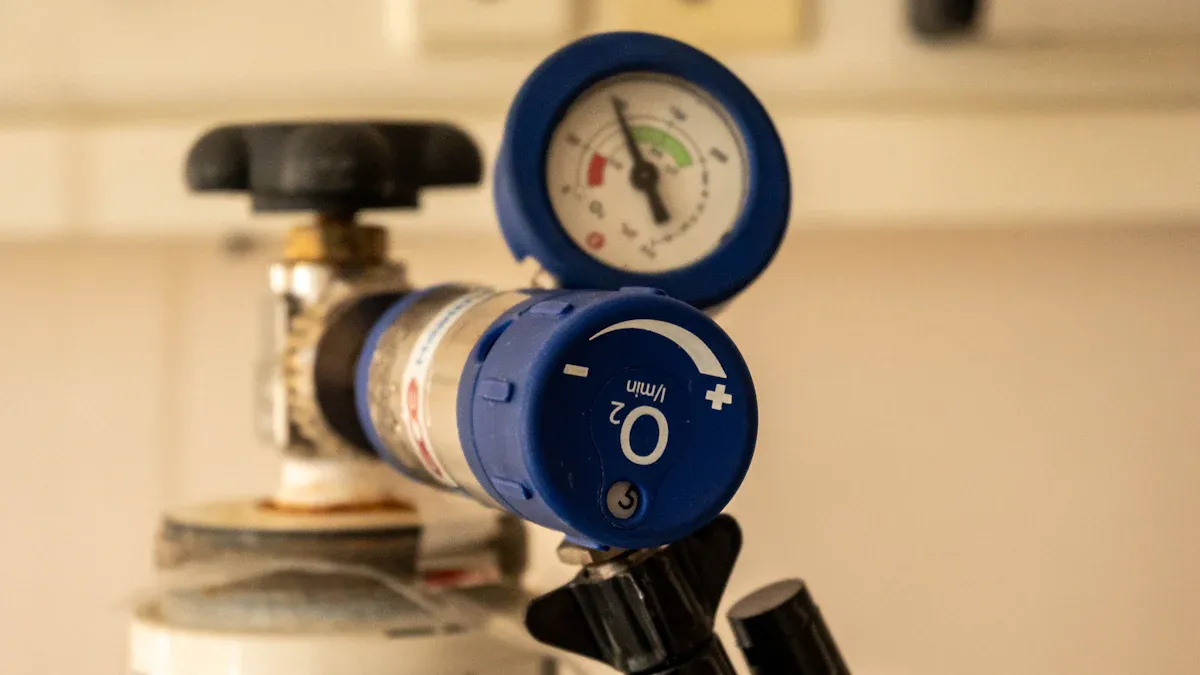
Pressure
A pressure transmitter checks force in pipes or tanks. It helps you know if pressure is safe. You see pressure transmitters in water plants and oil refineries. Factories use them too.
Note: Pressure transmitters stop leaks and bursts. They protect machines and people.
Application Area | Example Use |
|---|---|
Water Treatment | Watch pipe pressure |
Oil and Gas | Check wellhead pressure |
HVAC | Control air flow |
Pressure transmitter technology gives you good data. You use it for safety and control. Almost every automation system has pressure transmitters.
Temperature
A temperature transmitter checks heat or cold. It reads signals from sensors. These sensors can be thermocouples or RTDs. You see temperature transmitters in food factories and chemical plants. HVAC systems use them too.
Tip: Temperature transmitters keep products safe. They help you save energy.
You use a temperature transmitter to watch oven heat.
You use a temperature transmitter to check cooling.
Temperature transmitters keep your process steady. They help you stop overheating or freezing.
Flow
A flow transmitter checks how much liquid or gas moves. You use it to control pumps and valves. Water plants and oil pipelines use flow transmitters. Beverage factories use them too.
You use a flow transmitter to track water use.
You use a flow transmitter to mix chemicals.
You use a flow transmitter to measure steam in boilers.
Flow transmitter technology saves resources. It helps you spot leaks or blocks.
Level
A level transmitter checks how much material is in a tank. It helps you track liquids, powders, or grains. You see level transmitters in water treatment and food processing. Chemical storage uses them too.
Application Area | Example Use |
|---|---|
Water Treatment | Watch tank levels |
Food and Beverage | Control silo levels |
Chemical Plants | Manage liquid storage |
Level transmitters stop spills and shortages. They help your process run well.
Differential Pressure
A differential pressure transmitter checks pressure between two points. You use it to watch filters and control pumps. HVAC systems and water plants use these devices. Chemical factories use them too.
Note: Differential pressure transmitters spot clogs. They keep systems working well.
You use a differential pressure transmitter to check air flow. You use it to watch filter health.
pH
A pH transmitter checks if a liquid is acidic or basic. You use it to control chemical reactions and water quality. Water plants and food factories use pH transmitters. Chemical plants use them too.
You use a pH transmitter to keep water safe.
You use a pH transmitter to control food fermentation.
pH transmitters help you follow safety rules. They improve product quality.
ORP
An ORP transmitter checks oxidation-reduction potential in liquids. You use it to watch water cleanliness and chemical reactions. Swimming pools and water plants use ORP transmitters. Chemical factories use them too.
Tip: ORP transmitters help control disinfection. They help with chemical dosing.
You use an ORP transmitter to keep pool water safe. You use it to manage wastewater.
Humidity
A humidity transmitter checks moisture in the air. You use it to control climate and protect products. HVAC systems and food storage use humidity transmitters. Clean rooms use them too.
You use a humidity transmitter to keep air nice.
You use a humidity transmitter to protect goods.
Humidity transmitters stop mold and spoilage.
Gas
A gas transmitter checks how much gas is in the air. You use it to find leaks and control air quality. Factories and labs use gas transmitters. Oil refineries use them too.
Application Area | Example Use |
|---|---|
Oil and Gas | Find gas leaks |
Chemical Plants | Watch toxic gases |
Environmental | Track air pollution |
Gas transmitters keep workers safe. They help you follow environmental rules.
You use many transmitters to measure and control processes. Industrial transmitters give you data for safe and good automation.
Industrial Transmitters Applications
HVAC
Industrial transmitters help HVAC systems work well. They keep air clean and temperature steady. Pressure transmitters control air in ducts. Temperature transmitters set heat and cool levels. Humidity transmitters stop mold and keep rooms comfy.
Tip: Gas transmitters find leaks and keep air safe.
Chemical Processing
Industrial transmitters watch chemical reactions and keep things safe. pH transmitters check if solutions are acidic or basic. ORP transmitters control oxidation levels. Pressure and temperature transmitters keep reactors stable.
Flow transmitters measure how much liquid moves in pipes.
Level transmitters track what is inside tanks.
Water Treatment
Industrial transmitters help keep water clean and safe. pH transmitters control water quality. ORP transmitters manage disinfection. Pressure transmitters watch pump health.
Transmitter Type | Use in Water Treatment |
|---|---|
Level | Track tank and reservoir levels |
Flow | Measure water flow rates |
Gas | Monitor chlorine or ozone |
Oil and Gas
Industrial transmitters keep oil and gas plants safe. Pressure transmitters watch wellhead and pipeline pressure. Differential pressure transmitters check filter health. Gas transmitters find leaks and protect workers.
Note: Flow transmitters measure oil and gas movement.
Food and Beverage
Industrial transmitters help keep food safe and good. Temperature transmitters watch cooking and cooling. pH transmitters control fermentation. Level transmitters track storage tanks.
Humidity transmitters keep food fresh in storage.
Flow transmitters measure liquid ingredients.
Environmental Monitoring
Industrial transmitters watch pollution and protect nature. Gas transmitters track air quality. Humidity transmitters measure moisture in the air. Pressure transmitters watch emissions from factories.
Level transmitters track water in rivers and lakes.
How Industrial Transmitters Work
Sensing
First, the sensor does the sensing job. The sensor inside the transmitter touches the process. It can feel things like pressure or temperature. For example, a pressure sensor bends when force pushes it. A temperature sensor changes resistance when it gets hot or cold. The sensor makes a small electrical signal from these changes.
Tip: Make sure your sensor matches what you want to measure. This helps you get good data.
Signal Processing
Next, the transmitter works on the signal. The signal from the sensor is very weak. The transmitter uses electronics to make it stronger and cleaner. It removes noise and mistakes. Some transmitters use microchips to check and fix the signal. You get a steady and correct reading.
Signal processing helps you trust your numbers.
Smart transmitters can warn you if something is wrong.
Output Transmission
The transmitter sends the signal to your control system. Most transmitters use a standard signal, like 4-20 mA or digital messages. You can connect this output to a computer or controller. The signal travels through wires or wirelessly.
Output Type | Use Case |
|---|---|
4-20 mA | Simple control systems |
Digital (HART, Modbus) | Advanced monitoring |
You can pick the output that works best for your system.
Advanced Features
Modern transmitters do more than send signals. Many have smart features. You can get self-diagnostics to know if the device needs help. Some transmitters connect to the Internet of Things (IoT). You can check data from far away and get alerts on your phone.
Note: Advanced features help you save time and stop problems. They make your automation smarter.
Selecting Industrial Transmitters
Picking the right industrial transmitter gives you good data. It also keeps your process safe. You should think about some important things before you choose.
Measurement Type
First, decide what you want to measure. Pressure, temperature, flow, and level are common choices. Each transmitter works best for one process variable. If you pick the wrong one, your readings will not help.
Tip: Always match the transmitter to what you want to measure. This gives you better results.
Range and Accuracy
Check the range of the transmitter. Make sure it can measure all values in your system. Accuracy is important too. If you need exact control, pick a transmitter with high accuracy.
Factor | Why It Matters |
|---|---|
Range | Handles all situations |
Accuracy | Gives good control |
Output Signal
The transmitter’s output must work with your system. Common signals are 4-20 mA and digital types. If your system uses digital signals, pick a transmitter that supports them.
Environmental Factors
Think about where you will put the transmitter. Some places have lots of heat, dust, or water. You need a transmitter that can handle these things. Look for weatherproof or explosion-proof models if needed.
Installation
Think about how you will set up the transmitter. Some need special brackets or fittings. Easy installation saves time and helps you avoid mistakes.
Calibration
You need to calibrate transmitters to keep them working well. Some are easy to calibrate. Others need special tools. Pick one that matches your skill level.
Compatibility
Make sure the transmitter works with your equipment. Check the wiring, signal type, and software. If you upgrade later, scalable transmitters help you grow.
Cost and Support
Price matters, but support is important too. Good companies offer warranties and help when you need it. This saves money and stops downtime.
Note: Scalability and reliable companies help you plan for the future. They keep your system working well.
You need industrial transmitters to keep systems safe and working well. These devices help you measure and control important things. New features like IoT and smart diagnostics give you better data. They also send alerts faster. When you pick a transmitter, check the details and what you need. Good choices help you do better and lower risks.
FAQ
What is the main job of an industrial transmitter?
An industrial transmitter changes a measurement into a signal. This could be pressure or temperature. The signal goes to your control system. It lets you watch and manage your process.
How do you know which transmitter to choose?
First, think about what you want to measure. Check if the range and accuracy are right. Make sure the output signal works with your system. Pick a model that fits your place and is simple to set up.
Can you use one transmitter for different measurements?
No, you cannot do that. Each transmitter checks only one thing, like pressure or temperature. You must choose the right type for each job.
How often should you calibrate a transmitter?
You should follow what the maker says. Many places check calibration once or twice a year. If you need very exact numbers, check it more often.
What are smart transmitters?
Smart transmitters have microprocessors inside. They give you extra things like self-checks and digital messages. You can get alerts and see data from far away. Smart transmitters help your system work better.