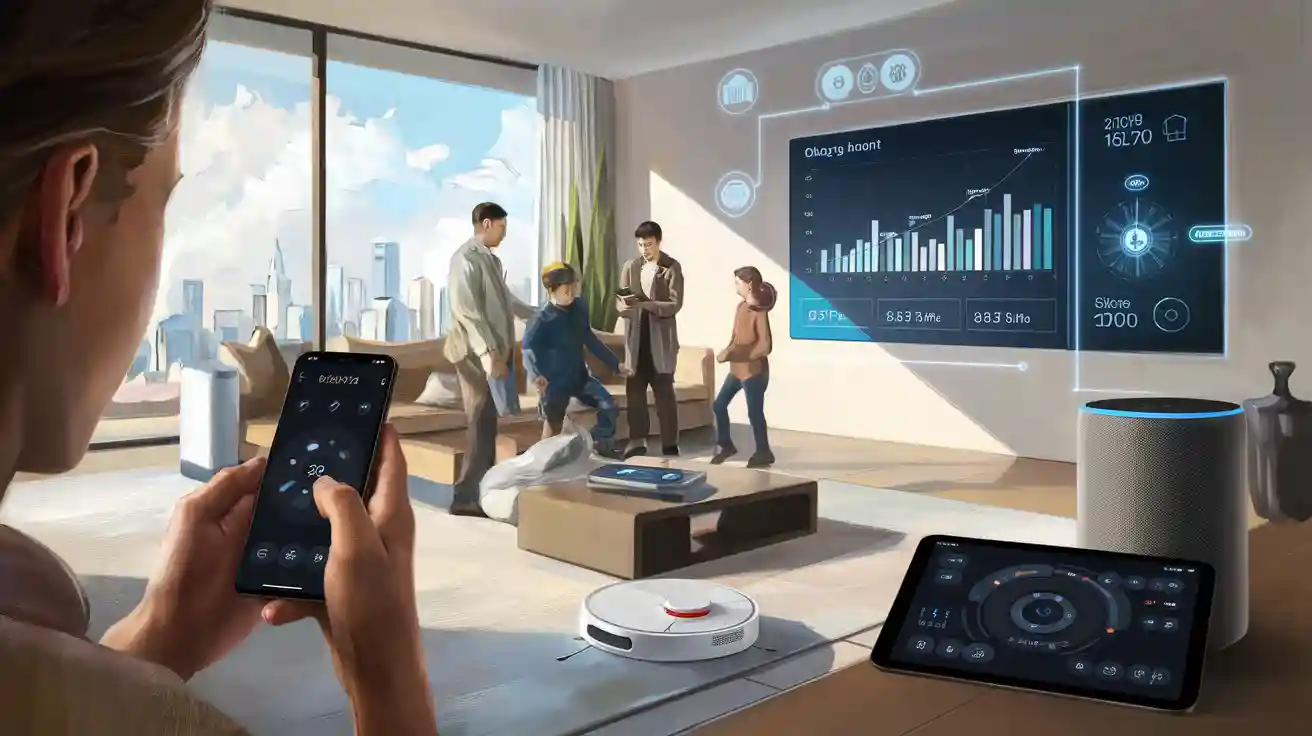
The smart home industry is growing very fast. People and companies buy smart home solutions for ease, safety, and saving energy. Recent reports say the global smart home market hit new records in 2024. Experts think it will keep growing a lot in the next few years. Smart home devices now connect easily. This gives users more control and information. These changes help the smart home industry get better. New trends change how people use their homes and handle daily tasks.
Smart Home Industry Overview
Market Size
The smart home industry has grown a lot in the last few years. In 2024, the global smart home market was worth about $163 billion, says Statista. Experts think the market will keep growing by about 10.5% each year from 2024 to 2035. By 2030, the global market could be over $300 billion. The U.S. smart home market is the biggest. It made more than $40 billion in 2024. Experts believe North America will keep growing because many people use smart home devices and new ideas keep coming.
Note: The smart home market is getting bigger as more homes use connected devices. This growth shows that more people are interested and technology is getting better.
A quick look at the numbers:
Region | 2024 Market Size | Projected 2030 Market Size | CAGR (2024-2030) |
|---|---|---|---|
Global | $163B | $300B+ | 10.5% |
United States | $40B | $70B+ | 9.8% |
These numbers show the smart home industry is moving forward fast. Companies spend a lot on research and new ideas to get a bigger part of this growing market.
Growth Drivers
There are many reasons why the smart home industry is growing. People want their lives to be easier. Smart home devices help control lights, temperature, and appliances with a phone or voice. This makes life simple and brings in new buyers every year.
Security is also very important. Many families pick smart home security systems to keep their homes safe. Things like smart cameras, motion sensors, and remote checks help people feel safe.
Saving energy is another big reason. Smart thermostats and connected appliances help use less energy. Homeowners save money and help the planet by using these devices.
Other things helping growth are:
Integration with other technologies: Smart home devices now work with voice assistants, smartphones, and even cars.
Affordable pricing: As technology gets better, smart home products cost less, so more people can buy them.
Increased awareness: Ads and people talking about smart homes help others learn about the benefits.
The smart home industry is getting better because of these trends. As more people see how useful connected living is, the smart home market will probably keep growing.
Smart Home Market Trends
Adoption Trends
The smart home industry is growing fast. Many families use smart home devices now. These devices make life easier every day. In 2024, more than 60% of U.S. homes had at least one smart home device. This number keeps going up as people see the good things about home automation. Most people start with simple devices like smart lights or plugs. They add more devices later when they get used to them.
There are many reasons why people buy these devices. People want things to be easy. They like using their phones or voices to control their homes. Security is also important. Smart cameras and alarms help families feel safe. Saving energy is another reason. Smart thermostats and connected appliances help lower bills.
More people buy smart home devices as prices drop. Companies sell smart home products at different prices. This helps more people join the smart home market. Younger people really like home automation. They often want homes with smart features already built in.
Tip: Try starting with one or two smart home devices. Add more later as you find what works for you.
A recent survey found the top reasons people buy smart home devices are:
Convenience and remote control
Better security
Saving energy
Entertainment and comfort
People also learn about smart home trends from friends, ads, and online reviews. As more people talk about their smart home devices, even more people want to try them.
Integration Trends
Integration is very important for the smart home market. Homeowners want all their devices to work together. They look for systems that connect lights, locks, cameras, and thermostats in one place. Platforms like Google Home, Amazon Alexa, and Apple HomeKit are leading this trend. These platforms let people control many devices with one app or voice assistant.
System interoperability is more important now. People do not want to use many apps for different devices. They want everything to work smoothly. Companies now make devices that follow common standards. Matter is a new standard that helps devices from different brands work together. This makes home automation easier for everyone.
Note: Interoperability means devices from different brands can work together. This helps people avoid problems and makes smart home adoption easier.
Integration also brings new features. For example, a smart door lock can turn on the lights when someone comes in. Home automation routines like this save time and make life more comfortable. The smart home market grows as more devices support these features.
Here is a table that shows popular integration platforms and the devices they support:
Platform | Supported Devices | Key Feature |
|---|---|---|
Google Home | Lights, locks, plugs | Voice control, routines |
Amazon Alexa | Cameras, thermostats | Skills, wide compatibility |
Apple HomeKit | Sensors, switches | Privacy, secure pairing |
Integration trends will keep changing the smart home industry. As more devices work together, homeowners will enjoy a more connected life. The market trends show that unified platforms and system interoperability will stay important for future growth.
Devices and Technology
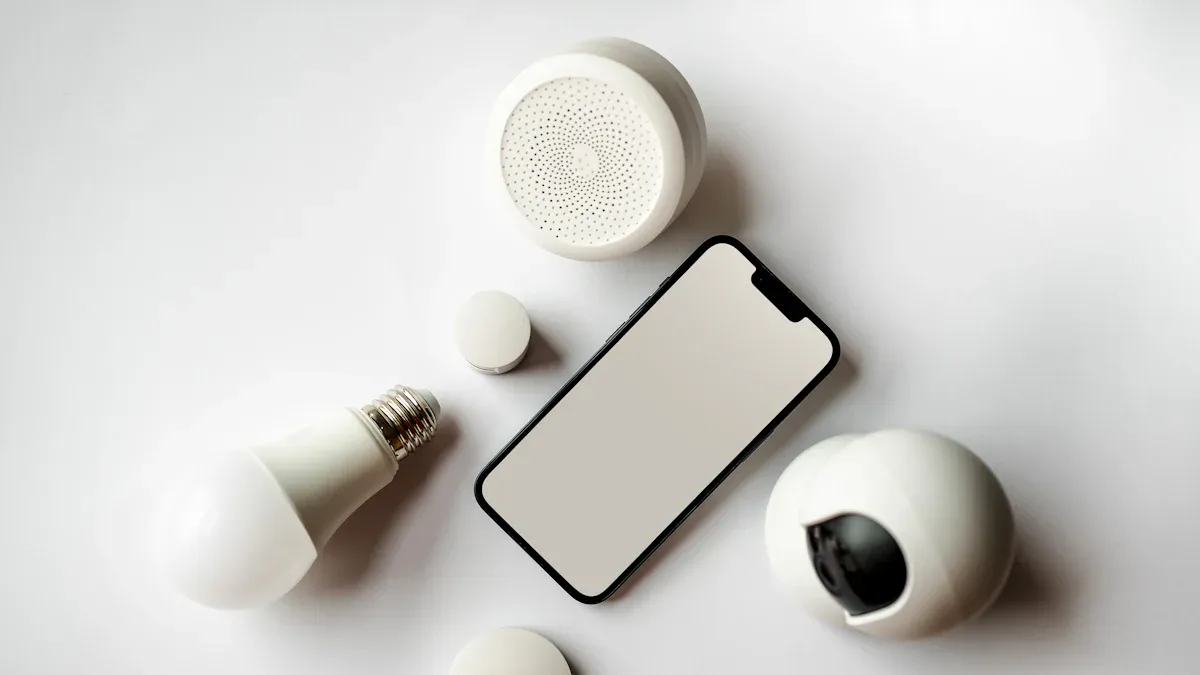
Voice Assistants
Voice assistants are important in smart homes. Many families use them to control things by talking. Amazon Alexa, Google Assistant, and Apple Siri are the most popular. These devices help people turn on lights and play music. They can also set reminders for you. Voice assistants connect with other smart home devices. This makes home automation simple. People like using their voices instead of buttons. They get fast answers and easy control. Companies keep making voice assistants smarter every year.
Voice assistants make daily chores easier and homes more comfortable.
Smarter Devices
Smart home devices now have more features than before. Companies make them learn what people like. They can change settings by themselves. For example, smart thermostats know when you are home. They change the temperature for comfort. Smart lights get brighter or dimmer to save energy. These devices work together in routines. Many use sensors to notice movement or changes. This makes smart homes feel more personal and work better. Smarter devices help the smart home industry grow.
Some examples of smarter devices are:
Smart thermostats
Smart lights
Smart plugs
Smart locks
IoT Sensors
IoT sensors are in many smart home devices. They collect data about things like temperature and movement. They also check air quality in your home. Homeowners use this data to make good choices. IoT sensors help devices react fast to changes. For example, a motion sensor turns on lights when you walk in. These sensors help different devices work together. Using IoT sensors makes smart homes safer and more useful.
IoT sensors give people more control and help make homes safer and smarter.
Security and Privacy
Home Security
Security is very important for smart home owners. Many families pick smart home devices for better safety. Smart cameras, door sensors, and alarms help people watch their homes. These devices send alerts to phones if they see movement or a problem. Some systems let people talk to visitors with video doorbells.
Manufacturers now add things like two-factor authentication and encrypted data. These features help stop hackers from getting in. Homeowners can set routines to lock doors and turn on lights when they leave. This makes the house look busy and keeps intruders away.
Tip: Always update your smart home devices for new security fixes.
A smart home system with strong security helps people feel safe. People trust these systems to protect their families and homes. Companies keep working on security as new threats show up.
Data Privacy
Data privacy is just as important as home security. Devices collect information about daily life, energy use, and visitors. Companies must keep this data safe from hackers and misuse.
Many smart home brands use encryption to protect data. They also let users control what information is shared. People should read privacy policies before buying devices. Some platforms let users delete their data or stop sharing with others.
Keeping data private is part of good security. Homeowners should use strong passwords and change them often. They should check device settings to control what gets shared.
Data Privacy Tips | Why It Matters |
|---|---|
Use strong passwords | Stops unwanted access |
Update device software | Fixes security issues |
Limit data sharing | Protects personal info |
Smart home technology will keep growing, but security and privacy must stay strong. People need to trust that their homes and data are safe.
Sustainability Trends

Energy Efficiency
Sustainability is very important in the smart home industry. Many people want to save energy and pay less for bills. Smart home devices help them do this. Smart thermostats change heating and cooling to fit your daily habits. LED smart bulbs use less energy and last longer than normal lights. Smart plugs turn off things when you are not using them. These tools help families waste less and be more green.
Manufacturers make devices that show energy use right away. Homeowners can see which things use the most power. They can then change how they use these things to save more energy. Some smart home systems give tips to help save even more. Using these new tools helps people spend less and make less pollution.
Tip: Make schedules for your smart devices. This helps them run only when needed and saves energy every month.
Eco-Friendly Devices
Eco-friendly devices are important for being green. Companies now use recycled stuff and safer chemicals in their products. Many devices come in boxes made from recycled paper. Some sensors and chargers use solar power instead of electricity. These choices help the planet and show a move to greener tech.
Here is a table with common eco-friendly features in smart home devices:
Feature | Benefit |
|---|---|
Recycled materials | Less waste in landfills |
Solar power | Lower energy consumption |
Energy monitoring | Better control of usage |
Low-power operation | Reduced electricity demand |
Sustainability is changing the smart home market. People want devices that help the earth and save money. Companies are making more products that do both. As technology gets better, the trend for green devices will keep growing.
Future Outlook
Emerging Technologies
New technology is changing smart homes. Artificial intelligence will become more important. Devices will learn what people like and change settings by themselves. For example, a smart thermostat can change the temperature for you. Robotics may help with more jobs at home soon. Some people already use robot vacuums. In the future, robots could do even more chores.
5G networks will make devices work faster. This means smart home systems will answer commands quickly. Edge computing lets devices handle data in your house. This keeps your information private and makes things faster. Experts think more devices will use renewable energy. Solar-powered sensors are one example.
Note: Watch for new features that make homes safer and easier to use.
Consumer Expectations
People want smart home devices that are simple to use. They expect easy setup and clear directions. Many buyers want products that work well together. Interoperability is very important to them. Homeowners also want strong security and privacy.
A recent survey shows what buyers care about most:
Feature | Importance Level |
|---|---|
Easy integration | High |
Data privacy | High |
Energy savings | Medium |
Voice control | Medium |
People want companies to give updates often. They want devices that last and keep working well. As technology gets better, people want more personal features. The smart home industry must meet these needs to do well.
The smart home industry is getting bigger because people want things to be easier, safer, and use less energy. Some important trends are that devices work together better, technology is getting smarter, and there is more focus on helping the environment. These changes are good for both people who buy smart home products and the companies that make them.
Top companies should look out for new rules and green devices.
People who own homes can begin with a few devices and add more as new tech comes out.
Learning about new trends helps everyone pick the best smart home options for their houses and businesses.
FAQ
What is a smart home device?
A smart home device connects to the internet. You can control it from far away. Some examples are smart lights, thermostats, and security cameras. These devices help people run their homes more easily. They also help people do things faster and better.
Are smart home systems secure?
Most smart home systems have strong security tools. They use things like encryption and two-factor authentication. People should update their devices often. They should also use strong passwords. This helps keep hackers out and keeps your data safe.
How do smart home devices save energy?
Smart home devices like thermostats and plugs help save energy. They change settings based on what you do. The table below shows some devices and how they save energy:
Device | Energy-Saving Feature |
|---|---|
Smart Thermostat | Auto temperature control |
Smart Plug | Scheduled power off |
Smart Light | Dimming, motion sensors |
What should homeowners consider before buying smart home products?
Tip: Homeowners should check if devices work with each other. They should look at security and privacy features too. It is smart to read reviews before buying. This helps people pick the best products for their homes.