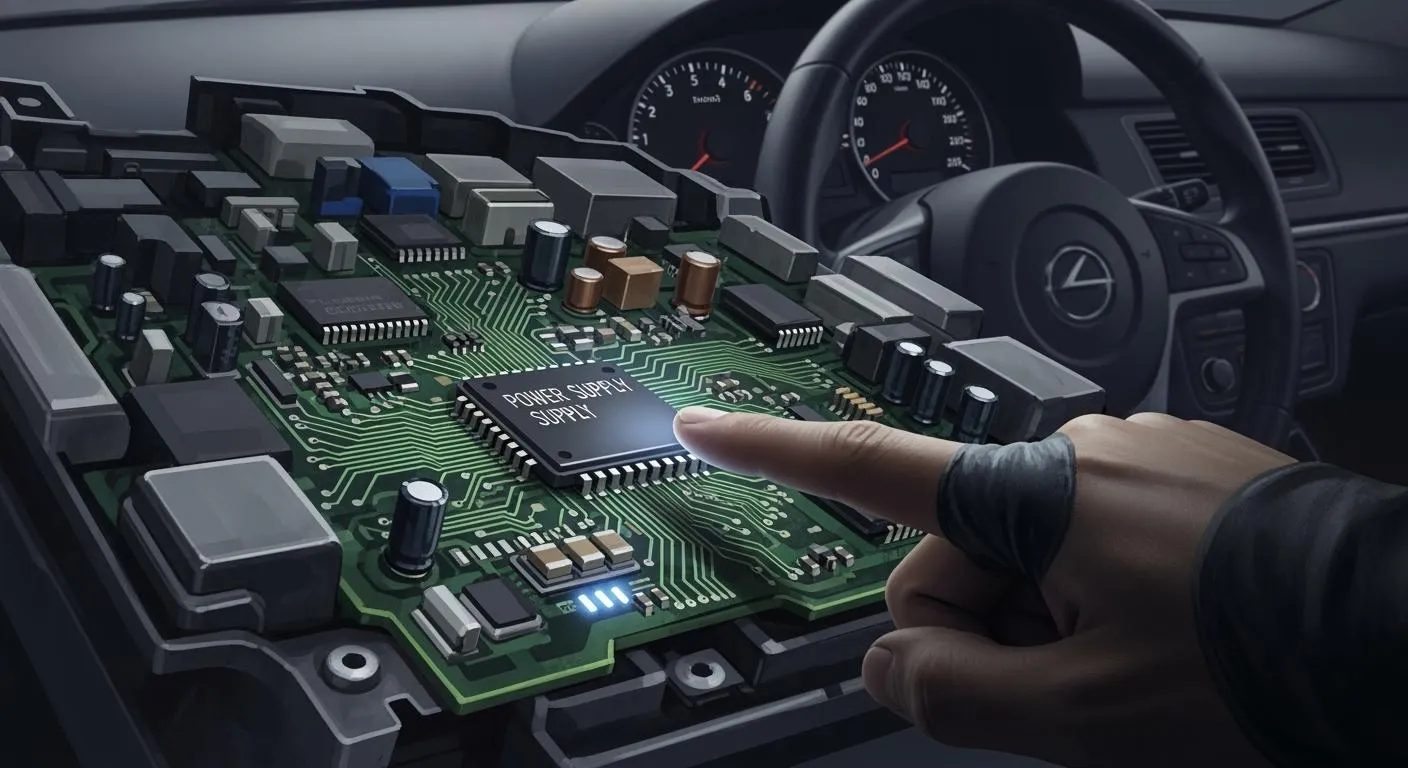
Choosing power supply ICs for cars means you need to watch voltage levels, current ratings, and design quality. You should pick parts that are very reliable and follow rules well. The table below shows things that help make systems more reliable:
Reliability Factor | Impact on System Reliability |
|---|---|
Component Reliability | Some parts work better and last longer than others. |
Thermal Management | Good heat control lowers stress and stops failures. |
Redundancy | Extra systems can stop big problems in important areas. |
Design for Manufacturability | Smart design cuts down on places where things can break. |
Use of High-Quality Components | Using better parts makes the system stronger and follows rules. |
Long-Life Capacitors | These lower the chance of common power supply problems. |
Operating Below Rated Specifications | Running below limits helps things work better and last longer. |
You also need to make sure your design follows the rules.
A strong design with safe voltage levels helps you meet reliability goals.
Things like weather, electrical noise, and how you lay out the PCB matter a lot for how your power supply IC works. If you pay attention to these things, you make your system safer and work better.
Key Takeaways
Pick power supply ICs that work well for a long time in cars.
Check voltage and current needs to stop problems when loads change.
Think about things like heat and wetness to help parts last longer.
Choose PMICs that use less space and have many features for better designs.
Make sure the parts follow car rules to keep them safe and working right.
Power Supply IC Selection Criteria
Voltage and Current Requirements
You need to match voltage and current needs to the right power supply ICs. Each part in your car, like headlights or radios, needs different voltage and current. When you turn on something like a headlight, the current can change quickly. This can make the output voltage go up or down. If a power supply made for 3A has to give 4A, the voltage can drop or jump. Testing how the regulator reacts to quick changes helps you see if it works well. The feedback control loop in the power management integrated circuit keeps the voltage steady. If this loop does not work, the voltage can swing more. You should keep component tolerances close, within 5%, to stop voltage problems.
Quick changes in load can make voltage swing.
Testing how the system reacts to load steps is important.
The feedback loop helps keep voltage steady.
Tight tolerances help stop voltage problems.
Switching regulators and linear regulators both help control voltage. Switching regulators are good for dc-to-dc conversion and high efficiency. Linear regulators are better when you need low noise and steady voltage. Always check the voltage and current ratings for each regulator, converter, and power supply IC before you choose.
Environmental Factors
Cars can be in tough places. You need to think about temperature, humidity, and moisture when picking power supply ICs. High or low temperatures can hurt how well the power management IC works. For example, if the temperature goes up by 10°C, a capacitor may last half as long. Cold temperatures can make solder joints crack, which can cause early failures. Both high and low temperatures matter for voltage control and efficiency.
Moisture can cause rust and lower insulation in parts.
Surface-mount devices and ball grid arrays can be hurt by moisture.
Changing temperatures and humidity can wear out parts faster.
High humidity can cause leaks and short circuits.
Always check the environmental ratings for each power management integrated circuit. If you ignore these things, you can get more voltage ripple, bad regulation, and more noise.
Space and Form Factor
Space is tight inside car control units. You need small power supply ICs and PMICs to fit in these spaces. PMICs put many power management jobs into one chip, so they save space and make designs easier. Discrete ICs need more PCB area and more room for heat, so they may not fit in small designs.
Car ECUs need small designs.
PMICs save space by putting jobs together.
Discrete ICs need more PCB area and space for heat.
Making things smaller is a big trend in car electronics. Small parts help you build strong systems in less space. Modern cars use over 100 power management integrated circuits for things like battery control, power sequencing, and heat control. New semiconductor technology lets us make smaller, better switching regulators and linear regulators.
Reliability Considerations
You want your car system to last a long time. Reliability tests help you pick the best power supply ICs and PMICs. Makers use many tests to check how well a regulator or converter works over time.
Testing Methodology | Purpose |
|---|---|
Burn-in screening | Finds early failures |
Temperature cycling | Checks performance in hot and cold |
Functional validation | Checks if ADAS/autonomous systems work right |
High-speed interface verification | Checks communication reliability |
High-temperature reverse bias (HTRB) tests check long-term stability. These tests run for over 1,000 hours at high temperatures and watch for leaks. You should pick power supply ICs that pass these tests. Good switching regulators and linear regulators help keep voltage steady and protect your system.
Regulatory Compliance
You must follow strict rules when you design car power systems. Power supply ICs and PMICs need to meet safety, EMI/EMC, and efficiency standards. These rules help keep your system safe and make sure it works with other electronics in the car.
Category | Description |
|---|---|
Safety standards | Rules that keep power supply ICs safe in cars. |
EMI/EMC standards | Rules about interference and compatibility, important for cars. |
Efficiency standards | Rules about saving energy, important for the environment. |
You should look for certifications like AEC-Q100 and ISO 26262. AEC-Q100 checks if the power management integrated circuit can handle tough conditions like heat and shaking. ISO 26262 is about safety for electrical systems in cars. Meeting these rules helps you build safe, strong, and efficient car systems.
Tip: Always check for the latest certifications and compliance papers before you pick a power supply IC or PMIC for your car project.
Essential Power Management IC Features
Ripple and Noise Control
You want your car’s electronics to work well. Ripple and noise can mess up sensors, radios, and cameras. A good power management integrated circuit uses switching regulators and linear regulators to keep voltage steady. You should pick PMICs with strong noise filters and low ripple. This helps keep voltage steady and makes infotainment and ADAS systems work better.
Application Area | Critical Features Required |
|---|---|
Advanced Driver Assistance Systems (ADAS) | Stable power for sensors, cameras, and processors; reliable for safety features like emergency braking and lane-keeping. |
Infotainment Systems | Good power conversion, noise filters, and protection from voltage spikes for entertainment and connections. |
Powertrain Applications | Real-time checks, fault finding, and heat control for safe electric and hybrid car parts. |
Body Electronics | Load switching, current checks, and short-circuit protection for comfort and convenience in different systems. |
Inrush Current Handling
When you start your car, voltage can rise fast. Inrush current can hurt a power supply IC if not controlled. A PMIC with good inrush current handling uses switching regulators and linear regulators to keep voltage steady when the engine starts. This is important for start-stop systems.
Feature | Specification |
|---|---|
Input Surge Handling | Up to 60 V |
Minimum Input Voltage (Buck) | 4.5 V |
Minimum Input Voltage (SEPIC) | 3 V |
Application | Automotive start-stop systems |
Functionality | Keeps power on during engine start |
Component Efficiency | Uses fewer parts |
Thermal Management
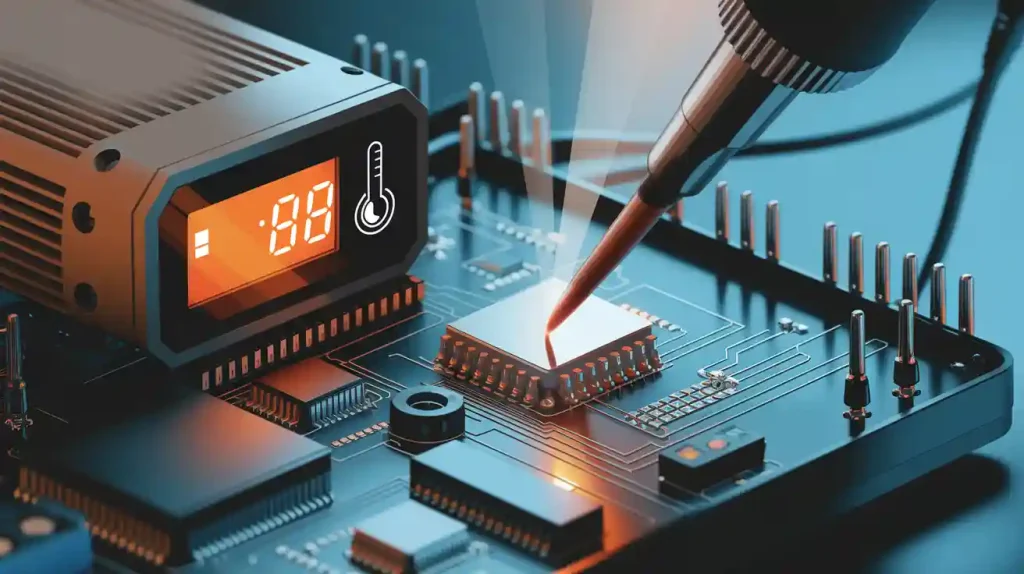
Heat can make your PMIC wear out faster. You need good thermal management to keep your power management integrated circuit cool. Switching regulators and linear regulators with good power conversion make less heat. This helps keep voltage steady and keeps your system safe.
Feature | Contribution to Longevity |
|---|---|
Precise Voltage Regulation | Keeps things stable even when conditions change |
Efficient Power Conversion | Makes less heat, so parts last longer |
High-Temperature Operation | Works well in very hot car environments |
Isolation Needs
You need to keep high-voltage parts away from low-voltage circuits. Galvanic isolation in a power management IC stops current from moving between sections. This stops ground loop currents and keeps car electronics safe. Isolation is very important in electric cars, where high-voltage circuits can be risky.
Note: Isolation in PMICs keeps the system and people safe.
Protection Features
You want your power supply IC to last a long time. PMICs use many protection features to stop problems. These features include:
Transient voltage suppressors to block voltage spikes.
Reverse polarity protection to stop damage from wrong connections.
Fuse and circuit breaker protection to prevent overloads and fires.
EMI filters to cut down electrical noise.
A strong power management integrated circuit with these features helps with battery management, power sequencing, and keeps your system safe and reliable.
Evaluating PMICs and Power Supply ICs
Measurement Techniques
You must check voltage rails carefully when you test power supply ICs. Use special probes like the Tektronix TPR4000 or TPR1000. These probes can measure high DC voltage and fast AC signals. They help you see how a power management integrated circuit deals with voltage changes. Pick DC or AC coupling to catch things like voltage droop. This helps you learn how switching regulators and linear regulators work in real time.
Circuit Testing
There are different ways to test your PMIC for reliability.
In-circuit testing looks at each part and connection before you finish the board.
Functional testing checks if the whole circuit works right in real situations.
Environmental stress testing makes the board face heat, cold, and shaking.
These tests help you spot problems with voltage control, switching, and protection before the system goes into a car.
Simulation Tools
Simulation tools let you see how a power management integrated circuit will act. You can test switching regulators, linear regulators, and converters before you build anything. Simulations help you guess voltage swings, power sequencing, and battery management. This saves time and helps you stop expensive mistakes.
PCB Design for Power Management
Good PCB design helps your car system work better and last longer. Put parts for the power management IC in smart places. Use many vias for paths that carry lots of current. Follow rules like ISO 9001 to make sure you get good quality. A good layout helps with voltage control, switching, and heat control. This makes your PMIC and regulator circuits work well.
PCB Manufacturing Practices
You need to follow strict steps when you make boards for automotive power supply ICs.
Pick AEC-Q100 qualified parts for strong boards.
Use tough design ideas like backup circuits and good materials.
Test and check with heat, cold, and electrical tests.
Meet IPC-A-610 Class 3 rules and use machines to inspect boards.
Keep good records for safety and following rules.
These steps help you get strong voltage control, switching, and protection for your power management integrated circuit.
Tip: Careful testing and design help your PMIC give safe, steady, and efficient power for every car job.
Managing Automotive Power Challenges

Inrush Current Mitigation
When you turn on a car system, inrush current happens. This quick surge can hurt a regulator or power management integrated circuit. There are ways to stop inrush current and keep your pmic safe.
Soft start circuits slowly raise voltage, so current does not spike.
The resistor limit method uses a resistor to slow the current, but it can waste energy.
NTC thermistors start with high resistance, then get lower as they heat up, which helps at startup.
Switching regulators and linear regulators often have these features to keep voltage steady and protect your system.
Ripple and Noise Reduction
Ripple and noise can mess up sensors and radios in your car. You can use different ways to cut noise and help things work better.
Strategy | Effect on Noise Reduction |
|---|---|
Proper grounding techniques | Makes sure bad signals go away and do not hurt the circuit |
Optimal placement of capacitors | Keeps voltage steady and cuts down noise |
Differential signaling | Cancels out noise by using two signals |
Improving signal integrity | Stops signal bounce and mismatched paths |
Put capacitors close to the pmic and use ferrite beads on the power line. This helps switching regulators and linear regulators keep voltage clean. For example, a low ESR capacitor near the VDD pin dropped noise from 90 mV to 20 mV. This shows that good design can make your power management system work better.
Thermal and Environmental Stress
Heat and tough conditions can make your power management integrated circuit wear out faster. You need smart sensors to watch for trouble. If you check all the time, you can find problems early and fix them fast. Fault-tolerant designs help your pmic keep working even if one part breaks. Switching regulators and linear regulators with good heat control can handle hard places. Always make sure your regulator and converter can work in all car temperatures.
Troubleshooting Power Supply ICs
If something breaks, you need steps to find the problem.
Check other circuits first. Make sure the battery voltage is right.
Use static tests to see if you can talk to the control system. If not, check the supply voltage and ground.
Try dynamic tests. Watch live data while the system runs. If signals are missing, use a signal simulator to test the input.
These steps help you find problems in your pmic, regulator, or switching regulators. Good troubleshooting keeps your power management system safe and working well.
Tip: Always use strong protection and follow best ways for voltage control, switching, and management. This helps your car system stay safe and work well.
Challenge | Description |
|---|---|
Complexity in Automotive Power Management | Cars have more wires and systems, so you need smart designs. |
Power switch ICs must stay cool, even in hot places. | |
Supply Chain Uncertainties | Sometimes parts are hard to get, which can hurt reliability. |
Compliance and Industry Standards
Automotive EMC Standards
You have to follow special rules for electromagnetic compatibility in cars. These rules help your pmic and regulators work without making radio noise. You need to check if your power management circuits meet these rules:
SAE J551/4: Sets limits for radio disturbance in vehicles.
SAE J551/2: Covers radio disturbance for cars, boats, and engines.
SAE J1113/41: Protects receivers in vehicles from radio noise.
UNECE R10: Gives rules for approving cars for electromagnetic compatibility.
CISPR 12: Sets limits for protecting off-board receivers.
ISO 7637-1: Explains electrical disturbances from wires and connections.
You should test your pmic and regulators for voltage spikes and noise. Good design keeps your car’s electronics safe from interference.
ISO & AEC-Q100 Certification
Pick power management ICs that meet ISO and AEC-Q100 standards. These certifications show your pmic and regulators can handle tough car conditions. The table below shows what AEC-Q100 checks:
AEC-Q100 Indicator | Minimum Requirement | Impact on Automotive Performance |
|---|---|---|
Operating Temperature Range | -40℃~150℃ | Makes sure it works in cold and hot weather |
Vibration Resistance | 10–2000Hz, 19.6m/s² | Stops solder joints from breaking in moving cars |
ESD Tolerance | ≥8kV (HBM) | Protects ICs from static electricity during repairs |
AEC-Q100 means your pmic passed 12 stress tests. ISO standards like ISO 16750 and ISO 26262 keep your power management system safe and working under stress.
Safety Documentation
You need to keep good records for every power management part you use. Safety documents show how your pmic and regulators handle voltage and switching. These records help you prove your system meets rules and works safely. Update your documents when you change your power management design.
Tip: Good safety documentation helps you fix problems faster and keeps your car system safe.
Manufacturer Support
Pick pmic and power management suppliers who give strong support. Good support means you get help with regulator problems. You can ask for test reports, voltage data, and guides. This support helps you solve voltage and switching issues quickly. It also helps you keep your power management system safe and reliable.
You help make cars safe and reliable. Pick power supply ICs and PMICs that follow tough rules. Listen to what the manufacturer says and use good PCB design steps. Check for new rules and updates often. This helps you stay up to date and do a better job in the car industry.
FAQ
What is the most important factor when choosing a power supply IC for automotive applications?
You must make sure the voltage and current fit your system. This keeps your design safe and helps it work well in cars.
How do you protect power supply ICs from heat in automotive environments?
You can use things like heat sinks and smart part placement. These ideas help your ICs stay cool and last a long time.
Why do you need EMI filters in automotive power supply designs?
EMI filters stop electrical noise from spreading. They help sensors, radios, and cameras work right in your car.
How do you check if a power supply IC meets automotive standards?
You should look for things like AEC-Q100 and ISO 26262. These show your ICs can handle hard car conditions.
What should you do if your power supply IC fails in a car?
You can check the voltage, look at the wires, and use test tools. These steps help you find and fix problems fast.