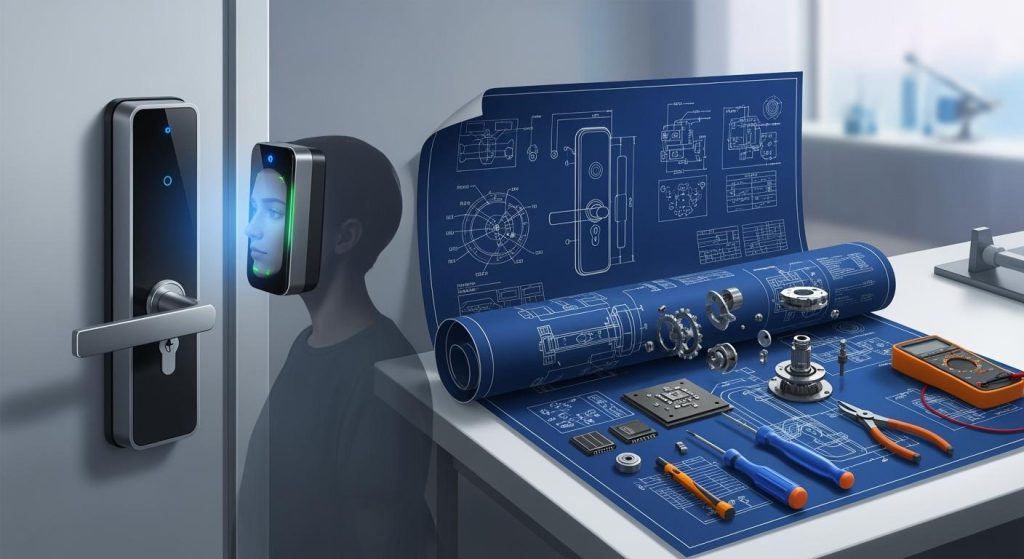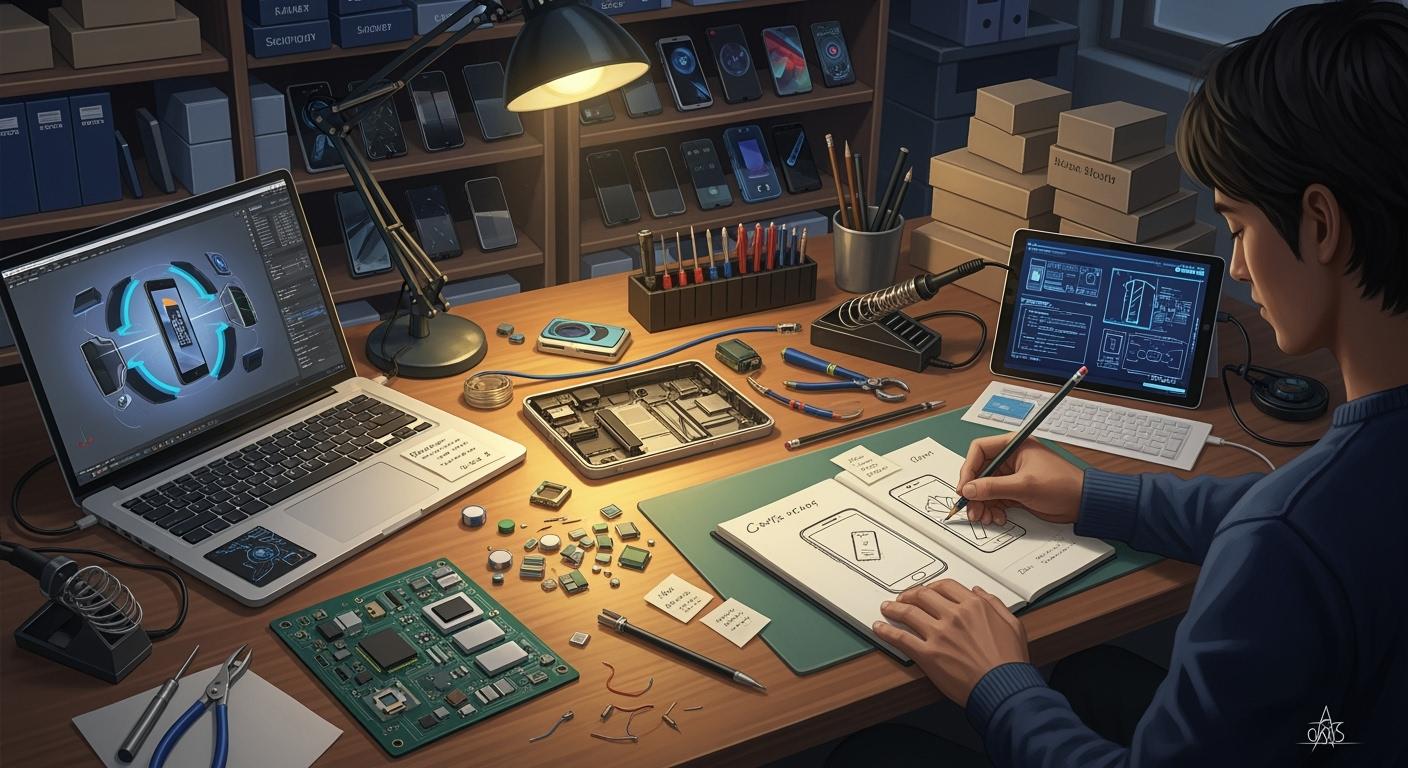
You can make your smart device idea real by using new technology. Sensors, artificial intelligence, and big data now help you design and build smart devices. These tools let you gather data, work with information faster, and make better choices. The table below shows how these technologies change how devices are made:
Aspect | Description |
|---|---|
AI Development | AI now uses machine learning and deep learning for better data processing. |
Health Monitoring | AI reads sensor data to predict health trends and support smart healthcare. |
IoT Integration | AI and IoT work together for real-time monitoring and data security. |
Smart manufacturing uses real-time data and digital tools to make building things faster and better. When you use these ways, you can make your projects higher quality and have fewer mistakes.
Key Takeaways
Watch how people use technology to learn what they need. Ask for feedback with surveys and user testing. This helps you make devices that people really want.
Make clear product goals with the SMART framework. Check that your goals match what users need and what is popular. This helps your device succeed.
Build and test prototypes early. This finds problems and gets feedback from users. You can fix things before making many devices.
Pick the best technology and parts for your device. Think about cost, how well things work together, and if they last. This helps your device work well for a long time.
Use smart ways to make your device. Use real-time data and automation to make production faster. This lowers mistakes and makes your product better.
Smart Devices Ideation and Research
Identifying User Needs
You start by learning what people want from smart devices. You can visit homes and watch how families use technology. You measure how they place devices and what problems they face. You talk to people in different cities to get many ideas.
Surveys and questionnaires help you collect numbers about what users like.
User stories show how someone uses a device in daily life.
User testing lets you see how people use your prototype and what confuses them.
Tip: The more you listen to users, the better your smart device will fit their needs.
Market Analysis
You need to know what is popular in the smart device market.
In North America, people want smart homes with security and energy-saving features.
In Europe, many care about sustainability and use smart thermostats.
In Asia Pacific, more families buy smart entertainment and kitchen devices because cities are growing.
The smart wearable market will grow fast. It may reach over 239 billion dollars by 2030. New sensors, iot, and 5G make smart devices more useful. The market grows at almost 19% each year.
Defining Product Goals
You set clear goals for your smart device. These goals should match your business plan and what users want.
Make sure your goals solve real problems and fit the current market.
Use SMART goals: Specific, Measurable, Achievable, Relevant, and Time-bound.
You also think about how your device will use iot and sensors. Plan for PCB design early. Good PCB design helps your device work well and stay reliable.
Reverse Engineering and Redesign
You can learn from other smart devices by taking them apart. You study the microcontroller and see how the parts connect. You may look at the firmware to find weak spots or new ideas.
Fix security problems you find.
Add new features or make your device work with other iot products.
Check how the hardware and software fit together.
Always remember the rules about copying designs. Use what you learn to make your own smart device better. Think about how you will design the PCB and assemble the parts for your new version.
Design and Engineering for Smart Devices
Technical Requirements
You must decide what your smart device should do before you build it. These choices help you know how your device will work. Think about the hardware, firmware, and software you need. Here are some things to focus on:
Hardware: Pick sensors, microcontrollers, and other parts that fit your device’s job.
Firmware: Write code to control your device and help it connect to other systems.
Software: Plan apps or web tools so users can control and check your device.
App Design & Development: Make simple interfaces for phones or computers.
Electronics Design: Make sure your circuits are safe and work well.
Electrical Manufacturing: Get your device ready to be made in large numbers.
Web Design & Development: Build online tools for managing your device.
Database Development: Store and organize data if your project needs it.
Tip: Always check if your technical choices match your goals and what users want.
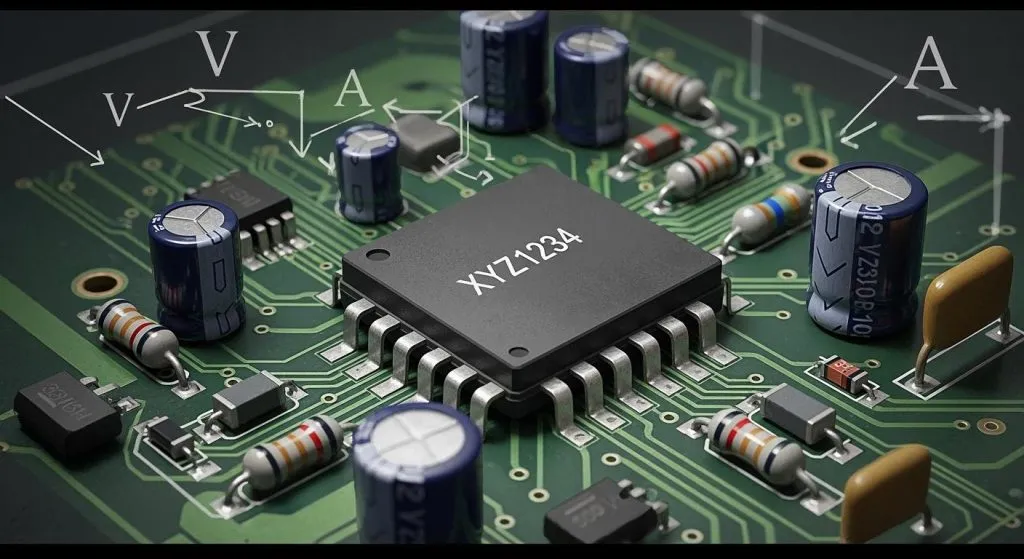
PCB design is very important in smart device engineering. You need to plan the PCB layout so all parts fit and signals move well. Pick materials that give your device the right power and speed. Make the PCB easy to build and not too expensive. Test each board during assembly to find mistakes early. Good PCB design helps your device last longer and work better with iot systems.
Technology and Component Selection
You have to pick the best technology and parts for your smart device. This choice changes how well your device works, how much it costs, and how long it lasts. Use the table below to help you choose:
Criteria | Description |
|---|---|
Cost | Find parts that are a good price and good quality. Compare prices from different sellers and look for extra fees. |
Memory | Make sure your device has enough memory for data and settings. Check both short-term and long-term needs. |
Security | Pick parts with strong security. Use encryption and safe ways to send data. |
Compatibility | Choose parts that work with other smart home devices and iot systems. This helps your device fit in with other products. |
Processing power | Pick microcontrollers or processors that can do your device’s jobs. Check their speed and how they are built. |
Energy efficiency | Use parts that save power, especially for battery devices. This helps batteries last longer and saves energy. |
Reliability and longevity | Buy from brands you trust. Check how long parts last and if you can get help. Make sure wireless parts keep working well over time. |
Note: Always test new parts with your design before you make your final choice.
Initial Prototyping
You start by making a prototype to see how your smart device works. Building a prototype helps you find problems early and make your design better. You may face some common problems at this stage:
Challenge | Explanation |
|---|---|
Budget Constraints | Prototypes can cost more than you think, especially if you use pricey parts or change your design a lot. |
Technical Feasibility Issues | Some designs may not work because of material limits or planning mistakes. |
Inefficient Iteration Cycles | If you do not handle feedback well, you may waste time and money on slow changes. |
Material and Manufacturing Limitations | Using the wrong materials or factory limits can hurt your device’s performance and design options. |
Time Constraints | Tight deadlines may make you rush, which can cause mistakes and delays. |
Do not skip early prototypes. If you go straight to fancy models, you might spend too much and miss good feedback. Do not make your prototype perfect at first. Simple models help users give honest opinions and find problems.
When you build your first prototype, include the PCB in your work. Test the PCB layout to make sure all parts connect well. Try different materials to see what works best for your device. Design the PCB so it can be made easily in large numbers. Put the prototype together and check for mistakes in hardware and software. This step helps you fix problems before you start making lots of devices.
Tip: Early testing and feedback help you save time and money. You can make your smart device better and avoid big mistakes.
Prototyping and Testing
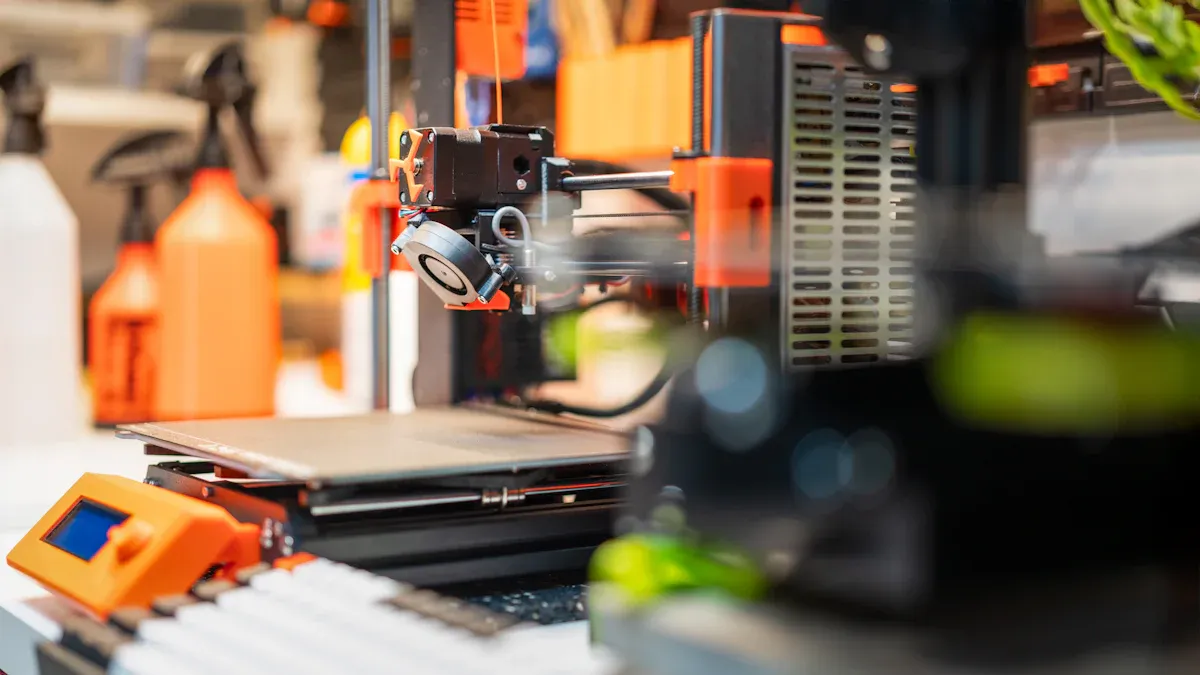
Building Prototypes
You begin by making a prototype to try out your idea. This helps you see if your plan works in real life. You can use simple prototypes that are fast and cheap to build. These models let you test big ideas before you worry about small things. When you make a prototype, you can:
See if your idea works outside of drawings.
Find problems early so you do not waste time or money.
Hear what users think when they try your model.
Change your design without starting from scratch.
Check if all parts of your iot system work together.
You need to add the PCB to your prototype. Test how the PCB is put together and how it works. This helps you find mistakes before you start making many devices.
Iterative Testing
Testing your prototype again and again makes your product better. Each time you test, you get new ideas and feedback. You can watch users use your device and listen to what they say. This helps you learn what works well and what needs fixing. The table below shows how testing helps your smart device:
Key Element | Description |
|---|---|
Effective Feedback Loops | Learn from real use to make your device stronger. |
Customer Input Integration | Use what users say to make your device better. |
Continuous Improvement | Keep your device safe and working well after it comes out. |
Ongoing Monitoring | Watch how your device works so you can fix things fast. |
Diverse User Testing | Get ideas from many kinds of people for better results. |
Automated Data Capture | Gather data to find and fix problems early. |
You should always show a working model to users. Watch how they use it and ask what they think. This feedback helps you make sure your smart device is useful and meets your goals.
Compliance and Safety
You have to follow safety and compliance rules before selling your smart device. Different places have different rules you must check. The table below lists some important standards:
Compliance Standard | Description |
|---|---|
CE Marking | Needed in Europe for health, safety, and environment. |
IEC 62368-1 | Safety for AV and ICT equipment. |
UKCA Marking | Required in Great Britain for electrical devices. |
CSA Certification | Canadian safety standard for electronics. |
CCC | Chinese safety and consumer protection. |
Some places have extra rules. For example, in the US, you may need FDA approval if your device tracks health. In the EU, only medical devices must follow strict medical rules. Always check the rules for where you want to sell. Meeting these standards keeps people safe and helps you stay out of trouble.
Tip: Test your PCB and how you put it together for safety and rules early. This helps you pass checks and avoid expensive changes later.
Smart Manufacturing Preparation
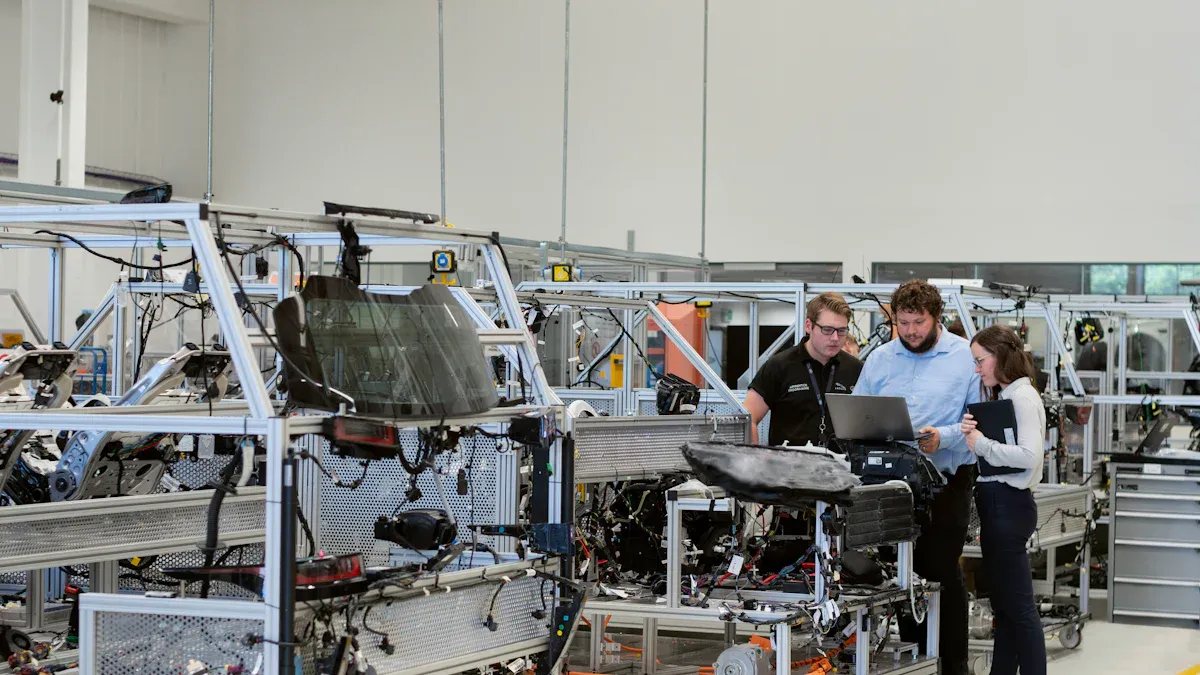
Smart manufacturing changes how you get ready to build things. You use sensors and real-time data to watch each step. You make choices using facts instead of guessing. This helps you build smart devices faster with fewer mistakes. You can find problems early and fix them before they slow you down. Industry 4.0 brings new tools that connect machines, people, and data. This gives you better quality and makes work more efficient.
Design for Manufacturability
You must plan your smart device so it is easy to make. Design for manufacturing means you think about how each part is made and put together. Try not to use complicated shapes. Use standard parts when you can. This makes your device cheaper and faster to build.
Here are the main rules you should follow:
Make your design simple. Use fewer parts and pick standard components.
Choose materials that work well and are easy to use in factories.
Make parts easy to put together. Good assembly design saves time and money.
Check that parts fit, even if sizes change a little during manufacturing.
Match your design to the process you will use, like PCB assembly or plastic molding.
Tip: When you design your PCB, keep the layout simple. Use standard footprints for chips and connectors. Make sure the board can be made with common machines. Test your PCB for mistakes before you start making lots of boards.
Think about how your device will be put together. If you make assembly easy, you lower mistakes. You save time and money. You can use digital tools to check your design before building anything. This helps you find problems early.
Sourcing and Partnerships
You need good suppliers to build smart devices. Do not just look at price. Pick partners who add value and help you grow. Use digital tools to find and manage suppliers. This makes your work faster and more accurate.
Use a smart sourcing plan. Look at what suppliers offer, not just cost.
Build strong partnerships. Work with suppliers for a long time to share ideas and solve problems.
Use more than one supplier. This helps you avoid risks and get better prices.
Ask for volume discounts. Buy in bulk to save money.
Predict your needs. Use data to guess how many parts you need. This stops last-minute orders and high costs.
Automate your sourcing. Use digital tools to speed up orders and track shipments.
Keep control over sourcing. Centralize decisions to manage costs and quality.
Work closely with your PCB supplier. Make sure they know your design and can deliver boards that meet your needs. Share your production schedule with them. This helps you avoid delays and shortages.
Note: Meet with your suppliers often. Use shared dashboards to track inventory and production. Make sure your goals match theirs to keep things running well.
Production Workflow Setup
You need a clear plan for how your smart device goes from parts to finished product. Smart manufacturing uses sensors, automation, and digital systems to make this process smooth. You can watch every step as it happens. You can fix problems before they get big.
Follow these steps to set up your workflow:
Figure out what you need and make a plan.
Design a data system that connects all parts of your process.
Build links between machines, software, and people.
Invest in automation technology. Use robots and smart machines for simple jobs. Add iot devices to watch equipment and track parts. Make a digital plan so you can see everything in your factory.
Train your workers to use new tools. Teach them to spot problems and fix them fast. Use predictive maintenance to keep machines working. Let teams share data and ideas.
Build a data-driven culture. Use facts to make choices. Use industry 4.0 tools. Keep your data safe so only the right people can see it. Watch your process all the time and look for ways to improve.
Tip: Use cloud systems to share data in real time. Connect your PCB assembly line to your main dashboard. This lets you track every board and catch mistakes early.
Smart manufacturing helps you match inventory and production schedules. You can automate order workflows and share key numbers across teams. Use ERP systems to connect buying and production data. This gives you better control and lets you see what is happening.
Principle | Benefit |
|---|---|
Real-time monitoring | Find problems early and improve quality |
Quality 4.0 | Keep high standards and avoid problems |
Automation | Work faster and catch mistakes quickly |
Smart manufacturing makes your workflow faster and more reliable. You get better products and happier customers.
Manufacturing, Production, and Quality
Scaling Manufacturing
You need to make more smart devices as your business grows. Smart manufacturing uses computers and machines to help you do this. These tools let you see each step and fix problems quickly. You can use digital tools to make things faster and better. Pick good suppliers and check quality often. Train your team so they know how to use new machines. Choose the right parts for your devices, especially for PCBs. This helps you avoid delays and keeps your devices working well. Work with people who know how to build lots of devices and PCBs. Smart manufacturing and industry 4.0 help you make more devices without losing quality. You can watch each PCB and device as it moves through the factory.
Quality Control
You need to check every smart device to make sure it works. Smart manufacturing uses computers to find mistakes early. Here are some ways to check quality:
Quality Control Method | Description |
|---|---|
Preparation of the test | Get all test materials and plans ready for inspection. |
Carrying out the test | Inspect using samples or plans, making sure all checks are done. |
Approval of products | Decide if products meet the rules; fix or reject if not. |
Documentation | Record results and label tested products. |
Sampling | Check random products in large batches. |
One hundred percent testing | Test every product in small or custom batches. |
Dynamic test steps | Change inspection steps if quality features change. |
Worker guidance systems | Guide workers through digital inspection steps and record data. |
Internet of Things (IoT) | Use networked devices to record data and spot problems quickly. |
Artificial Intelligence (AI) | Use smart algorithms to find and predict errors. |
Use the same ways to make every device and watch for problems. Computers help you find mistakes before customers get your product. Always test your PCB design and how you put it together. Make sure every board is good.
Logistics and Distribution
You need a good plan to send your smart devices everywhere. Smart manufacturing uses computers and new tools to help with shipping. You can use smart systems to keep track of inventory and shipments.
Component | Focus Area |
|---|---|
Smart Logistics | Advanced technologies for real-time supply chain management |
Distribution Requirements Planning (DRP) | Inventory replenishment across distribution networks |
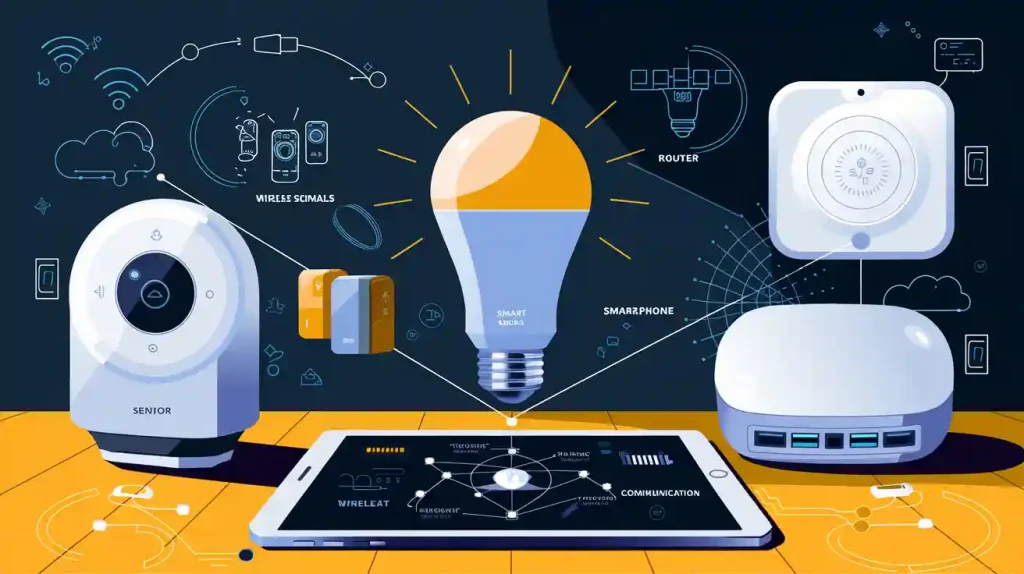
Hybrid iot networks help your devices stay connected while shipping. These networks use Wi-Fi, Bluetooth, and 5G to send data the best way. This keeps your products safe and easy to track from the factory to the customer.
Tip: Change your shipping plan as you make more devices. Use computer dashboards to watch shipments and inventory all the time.
You now know how to make your smart device idea real. Follow these steps to do well:
Make simple prototypes and test your ideas.
Check your engineering and get ready for building.
Get set for big production and check quality.
Put together and test PCBs to make sure they work.
Data-Driven Benefit | Description |
|---|---|
Innovation | Data helps you build better devices. |
Cost Savings | Smart tools help you waste less. |
Quality | Watching in real time makes things better. |
Check out these resources to learn more:
Smart Factory Guide | L2L
9 Tips to Implementing Smart Manufacturing Technologies
FAQ
What is a PCB and why do you need it in smart devices?
A PCB, or printed circuit board, connects all the electronic parts in your smart device. You need it because it helps your device work safely and reliably. Good PCB design makes your device last longer and perform better.
How do you choose the right sensors for your smart device?
You look at what your device needs to do. You pick sensors that measure the right things, like temperature or movement. You check if they fit your budget and work well with your PCB and other parts.
What steps help you test your smart device before production?
You build a prototype and test each part. You check the PCB for errors. You ask users to try your device and give feedback. You fix problems and test again until everything works well.
How can you make sure your PCB assembly is high quality?
You use automated machines to place parts on the PCB. You test each board for mistakes. You keep records of every test. You work with trusted suppliers who follow safety standards.
What is smart manufacturing and how does it help you?
Smart manufacturing uses sensors, computers, and data to watch every step. You find problems early and fix them fast. You save time and money. You make better products for your customers.