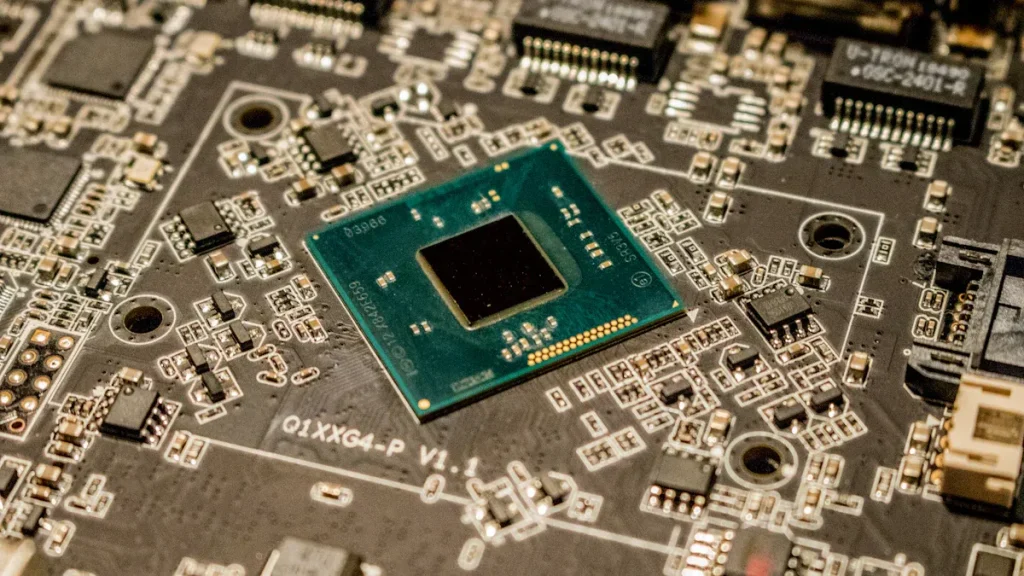
When you make an internet of things (iot) product, you first find out what users need. You also see how your idea fits into their lives. You have to look at market trends and technology choices that shape iot. Many groups use iot now, but security is still a big problem. Almost 20% have had cyberattacks. The total cost of iot attacks could be 23.82 trillion USD by 2027. You should make your iot product safe, reliable, and simple to use. Some common iot uses are predictive maintenance and remote monitoring. Different places have their own problems, like rules or tech issues, that change how people use iot. The technology and design you pick will decide if your iot product does well.
Key Takeaways
Begin your IoT product by learning what users want and how your product helps them. This makes your product useful and different from others.
Look at market trends and pick the best technology. This helps your product stay safe, work well, and grow as more people use it.
Make a strong system plan and use prototyping to try out ideas early. This lets you find and fix problems and make your product better before making a lot of them.
Keep your product safe from cyberattacks and easy for people to use. This means users can use it safely and without trouble.
After you launch, give good help to users and listen to what they say. Keep making your product better to earn trust and do well for a long time.
Product Concept
User Needs
When you make an IoT product, you need to know your users. You should find out what problems they have. Ask questions like: Who will use this? What do they want from smart devices? Many people use connected devices at home, school, and work. There will be over 175 billion IoT devices by 2024. This big number means you must focus on what users really need. That helps your product stand out.
Tip: Teams can save time and money with the right technology. For example, a smart home security team learned about user needs. They changed from motion sensors to Wi-Fi cameras. This switch helped them avoid expensive redesigns.
You should set your business goals and user needs early. Get engineers, designers, and marketers to help from the start. This makes sure everyone agrees on what the product should do. Make a list of the most important features for your IoT product. Use a Product Requirements Document (PRD) to keep these needs organized. Doing this saves time and lowers risks later.
Metric | Value | Significance |
|---|---|---|
Development time | 1 to 3 months | Planning for user needs can make things faster. |
Cost for simple IoT projects | $5,000 – $10,000 | Meeting basic user needs keeps costs down. |
Cost for complex IoT projects | Starting at $25,000 | More features for connected devices cost more money. |
Value Proposition
Your IoT product should give users clear value. Ask yourself: How does this product help people at home or work? Smart devices can make things safer, save energy, or make jobs easier. For example, IoT analytics can help workers do more and make customers happier. Predictive maintenance can stop machines from breaking down as much. These things show why people pick smart products.
Companies get an average ROI of 196% in three years from IoT data.
IoT security analytics find threats 47% faster than old ways.
IoT quality control lowers manufacturing defects by 32%.
You also need to think about the technology you use. Picking the right sensors, boards, and connections is important. If you want to grow from 1,000 to 100,000 devices, your choices matter for cost and reliability. The IoT market is growing fast, from $64.8 billion in 2024 to $153.2 billion by 2029. This means more people want smart, safe, and reliable products.
Market Research
Internet of Things Trends
The internet of things is changing very quickly. The global market is getting much bigger. It will grow from $370.5 billion in 2021 to $1.3 trillion by 2026. This shows that iot is now very important for many businesses. Big companies like Amazon, Cisco, and Microsoft are leading with new iot ideas. Some trends are modular analytics, machine learning, and cloud hosting. These trends help people make better iot products. In the last ten years, iot has spread to smart cities, healthcare, and factories. America is ahead in healthcare and supply chain iot projects. Europe works more on smart city solutions. Now, smart home devices connect things like appliances and security systems. This makes homes more comfortable and saves energy.
Note: Better data access helps you make good choices and follow iot trends more easily.
Use Cases
You can find iot solutions in many places. In factories, iot helps watch machines and improve work. Stores use connected devices for self-checkout and tracking products. Shipping companies use iot to track packages in real time. Hospitals use iot for tracking equipment and helping patients. By 2030, about 65% of iot value will come from business-to-business solutions. These iot solutions help save money, speed up work, and make smarter decisions. Stories show that iot makes work better and helps customers in many areas.
Technology Choices
You need to pick the best technology for your iot product. How your product talks to other devices is important. Wi-Fi, Bluetooth, and cellular networks each have good points. You must think about speed, cost, and safety. Studies say people care about security labels and features. You can use this information to make better connected devices. The table below shows important things to think about when picking iot communication technology:
Metric | Evidence | What It Means for You |
|---|---|---|
Wi-Fi Speed | Speeds rise worldwide, but some regions lag | You may face connectivity issues in some areas |
E-waste | Over 44 million metric tonnes yearly | Choose sustainable materials for your iot solutions |
Security | Security labels affect buying choices | Add clear security features to your iot products |
You should always match your technology to what users need and the newest iot trends. This helps your iot product do well in a busy market.
IoT Product Development
System Architecture
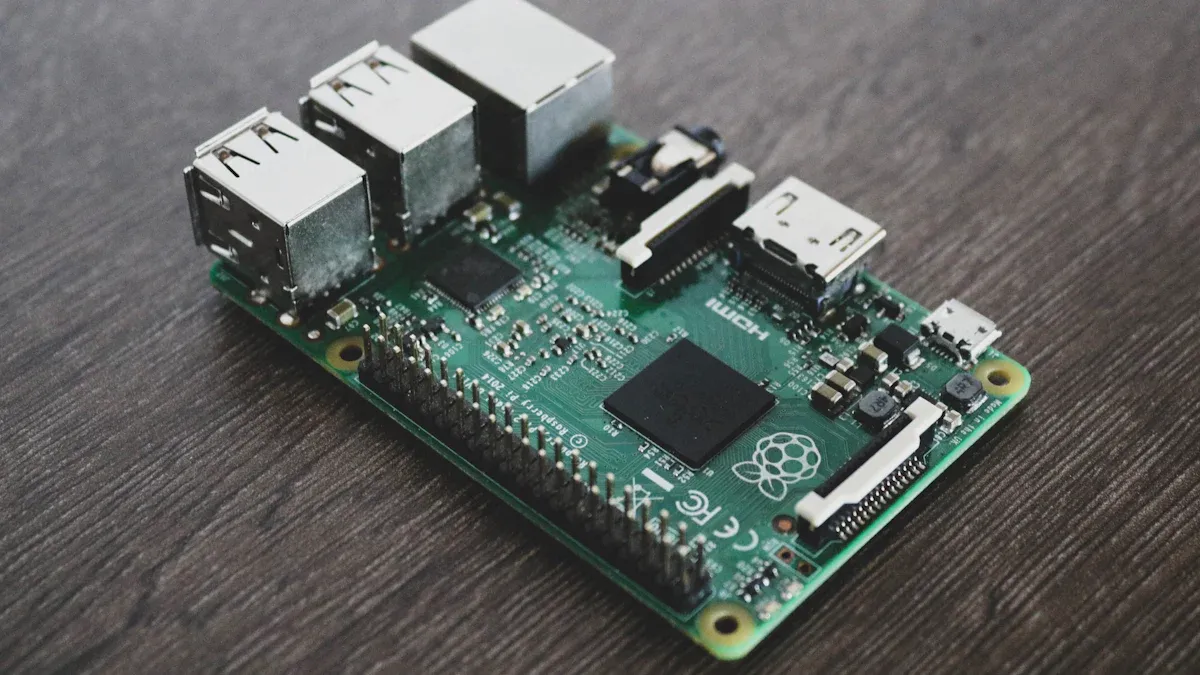
You need a strong system architecture to build a good IoT product. This means you must plan how devices, software, and cloud services work together. A good plan helps your product handle lots of users and data. It also helps with many types of connected devices. Use a layered approach for your design. Start with edge devices and sensors. These collect and process data close to where it happens. The devices send information to gateways. Gateways filter and send data to the cloud.
Modern IoT systems use message brokers like AWS IoT Core and Azure IoT Hub. These tools use the MQTT protocol for safe and reliable communication. They help devices talk to the cloud. They offer device authentication and message encryption. They also provide quality of service. This keeps your data safe and makes sure messages arrive. Even if the network is not perfect, your data is protected. You can use cloud platforms like Microsoft Azure, AWS, or Google Cloud. These help you manage devices, store data, and run analytics.
You should also think about adding AI, analytics, and digital twins. Digital twins are virtual models of real things. IoT devices collect real-time data for these digital twins. AI and machine learning look at this data. They help predict problems and improve quality. They also help you make better decisions. For example, machine learning can spot equipment failures early. It can also help smart factories run better. This makes your products smarter and more reliable.
Tip: Use modular and scalable designs. This makes it easy to add new features or connect more devices as your product grows.
A strong IoT system architecture needs good security. Protect your devices and data from cyber threats. Use end-to-end security measures. Make sure your system can connect with older systems like ERP or MES. Use middleware if you need to. This helps your IoT product work well with other solutions.
Prototyping
Prototyping is an important step in IoT product development. You build a small version of your product to test ideas. This helps you find problems early. It saves time and money later. Start by finding the problem you want to solve. Set clear goals and gather a team. Pick a place to test your prototype. Use platforms like Arduino or Raspberry Pi for quick builds.
Here is a typical step-by-step prototyping process:
Step | Description |
|---|---|
Identify the Problem | Find the main challenge your IoT product will solve. |
Set Objectives | Decide what you want to achieve, like saving energy or improving safety. |
Assemble a Team | Bring together experts in engineering, design, and user experience. |
Choose a Location | Pick a place to test your prototype, such as a smart home or factory. |
Develop Prototype Plan | Plan the design, materials, and IoT technologies you will use. |
Build Prototype | Create a working model using IoT hardware development kits. |
Conduct Initial Tests | Test your prototype in real conditions to find issues. |
Gather Feedback | Ask users and stakeholders for their opinions. |
Analyze Data | Look at results like cost savings or improved performance. |
Refine Prototype | Make changes based on feedback and test results. |
Scale Solution | Prepare for full-scale production if the prototype works well. |
Prototyping lets you test hardware, firmware, and software together. You can check if your IoT device design meets your goals. You also learn how users interact with your product. This process helps you fix problems before making lots of devices.
Note: Iterative prototyping means you test, get feedback, and improve your product in cycles. This leads to better IoT solutions and fewer mistakes.
Prototyping can show real improvements. For example, smart waste collection in Japan used IoT sensors. This reduced fuel use by 25%. In Canada, AI-powered recycling increased sorting accuracy by 40%. These results show that careful prototyping leads to better products.
IoT Development Challenges
You will face many challenges during IoT development. Hardware reliability is a big concern. Devices like sensors and CPUs can wear out over time. You must measure reliability with metrics like Mean Time to Failure (MTTF) and failure rates. If your hardware fails, your product may stop working. This is very serious in healthcare or traffic systems.
Connectivity is another challenge. IoT devices often use wireless networks. These can be unreliable. You may see data loss or random resets. Battery life, memory, and CPU limits can make updates hard. These limits also make it tough to keep devices secure. Bugs in software are common. Even top engineers add about 11 bugs per thousand lines of code. These bugs can cause devices to fail or act badly.
To solve these problems, use Device Reliability Engineering (DRE) methods. Over-the-air (OTA) updates let you fix bugs and improve firmware. You do not need to touch each device. This keeps your IoT hardware development smooth and your products reliable.
You must also focus on usability and security. Make sure your product is easy to use and safe from cyberattacks. Use clear security features and labels. Test your product in different places to check for signal and power problems. Always check OTA updates to make sure firmware is safe and scalable.
Remember: A successful IoT product balances reliability, security, usability, and cost. You need to plan for these challenges from the start of your IoT product development journey.
IoT development also means picking the right design methods. For small projects, use IoThinking to gather requirements. For bigger or more complex projects, Mind IoT helps map out needs. Always aim for modular, scalable, and open architectures. Avoid vendor lock-in by using open standards and APIs.
Security and Compliance
Security Best Practices
You need to keep security in mind at every step. Many iot products have security risks because they use the internet. They also share lots of data. You can keep your devices safe by using good habits. Start by making sure only trusted devices join your network. This is called secure device onboarding. Use network segmentation to keep parts of your system apart. Adaptive encryption protects your data as it moves around. AI-driven anomaly detection helps you find strange activity quickly.
You should watch some key benchmarks to check your iot security. These include:
Vulnerability patching rate (days to patch): Tells how fast you fix problems.
Cybersecurity awareness training effectiveness: Shows how well your team knows security.
Number of cybersecurity incidents reported: Counts how often issues are found and reported.
These benchmarks show if your security steps work. They also help you make your iot product better over time.
Tip: Always update your iot devices with new patches. This lowers the chance of attacks.
Usability
Good iot security should not make things hard for users. You need strong protection but also easy access. If your device is too hard to use, people may skip security steps. Simple interfaces help users set up and use their devices. Clear instructions and alerts guide users to stay safe. You should test your iot product with real users while building it. This helps you find problems early and make things easier.
A user-friendly iot product helps people trust it. When users feel safe and in control, they use your device more. Make sure your security features do not slow things down or block important tasks. Always listen to what users say and make changes when needed.
Regulatory Standards
You must follow strict rules when making iot products. Many countries have laws to keep user data and privacy safe. Some important standards are ISO 27001 for information security management. In the United States, FISMA tells federal agencies and partners to protect data. NISTIR 8259 and NIST SP 800-213 give special advice for iot device security. Europe uses GDPR to protect personal data. California’s SB 327 law also sets privacy rules for iot devices.
Meeting these standards can be tough. There are not enough skilled workers in cybersecurity and compliance. Many companies spend over $1 million each year on GDPR rules. Some spend more than $10 million. The amount of data keeps growing, so compliance gets harder. You need to plan for these costs and problems when building iot products.
Note: Following global standards helps your iot product reach more people and builds trust with users.
Launch and Support

Testing
You have to test your iot product before you sell it. Testing makes sure your product works in real life. You need to check the hardware, software, and cloud parts. Try your iot device in many places and with different people. This helps you find problems early. Test how long the battery lasts and if the sensors are correct. Check if the system is fast enough. Make sure your iot product can get updates and changes. Use automatic tests to look for bugs. Real-world tests show if your iot product is ready to sell. You want users to trust your iot device from the start.
Manufacturing
Making your iot product is a very important step. You need to build it well and avoid mistakes. Many companies use iot sensors on machines to spot problems. For example:
Axis Components Ltd. put iot sensors on their assembly lines.
They found machine problems early and had 30% less downtime.
Scrap rates went down by 10% because sensors found defects fast.
Predictive maintenance stopped 7 big breakdowns in one year.
Workers trusted the sensor data and did their jobs better.
Company | Challenge | IoT Solution Description | Results Achieved |
|---|---|---|---|
Tikkurila | Reduce downtime, maintenance costs, warranty claims | Used sensor data with BI systems; predictive models forecast failures | Less downtime, fewer warranty claims, better product quality and maintenance scheduling |
FRÄNKISCHE Industrial Pipes | Need for connectivity, transparency, and quality control | Azure IoT platform for real-time data and predictive maintenance | Faster error detection, better quality, improved customer collaboration |
Jungheinrich | Complex machine connectivity, slow deployment | AWS IoT Greengrass for real-time data and machine visibility | Faster onboarding, better predictive maintenance, higher efficiency |
IoT solutions help you make more products with fewer errors. You save money and make better products. Your iot product development gets easier and more steady.
Post-Launch
After you sell your iot product, you need to help your users. Good support keeps customers happy and coming back. You should watch important numbers to see how your iot product is doing. Here are some key ones:
Customer Feedback Metric | Description and Importance |
|---|---|
Customer Churn Rate | Shows if users stop using your product. High churn means problems. |
Net Promoter Score (NPS) | Measures if users like your product and will tell others. High scores are good. |
Support Ticket Volume | Counts how many users need help. Spikes mean you should fix something. |
Conversion Rate | Shows if users start using your product after trying it. Low rates mean you need to improve. |
Time to First Value (TTFV) | Tells how fast users get benefits from your iot product. Shorter times are better. |
You should also check technical things like connection, battery, and sensor work. Use remote tools and alerts to fix problems fast. Listen to users with surveys and social media. Quick answers to feedback help you make your iot product better. Keeping up support and updates makes your iot product strong and trusted.
You can build a successful iot product by following clear steps. Start with user needs and market research. Choose the right iot technology and focus on security. A cross-sectional study shows that performance, collaboration, and support drive iot adoption. You should always keep users at the center of your iot design. The iot market keeps growing fast, as shown below:
Aspect | Projection / Insight |
|---|---|
IoT Market Size 2025 | USD 1334.99 billion |
IoT Market Size 2033 | USD 3597.01 billion |
Growth Drivers | Sensors, 5G, processing power |
To succeed, you need a strong iot team. Many iot projects work best when you bring together experts from different fields. You can fill gaps by working with partners who know iot well. Keep your team agile and ready to learn. The iot field changes quickly, so you must adapt. Take the next step and turn your iot idea into a real product.
Successful iot teams use both in-house and outside experts.
Cross-functional groups help solve iot challenges.
Strategic partners speed up iot development.
Shared vision and learning keep iot teams strong.
Remember: The iot journey rewards those who plan, learn, and act.
FAQ
What is the most important step when starting an IoT project?
First, find out what users want. This helps you make a product that fixes real problems. If you do not do this, your product might fail.
How can you keep your IoT device secure?
Use strong passwords and update your device often. Only connect to networks you trust. Always follow good security steps.
Tip: Turn on automatic updates so you fix problems fast.
Which technology should you choose for IoT connectivity?
Pick the technology that fits your product’s needs. Wi-Fi is good for home use. Cellular is better for outdoor devices.
Technology | Best Use |
|---|---|
Wi-Fi | Home devices |
Bluetooth | Short range |
Cellular | Remote areas |
How do you test an IoT product before launch?
Test your product in real places with real people. Check if the battery lasts long and if sensors work right. Make sure software updates work. Testing helps you find and fix problems early.
What support do users need after buying an IoT product?
Give clear instructions and help users quickly. Offer updates and answer questions fast. Good support helps users trust your product and stay happy.