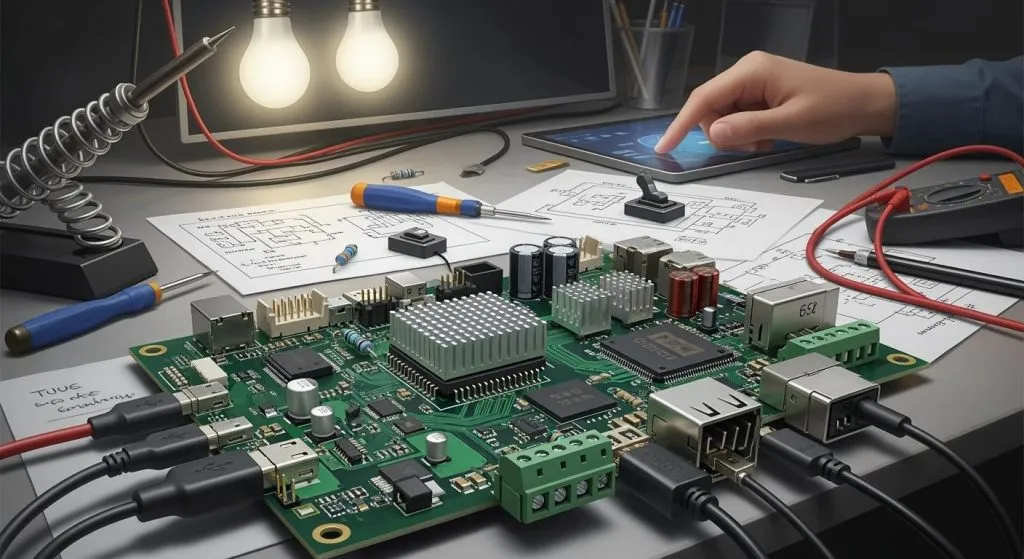
A wireless headset PCB is the main part of your headset. It links all parts and allows smooth communication. It controls sound, wireless signals, and power, making sure your headset works well.
Today, making and designing these PCBs is very important for small, powerful devices. Copying or studying them helps fix problems or make better designs. As wireless tech improves, people want better and more dependable headset PCBs.
Key Takeaways
Pick good-quality parts for your wireless headset PCB. This helps it work well and meet rules.
Plan your PCB layout wisely to reduce noise. Keep digital and analog parts apart for better signals.
Use clever power-saving methods to make the battery last longer without losing performance.
Be fair when learning or copying PCB designs. Respect creators’ work and avoid breaking laws.
Test your headset carefully to make sure it works well and users are happy with it.
Wireless Headset PCB Design
Component Selection
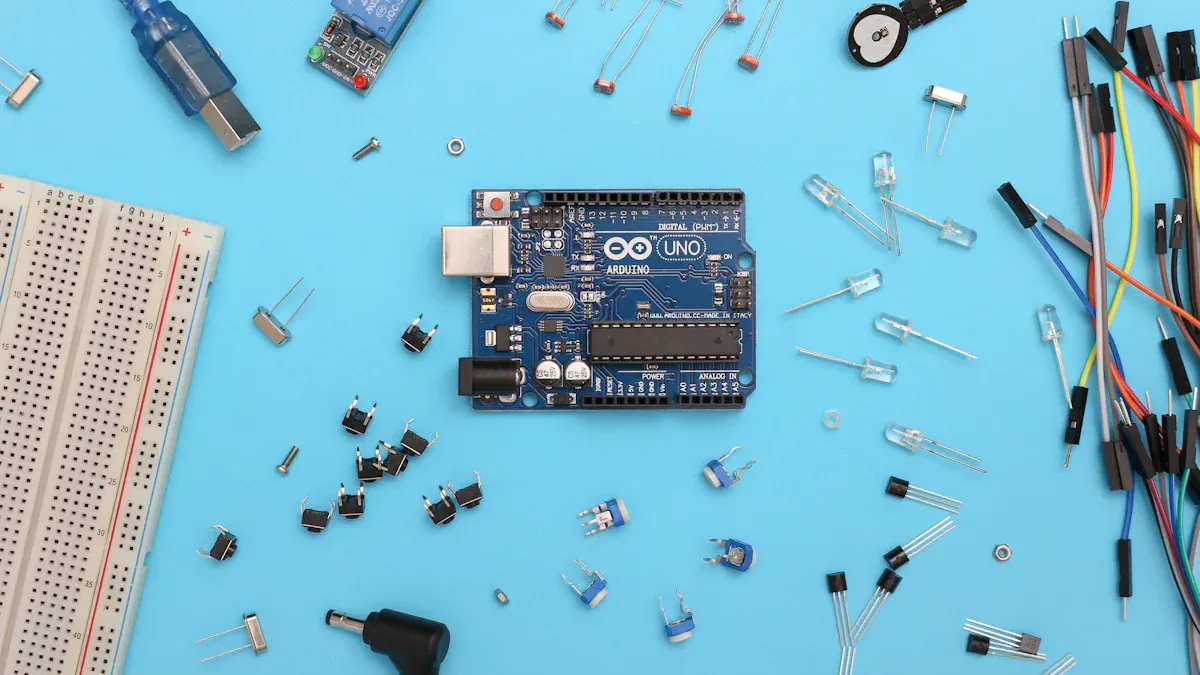
Picking the right parts is key for a good wireless headset PCB. Always choose high-quality parts to make sure it works well. These parts should meet industry rules, like Bluetooth SIG standards, for proper certification. Also, using parts with the right temperature limits ensures the headset works in different environments.
Criteria | Description |
|---|---|
Quality of components | Good-quality parts are needed for strong and efficient Bluetooth boards. |
Compliance with standards | Parts must follow rules like Bluetooth SIG certification. |
Temperature ratings | Correct temperature limits help the headset work in all conditions. |
To save power, create detailed power plans and pick low-power Bluetooth modules. Microcontrollers with sleep modes can also help the battery last longer.
The way the printed circuit board (PCB) is designed and arranged is very important. A good PCB design reduces signal problems, saves power, and makes the headset more reliable.
Circuit Design
A good circuit design helps the wireless headset PCB give clear sound and steady connections. Place parts carefully to lower signal problems and reduce noise. Keep digital and analog areas apart to stop digital noise from affecting sensitive analog circuits. Reducing RF noise also keeps audio circuits free from radio interference.
Careful Component Placement: Lowers signal problems and reduces noise.
Separation of Digital and Analog Areas: Stops digital noise from affecting analog circuits.
Minimizing RF Noise Coupling: Keeps RF noise from disturbing audio circuits.
PCB Layout
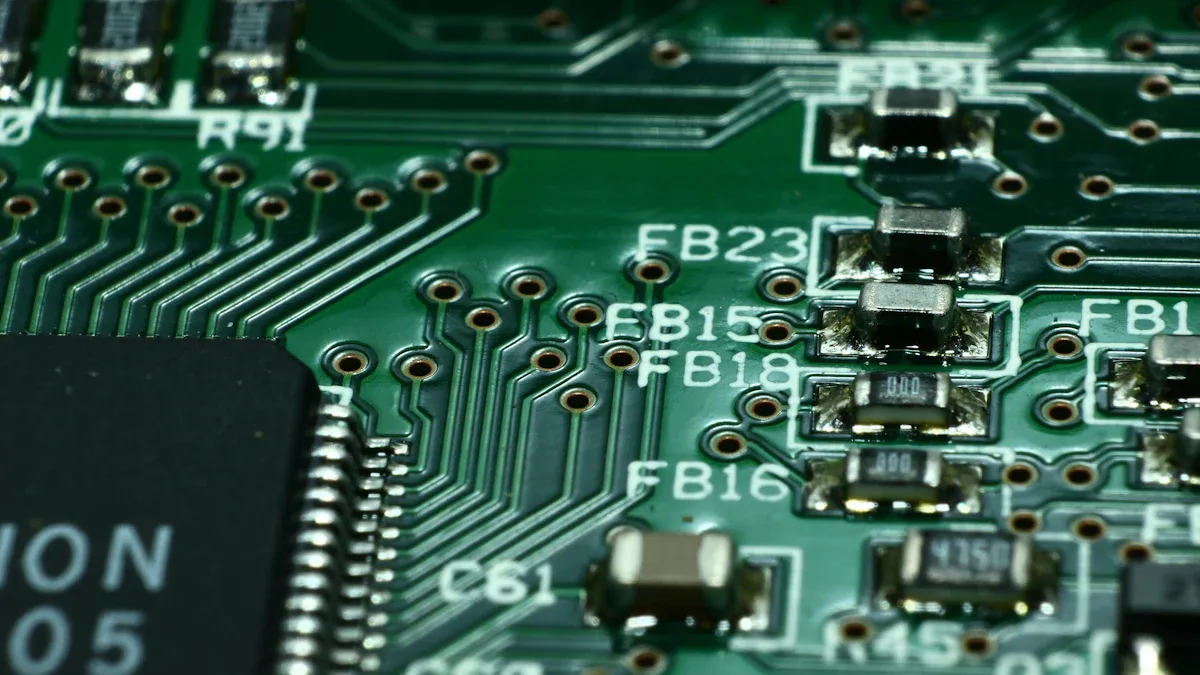
The layout of the wireless headset PCB affects how well it works. Follow trusted methods to improve signals and reduce noise. For example, using separate ground planes for analog and digital parts lowers noise issues. Keeping high-energy parts away from the antenna improves signal quality. Adding ground stitching vias can also reduce unwanted radiation.
Practice | Description |
|---|---|
Ground Plane Separation | Use separate ground planes for analog and digital parts to lower noise. |
Component Detachment | Keep high-energy parts away from the antenna to improve signals. |
Ground Stitching Vias | Add ground stitching vias to reduce unwanted radiation. |
By following layout tips from Bluetooth chipset makers, you can improve your design. Leaving enough space for turning compounds also helps keep signals strong.
Antenna Design
Creating the antenna for a wireless headset PCB is very important. It helps in getting strong signals and good communication. Choose the right antenna type and place it carefully. This ensures the best wireless performance. Here are some ways to improve antenna efficiency:
On-Chip Antennas: These include dipole and patch designs. They fit into silicon circuits, making the PCB smaller but still effective.
Quartz Superstrate: Adding a quartz layer above the antenna boosts signal strength. It also fixes mismatched impedance issues.
When using PCB trace antennas, follow these tips:
Make sure the antenna is at least 8mm x 15mm in size.
Keep the antenna away from other parts, especially the ground plane, to avoid signal problems.
If space is tight, use a chip antenna. It may lower performance slightly. A wire antenna gives the best signal but needs more space.
📌 Tip: Check guides like the Cypress Antenna Design and RF Layout Guidelines or Texas Instruments Antenna Quick Selection Guide. These guides help with antenna designs, especially for 2.4 GHz signals.
You can also adjust antenna length to improve performance. Clip or etch the material to fine-tune it. A well-made antenna ensures strong connections and reduces signal loss.
Power Management
Good power management helps the battery last longer in your wireless headset PCB. Using smart methods can save power without lowering performance.
APSD (Automatic Power Save Delivery): The device wakes up only when needed, saving energy.
Sniff Subrating: Changes listening and sending times to save power during idle moments.
Simultaneous Sniff and HV3 Operation: Lets the device sleep when not in use but stay ready for data.
Transmit Power Control: Adjusts signal strength based on distance, saving battery life.
💡 Note: These methods save energy and make the headset work better.
To save even more power, pick parts like microcontrollers with sleep modes and low-power Bluetooth modules. A smart power system makes your wireless headset PCB work longer and perform better.
Wireless Headset PCB Manufacturing
PCB Fabrication
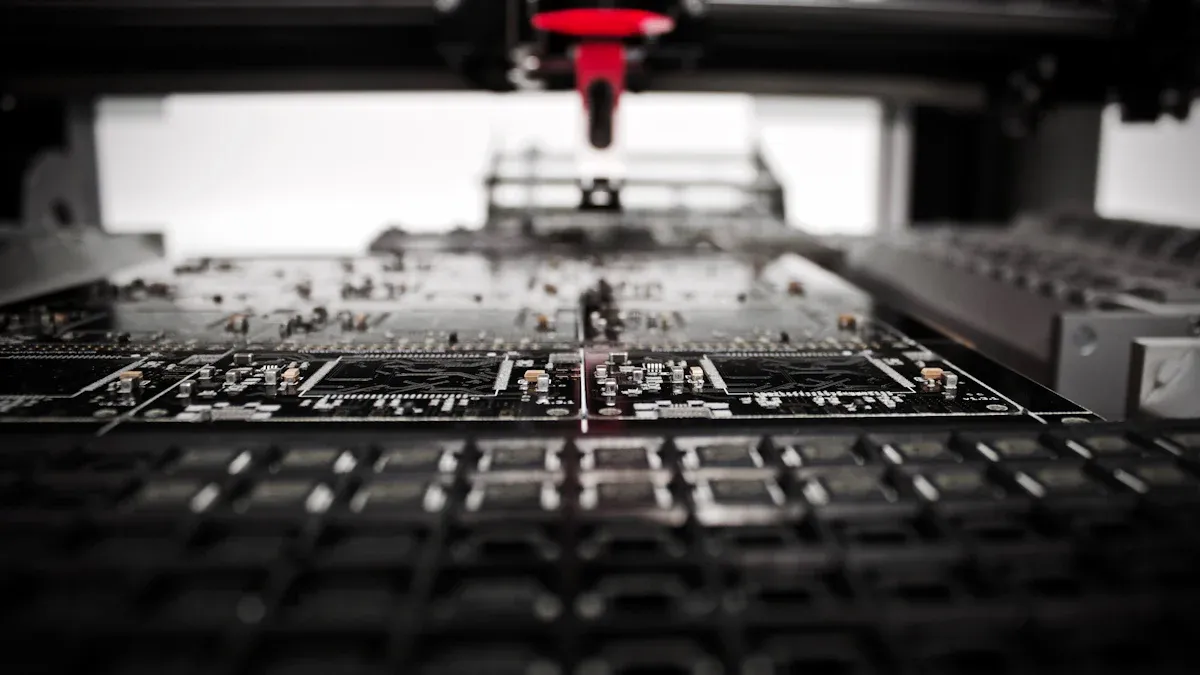
Making a wireless headset PCB means building the board that links all parts. The process must follow strict rules to ensure it works well. Modern tools help create small and efficient PCBs.
Important quality rules include:
RoHS Compliance: Makes sure the board has no harmful materials.
IPC Standards: Gives steps for making strong and reliable electronics.
Quality Rule | What It Ensures |
|---|---|
RoHS Compliance | Keeps PCBs free from harmful materials. |
IPC Standards | Ensures electronics are reliable and high-quality. |
With over ten years of experience, makers now use advanced methods to meet these rules. This makes your wireless headset PCB strong and efficient.
Assembly Techniques
After making the PCB, the next step is adding parts. You need careful methods to make sure the board works right. Surface Mount Technology (SMT) is often used. It places parts directly on the board, saving space and boosting performance.
Key assembly tips include:
Use machines to place parts accurately.
Spread solder paste evenly for strong connections.
Use reflow soldering to attach parts securely.
These steps help make small and reliable PCBs. Good assembly ensures the board can handle modern headset needs.
Testing and Quality Assurance
Testing is very important to check if the PCB works well. Different tests are done on both electronic and mechanical parts. For example, sound tests check audio quality, and durability tests check how long the board lasts.
Test Type | What It Checks |
|---|---|
Electronic Parts | Sound clarity, electrical performance, durability, and speaker consistency. |
Microphone sound, durability, noise cancellation, and environmental safety. | |
PCB strength, part quality, and compliance with rules. | |
Amplifier signals, durability, and reliability. | |
Bluetooth signals, audio quality, and compatibility. | |
Battery life, safety, and leak prevention. |
Testing finds and fixes problems before users get the product. This ensures the headset is high-quality and dependable.
Copying and Reverse Engineering Wireless Headset PCBs
Ethical Considerations
When studying a wireless headset PCB, think about ethics. Copying designs without permission is unfair to creators. It can also stop new ideas from being developed. Always respect the effort others put into their work.
Consider how your actions affect the market. Making cheaper copies might harm the original product’s reputation. This could make customers lose trust in the brand. Following ethical rules helps the industry grow and respects creators’ rights.
Legal Implications
Taking apart a wireless headset PCB can have legal risks. Many countries have strict rules to protect designs. Breaking these rules can lead to fines or lawsuits. Always check the laws in your area before starting.
Some designs are protected by patents. Copying a patented design can cause serious legal problems. Make sure your work does not break patent laws. Talking to a legal expert can help you stay safe from these issues.
Technical Methods
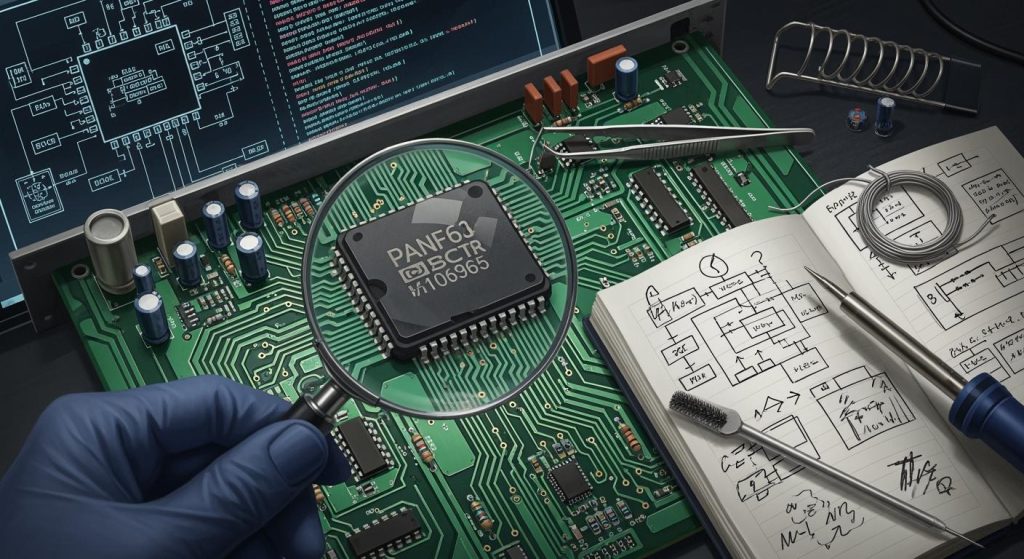
Understanding a wireless headset PCB needs special skills. You must carefully study the board to learn its design. Below are some common methods used for this process:
Method/Innovation | Description |
|---|---|
Component Detection | Uses machines to find and identify parts on the PCB. |
Technical Documentation Analysis | Reviews documents to gather important security and design details. |
Schematic Reconstruction | Maps out how parts are connected based on your findings. |
Automation of PCB Reverse Engineering | Uses tools to make reverse engineering faster and more accurate. |
These methods help you learn how the PCB works. For example, schematic reconstruction shows how parts connect and interact. Automation tools save time and improve precision. Using these techniques gives you a better understanding of the PCB’s design.
Challenges in Wireless Headset PCB Development
Design Problems
Making a wireless headset PCB has many challenges. You need to balance size, cost, and performance. Small designs can cause signal problems or overheating. These issues may lower the device’s efficiency and lifespan.
Another challenge is meeting wireless standards like Bluetooth. If the design doesn’t follow these rules, the headset might not connect well. Power use is also important. Bad power management can drain the battery fast, upsetting users.
To solve these problems, plan carefully. Use simulation tools to test your design early. This helps find and fix problems before production.
Manufacturing Issues
Even with a great design, manufacturing can have problems. Misplaced parts, bad soldering, or damaged boards can cause faulty headsets. These problems often happen during assembly or from poor quality checks.
Environmental factors like dust or moisture can also cause issues. For example, water can create short circuits in the board. To avoid these problems, use strict quality checks. Automated testing can find defects before products are shipped.
Using good materials and following industry rules makes products more reliable. Regular checks of the manufacturing process can reduce errors even more.
Ethical Challenges
Ethics are very important in making wireless headset PCBs. Headsets often collect private user data. You must protect this data from hackers or unauthorized access. Adding encryption and secure logins helps keep user information safe.
Privacy concerns also arise with headsets that have cameras. They might take pictures without permission, causing legal trouble. Clear privacy rules and asking for user consent can solve this.
Some headsets track health data, which needs extra care. Keep health information private and follow data protection laws. Regular security checks help build trust and keep your product safe.
Making a wireless headset PCB needs careful planning and steps. First, pick a trusted maker and create Gerber files for your design. Check part sizes and save materials by arranging them smartly. The making process includes layering, cutting, drilling, and adding a solder mask. After making the board, test it well to check quality before sending it out. For assembly, get parts from good suppliers, spread solder paste, and use machines to place parts correctly. Finish with reflow soldering and test how it works.
Always follow fair rules and respect others’ ideas. Make sure your designs meet industry rules and are legal. To do well, focus on making high-quality boards, test them a lot, and learn about new technology.
💡 Tip: Work with skilled makers and use tools to find design mistakes early. This saves time and makes a better product.
FAQ
What does a PCB do in a wireless headset?
The PCB is like the headset’s brain. It links all parts, controls power, and keeps communication smooth. Without it, the headset won’t work.
How can you make a wireless headset battery last longer?
Use parts that need less power. Try smart power-saving methods like APSD. Adjust signal strength to save energy and extend battery life.
Why is the antenna design important for wireless headsets?
The antenna gives strong signals and steady connections. A bad design can cause weak signals and poor sound quality.
What problems happen when making wireless headset PCBs?
Problems include parts in the wrong place, bad soldering, or damage from the environment. Careful checks and good assembly fix these issues.
Is it okay to study and copy a wireless headset PCB?
Sometimes it’s allowed, but it depends on the laws where you live. If the design has a patent, copying it could be illegal. Always ask a legal expert first.