Tablet computer PCBs are important in today’s electronics. These small boards link and hold the parts of your device. Their smart design helps devices work well with tough tasks. But making these tablet computer PCBs is not easy. Making them smaller needs great care, and heat control needs new ideas. Copying or re-creating a tablet computer PCB also has legal issues. Knowing this helps you value the hard work in every tablet.
Key Takeaways
Making tablet PCBs needs focus on size and heat control. Use smart cooling ways to stop overheating.
Use modern tools like Altium Designer and HyperLynx. These tools help make PCB designs better and keep signals strong.
Copying PCBs can save time and money. Keep designs the same to make them better and faster to produce.
Checking quality is very important in making PCBs. Use machines to find mistakes early and make them reliable.
Learn about rules and ethics in PCB copying. Follow laws to respect ideas, build trust, and encourage new ideas.
Designing a Tablet Computer PCB
Key Challenges in PCB Design
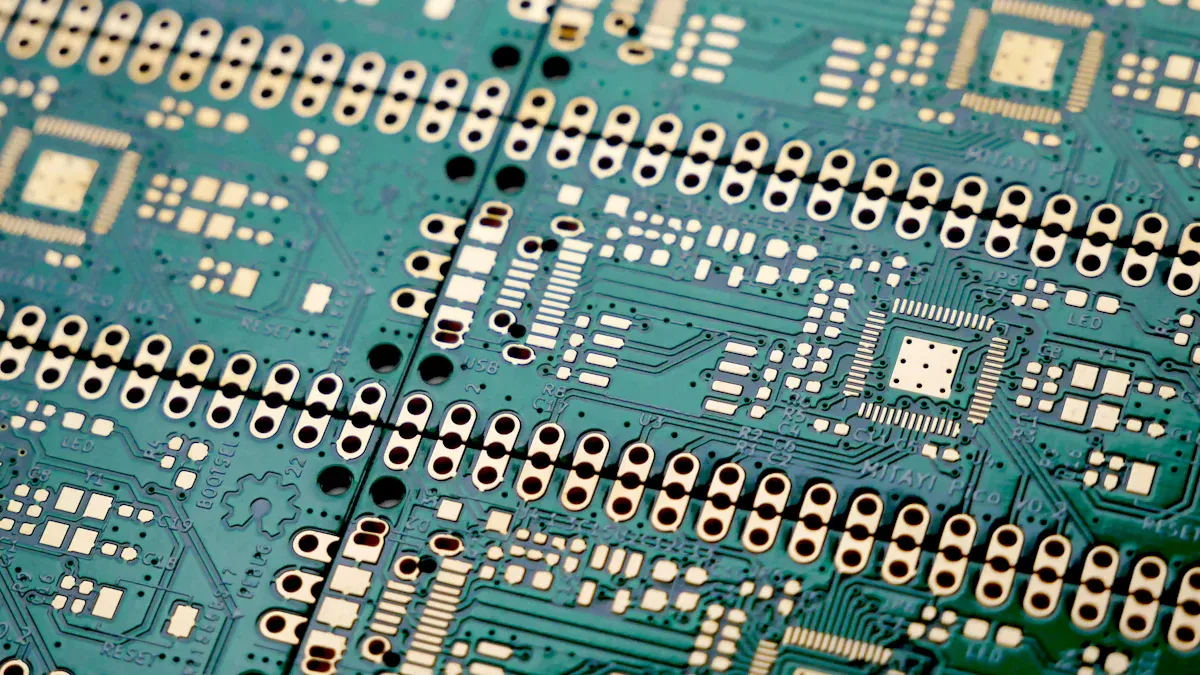
Making a tablet computer PCB is not simple. One big problem is making it smaller. Smaller devices need more parts in less space. This can mess up signals and slow data flow. Many parts close together also make heat control hard. Too much heat can harm parts like chips and ICs. Old cooling methods don’t work well in small designs, so new ideas are needed.
Another issue is keeping signals and power steady. Bad trace design or wrong via spots can cause signal problems. Signals must move smoothly without getting mixed up. Heat can also create hot spots, making the PCB less reliable.
Tools for PCB Design
Good tools make designing PCBs easier and faster. Programs like Altium Designer and Cadence Allegro have helpful features. They let you test your design before making it. You can also set rules to meet industry standards.
For signal and power issues, tools like HyperLynx and Sigrity are helpful. They check impedance, reduce crosstalk, and improve power flow. Oscilloscopes are great for testing and fixing designs.
Here’s a table of key techniques and tools:
Aspect | Key Techniques | Tools Needed |
|---|---|---|
Signal Integrity | Controlled Impedance, Proper Termination, Minimize Crosstalk | HyperLynx, Sigrity, Oscilloscopes |
Power Integrity | Decoupling Capacitors, Power Planes, PDN Analysis | PowerSI, HyperLynx PI, Oscilloscopes |
Ground Planes | Continuous Ground Planes, Minimize Gaps and Splits | Altium Designer, Cadence Allegro |
Via Placement | Via Stitching, Avoid Signal Discontinuity | Altium Designer, Cadence Allegro |
Return Path | Ground Planes, Minimize Loops | Altium Designer, Cadence Allegro |
PCB Trace Width | Controlled Impedance, Current Capacity | Altium Designer, Cadence Allegro |
Differential Pairs | Length Matching, Controlled Impedance, Minimize Crosstalk | Altium Designer, Cadence Allegro |
Best Practices for PCB Copy Board Design
Copying a PCB needs good methods for success. Use tools that make copying faster and easier. Keeping designs the same improves quality and performance. Familiar layouts also help fix problems quickly.
Copying designs can save money too. Reusing old designs lowers costs. It also helps make products faster. Always write down your designs to follow rules.
Here’s a quick list of tips:
Use tools to copy designs quickly.
Keep designs the same for better quality.
Save money by reusing designs.
Use familiar layouts to fix problems easily.
Make products faster by speeding up production.
By solving these problems and using the right tools, you can design great PCBs. This is important for making strong and smart tablet computer PCBs today.
Manufacturing a Tablet Computer PCB

Material Selection and Preparation
Picking the right materials is very important for good PCBs. Materials must handle heat, last long, and send signals fast. FR4 is a common choice for tablet PCBs. It stays stable under heat and insulates electricity well. Copper is also key. It helps signals move smoothly and lowers resistance.
Metrics like First Pass Yield and Material Yield Variance check material use. A high First Pass Yield means fewer mistakes in production. This saves both time and materials. Below is a table of key metrics:
Metric | What It Means |
|---|---|
First Pass Yield | Percentage of products made without defects, no rework needed. |
Material Yield Variance | Difference between used and expected materials, multiplied by cost per unit. |
Overall Equipment Effectiveness (OEE) | Measures how well machines work based on speed, quality, and uptime. |
Layering and Assembly Techniques
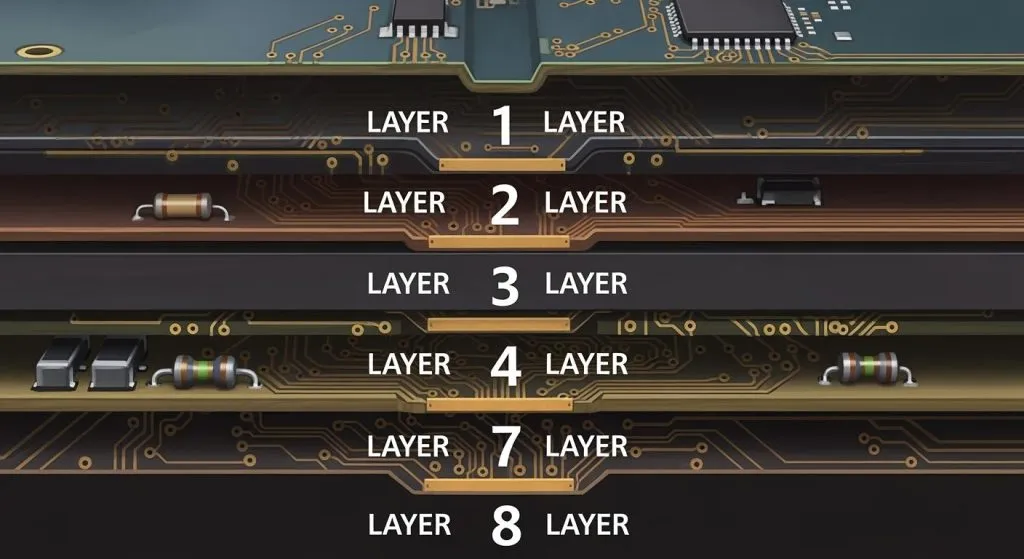
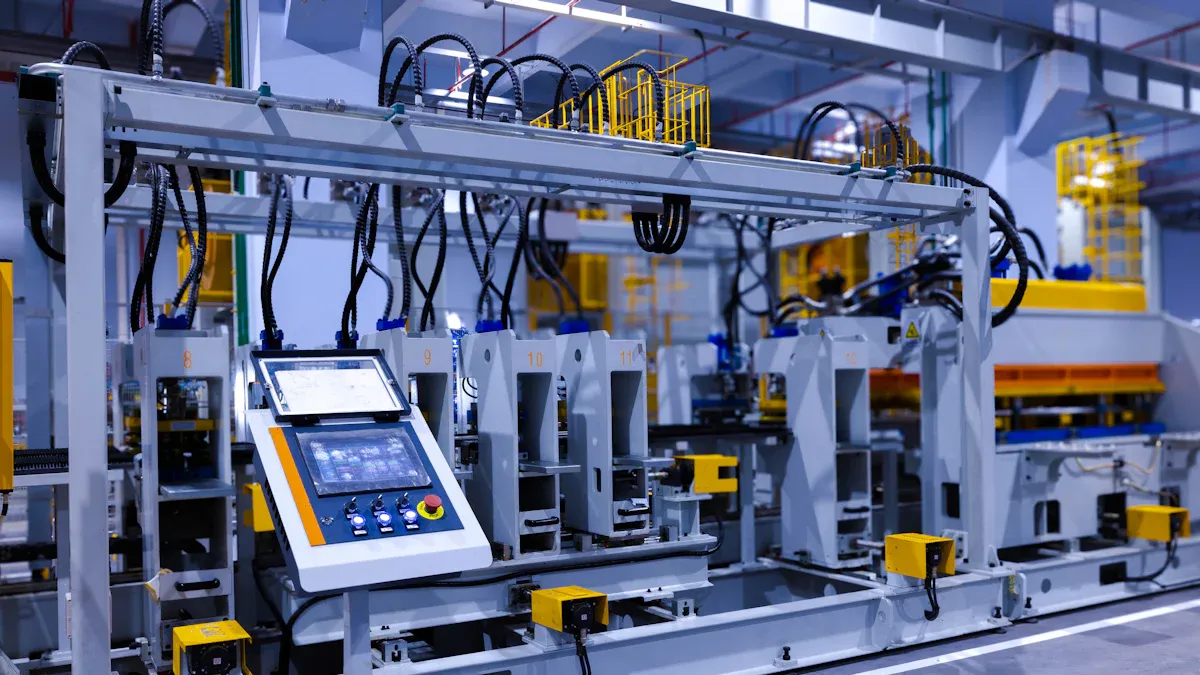
Layering and assembly are key steps in making PCBs. Tablets often use multilayer PCBs to save space and work better. Each layer must line up perfectly to avoid signal problems. Surface Mount Device (SMD) assembly is a helpful method. It places parts directly on the PCB surface. This makes devices smaller, lighter, and better at working.
Setting up your assembly line well also helps. Arranging workstations in order saves time and effort. This improves quality and keeps results consistent.
Quality Control in PCB Manufacturing
Quality checks make sure PCBs meet standards. Start by checking raw materials for cracks or uneven spots. Automated Optical Inspection (AOI) is a great tool. It finds errors in soldering, alignment, and part placement.
Functional testing is also important. It checks if the PCB works properly in real-life situations. By focusing on quality, you can make reliable tablet PCBs with fewer problems.
Copying a Tablet Computer PCB
Reverse Engineering and PCB Copying
Reverse engineering helps understand and copy tablet computer PCBs. It means studying an existing PCB to learn its details. This lets you make a circuit diagram and technical notes. These steps explain how the product works and is designed. Some companies, like Shenzhen Xinda Chang Technology Co., Ltd., offer reverse engineering services. They aim to improve devices and lower production costs.
PCB copying, also called cloning, uses reverse engineering to make copies. It involves studying the original PCB to gather its information. After collecting the data, you can build new electronic products. High-density multilayer board copying is often used for tablets. It helps copy complex designs while keeping them reliable and efficient.
Tools for PCB Copy Board Design
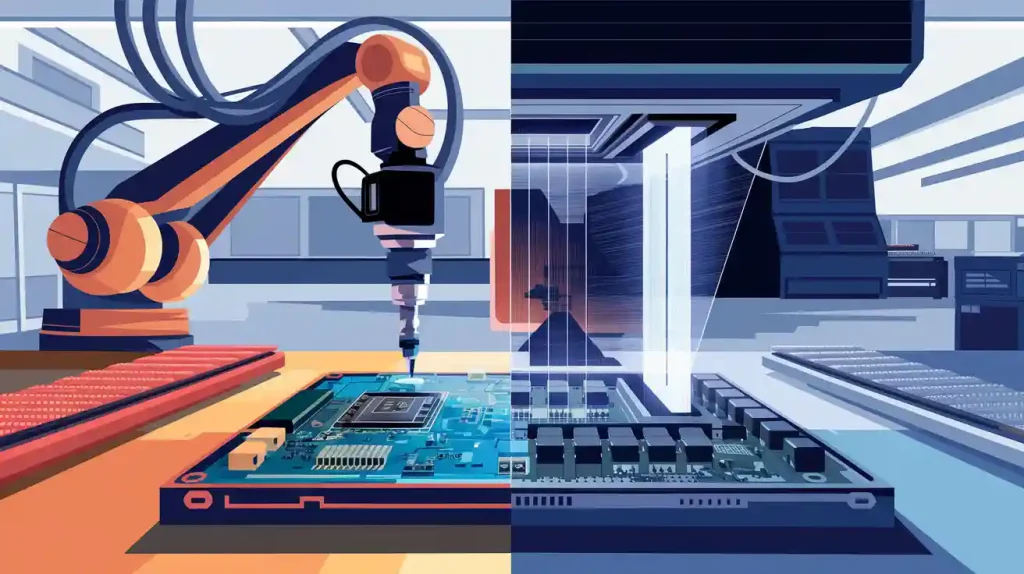
Good tools are needed for successful PCB copying. Scanners and X-ray machines help study PCB layers. These tools show where parts are placed and how paths connect. Software like Altium Designer and Eagle is also important. These programs help you recreate the PCB layout digitally with accuracy.
For copying high-density multilayer boards, advanced tools are required. Laser imaging systems and automated optical inspection (AOI) tools are useful. They ensure your copied PCB works like the original and meets quality standards.
Legal and Ethical Considerations
PCB copying has benefits, but legal and ethical rules matter. Copying without permission can break intellectual property laws. Always check if you have the right to copy a design. Ethical practices in copying and reverse engineering are also important. Respecting the original creator’s work builds trust and supports innovation.
Following legal rules avoids problems and disputes. Ethical actions also protect your reputation in the industry. Always be fair and honest when copying PCB designs.
Accuracy and good quality are key for great PCB design. Focusing on these ensures tablet PCBs work well and meet rules. Being ethical in PCB copying is also very important. Following laws and respecting others’ work keeps your reputation safe. It also helps create new ideas in tablets and smartphones.
The future of tablet PCBs looks very promising. Flexible PCBs are popular because they fit small, smart designs. New materials make PCBs work better and use less power. Key trends include:
Rigid-flex PCBs, which are strong and bendable for better tablets.
Flexible PCBs working with 5G, improving speed and connections.
Smaller designs with High-Density Interconnects (HDI) for modern tablets.
These changes match the growing need for better tablets and smartphones. They help make devices smarter and more efficient.
Note: Using eco-friendly methods is becoming very important in PCB making. Recycling materials and saving energy protect resources and meet customer demands for fair production.
FAQ
What is the difference between PCB and PCBA?
A PCB is just the empty board for connecting parts. A PCBA, or Printed Circuit Board Assembly, has the board and all parts attached. PCBA makers assemble the board to make it work.
How do you choose the right PCB manufacturer?
Pick manufacturers with experience, certifications, and positive feedback. Make sure they use the materials and tools you need. Check if they meet quality rules and support your project.
Can you copy a PCB without breaking the law?
You can copy a PCB if you have permission or if it’s not protected by law. Always check the rules before copying to avoid problems.
Why is heat management important in tablet PCBs?
Heat can harm parts and lower performance. Good heat control keeps the PCB working well. Tools like thermal vias and heat sinks help manage heat.
What tools are essential for PCB design?
You need software like Altium Designer or Cadence Allegro for planning and testing. Tools like oscilloscopes and analyzers help improve your design.