You need your phone to work in hard places. Rugged mobile phone standards are important for this. These standards give rules for how strong and reliable a phone is. If you use a rugged mobile device outside or at work, you need a phone that can handle very hot or cold weather. It also needs to survive drops and bumps.
Rugged phones keep working when regular phones stop.
Feature | Standard Smartphone | Rugged Phone |
|---|---|---|
Operating Temperature | 0°C – 35°C | -20°C – 60°C |
Charging | Disabled below 0°C, limited above 35°C | Normal in high or low temperatures |
High-Temperature Performance | Screen dims, CPU slows down, may shut off | Stays strong, gets rid of heat well |
Low-Temperature Performance | Battery dies fast, screen slows, may shut off | Works fine, battery lasts, screen works well |
Think about if rugged standards match your work or life before you pick your next phone.
Key Takeaways
Rugged mobile phones can handle very hot or cold weather. They do not break easily if dropped. They work well in tough places. These phones are good for outdoor jobs and hard work.
Check for certifications like IP68 and MIL-STD-810H. These show the phone is waterproof. They also show the phone can take hits and bad weather.
Pick the rugged phone that fits your needs. Semi-rugged phones are good for office work. Fully-rugged phones are better for fieldwork. Ultra-rugged phones are best for military or rescue jobs.
Think about features like screens you can use with gloves. Long battery life is also important. These help you use the phone in hard places.
Always look at the durability and waterproof ratings. Do this before you buy a phone. This makes sure your phone can handle your job or adventure.
What makes a rugged mobile phone
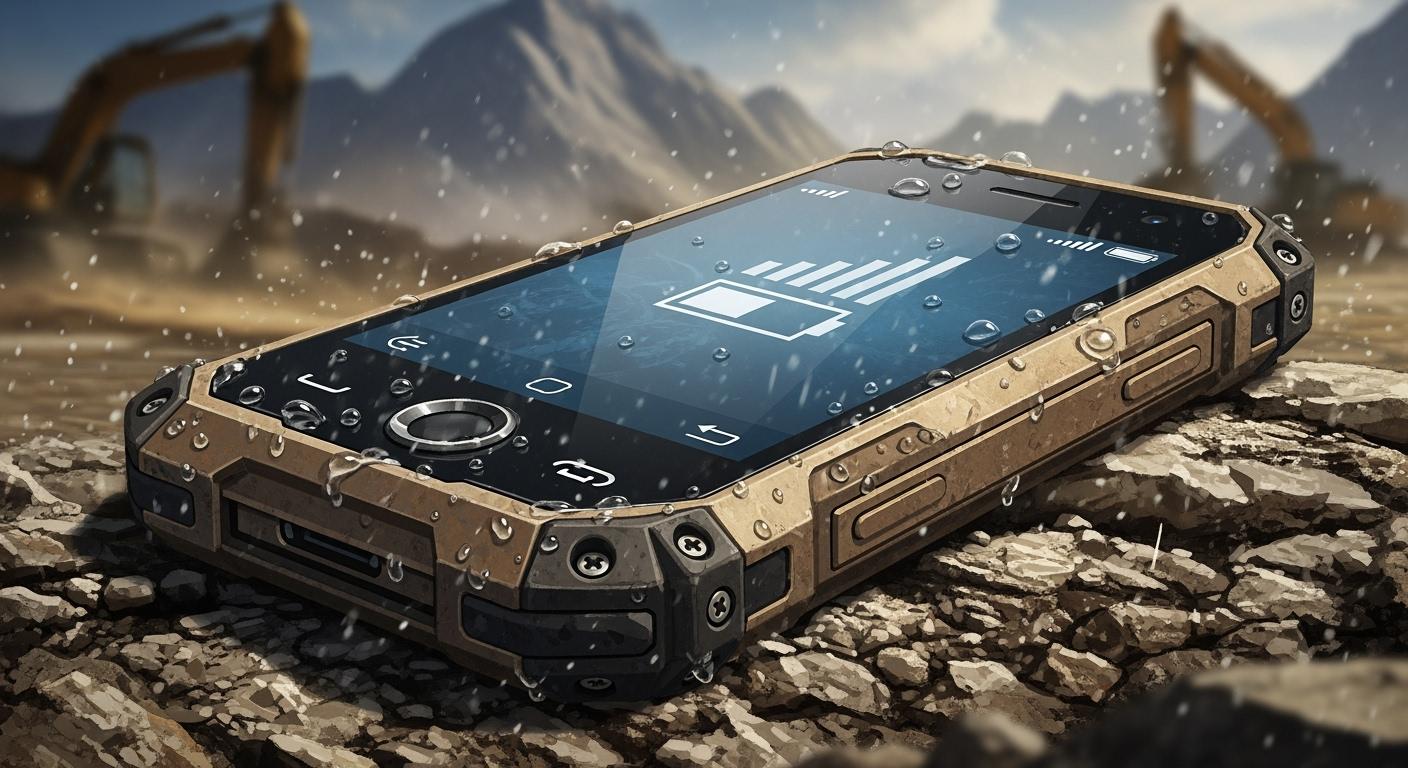
A rugged mobile phone is special because it can handle tough places. You need a phone that works in rain, dust, and very hot or cold weather. Companies build these phones with strong cases. This keeps water, shock, dust, and shaking out. You can use rugged phones for work outside or sports. Most have IP68 standards, so they block water and dust.
Levels of ruggedness: semi, fully, ultra
There are three main types of rugged phones. Each type gives different protection and works in different ways.
Type | Durability Characteristics | Performance Characteristics |
|---|---|---|
Semi-rugged | Made for long use, better safety, and extra parts. | Works like a normal business phone. |
Fully-rugged | Handles hard jobs, bad weather, wet places, and drops. | Strong inside parts to stop breaking. |
Ultra-rugged | Made for the hardest places, works with shaking and bad weather. | Built for military and very tough jobs. |
Pick the type that fits your work or adventure. Ultra-rugged phones are best for military or rescue jobs. Fully-rugged phones are good for building or fieldwork. Semi-rugged phones are for office workers who want more safety.
Durability vs. waterproof devices
You may wonder what makes durability and waterproofing different. Durability means the phone can take drops, bumps, and rough use. Waterproofing means the phone can stay safe from water and dust. Some rugged phones have military-grade standards like MIL-STD-810H for durability. Others have IP68 or IP69K ratings for waterproofing.
Tip: Try to get phones with Gorilla Glass, raised edges, and glove-touch screens. These help keep your phone safe and easy to use in tough places.
Here is a quick comparison:
Feature | Durability (MIL-STD-810H) | Waterproof (IP68/IP69K) |
|---|---|---|
Shock Resistance | Yes | No |
Dustproof | No | Yes |
Water Resistance | No | Yes |
High-Pressure Water Jets | No | Yes |
Full Submersion Capability | No | Yes |
Check both ratings before you buy a rugged phone. A phone with both will last longer and work better in hard places.
Key certifications for rugged mobile devices
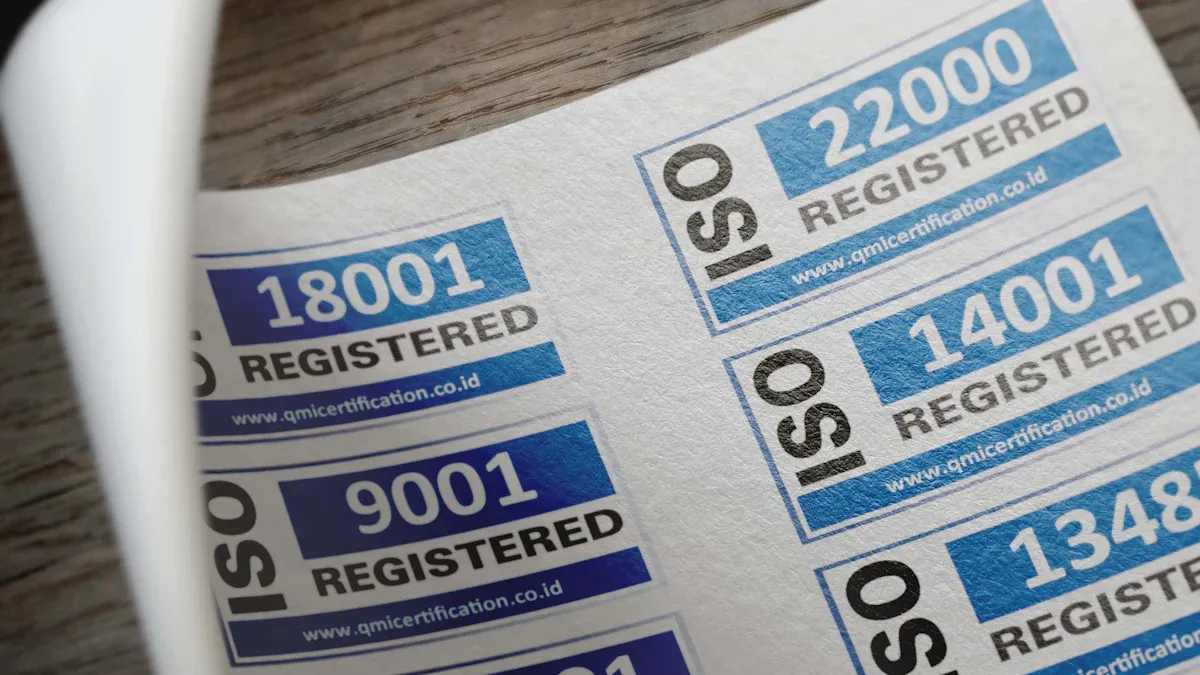
When you want a rugged mobile phone, check the certifications. These show if your phone can handle tough places. You will see IP68, IP69K, and MIL-STD-810H. Each one tells you something different. They help you know what your phone can survive.
IP68 and IP69K ratings explained
IP ratings show how well your phone keeps out water and dust. IP68 means your phone can go underwater for over one meter. It also keeps dust out. IP69K is even stronger. It means your phone can take high-pressure water jets and hot water. Many rugged phones have these ratings. There are 960 phones with IP68 or IP69K.
Here is a table that explains what each certification means and where you use it:
Certification | Significance | Applications |
|---|---|---|
IP68 | Stops dust and can go deep in water. | Good for outdoor and work places. |
IP69K | Handles strong water jets and hot water. | Great for tough cleaning jobs. |
MIL-STD-810H | Stays strong in heat, cold, wet, and shock. | Used for military and hard jobs. |
Tip: If you work outside or in dusty, wet places, get phones with IP68 or IP69K.
MIL-STD-810H compliance overview
MIL-STD-810H means your phone passed hard tests. These tests check if your phone works in heat, cold, wet air, and shock. This standard is used for military and rescue jobs. The tests cover many things to make sure your phone is strong.
Here are some main tests for MIL-STD-810H:
Test Type | Description |
|---|---|
Temperature | Checks if it works in hot or cold. |
Humidity | Tests if it works in wet air. |
Altitude | Checks if it works high in the mountains. |
Vibration | Makes sure it can handle shaking. |
Shock | Tests if it survives drops and hits. |
MIL-STD-810H is more than just water and dust. It checks if your phone is strong in many ways. This is different from IP ratings.
Waterproof vs. rugged certifications
You may wonder how waterproof and rugged certifications are not the same. Here is a simple list:
IP ratings check water and dust safety.
MIL-STD-810H checks drops, heat, and cold.
Waterproof means safe from water.
Rugged means strong in tough places.
If you want a phone for rain and drops, get both certifications. This keeps your phone safe in many ways.
Note: Rugged tests check more than water. They look at shocks, heat, cold, and shaking.
When you pick a rugged phone, look at both waterproof and rugged certifications. These help you choose a phone for your work or fun. Your phone will last longer and stay safe.
Rugged military mobile phone standards
If you want a rugged military mobile phone, you need to know how it handles tough military tests. These standards make sure your rugged mobile device works in extreme places. Military experts use strict rules to test every rugged military mobile phone. You want a phone that passes these tests so you can trust it outside.
MIL-STD-810H testing methods
The MIL-STD-810H standard is the main rule for military ruggedness. You see this standard on many rugged military mobile phones. It covers many tests to check how strong the phone is. These tests push each rugged military mobile phone to its hardest point.
Here are the main ways military-grade rugged mobile phones get tested:
Improved Shock Testing (Method 516.8) – This test copies drops and explosions.
Enhanced Vibration Testing (Method 514.8) – This test copies rough rides and movement.
New Sand & Dust Testing (Method 510.8) – This test checks if the phone keeps out tiny bits.
Updated Temperature & Altitude Testing – This test checks fast changes in heat and height.
There are also tests for low pressure, rain, humidity, fungus, salt fog, and water. These tests make sure your rugged military mobile phone works in deserts, mountains, and wet places. The goal is to show every rugged military mobile phone is tough.
Tip: MIL-STD-810H means your rugged military mobile phone can survive drops, shocks, and bad weather.
Core checklist for military-grade devices
You want to make sure your rugged military mobile phone meets all military rules. Use this checklist to help you pick the right rugged military mobile phone:
Check certifications – Look for MIL-STD-810H in the specs. This shows real military drop safety.
Check port covers – Covered ports keep out dirt and water.
Feel the grip – A rough surface helps you hold your rugged military mobile phone, even with gloves.
Check the warranty – Good brands give 1–2 year protection or replacement.
You should also look for other certifications like IP68 and IP69K. These show your rugged military mobile phone can handle water and dust. The table below shows the main military standards for rugged mobile phones:
Standard | Description |
|---|---|
MIL-STD-810H | Makes sure devices can handle things like shock, vibration, and temperature changes. |
IP68 | Shows full dust safety and lets the phone go underwater for a set time. |
IP69K | Gives safety from strong, hot water jets, good for cleaning. |
A rugged military mobile phone with these standards gives you trust in any military or outdoor job. You know your rugged military mobile phone will keep working when you need it most.
Real-world uses for rugged mobile devices

Construction and fieldwork
Construction sites and fieldwork can be very hard places. Rugged mobile devices help protect against drops, dust, and water. You can use them to look at blueprints, take pictures, and send updates. You do not have to worry about breaking your device. Construction workers need strong devices to work in tough weather.
Rugged mobile devices let you get important info fast. This helps you fix problems quickly.
Good cameras let you show your team what is happening right away.
GPS helps you plan better and find teams fast in emergencies.
Microphones and cameras make it easy for field workers to talk and work together.
Here are some ways different jobs use rugged mobile devices:
Industry | Use Case Description |
|---|---|
Public Safety and Emergency Response | First responders use rugged devices to report, find places, and talk in tough situations. |
Manufacturing and Production Lines | Workers use them to watch how things are made, check quality, and track parts in car factories. |
Utilities and Infrastructure Inspection | Inspectors use rugged devices to record data when checking power lines, pipes, and water plants. |
You need strong devices to keep working, even when things get rough.
Emergency and military applications
In emergencies or military jobs, you need a rugged mobile phone that stays safe and keeps working. These phones can handle bad weather, drops, and shocks. They have batteries that last a long time and safe connections. This helps you stay in touch when it is very important.
Rugged phones with tough screens and good displays help you see what is happening right now.
Feature | Description |
|---|---|
Durability | Passes military tests for drops, shocks, heat, cold, and liquids. |
Battery Life | You can swap batteries for longer use outside. |
Connectivity | Strong wireless lets you get data and stay connected. |
Security | Keeps your private info safe in hard times. |
Specialized Functions | GPS, thermal cameras, and barcode scanners help you do your job better. |
You can count on these phones to keep you safe and working in tough jobs.
Outdoor and adventure scenarios
When you go outside for work or fun, you need a rugged mobile device that keeps working in bad weather. These phones do not break if you drop them or get them wet or muddy. You can talk to others and the battery lasts a long time. This is very important for people who work or play outside.
Made to stop water and shocks from hurting your phone
Good for talking and staying safe outside
Works well and stays strong in hard outdoor places
A rugged mobile phone helps you face hard outdoor jobs. It gives you strong protection and lasts wherever you go.
PCB Design and Manufacturing Requirements for Rugged Mobile Phones
If you use a rugged mobile phone at work, it must survive drops, heat, and wet places. The secret is in the rugged mobile hardware inside. The printed circuit board (PCB) is the most important part. Its design and the materials used decide how well your phone works in tough jobs.
Material selection for enhanced durability
Use of high-temperature and impact-resistant substrates
You want your rugged mobile hardware to last in hard places. Makers use copper and fiberglass for the PCB. These materials can take heat and hits. Flexible substrates help rugged mobile hardware fit in small devices. Most PCBs are 0.2 to 0.6mm thick. This makes them strong but not heavy.
Feature | Description |
|---|---|
Low Dielectric Loss | Helps save energy when signals move fast. |
Stable Dielectric Constant | Keeps signals moving at the same speed. |
Thermal Stability | Lets the PCB work in hot and cold places. |
Corrosion-resistant coatings and finishes
You need your rugged mobile hardware to fight rust and damage. Special coatings protect the PCB from water, dust, and chemicals. These finishes help rugged mobile hardware work well outside and in factories.
Structural design considerations
Reinforced PCB layouts to withstand shocks and vibrations
Engineers put heavy parts close to where the PCB is held. They use stiffeners and ribs to stop bending. This design helps rugged mobile hardware survive drops and shaking at work.
Optimized trace routing for reliability
Good trace routing keeps signals strong and quick. High-density interconnects and new materials help rugged mobile hardware work fast and last longer.
Manufacturing process adaptations
Stringent quality control and testing procedures
Makers test rugged mobile hardware with shaking, dropping, and heat tests. These tests find weak spots before you get the device.
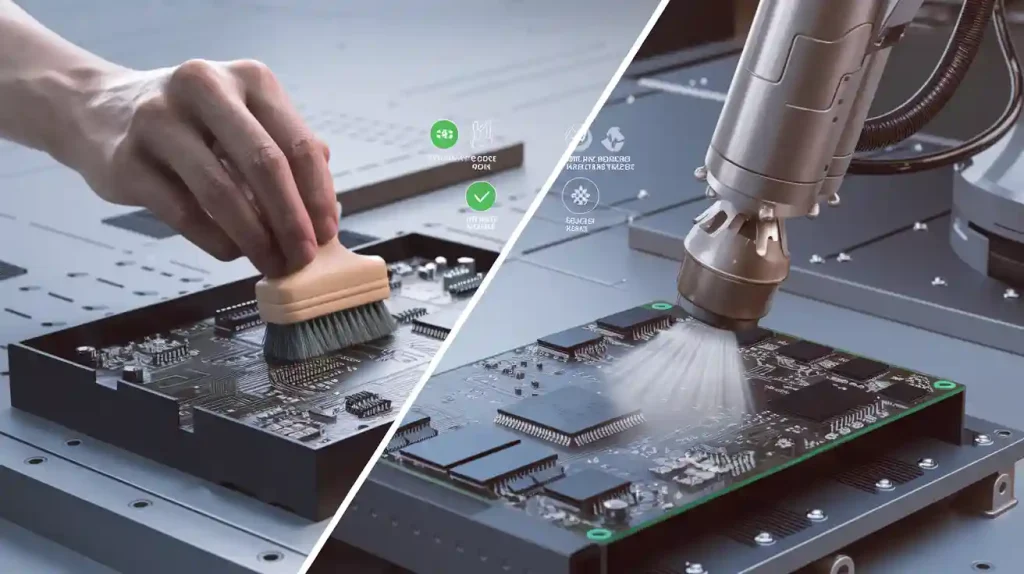
Conformal coating and sealing for moisture and dust protection
A special coating covers the PCB. This seal keeps water and dust out. It helps rugged mobile hardware last longer in tough places.
Tip: Rugged mobile hardware made for work means fewer repairs and better results every time.
Choosing the right rugged mobile phone
Assessing your environment and needs
First, think about where you will use your phone. If you work outside or in places with dust or water, you need a rugged phone. Some places are very hot or cold. A rugged phone can handle these tough spots. Ask yourself if you might drop your phone or use it in rain or snow. Some jobs need you to use gloves. Look for screens that work with gloves. If you are away from power for a long time, pick a phone with a strong battery. This helps you stay connected.
Here are some things to think about:
How much space do you need for photos and apps?
Do you want a phone that fits in your pocket or a bigger one?
Will you use wireless charging or need a special camera?
Is a battery you can change important for your job?
Will you use the phone in emergencies or on the front line?
Rugged phones are good for people who work outside or have hard jobs. You can count on these phones when regular ones might stop working.
Comparing certifications and features
When you look at rugged phones, check the certifications and features you need. The IP rating shows how well the phone keeps out dust and water. For example, IP68 means the phone is safe from dust and can go underwater. MIL-STD-810H means the phone passed tests for drops, shocks, and heat or cold. Not every phone passes every test. Check which tests matter most for your job.
Here is a table to help you compare:
Feature | Standard Smartphone | Rugged Phone |
|---|---|---|
Durability | Breaks easier, not very strong | Very strong, made for drops, water, dust, and heat |
Design | Thin and looks nice | Bigger, made to protect the phone |
IP Rating | Low or none | High (IP68 or higher) |
Think about battery life too. Rugged phones often have big batteries. You can use them all day without charging. This is helpful if you work far from power. Reading what other people say about the phone can help you know how it works in real life.
Tip: Pick a rugged phone with the right certifications, features, and battery life for your needs. This helps you stay safe and get your work done.
When you know about rugged mobile phone standards, you can choose better. Certifications like IP and MIL-STD tell you how well rugged mobile phones handle water, dust, and drops. Rugged mobile devices have glove-friendly screens, strong batteries, and keep your data safe. These phones last longer and work well in hard places. This helps you pick the best rugged phone for your job or adventure.
Rugged designs keep your phone safe and help you work.
Long battery life and tough screens help you stay in touch.
FAQ
What does IP68 mean for a rugged phone?
IP68 means your phone can handle dust and water. You can drop it in water deeper than one meter, and it will still work. This rating helps you use your phone in rain or on dirty job sites.
How do I know if a phone is military-grade?
Look for the MIL-STD-810H certification in the phone’s specs. This shows the phone passed tests for drops, shocks, heat, and cold. You can trust these phones in tough environments.
Can I use a rugged phone with gloves?
Yes, many rugged phones have screens that work with gloves. You can use them on job sites or in cold weather. Check the phone’s features for “glove mode” or similar options.
Do rugged phones have good battery life?
Most rugged phones have large batteries. You can use them all day without charging. Some models let you swap batteries for even longer use.
Are rugged phones heavier than regular phones?
Rugged phones usually weigh more because of their strong cases and big batteries. You get extra protection, but the phone may feel heavier in your hand or pocket.