You can see that the design and manufacturing of IP phones is changing how businesses communicate. Companies use digital and IP-based systems for clearer calls and improved collaboration. Innovations like 5G and AI enhance VoIP phone systems, adding more features and making IP-based phone systems smarter. The market is growing rapidly, as illustrated in the table below:
Metric | Value |
|---|---|
Projected market valuation (2024) | US$ 37.3 billion |
Projected market valuation (2034) | US$ 80.6 billion |
CAGR (2024-2034) | 8% |
North America market share (2034) | 31.5% |
East Asia market size (2024) | US$ 8.8 billion |
You can see that the design and manufacturing process focuses on reliability, innovation, and supporting businesses that are expanding.
Key Takeaways
IP phones help businesses talk better with clear calls and easy teamwork using digital systems.
Learning what users need by doing research helps make phones that help people work better and work from home.
Good PCB development is very important for making phones work well and last a long time.
Putting hardware and software together well is needed for a smooth way to talk on different devices.
Checking for updates and security often is important to keep IP phone systems safe and working their best.
IP Phone Design and Manufacturing

Market Research & User Needs
You begin by finding out what users want in their phones. You use phone surveys, call recording, and call tracking to learn about their needs. These ways help you reach people who do not use the internet much. You ask about features, call quality, and how simple the phones are. Listening to calls helps you know what users like and what problems they have. This information helps you make phones that work for all businesses.
Most businesses want phones that make talking and working together easier. They want features like presence status, instant messaging, and call recording. Many companies also want phones that work with business apps like CRM software. Video conferencing is important for remote work. Call recording helps with training and checking quality. Multi-device support lets users switch devices without losing connection. You use this research to design phones that help businesses grow and work better together.
Hardware Design
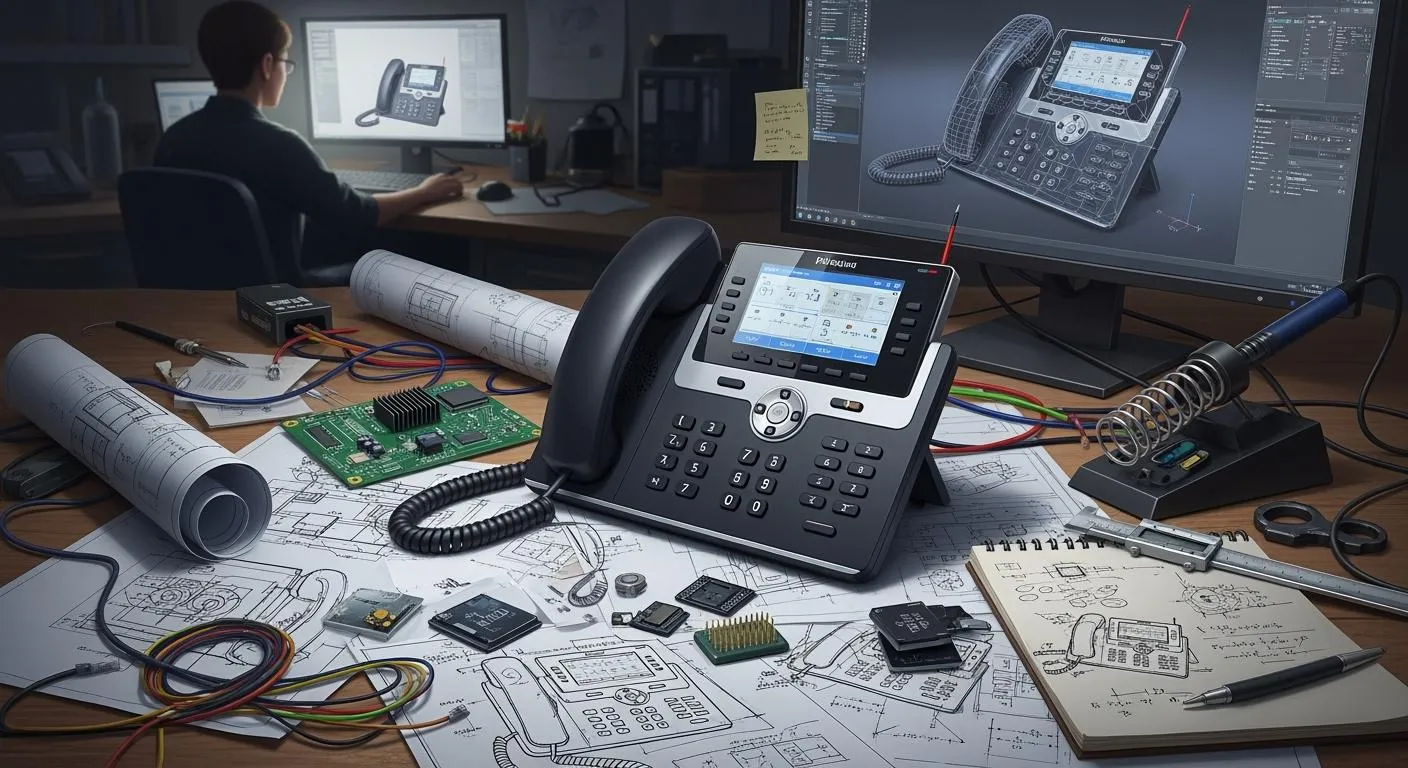
After learning what users need, you start hardware design. You focus on making phones that are strong and simple to use. Today, new technology like AI is used in phones. AI helps with voice recognition and smart call routing. Many phones now use cloud-based solutions for updates and remote control. You also see advanced features like wireless connections and touchscreen displays. These features make phones more useful for every business.
You make sure the hardware works well with other business tools. You design phones to fit with unified communications platforms. This lets users call, message, and join video meetings from one device. You test the hardware to make sure it fits modern business needs.
PCB Development
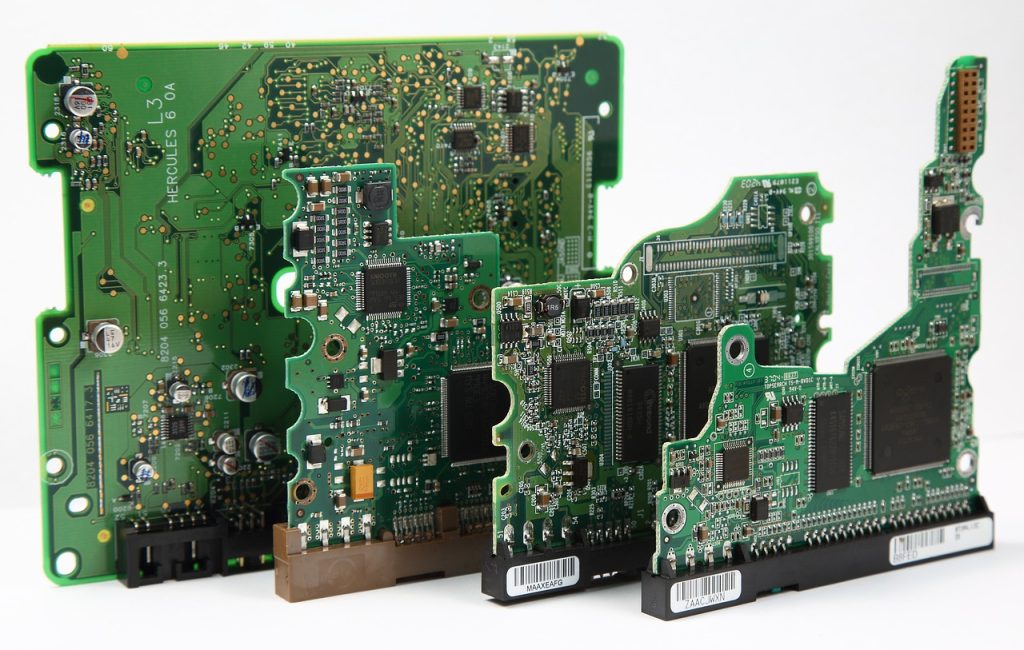
You cannot make good phones without strong PCB development. The printed circuit board connects all the parts of the phone. It makes sure the phone works well. You follow industry standards like IPC to keep PCBs safe and high quality.
Source | Description |
|---|---|
IPC Classes and Complying with IPC Standards for PCB Design | IPC standards influence PCB design and production preparation across industries, ensuring performance and reliability. |
Guide to IPC Standards for PCBs | IPC standards are widely accepted as the industry standard for PCB manufacturing, helping maintain product quality and safety. |
Comprehensive Guide to IPC Standards for PCBs | Adhering to IPC standards is crucial for producing high-quality, reliable products in PCB manufacturing and electronics assembly. |
You check every detail in PCB design. You look at wiring width, spacing, and heat control. These steps help your phones stay strong and last long. Good PCB design means the phone will work for its whole life. This is important for business phones because downtime can cause big problems.
You face problems in PCB development. Small mistakes, wrong materials, or layers that do not match can cause trouble. You work with suppliers and use simulation tools to avoid errors. You check each step to make sure the PCB works well with the rest of the phone.
Tip: Always check for design mistakes early. This saves time and helps you give customers reliable phones.
Software & UI
You design software that is easy for people to use. You choose between web-based solutions and desktop applications. Web-based solutions work in browsers and are simple to update. Desktop applications have more features and are more reliable. You pick what is best for each business.
Category | Description |
|---|---|
Web-based solutions | Operate through browsers, offering simplified deployment and platform independence |
Standalone desktop applications | Provide enhanced features, superior reliability, and advanced feature sets |
You focus on user interface design to make phones comfortable and easy. You add things like adjustable screens and simple menus. These changes help users feel good during long calls. A good interface makes it easy to switch between calls, messages, and meetings. When you make the software easy to use, people are happier and rate the phones better.
You make sure the software supports unified communications. This means users can use all their tools in one place. You test the software to make sure it works with other business solutions.
Integration Process
You finish by making sure all parts work together. You check that hardware and software fit with business systems. You test the phones with different VoIP providers to make sure they connect well. You also check if the network can handle the phones for the best results.
Aspect | Description |
|---|---|
Device Compatibility | Ensure that the hardware integrates seamlessly with your VoIP provider’s system. |
Testing | Conduct thorough testing to identify any compatibility issues before full deployment. |
Network Infrastructure | Ensure that the network infrastructure supports VoIP systems for optimal performance. |
You make sure the phones work with tools like CRM systems and email clients. You check if the software works with different devices and systems. You focus on smooth integration so users can move between devices and apps without losing connection. This helps businesses have a unified communications system.
You learn from top companies like Indesign, LLC and Texas Instruments. They show you how to mix hardware and software for the best results. You use their designs to make your own phones better.
Note: Smooth integration is very important for business phones. It helps you give better solutions for every business.
Manufacturing Process & Quality Control

Component Sourcing
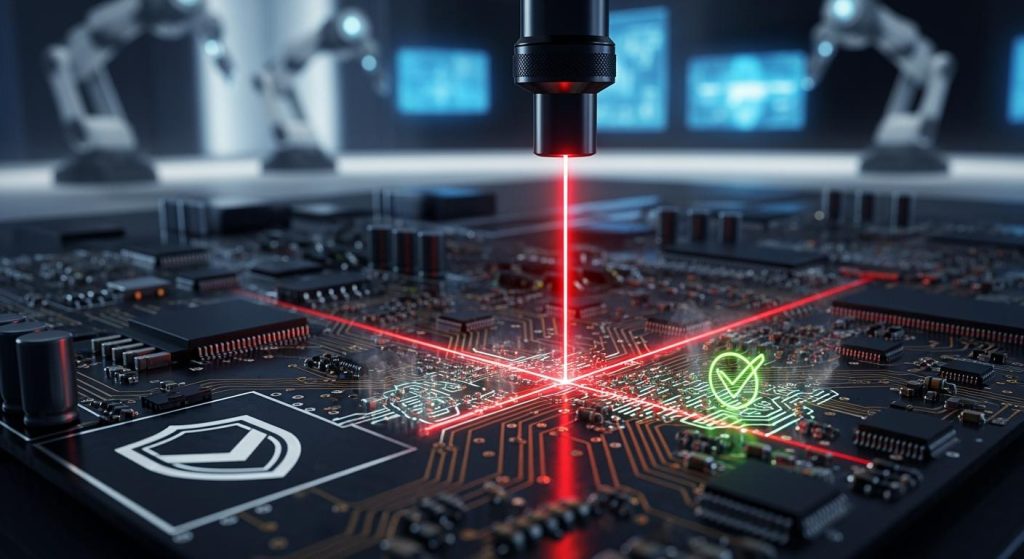
You begin by picking the best parts for your IP phones. Each part must help the phone sound clear and work well. You check your suppliers many times to make sure they are good. You look at their records and see if they follow quality rules. When parts arrive, you use tools like X-ray machines to find hidden problems. You also grade your suppliers and keep only the best ones. This careful work helps stop problems that could make the phones sound bad or break.
Check if suppliers have good quality systems and certificates.
Look at all new parts with special tools.
Grade suppliers and choose only the top ones.
PCB Assembly
Next, you build the printed circuit board. This step is important for making phones strong and clear. You use new technology to fit more power into a small space. You pick materials that are better for the planet. Robots and artificial intelligence help put parts in the right place fast. These steps make sure your phones always sound good.
Use new technology for small, powerful boards.
Add robots and AI for quick, careful building.
Pick safe materials for the environment.
Automation & Assembly Line
You use robots to help build your phones. Robots do the same job again and again with few mistakes. This makes the phones faster and cheaper to make. The assembly line can run all day and night. Robots also do careful jobs, like soldering tiny parts that help sound. This keeps your phones working well and sounding clear.
Robots make work faster and cut down on mistakes.
Robots do careful jobs for better sound.
You save money and make phones stronger with less hand work.
Testing & Quality Assurance
You test every phone to make sure it works right. You use rules like ISO 9001:2015 and Six Sigma to keep quality high. You look for problems and check if the phone sounds good. You test for things like noise, echo, or dropped calls. You also check for slow speed and lost data. This helps you fix problems before customers get the phones.
Quality Assurance Protocol | Description |
|---|---|
ISO 9001:2015 | Makes sure products and services stay good. |
Six Sigma | Cuts down on mistakes and makes things better. |
Good Manufacturing Practice | Keeps products safe and under control. |
Total Quality Management | Always tries to improve and check quality. |
Tip: Always check sound and how well the phone works before you send it out.
Packaging & Distribution
Last, you pack and ship your phones. You use strong tape and bubble wrap that stops static to keep phones safe. You put clear labels on each box and teach your team how to pack right. You use sensors to check if anything breaks during shipping. You also keep track of every box you send. These steps help your phones get to customers safely, so they work well and sound great.
Use bubble wrap and strong tape to protect phones.
Label boxes and train your team to pack right.
Track every box and use sensors to check for damage.
IP Phone Manufacturers & Industry Solutions
Leading Manufacturers Overview
There are many ip phone manufacturers that lead the world market. These companies make sure their products are high quality and new. You can find their phones in places like offices, schools, and hospitals. Some of the top brands you should know are:
Cisco Systems Inc.
Avaya Inc.
Poly (Plantronics and Polycom)
Yealink Network Technology Co. Ltd.
Huawei Technologies Co. Ltd.
Grandstream Networks Inc.
Mitel Networks Corporation
Alcatel-Lucent Enterprise
Snom Technology GmbH
Panasonic Corporation
These ip phone manufacturers make devices you can trust. Their phones help you talk to your team and customers. You also get good support and updates from these companies.
Modernization Solutions
Sometimes you need to update old phone systems for new technology. There are a few ways you can make your phones better:
Get rid of your old system and use cloud communications.
Change one part of your old system at a time.
Use simple fixes to make basic things work better.
Add new integrations and APIs to your current system.
When you pick these solutions, you spend less on service and repairs. Your phones work better and do not break as much. Your team can work from anywhere. You can control everything from one place. If your business gets bigger, your phone system can grow too.
Tip: Updating your phone system helps you stay ahead and ready for new changes.
Customization & Integration
You want a phone system that works for your business. Different ip phone manufacturers give you special features and ways to connect. The table below shows how some brands let you change and connect your phones:
Manufacturer | Customization Features | Integration Solutions |
|---|---|---|
Snom | Designs based on customer needs | Fits into many business environments |
Fanvil | Uses Broadcom chipsets, HD audio | Scales for small or large deployments |
AudioCodes | Managed through One Voice Operations Center | Simplifies IT administration |
Poly | Built-in features for specific industries | Meets compliance requirements |
Grandstream | Affordable, Android models | Reliable communication solutions |
Avaya | Scales from 2 to 384 extensions | Works for all business sizes |
You can pick the features and connections that fit your needs. This makes it easy to build a system that helps you reach your goals and finish your work.
Challenges & Best Practices
Compatibility & Security
There are many problems when you design IP phones. Sometimes, devices from different brands do not work together. It is important for devices to connect easily. You should use a phone-agnostic design so you are not stuck with one brand. This also helps devices work together. Security is also a big problem. Here are some risks you need to know:
VoIP fraud and toll fraud can cost a lot of money.
If calls are not encrypted, people can listen in.
Bad security settings let attackers get in.
Weak firewalls make your system easy to attack.
Poor endpoint security lets hackers steal information.
Not enough unified communications security leaves holes.
Remote work is risky if you do not protect access.
You must keep your private branch exchange and pbx systems safe. Always update your security and teach your team to spot problems.
Cost & Efficiency
You need to balance cost and efficiency to make good IP phones. The table below shows some smart ways to save money:
Strategy | Description |
|---|---|
Maximize Manufacturing Efficiency | Use VoIP to lower maintenance by using current internet connections. |
Smart Purchasing | Buy in bulk to get better prices. |
Vendor Comparison | Compare quotes to find the best value. |
Long-term Contracts | Sign longer deals for lower rates. |
Leverage Existing Infrastructure | Use your current network to save on upgrades. |
Consider Refurbished Models | Choose refurbished phones with warranties to cut costs. |
You can switch to ip slowly to save money and keep your pbx working during the change.
Regulatory Compliance
You have to follow rules when you make and sell IP phones. Every country has its own laws about data privacy and safety. You need to check if your features follow these laws. Always keep records and test your products to follow the rules. This keeps your business and customers safe.
Team Collaboration
Working together as a team makes better products. AI video tools make meetings easier and more useful. You can record meetings and search them later. Teams that work well together can get 25% more done. Talking openly helps everyone trust each other and share ideas. If you include people from different groups, you get new ideas and better solutions.
Continuous Improvement
You should always try to make your IP phone systems better. Try these steps:
Update your system often to keep it safe.
Watch how your system works to find problems early.
Test everything after you make changes.
Make your system faster to stop delays.
Add backup systems so phones always work.
Teach your team how to use new features.
Check and update security often.
Look at reports to find ways to improve.
These best practices help your business stay ready for new problems and keep your communications strong.
You now know how IP phones go from design to making. Good solutions help your business grow and stay in touch. The best companies make strong products and give good help. You will see new things soon:
VoIP technology will keep changing. This gives you more choices and saves money.
AI will make your phones smarter and simpler to use.
5G networks will make calls faster and video meetings better.
Be ready for these changes so your communication stays strong.
FAQ
What makes IP phones different from regular phones?
IP phones use the internet to send voice calls. You get clearer sound and more features. You can connect with apps and use video calls. Regular phones use old phone lines and do not offer these options.
How do you keep IP phones secure?
You should update your software often. Use strong passwords and encryption. Teach your team about security risks. You can set up firewalls and limit access to keep your calls safe.
Can you use IP phones with your old phone system?
Many IP phones work with older systems. You may need adapters or special software. Some brands offer easy ways to connect new phones to your current setup.
What features should you look for in an IP phone?
You should look for HD audio, touchscreen, call recording, and video support. Check if the phone works with your business apps. Pick phones that fit your team’s needs.
How do manufacturers test IP phones for quality?
Manufacturers run sound checks and stress tests. They use robots to check parts. They follow rules like ISO 9001. You get phones that work well and last a long time.