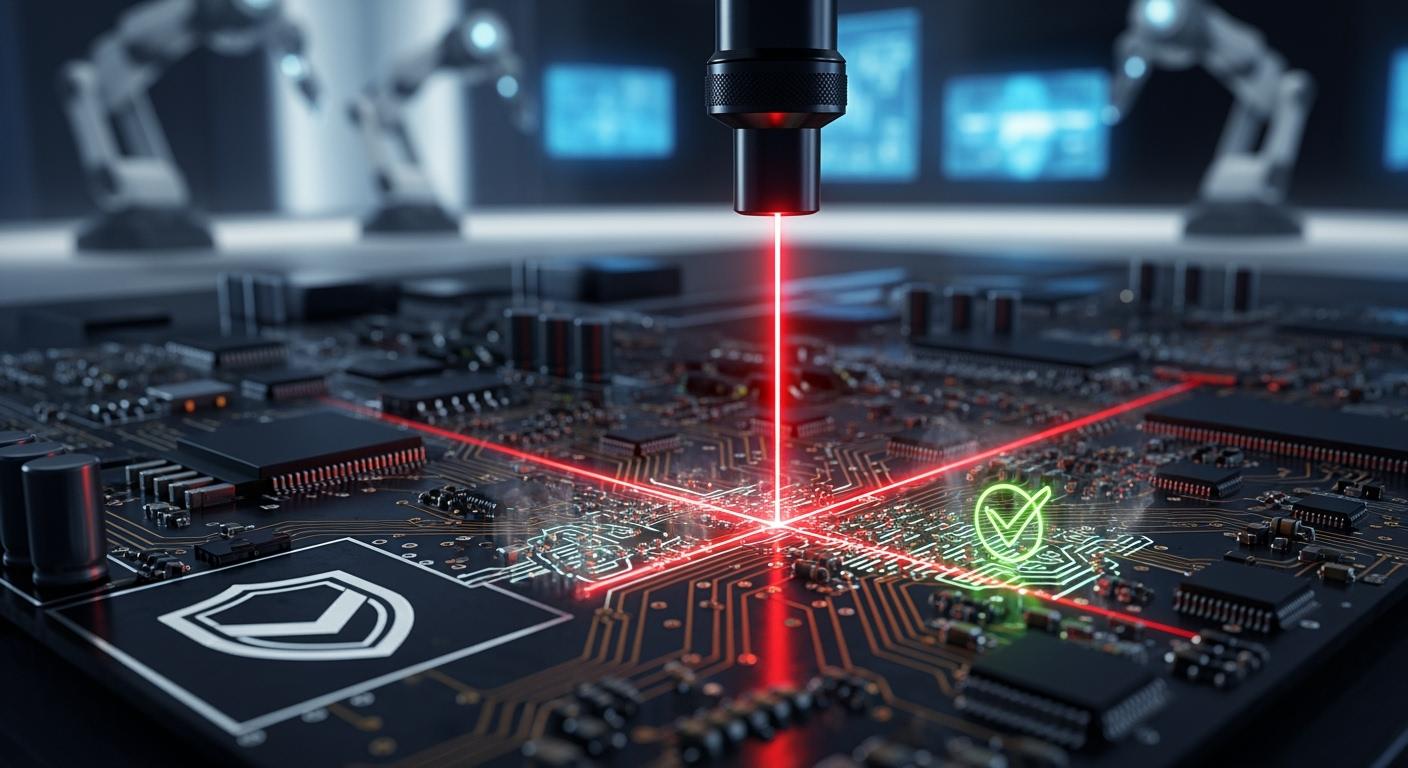
You get clearer and more dependable printed circuit boards with laser direct imaging. This technology uses a computer-controlled laser on a photosensitive material. You do not need phototools or masks anymore. The laser gives very fine resolution and keeps line widths exact. This helps in medical electronics and other advanced fields. You also get better alignment for boards with many layers. There are fewer mistakes in the boards. These benefits make laser direct imaging a great choice for manufacturers who want steady quality.
Computer-controlled lasers help with:
Small details for crowded designs
Steady layer-to-layer matching
Even exposure for more good boards
Key Takeaways
Laser Direct Imaging (LDI) technology makes PCB lines sharper. It helps reduce mistakes in the boards. This makes it great for new electronics.
LDI does not need phototools or masks. This helps make PCBs faster. It also lets people change designs quickly. Fast changes help companies meet what customers want.
LDI is very precise. It can make smaller circuit patterns. This helps signals stay strong. It also lets devices be small and have more features.
Using LDI can save a lot of money. It also cuts down on waste. LDI does not use as many chemicals or materials as old ways to make PCBs.
Big industries like aerospace, medical devices, and telecommunications use LDI. It helps their products last longer. It also makes them work better.
What Is LDI Technology
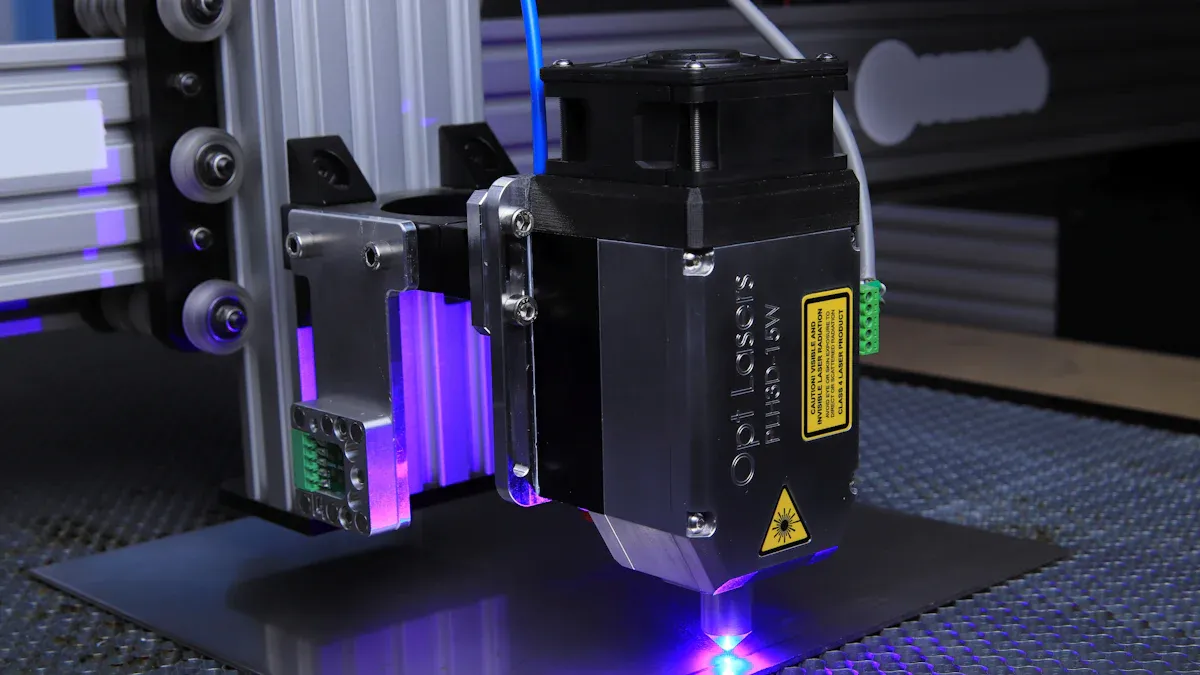
Direct Laser Exposure Process
Laser direct imaging helps make circuit patterns very accurately. LDI technology uses a computer-controlled ultraviolet laser on the photoresist film. You do not need old ways like phototools or masks. The laser looks at the digital design file and puts the image on the board right away. This new technology gives sharper lines and more detail. This is important for high-density interconnect and flexible circuits.
Tip: LDI technology lets you make very thin lines and spaces, even as small as ten microns. This detail is great for 5g technology and devices that need tiny, complex circuit patterns.
Here is a table that shows how laser direct imaging and traditional photolithography are different:
Criteria | Laser Direct Imaging (LDI) | Traditional Photolithography |
|---|---|---|
Precision | High (down to 10 microns) | Moderate (above 50 microns) |
Flexibility | Easy digital updates | Needs new photomask for changes |
Suitability | Great for HDI, flexible circuits | Best for simple, large runs |
Defect Rate | Lower | Higher |
Eliminating Phototools and Masks
You do not need to use films or masks with laser direct imaging. This makes the process faster and lowers mistakes. You can change your designs quickly, which helps with high-density interconnect and flexible circuits. You also have less chance of misalignment and defects. LDI technology works well with things like 5g technology and small devices. You get better results and save time.
LDI technology uses a laser to make circuit patterns without phototools.
You get clear images and fewer mistakes.
The process works with thick copper, big boards, and new materials.
You can count on laser direct imaging to make reliable PCBs for new technology. You get clearer images, faster setup, and fewer mistakes. This makes LDI technology a good choice for modern electronics.
Laser Direct Imaging and PCB Reliability
Precision and Sharp Circuit Patterns
You want your printed circuit boards to last. Laser direct imaging helps you do this. The laser makes very thin lines and spaces. Your circuit patterns look sharper. Signal paths work better. This is important for things like smartphones and medical tools. The laser can make traces as thin as 1 mil. You can design smaller boards and keep good quality. Tighter spaces help signals stay strong and clear. This matters for fast electronics.
Note: Laser direct imaging lets you make smaller devices. You can add more features in less space. Your devices get lighter and more powerful.
Here is a table that shows how companies use laser direct imaging for better reliability and precision:
Evidence Type | Description |
|---|---|
Automation Impact | Delta Electronics India uses robots and AMRs for error-free material handling. |
Sustainability | RAYPCB uses LDI systems to cut waste and save energy in digital workflows. |
Precision & Reliability | LDI creates high-resolution PCBs with fewer defects, boosting device reliability. |
Consistent Quality Production
You need every board to be the same. Laser direct imaging helps with this. The laser follows the digital design closely. Each board matches the last one. You do not get mistakes from masks or manual steps. The process is fast and keeps quality high. You can make thousands of boards this way.
LDI puts digital designs right onto the board, so patterns always match.
You avoid alignment mistakes in multilayer PCBs.
The technology works well for high-density boards.
Here is a table that shows the benefits of laser direct imaging for making lots of boards:
Benefit | Description |
|---|---|
Superior Precision | LDI achieves line widths as small as 20-30 micrometers. |
Cost Reduction | No need for photomasks, so you save money and avoid misalignment errors. |
Faster Production Cycles | LDI cuts lead times by up to 50%, perfect for high-volume manufacturing. |
Laser direct imaging has changed how PCBs are made. You get speed, accuracy, and efficiency. You can make thin traces and tight spaces for high-density boards. This helps you keep up with new technology and market needs.
Fewer Defects and Errors
You want fewer problems in your boards. Laser direct imaging helps you do this. The laser exposes the photoresist with exact control. You do not get defects from old ways like phototools or masks. You see fewer shorts, opens, and misalignments. Your boards work better and last longer.
Tip: LDI helps cut down on chemical and material waste. You help the environment and save money too.
You can trust laser direct imaging to make reliable PCBs. The process gives you sharp images, steady quality, and fewer mistakes.
Benefits of LDI Technology in Manufacturing
Fast Turnaround Times
You want your PCB projects done fast. Laser direct imaging helps you make boards quickly. The laser uses your digital files right away. You do not need to wait for photomasks or extra setup. You can go from design to finished board in just a few hours. This quick process lets you test ideas and get products out faster.
Here is a table that shows how LDI and old methods compare for speed:
Metric | Traditional Methods | LDI Technology |
|---|---|---|
Prototyping Time | Days | Hours |
Reduction in Prototyping | N/A | 50% |
Design Iteration Speed | Slower | Faster |
LDI saves you time. You can change designs fast and start new batches right away. This helps you keep up with what customers want and new tech trends.
Flexibility for Complex Designs
You need PCBs that match your ideas. LDI technology gives you more freedom for tricky designs. The laser makes tiny lines and spaces. You can build boards for smartphones, medical tools, or space systems. You do not need a new mask for every change. Just update your digital file and the laser does the rest.
Here is a table that shows how LDI helps with hard designs:
Evidence Type | Description |
|---|---|
Elimination of Mask-Related Errors | LDI stops mistakes from masks, so your patterns stay sharp. |
Reduced Process Variation | Digital patterns keep things steady, so your circuits work the same each time. |
Enhanced Registration Capability | LDI lines up layers perfectly in multilayer boards. |
Rapid Design Changes | You can change designs fast by updating your digital files. |
Customization Capabilities | You can make small custom PCB batches without extra cost. |
Mixed Production Capability | You can run different designs one after another without stopping for setup. |
You can use LDI for many types of boards, even ones with flexible parts or ceramics. This lets you make PCBs for new uses and industries.
Cost and Waste Reduction
You want to save money and help the planet. LDI technology helps you do both. You do not need photomasks, so you skip the cost and waste from making and throwing away masks. The process uses fewer chemicals and less solvent, which saves you money and helps the earth.
Here is a table that shows how LDI cuts costs and waste:
Metric | Value |
|---|---|
Solvent usage reduction | 30–40% less for 1,000 boards |
Mask waste avoided | 15–20 kg per batch |
LDI also lowers chemical waste and energy use. You help the planet by using fewer toxic materials and saving energy. The process supports global green goals and makes your factory cleaner.
Tip: LDI technology works with many PCB materials, like ceramics and flexible parts. You can use it for advanced electronics and special projects.
You get better boards, save money, and help the earth with LDI. The technology makes your work faster, more flexible, and greener.
Real-World Applications:
Industry Success Stories
Laser direct imaging technology is used in many industries. Companies use it to make better products and fix hard problems. Here are some ways LDI helps different areas:
PCB Manufacturing: You can make prototypes and big batches fast. LDI lets you change designs quickly and keep up with new ideas.
Semiconductor Patterning: You get exact patterns on wafers. This helps you build advanced chips that work faster and use less power.
Medical Device Production: You create tiny channels and safe circuit parts. Your devices follow strict rules and work well for patients.
Aerospace Components: You build strong, light parts with tricky shapes. LDI helps you finish projects faster and improve how things work.
Custom and Low-Volume Production: You make small batches or special designs without extra cost. LDI gives you flexibility for unique needs.
Tip: LDI technology helps you react fast to design changes and market needs. You can test new ideas and deliver products quicker.
Improved Reliability in Practice
You want your boards to work every time. LDI technology helps you reach this goal. Many industries see big improvements in reliability after switching to LDI. Here is a table that shows how different fields benefit:
Industry | Improvement Description |
|---|---|
Aerospace and Defense | You get high-reliability PCBs with dense connections and fine features. |
Medical Devices | You achieve precision and repeatability for small, reliable boards. |
Automotive Electronics | Your boards stay strong in tough conditions. |
Telecommunications | You build high-speed boards for fast networks. |
Consumer Electronics | You make compact, feature-rich boards for phones and wearables. |
LDI technology gives you steady quality in every batch. You avoid problems from old methods. You see fewer defects and better performance. For example, a maker of 5G base station PCBs cut signal loss by 18%. Their coverage area grew by 20%. Clean trace edges and exact alignment help your boards last longer, even when they heat up and cool down many times. You can expect up to 40% longer lifespan for your products.
Note: LDI makes production faster and lowers costs. You save time and money while making boards that work better and last longer.
You get strong and good PCBs with laser direct imaging. The laser makes sharp circuit patterns. You do not need phototools, so there are fewer mistakes. Manufacturers make boards faster and spend less money. Experts say you should look at high-density PCB areas and buy new laser systems:
Recommendation Type | Details |
|---|---|
Market Entry Strategies | Go for HDI PCBs or aerospace. Make local partners. |
Investment Opportunities | Put money in R&D and automation. Work with startups. |
Risk Mitigation Approaches | Make different products. Be ready for new rules. |
You will see LDI technology grow a lot soon. More industries want exact PCBs for small electronics and packed circuits.
The market for direct imaging systems will almost double by 2032.
More people need PCBs in electronics, cars, planes, and healthcare.
LDI helps you build boards for new designs.
Think about using LDI for your next PCB job. You can ask experts if you need help.
FAQ
What is Laser Direct Imaging (LDI)?
You use LDI to make circuit patterns on PCBs. A computer-controlled laser does the job. This way, you get sharp lines and clear details. You do not need phototools or masks anymore.
How does LDI improve PCB reliability?
You see fewer defects because the laser is very precise. Your boards line up better and stay the same each time. This helps your devices work longer.
Can you use LDI for different PCB materials?
You can use LDI with many materials. It works with ceramics and flexible substrates. This technology is good for advanced electronics and custom designs.
Is LDI faster than traditional methods?
You finish your boards faster when you use LDI. You skip making masks and setting up extra steps. You can go from design to production in just a few hours, not days.