Industrial application development helps change manufacturing. It lets factories use advanced automation and real-time monitoring. It also helps with predictive maintenance. Manufacturers now need to connect software with machines. They must keep their operations safe. They also have to handle lots of data. Smart factories use software to make work better. They also use it for sustainability and remote work. Companies using industrial software do less manual data entry. They also get faster work instructions. This shows clear gains in efficiency and reliability. The need for strong software keeps growing as manufacturing changes.
Smart factories use connected systems with sensors for predictive maintenance.
AI, IoT, and robotics need advanced industrial software to handle big data.
Cybersecurity is very important because attacks on factories happen often.
Key Takeaways
Industrial application development lets factories work faster and safer. It connects machines to software so they work smarter.
Cross-platform app development saves time and money. It lets software run on many devices with one code base.
Strong security and professional support keep factories safe from cyberattacks. This also helps reduce downtime.
Real-time data and automation help factories work better. They improve efficiency, quality, and flexibility in manufacturing.
Using industrial software and new tools helps factories grow. It helps them adapt and stay competitive in the future.
Challenges in Manufacturing
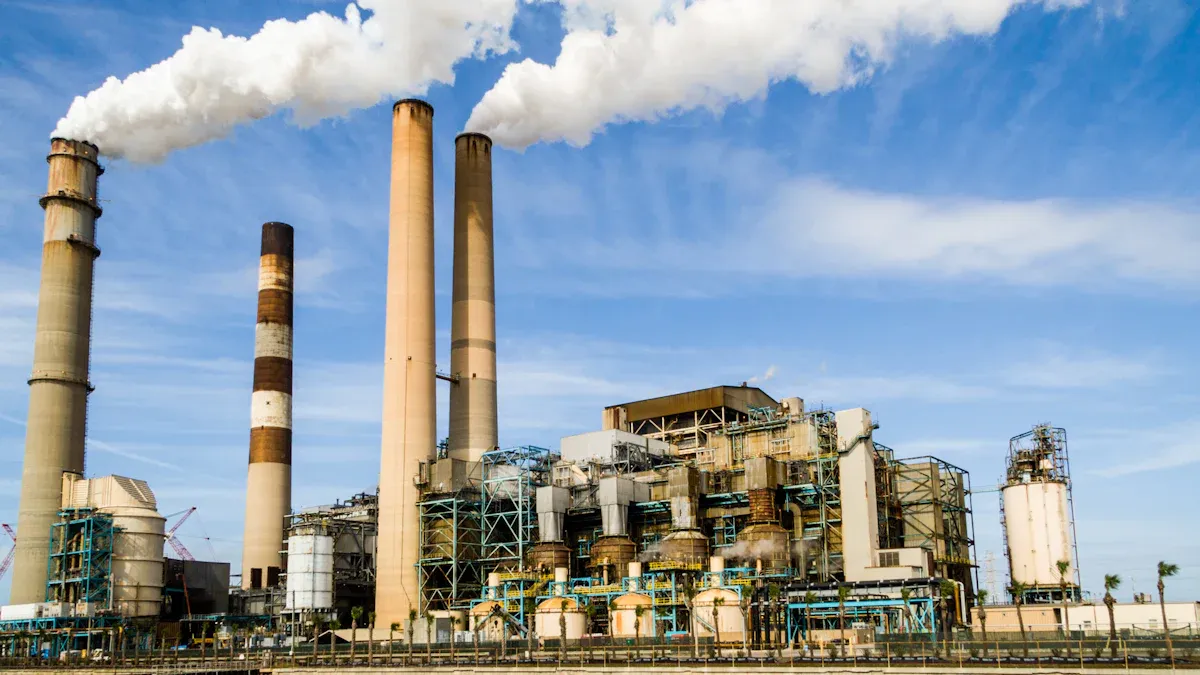
Manufacturing has many problems as it becomes more digital. Industrial application development must solve these problems. This helps factories stay strong and work well.
Performance
Manufacturers want their systems to work very well. They need to process data right away. If software or hardware is slow, production can stop. This can cost more money. For example, if machines break, work stops. This means workers may need overtime and deadlines can be missed. Real-time analytics help find slow spots. They also help fix machines fast. Companies using real-time analytics can make up to 20% more products. Industrial software is built to meet these needs. It helps cut down on lost time and makes work better.
Integration
It is hard to connect hardware and software. New manufacturing tech needs machines and digital systems to work together. This takes many steps like finding, setting up, and changing systems. Each step must be checked carefully. Even with plug-and-produce ideas, remote connections are not perfect. People still need to help on the factory floor. The table below shows how top manufacturers do better with good integration and real-time tools:
Manufacturer | Application Area | Impact Metrics |
|---|---|---|
BMW | Zero-Defect Production | 31% less quality rework; 5% more throughput |
General Motors | Predictive Maintenance | 40% less unplanned downtime; 85% accuracy in failure prediction |
Samsung | Semiconductor Yield Optimization | 35% less yield variation; 12% more capacity utilization |
Foxconn | Automated Optical Inspection | 47% fewer field failures; 35% fewer false rejects |
Security
Security problems have grown with more connected systems. The average cost of a data breach is $5.56 million. This is higher than the world average. Ransomware attacks on control systems doubled in 2022. It takes about 199 days to find a breach. It takes 73 days to fix it. Many workers do not have training in cybersecurity. This makes things riskier. Industrial software must have strong security. This keeps important data and work safe.
Complexity
Automation, rules, and data make manufacturing more complex. Modern industrial software must handle lots of data. It also needs to follow rules. Automation cuts down on manual work. But it also makes things more complicated. ERP software gives managers reports with numbers. These reports help spot problems early. But more connected systems mean more ways for attacks. This also makes building software harder. Experts are needed to make solutions. These solutions help manage complexity and keep factories running well.
Key Features of Industrial Software
Industrial software helps factories work better. The right features make factories safer and save money. Cross-platform app development lets software run on many devices. This means it works with both old and new machines. Developers add features to make software strong, easy to use, and safe.
Reliability
Reliability is very important for industrial software. Factories need software that does not break. Cross-platform app development helps teams make strong software for all hardware. Developers test software to see if it works well in real life. Reliable software stops machines from breaking down. This keeps the factory running. Many companies pick cross-platform software to stop problems and help users.
Data Management
Factories make a lot of data every day. Good software must collect and study this data fast. Cross-platform app development lets data move between systems quickly. Developers add features for real-time data and reports. These features help managers decide fast. In healthcare, good software saves money and shares data better. The same is true for factories. Good data management makes work faster and easier.
Usability
Usability means software is simple to learn and use. Developers add features to help users do their jobs. Cross-platform app development keeps the look the same on all devices. Teams add dashboards and alerts to show important data. Modern software uses role-based access to give each person the right tools. This stops mistakes and helps factories grow. GRC platforms show that good usability helps companies change when needed.
Access Control
Access control keeps data safe and systems secure. Developers use role-based access and one-time passwords to limit who can see or change things. Cross-platform app development supports these features on all devices. Role-based access control (RBAC) gives permissions based on jobs. This makes software easy to manage and safer. As factories get bigger, good access control keeps data safe and helps new users.
Tip: Cross-platform app development lets factories add new features and grow without changing all their software.
Industrial Application Development Solutions
Industrial application development gives factories strong solutions. Factories need software that works on many devices. Cross-platform app development lets factories use apps on different hardware. This saves time and money. Teams can also add new features faster.
Cross-Platform App Development
Cross-platform app development lets teams build apps for Windows, Linux, and mobile. Developers use one code base for all platforms. This makes updates easier and reduces mistakes. C++ and Qt are popular tools for this work. These tools help make fast and reliable software.
Simulation and emulation tools are important for cross-platform apps. They let teams test apps before using them on real machines. This helps find problems early and keeps production safe. Cross-platform mobile apps let workers get data and control machines anywhere. The best frameworks work with old and new devices. Factories can keep old equipment and add new features.
Tip: Cross-platform app development helps factories grow. Teams can add new software and features as needed.
Development Tools
Development tools help teams build industrial software. Tools like Qt Creator, Visual Studio, and Eclipse work on many platforms. These tools help developers write, test, and fix apps quickly. With one code base, teams can update and add features to all devices.
Standardized libraries make development faster and safer. Libraries give tested code for common jobs. This lowers mistakes and keeps software strong. Mobile app frameworks like React Native, Flutter, and Xamarin help teams build cross-platform mobile apps. These frameworks work on many devices and make adding features easy.
Testing is very important in industrial application development. Teams use simulation tools to see how apps work in real life. This finds bugs before they reach the factory floor. Good testing keeps software strong and safe.
Security Practices
Security is very important in industrial application development. Factories need software that keeps data and systems safe. Developers use strong security steps to stop attacks. Role-based access control, one-time passwords, and encryption are common features.
Cross-platform app development supports security on all devices. Developers use safe coding and regular updates to fix problems. Testing tools help find security risks early. Teams use mobile app frameworks with built-in security features. This keeps cross-platform mobile apps safe for everyone.
Note: Security must grow with the factory. As new devices join, teams must update security to protect data and systems.
Professional Support
Professional support is very important for industrial application development. Factories lose a lot of money when systems stop working. Downtime can cost $260,000 per hour in some industries. Many companies outsource about 20% of maintenance because they need more skilled staff. Human error causes almost a quarter of unplanned downtime. Old equipment causes even more problems.
Professional support teams help lower these risks. They bring expert knowledge to manage software and hardware. With their help, factories have fewer errors and less downtime. The MaintainX report shows better maintenance lowers unplanned downtime. Expert teams and digital tools keep factories running well.
Professional support also helps with updates and new features. Teams can add new apps and improve old ones. This keeps factories ready for the future.
Professional support lowers downtime and saves money.
Expert teams manage updates, security, and new features.
Factories stay productive and safe with strong support.
Cross-platform app development, good tools, strong security, and professional support are key for modern industrial application development. These solutions help factories work better, grow faster, and stay safe.
Impact on Manufacturing
Efficiency
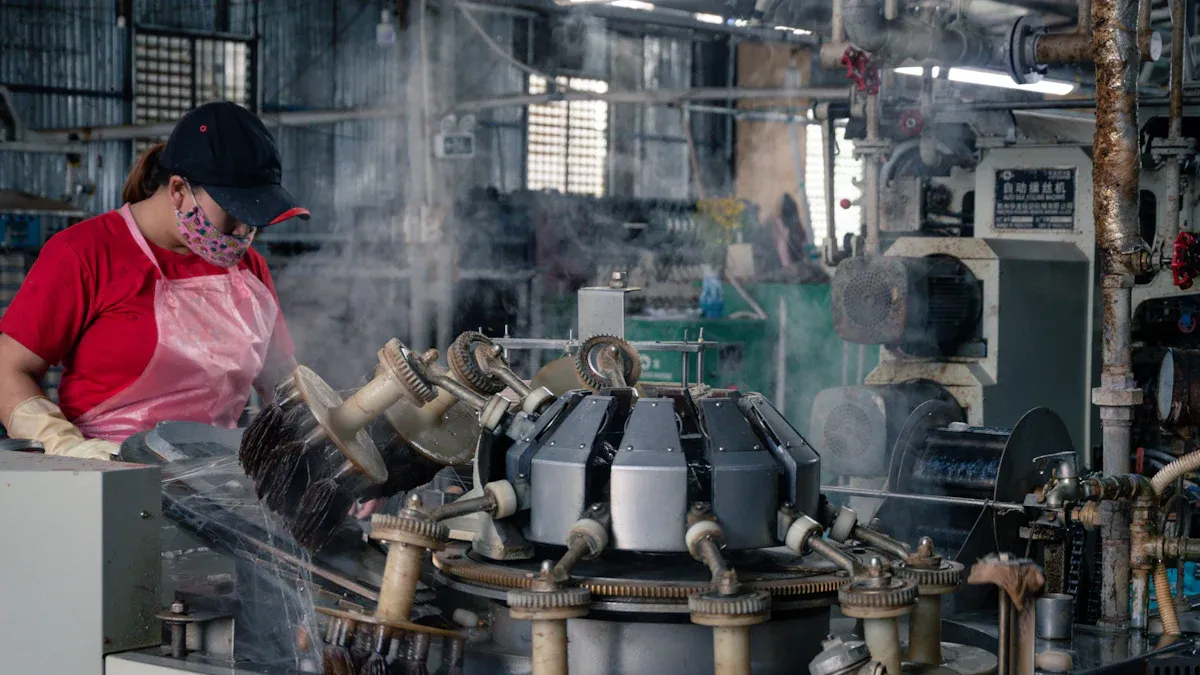
Industrial application development helps factories work faster and better. Companies use software to watch machines in real time. This helps workers do more and machines run well. Applications gather data from sensors to use resources wisely. Managers can see how much energy, materials, and labor are used. They use this information to make smart choices and save money. Toyota looks at the whole system to find real improvements. By checking the whole process, teams stop making too much and avoid slow spots. Applications also help with quality checks and safety. These tools cut down on stops and make everything run smoother.
Automation
Automation changes factories by cutting down on hand work. Industrial software lets machines do jobs with little help from people. Applications use data to control robots and other equipment. This makes things move faster and lowers mistakes. Factories use software to plan repairs and stop breakdowns. Automation also helps with rules and reports. Teams use real-time data to change things quickly. This makes factories more flexible and gets more done.
Quality
Quality gets better when factories use industrial applications. Software with AI and computer vision finds problems early. Applications check data from the line to spot mistakes. This cuts down on waste and keeps products good. Data-driven checks help managers fix issues fast. Applications also watch safety and if workers follow rules. These tools lower accidents and make work safer. Better quality steps lead to great products and happy customers.
Case Studies
Many real examples show how industrial application development helps. In car factories, watching assets and using resources well boosts output. Factories using IoT, HMI, and wearables see big gains:
Haptic gloves and AR glasses help workers stay safe and work better.
Wearable sensors in Germany make factories and shipping safer.
Smart factories in China use 5G AR helmets and haptic suits for more control.
Wearable AR tools with sensors cut mistakes by 22.3%, speed up jobs by 31.1%, and help workers notice more by 27.8%. These examples show how industrial software and automation really help factories.
Industrial application development helps fix many problems in factories. Companies use this software to work faster and safer. It also helps them trust their systems more. Good industrial software lets factories grow and change when needed. Teams know their data is safe and work goes smoothly.
Buying strong industrial software and cross-platform app development keeps factories ready for new things.
Industrial software helps companies do better and get ready for future competition.
FAQ
What is industrial application development in manufacturing?
Industrial application development means making software for factories. This software helps control machines and collect data. It also helps factories work better. Teams use these tools to fix problems and help with automation. The software must work fast and on many devices.
Why do manufacturers choose cross-platform app development?
Manufacturers want software that works on many devices. Cross-platform app development uses one code base for all. This saves time and money for teams. The best frameworks give real-time data and features. These tools make the software easier to use and help factories improve.
How does industrial software improve efficiency?
Industrial software gathers and studies data from machines. It helps managers find problems quickly. Automation uses this data to make work better. Applications let teams watch machines in real time. These things help factories run well and stop delays.
What are the main challenges in industrial software development?
Teams have problems like connecting systems, keeping data safe, and handling complex tasks. Factories need strong software that can manage lots of data. Developers use special tools to solve these problems. They focus on features that help with automation and make the software easy to use.
What are the benefits of cross-platform mobile applications in manufacturing?
Cross-platform mobile apps let workers use software anywhere. These apps use one code base and work on many devices. Factories can add new features fast with these services. The apps help factories work better, give real-time updates, and keep workers safe.