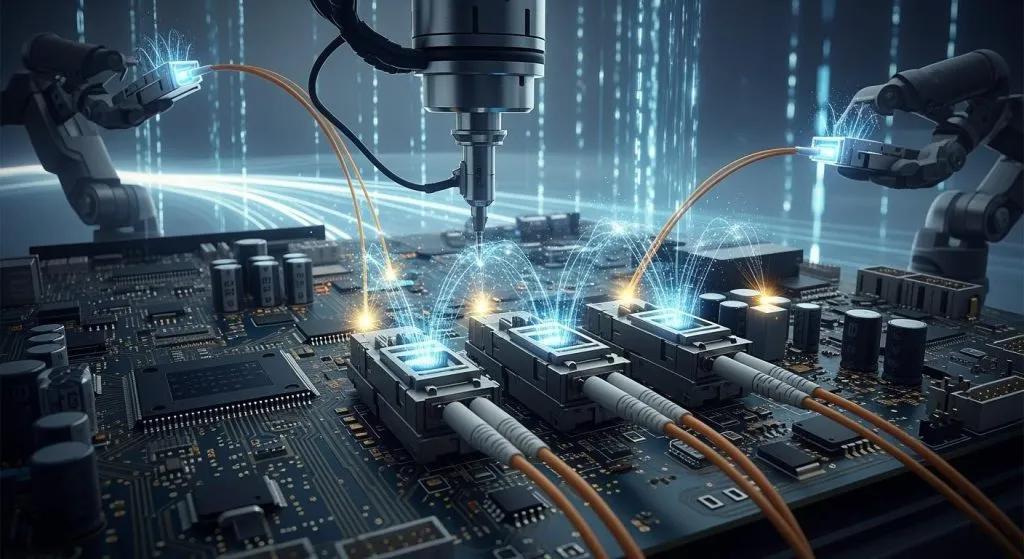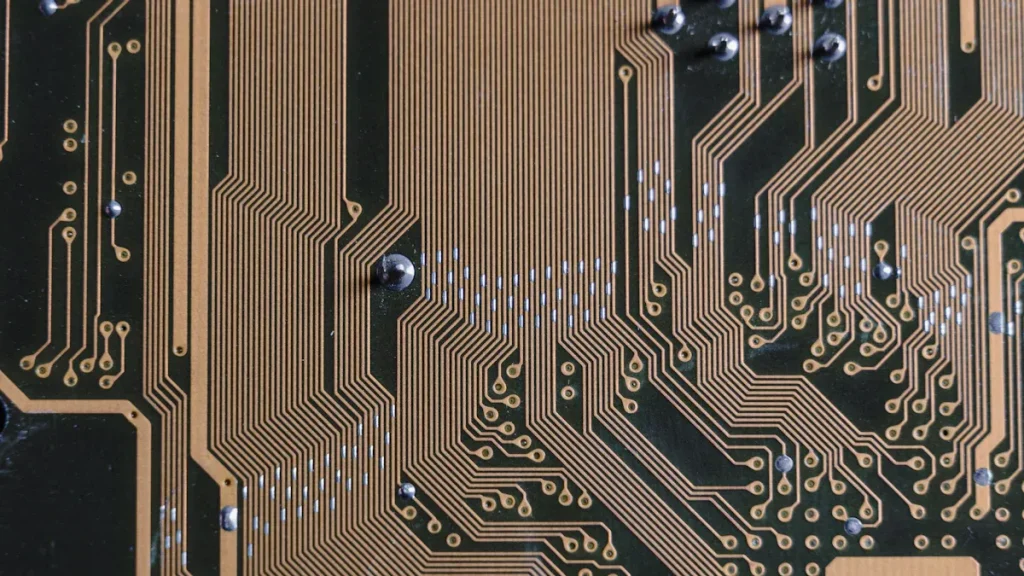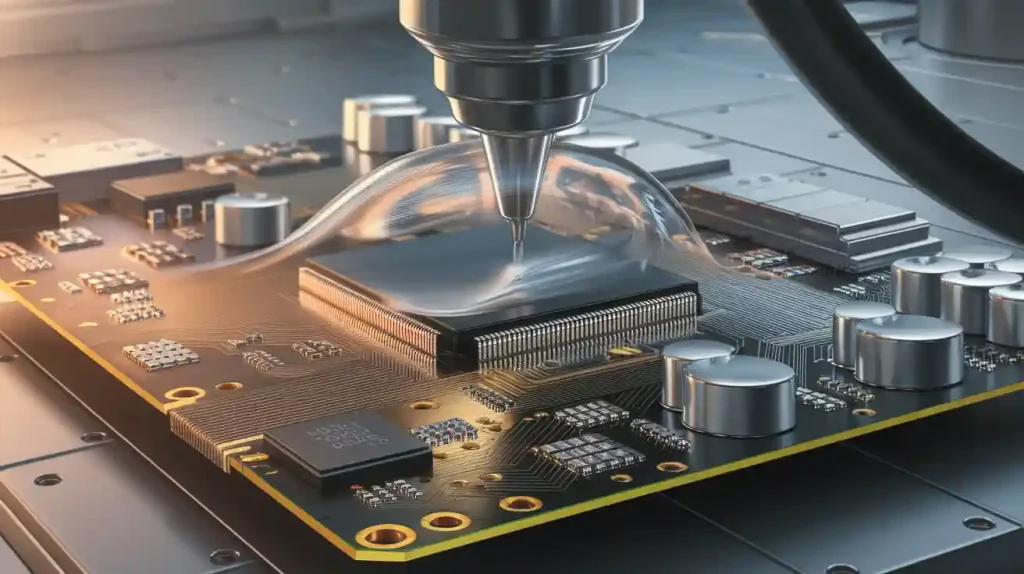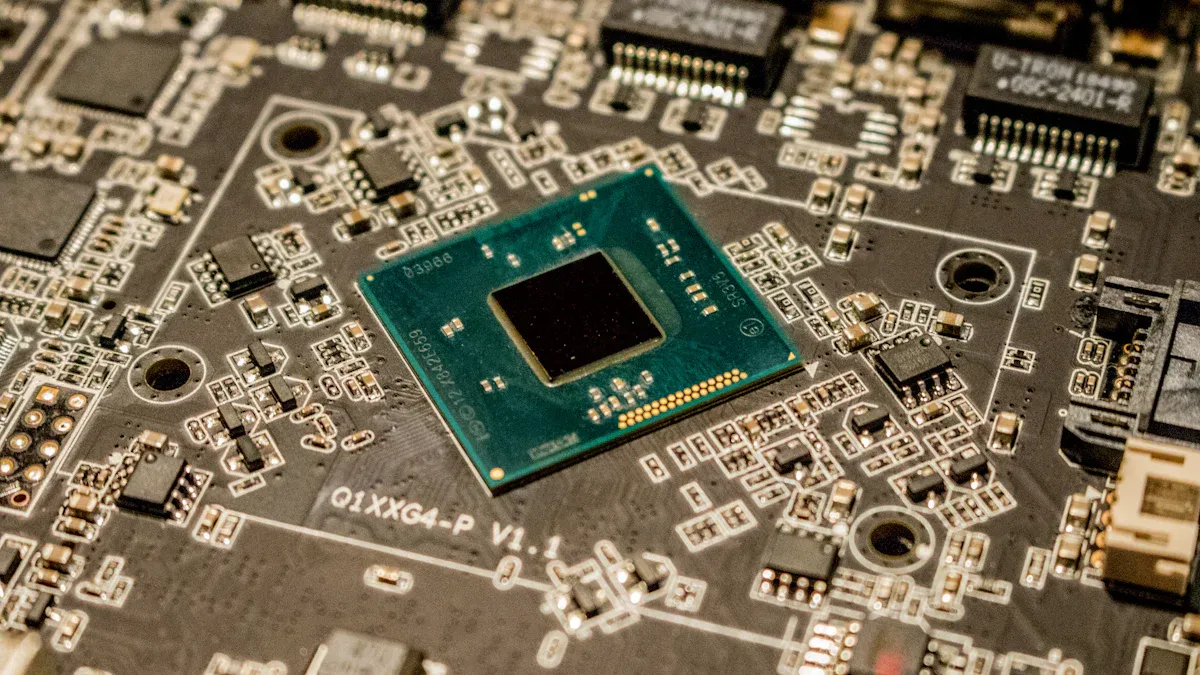
You are seeing big changes in PCB manufacturing with Deepseek AI. This advanced tech improves design, production, and supply chain work. It guesses demand, tracks inventory, and makes shipping faster. Using live data, companies avoid delays and improve supply chains. Deepseek AI helps factories by predicting repairs and checking quality. This saves money and increases work speed. These improvements make Deepseek and PCB manufacturing a strong team. They bring new ideas and fix industry problems.
Key Takeaways
Deepseek AI helps make PCBs faster and cheaper by predicting needs and improving supply chains.
AI tools make PCB designs more accurate, find mistakes early, and make layouts easier, saving time and reducing errors.
AI-powered maintenance stops machines from breaking, keeping production steady and cutting downtime by up to 40%.
Better materials and designs improve signals and heat control in PCBs, allowing smaller and more efficient devices.
Deepseek AI helps industries like cars and healthcare by making high-quality PCBs for advanced technology needs.
Technological Advancements in PCB Manufacturing

AI-Driven Optimization in PCB Design
Improving design precision and reducing mistakes
AI is changing PCB design by making it more accurate. It finds flaws that people might miss, ensuring better products. This reduces problems during production. AI also spots design issues early, so they can be fixed quickly. These tools make designing faster and more dependable, saving both time and money.
Simplifying complex circuit designs
Creating detailed circuit layouts is hard, but AI makes it easier. AI tools arrange parts and connections for the best results. This reduces the need for manual work and boosts creativity. Automation speeds up the process, helping projects finish faster and products reach the market sooner.
Predictive Maintenance in PCB Production
Preventing downtime and machine failures
AI helps predict when machines might break down. This stops unexpected delays and keeps production steady. For example, AI checks for wear in machines and schedules repairs early. This keeps equipment running longer and avoids interruptions in production.
Boosting efficiency and cutting costs
Using predictive maintenance saves money and improves production. Metrics like First Pass Yield (FPY) show fewer reworks, while Overall Equipment Efficiency (OEE) shows better machine use. These changes make production faster and cheaper, helping companies stay competitive.
Index | Description |
|---|---|
First Pass Yield (FPY) | Shows how many products pass quality checks without fixes. |
Defect Rate | Percentage of faulty items made, showing areas to improve. |
Cycle Time | Time needed to make a product; shorter times mean better speed. |
Throughput | Number of items made in a set time, key for high output. |
Overall Equipment Efficiency (OEE) | Measures machine performance, availability, and quality together. |
Downtime | Time when machines are off; less downtime means better output. |
Innovations in Materials and Circuit Design
Improving signal quality in fast circuits
New materials and designs help keep signals clear in fast PCBs. These materials lower signal loss and block interference, making devices work better. They also allow for smaller, faster, and more efficient gadgets to meet modern needs.
Enhancing heat and electricity performance
Better heat and electricity handling is vital for advanced electronics. Materials like Thermal Interface Materials (TIMs) move heat away from parts, stopping overheating. For example, thermoplastic TIMs stay strong under pressure, lasting longer. Using these materials makes PCBs work better and last more.
Evidence Description | Performance Improvement | Material Type |
|---|---|---|
TIMs move heat well between parts and heat sinks, key for advanced devices. | Better heat transfer | Thermal Interface Materials (TIMs) |
New thermoplastic solutions stay strong under bending, avoiding damage. | More reliable under stress | Thermoplastic TIMs |
TIMs aim to lower heat resistance and boost conductivity, helping cooling. | Higher heat conductivity (up to 34 W/mK) | Aligned graphite fiber TIM pads |
Shifts in Demand for Advanced PCBs
The Role of Deepseek AI in Driving Innovation
Supporting IoT and 5G technologies
Demand for advanced PCBs is growing with IoT and 5G. Deepseek AI helps meet these needs by improving production. It makes high-quality PCBs needed for these technologies. AI tracks live data, cutting waste by up to 15%. This accuracy supports small, efficient designs for IoT gadgets. Factories using Deepseek’s tools have reduced unexpected downtime by 40%. This increase in uptime boosts production for 5G PCBs.
Enabling miniaturization and high-performance devices
Modern devices need smaller, stronger parts. Deepseek AI helps by automating designs and picking better materials. Tiny PCBs power popular items like wearables and smartphones. The global market for advanced PCBs is growing fast. It could rise from $69.13 billion in 2023 to $115.31 billion by 2031. This shows how important innovation is in PCB production.
Emerging Applications of Advanced PCBs
Automotive and aerospace advancements
Advanced PCBs are changing cars and planes. Electric cars and self-driving vehicles need PCBs for smart systems. By 2025, 30% of cars sold might be electric or hybrid. In space, more satellites like SpaceX’s Starlink need strong PCBs. Over 58,000 satellites may launch by the decade’s end, increasing demand.
Medical devices and wearable technology
Healthcare depends on advanced PCBs for many tools. Pacemakers, fitness trackers, and diagnostic devices need reliable PCBs. Wearable tech is also becoming more popular. These uses show how advanced PCBs improve lives in many ways.
Challenges in Scaling Advanced PCB Production
Balancing cost, quality, and sustainability
Making more PCBs comes with problems. Supply chain issues can raise costs and slow production. Old machines cause more defects, lowering quality. Companies must manage these issues while staying eco-friendly. Using greener materials in PCBs is part of this change.
Addressing environmental concerns
Environmental issues are a big focus in PCB production. Companies are working to cut waste and use recyclable materials. These changes match global goals for sustainability. The industry is growing responsibly while meeting higher demands.
Global Supply Chain Dynamics in PCB Manufacturing
Geopolitical Influences on PCB Manufacturing
Trade restrictions and tariffs
Trade rules and tariffs affect PCB production worldwide. For example, 42 Taiwanese companies in China faced tariff problems. Fourteen of them started moving production to other places. Even with a 25% tariff, Taiwanese companies in China grew revenue from 2018 to 2022. However, Taiwan’s PCB exports to China dropped from 60.1% to 51.2% between 2020 and 2022. This shows how trade issues are changing export plans.
Regional shifts in production hubs
Geopolitical issues are moving production hubs to new areas. Companies are spreading operations to depend less on one region. This helps keep supply chains steady and lowers risks from trade problems. Industries like automotive electronics and 5G push demand, leading companies to find new production sites.
Logistical Challenges in the PCB Industry
Managing raw material shortages
Shortages of raw materials cause big problems for PCB production. High demand for items like pre-pregs and Copper Clad Laminates slows things down. Delays in getting one material can stop the whole process. Power shortages and shipping issues make things worse. Companies must solve these problems to stay on track.
Ensuring timely delivery and distribution
Delivering on time is a major challenge. Long delivery times and limited buying options delay schedules. These delays affect the entire production process. Knowing these problems helps you prepare better and improve supply chain strength.
The Role of Deepseek in Supply Chain Optimization
Enhancing transparency and traceability
Deepseek AI makes supply chains clearer with live data. You can track materials and check production steps. This helps find and fix problems quickly, keeping things running smoothly.
Streamlining inventory management
Deepseek AI also improves inventory control. It studies demand to keep stock levels just right. This cuts waste and avoids overstocking, saving money and boosting efficiency. These tools help you adjust to market changes and stay ahead.
Challenges and Risks of Deepseek in PCB Manufacturing

Workforce Changes and Skill Needs
Learning new skills for AI jobs
Deepseek technology has changed jobs in PCB factories. In Guangdong, AI cut quality control staff from 120 to 30. One worker learned AI skills and now manages six systems. This job pays more than before. Reskilling programs help workers take on new roles. A study by Li and Huang (2019) shows more need for skills like coding and data analysis. Workers must keep learning to fill skill gaps and handle job changes.
Job Type | 2010 Jobs | 2015 Jobs | Change (%) |
|---|---|---|---|
Low-skill manual work | 500,000 | 350,000 | -30% |
High-skill tech work | 200,000 | 280,000 | 40% |
Overcoming fears about automation
Workers often worry about losing jobs to machines. Companies can help by teaching new skills and showing benefits of AI. Sharing success stories, like the worker who got a better job, can inspire others to adapt.
Data Safety and Privacy Issues
Keeping design and production data safe
More connected devices mean higher risks of hacking. Protecting designs and production details needs strong security. Encryption and safe practices are key to stopping data theft.
Stopping cyberattacks
Cyberattacks are a big problem for PCB companies. Firewalls and system checks can protect operations. Training workers to spot threats also helps keep systems secure.
Cyberattacks are a growing risk for PCB companies.
Connected devices and IoT make these risks worse.
Encryption and secure practices are needed to stop attacks.
Ethical and Rule-Based Challenges
Following global rules
Meeting standards like IPC and RoHS ensures good and safe production. These rules also help with eco-friendly manufacturing but can raise costs.
Innovating responsibly
New ideas must follow ethical rules. Companies should focus on being honest and eco-friendly. This builds trust and supports a better industry.
Following IPC and RoHS rules ensures safe and quality PCB production.
Meeting environmental rules can make production more costly and complex.
Deepseek and PCB manufacturing are changing the industry with AI tools. Predictive maintenance and better supply chains improve work speed and quality. For example, a factory in Shanghai cut downtime by 40% using Deepseek. This increased production without raising costs. WUS Printed Circuit also raised yields from 88% to 93%. This saved them $2.8 million each year. These changes show great potential for future growth. But challenges like job loss and data safety must be solved. By mixing innovation with ethical and green practices, Deepseek and PCB manufacturing can create a better future.
FAQ
What is Deepseek AI, and how does it help in PCB manufacturing?
Deepseek AI uses smart tools to improve PCB work. It predicts repairs, manages inventory, and makes production faster. These features save time, cut costs, and make better PCBs.
How does Deepseek AI improve PCB design accuracy?
Deepseek AI finds mistakes early and simplifies tricky designs. This lowers errors and speeds up the process. It helps create accurate PCBs with less manual work.
Can Deepseek AI help with supply chain challenges?
Yes! Deepseek AI tracks materials and steps in real time. It also manages inventory to keep stock levels right and avoid delays.
What industries benefit most from advanced PCBs?
Industries like cars, planes, healthcare, and gadgets benefit a lot. Advanced PCBs are used in electric cars, satellites, medical tools, and wearables.
Are there risks to using Deepseek AI in PCB manufacturing?
Yes, risks include job changes, data safety issues, and ethical concerns. You can solve these by teaching new skills, using strong security, and following global rules.