

What Are the Different Types of Printed Circuit Boards and Their Key Features
Compare each pcb type—single-sided, double-sided, multilayer, rigid, flex, and rigid-flex—by features and uses to choose the best fit for your project.

Application of PCB in Motor Control of Electric Vehicle
PCBs in electric vehicle motor control boost efficiency, manage torque and speed, and ensure safety by handling high currents and thermal stress.

How PCBs Enable Smart Entertainment and Central Control in Electric Vehicles
PCB application in electric vehicles enables smart entertainment, efficient central control, and reliable connectivity for safer, more advanced driving experiences.
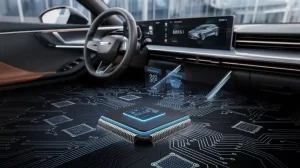
The Role of Advanced PCBs in Electric Vehicle ADAS Systems
Advanced PCBs enable reliable ADAS assisted driving in electric vehicles by supporting real-time sensor data processing and robust system safety.

How PCB Integration Enhances On-Board Charger Reliability in Electric Vehicles
PCB integration in on-board chargers boosts EV reliability, safety, and charging efficiency by improving heat management and electrical performance.

How PCB Design Enhances Efficiency in EV DC-DC Converter Systems
PCB application in EV DC-DC converters boosts efficiency, power density, and reliability by optimizing heat dissipation, EMC, and system integration.

Analyzing PCB Application in Fast Charging Electric Vehicle Piles
PCB application in fast charging piles ensures efficient power conversion, thermal management, and safety for reliable electric vehicle charging.

PCBs requirements for different electronic parts in electric vehicles
PCBs requirements for electric vehicles vary by part, ensuring safety, reliability, and performance in battery, drive, charging, and control systems.

Electric vehicle requirements for PCB design and manufacturing
Electric vehicle PCB design demands advanced materials, thermal management, and strict standards to ensure safety, reliability, and regulatory compliance.

PCB in Electric Vehicles
Main components PCB in electric vehicles enable battery management, motor control, safety, and infotainment, ensuring reliable and efficient EV operation.

Which Is Better for Power Devices, Metal Substrate Metal Core PCB or Heavy Copper PCB
Metal substrate PCBs offer superior heat dissipation, while heavy copper PCBs excel in high current and durability for demanding power devices.
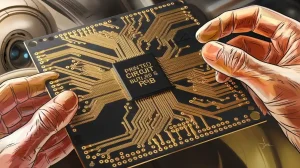
Advantages of thick gold PCB in high reliability equipment
Thick gold PCB ensures high reliability equipment with superior durability, corrosion resistance, and stable electrical performance in demanding environments.
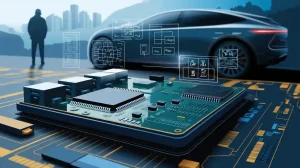
Design points and process requirements for the BMS main control board in new energy vehicles
Key design points and process requirements for the BMS main control board ensure safety, reliability, and compliance in new energy vehicles.

From 5G Networks to Advanced Radar Systems High-Frequency PCBs Lead the Way
High-frequency PCBs power 5G and radar innovation by ensuring fast, reliable data transfer and strong signal integrity in advanced communication systems.

Manufacturing difficulties and typical applications of heavy copper PCB
Manufacturing difficulties of heavy copper PCB include etching, drilling, and lamination challenges; key applications span power, automotive, and aerospace.

High-frequency PCB material selection: Rogers vs Taconic for your design
Compare Rogers and Taconic high-frequency PCB material to select the best option for your design, considering signal integrity, cost, and application fit.

PCB applications in new energy vehicles
PCB applications in new energy vehicles enable efficient power, safety, and control systems, supporting battery management, charging, and smart features.
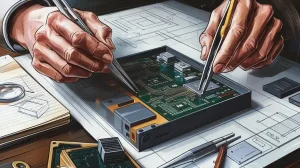
Step by Step Guide to Electronic Reverse Engineering of Circuit Boards
Step-by-step guide to electronic reverse engineering of circuit boards, covering legal tips, essential tools, and best practices for accurate results.

How to Reverse Engineer a Schematic from a PCB Image
Turn a pcb image into a schematic by capturing clear photos, tracing connections, and using software tools to ensure accuracy in your reverse engineering process.

Understanding PCB Flatness Standards and Key Influencing Factors
PCB flatness standards define bow and twist limits. Key factors like materials, design, and process control impact PCB flatness and reliability.