

Which PCB Surface Finish is Better ENIG or Hard Gold
Compare ENIG PCB and Hard Gold finishes to decide which suits your needs. Learn about cost, durability, solderability, and application-specific benefits.
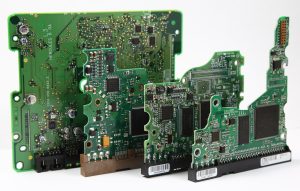
Improving Signal Integrity in High-Speed PCB Layouts
Enhance signal integrity in high-speed PCB layout design with strategies to reduce EMI, control impedance, and optimize trace routing for better performance.

Lead-Free HASL vs Leaded HASL Explained for PCB Applications
Lead-free HASL and leaded HASL differ in composition, cost, and eco-friendliness. Learn how these HASL PCB finishes impact soldering and durability.

ENEPIG PCB Finish: Perfect for Advanced Tech
ENEPIG PCB finish offers superior corrosion resistance, solderability, and durability, making it the ideal choice for advanced tech like aerospace and medical devices.

What is ENIG PCB Surface Finish
ENIG PCB is a surface finish using nickel and gold to protect copper, resist corrosion, and ensure excellent solderability for reliable electronics.

HASL vs ENIG Which PCB Surface Finish is Right for You
Compare HASL and ENIG PCB finishes to find the best fit for your project. Learn how cost, durability, and precision impact your PCB design choice.
What Is Dielectric Constant and How to Calculate It
The dielectric constant, or relative permittivity, measures a material’s ability to store energy in an electric field. Calculate it using κ = ε / ε₀.

Why solder resist bridges matter for PCB short circuit prevention
Solder resist bridges prevent short circuits in PCBs by stopping solder from spreading to unwanted areas, ensuring reliable and long-lasting circuits.

What Is Solder Bridging and Why Does It Occur
Solder bridging occurs when solder unintentionally connects pads or pins, causing shorts. Common causes include excessive solder, poor PCB design, and misalignment.

How IPC Class 2 and Class 3 PCBs Differ in Standards and Applications
Understand the key differences between IPC Class 2 and Class 3 PCBs, their standards, and applications in industries like consumer electronics and aerospace.
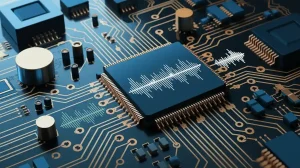
How to Calculate Impedance in PCB Design
Learn how to calculate impedance in PCB design using formulas, tools, and best practices to ensure signal integrity and optimize high-frequency performance.
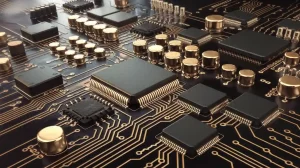
A Guide to SMD Component Package Sizes
Understand Surface-Mount Device (SMD) components, their package sizes, and types. Learn how they optimize space, performance, and efficiency in electronics.

How to Effectively Troubleshoot and Repair PCBs
Master PCB troubleshooting and repair with step-by-step techniques, essential tools, and safety tips to fix damaged boards and ensure reliable performance.

Understanding Decoupling Capacitors in Electronics
Decoupling capacitors stabilize voltage, reduce noise, and improve circuit reliability by ensuring clean power and protecting sensitive electronic components.

Surface Mounting Technology vs Through Hole Technology
Compare SMT vs the THT method to understand their differences, advantages, and applications. Learn which technology suits your project for cost and performance.

Understanding Solder Mask and Its Role in PCB Manufacturing
Solder mask is a protective layer on PCBs that prevents solder bridging, shields copper traces from corrosion, and ensures reliable electronic performance.

Why PCB Silkscreen Is Essential for Assembly
PCB silkscreen is a printed layer on circuit boards that identifies components, guides assembly, and ensures accuracy, reducing errors and improving efficiency.

Steps in the Electronic Manufacturing Process
Understand the key steps in the electronic manufacturing process, from design and sourcing to assembly and testing, ensuring quality and efficiency.
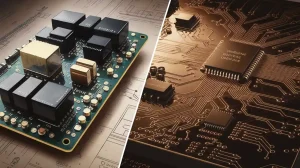
Understanding the Differences Between Circuit Card Assembly and Printed Circuit Board Assembly
Understand the differences between circuit card assembly and PCB assembly, including scope, materials, processes, and applications in electronics.

How Surface Finishing Improves PCB Durability
Surface finishing protects PCBs from rust, water, and heat, ensuring durability, strong solder connections, and long-term reliability in various conditions.