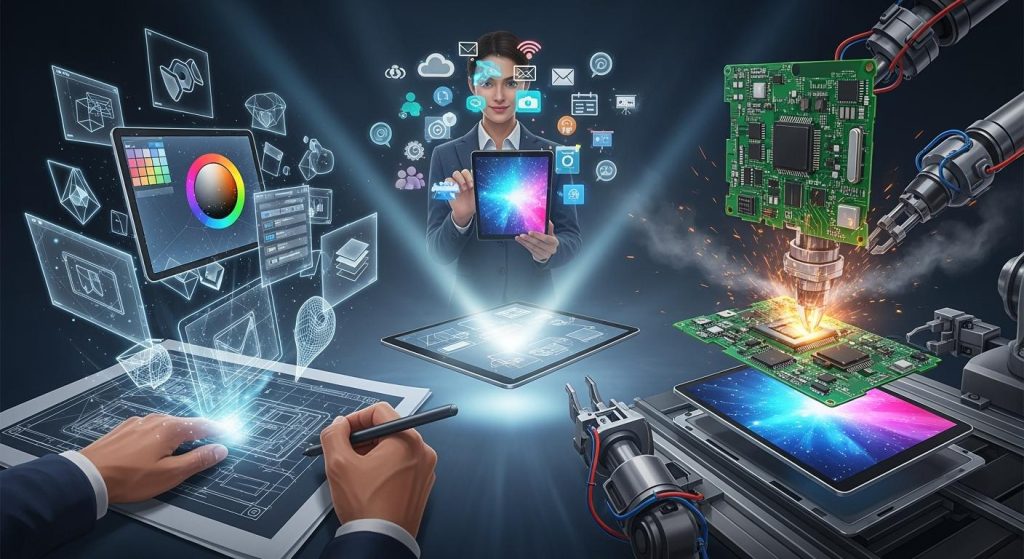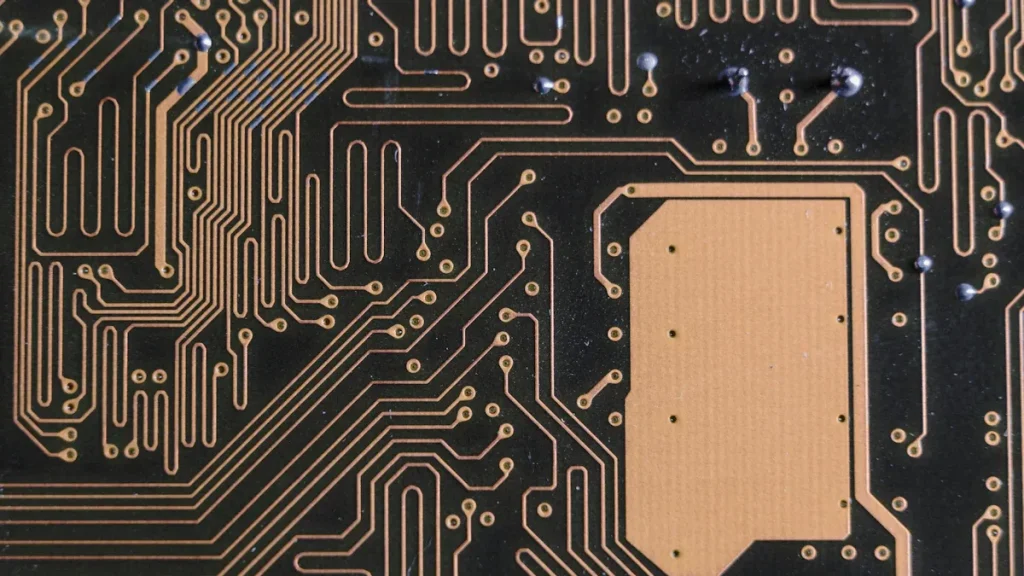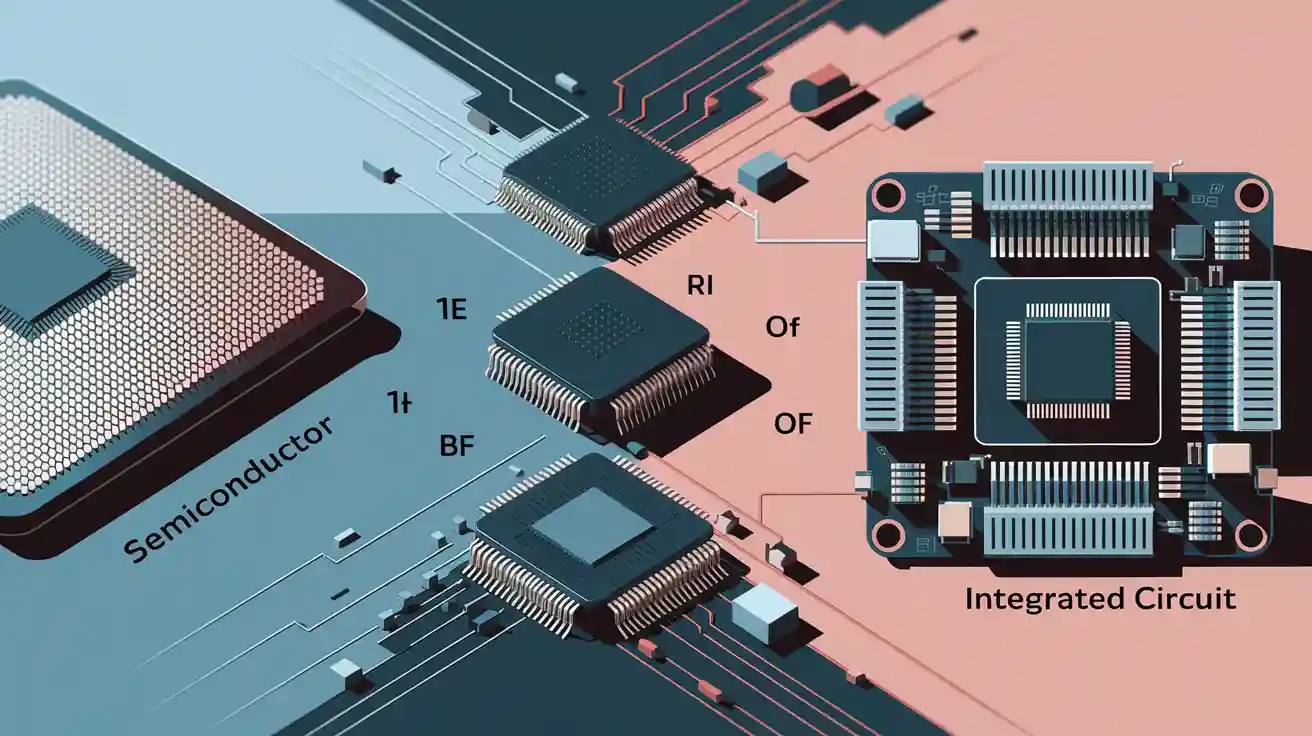
Many people mix up chips, semiconductors, and integrated circuits. Each word means a different part of how technology works in devices. For example, when you use a smartphone, you use these parts every day. The phrase chips vs semiconductors vs integrated circuits shows how these words are related but also different. Chips vs semiconductors vs integrated circuits points out the special job each one has in electronics.
Key Takeaways
Semiconductors are special materials like silicon. They help control electricity. They are the base for all electronic devices.
Chips are small pieces cut from semiconductor wafers. They hold integrated circuits. These circuits help devices do many jobs.
Integrated circuits are tiny systems built on chips. They combine many parts together. This makes devices smaller, faster, and stronger.
The process starts with semiconductors. Then, wafers are made. Next, integrated circuits are built. Last, chips are cut out.
Chips, semiconductors, and integrated circuits work together. They help power things like phones, computers, and cars.
Chips vs Semiconductors vs Integrated Circuits
Chips
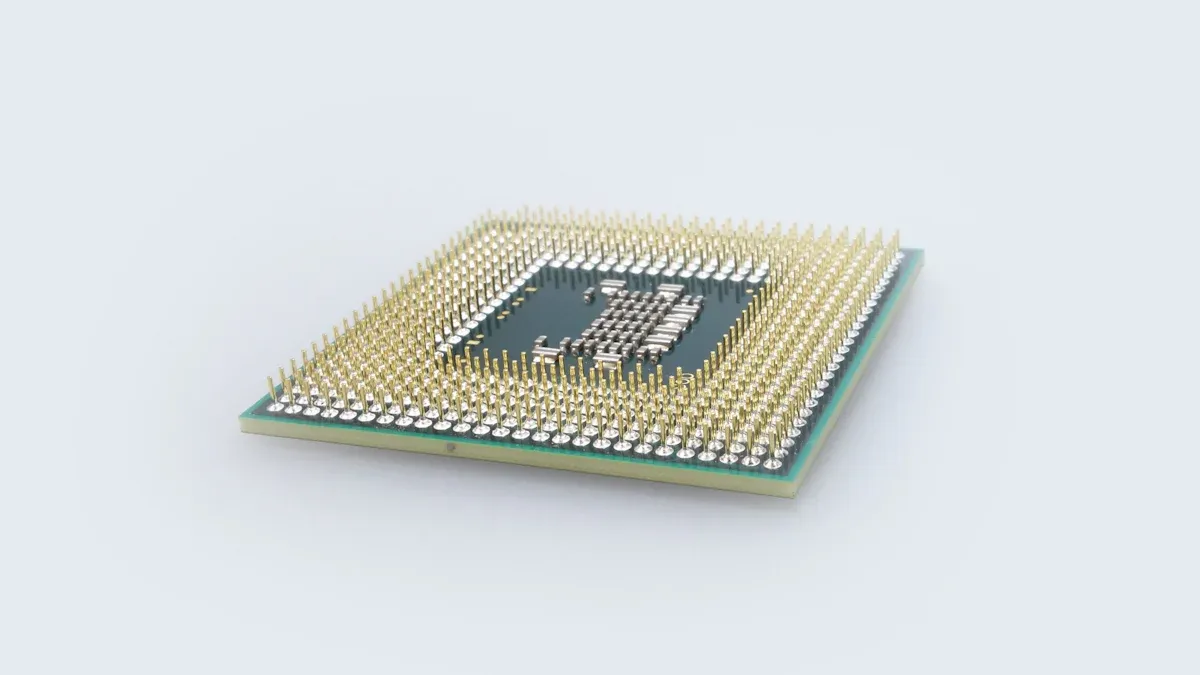
Chips are tiny pieces that have electronic circuits inside. People also call them microchips. These chips are found in things like phones, computers, and cars. Each chip can do many jobs, such as handling data or saving information. Engineers make chips for different uses. Some chips help a device work, and others help with memory or pictures. In electronics, chips vs semiconductors vs integrated circuits is important because chips are what go into devices. Chips have millions of small parts that work together to make technology work.
Note: Chips are used everywhere. They help run things like washing machines and game consoles.
Semiconductors
Semiconductors are special materials that let electricity flow in some cases. Silicon is the most used semiconductor. These materials are the base for most electronics today. Without semiconductors, chips and integrated circuits would not be made. Semiconductors have special features that let engineers control electricity. This helps them build hard circuits. In chips vs semiconductors vs integrated circuits, semiconductors come first. They are the base for all other electronic parts.
Material | Use in Electronics |
|---|---|
Silicon | Most common base |
Germanium | Used in some diodes |
Gallium Arsenide | High-speed devices |
Integrated Circuits
Integrated circuits, or ICs, are tiny systems with many parts on one chip. These parts are things like transistors, resistors, and capacitors. Integrated circuits can do many things, like make signals stronger or handle information. The invention of integrated circuits changed electronics a lot. ICs made devices smaller and stronger. In chips vs semiconductors vs integrated circuits, integrated circuits are the hard circuits built on chips using semiconductors. Most electronics today use ICs because they save space and power. Engineers say IC when they talk about the brains of computers, phones, and more. Some devices use more than one IC to do different jobs.
Tip: Integrated circuits are sometimes called microchips, but not every chip is an IC.
Differences and Relationships
Physical vs Functional
Physical differences show how chips, semiconductors, and integrated circuits are not the same. Semiconductors are materials like silicon. People make these into thin slices called wafers. Wafers are the base for building electronic parts. Chips are small pieces cut from wafers. Each chip has many tiny parts that work together. Integrated circuits are built on chips. They have lots of transistors and other parts. These parts help the chip do its job.
Functionality means what each part does. Semiconductors help control electricity. Chips use this to do jobs in devices. Integrated circuits add more power by putting many parts together. This lets engineers make small and strong devices. For example, one chip in a phone can handle memory. Another chip can manage pictures. What a chip does depends on the integrated circuits inside.
Note: Making chips starts with semiconductors. It ends with integrated circuits that give devices their special jobs.
Material vs Device
Semiconductors are the first material. They come from things like silicon. Engineers grow these into thin wafers. Turning wafers into devices takes many steps. Chips are the finished devices made from wafers. Each chip can be a tiny computer or memory part. Integrated circuits are the designs put on chips. They use transistors and other parts to make the chip work.
Term | What It Is | Role in Electronics |
|---|---|---|
Semiconductors | Material | Base for all devices |
Wafers | Thin slices | Used to build chips |
Chips | Device | Holds integrated circuits |
Integrated Circuits | Gives chips functionality |
Making a device starts with semiconductors. Next, engineers make wafers. Then they build integrated circuits on the wafers. Last, they cut the wafers into chips. Each step adds more power to the final product.
How They Connect
Chips, semiconductors, and integrated circuits are linked by steps. First, engineers use semiconductors to make wafers. Then they use photolithography to build integrated circuits on wafers. These circuits have many transistors. Transistors help control signals and store data. After building the circuits, they cut the wafers into chips. Each chip now works because of the integrated circuits inside.
Semiconductors are the base material.
Wafers are made from semiconductors.
Integrated circuits are built on wafers.
Chips are cut from wafers and have integrated circuits.
This process gives each chip its own job. The number of transistors and the design of the integrated circuits decide how well the chip works. Devices like computers and phones use many chips. Each chip does something different. The process connects material, design, and device into one system.
Tip: Knowing these steps helps people see why chips, semiconductors, and integrated circuits are important in electronics.
Semiconductor Manufacturing
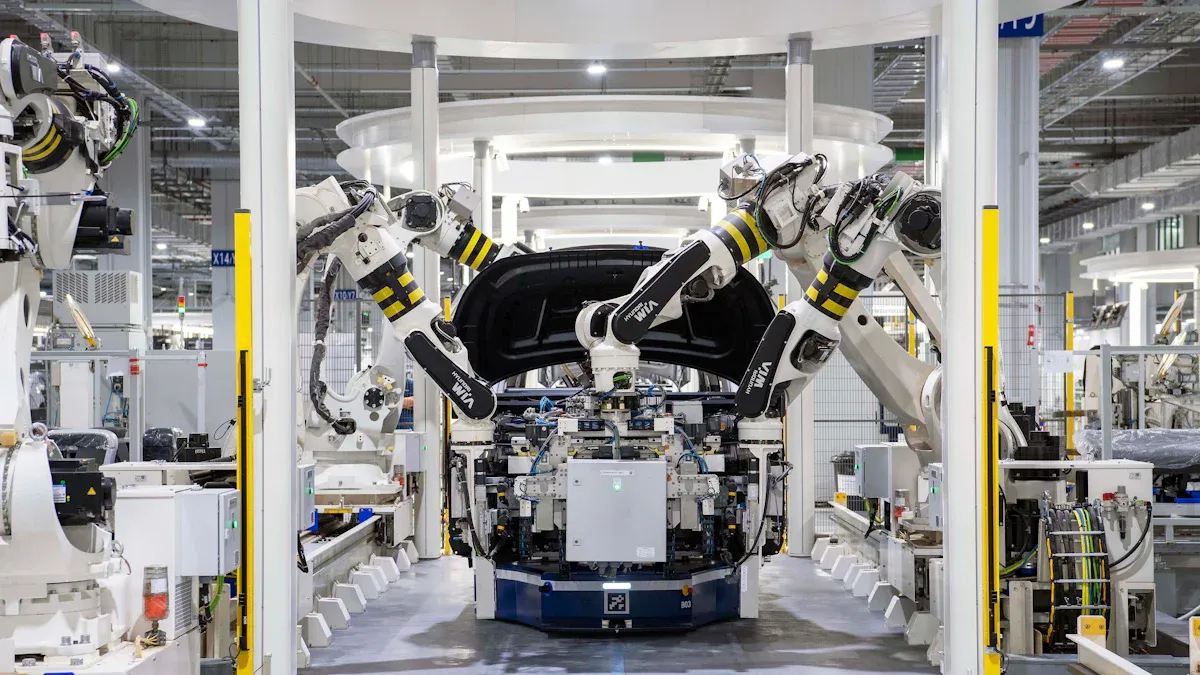
Semiconductor manufacturing turns simple materials into strong chips. This process has many steps to make chips from raw materials. Every step helps build the small parts that let electronics work.
Wafer Production
Wafer production is the first step in semiconductor manufacturing. Factories use pure silicon to make chips. Workers melt the silicon and form it into big cylinders. They cut these cylinders into thin, flat wafers. This is called wafer production. Silicon wafer manufacturing makes smooth wafers. These wafers are the base for the next steps. One wafer can hold many chips.
Tip: Silicon chip wafers must stay very clean. Even tiny dust can ruin the chip making process.
IC Fabrication
IC fabrication puts tiny circuits on the wafers. This step uses special tools in semiconductor manufacturing. Photolithography shines light through a mask to make patterns on the wafer. Ion implantation adds small bits of other materials to change the wafer. Factories repeat these steps many times. Each layer adds new parts to the chip. The process must be very careful. Even a small mistake can break the chip. IC fabrication is a very important part of making chips.
Chip Packaging
After IC fabrication, workers cut wafers into small pieces. Each piece is a chip. The next step is chip packaging. This step protects the chip and helps it connect to other parts. Encapsulation covers the chip with a hard shell. Wires or bumps let the chip talk to the device. Good packaging keeps the chip safe from heat, dust, and harm. The last step checks if each chip works before leaving the factory.
Step | Main Process Used | Purpose |
|---|---|---|
Wafer Production | Slicing, cleaning | Make smooth wafers |
IC Fabrication | Photolithography, ion implantation | Build circuits |
Chip Packaging | Encapsulation, wiring | Protect and connect the chip |
Semiconductor manufacturing has many steps and uses special tools. Every step must be just right to make chips for modern devices.
Applications and History
Real-World Uses
People use things made from semiconductor manufacturing every day. Devices like phones, laptops, and cars need chips from wafers. These chips help each device do special things. For example, a smartphone has many chips. Some chips handle memory, show pictures, or connect to the internet. Each chip starts as a thin silicon wafer. It goes through a careful process in the factory.
Factories also make chips for medical tools, home gadgets, and toys. Making these chips takes many steps. Each step gives the chip more jobs to do. Engineers design chips for different devices. Some chips help computers run fast. Others save photos or play games.
Note: Turning wafers into chips helps technology work better and do more things.
Key Milestones
The history of semiconductor manufacturing has many big moments. In 1947, three people made the first transistor. This started a new time for electronics. In the 1950s, engineers used wafers to make harder circuits. Jack Kilby and Robert Noyce made the first integrated circuits. This changed how people built electronics.
Over time, factories got better at making chips. They learned to make wafers thinner and cleaner. This let chips do more jobs in less space. More people wanted electronic devices. Companies worked fast to make better chips and add new features. Today, factories use smart machines to put tiny parts on wafers. This helps technology get faster and do more things.
Year | Milestone | Impact on Manufacturing |
|---|---|---|
1947 | First transistor | Start of modern electronics |
1958 | First integrated circuits | More functionality in devices |
1970s | Automated manufacturing | Faster, more reliable wafers |
Today | Advanced process | High-performance electronic devices |
Chips, semiconductors, and integrated circuits all have their own job in electronics. Semiconductors are the main material that everything starts with. Integrated circuits help chips do more things and work better. What these parts do changes how devices work, from easy jobs to hard ones. Factories put these parts together so each chip works the right way. People use this technology every day in their lives. As factories get better, devices will do even more and become smarter and stronger in the future.
FAQ
What is the main difference between a chip and an integrated circuit?
A chip is a tiny piece that holds circuits. An integrated circuit is the group of small parts built on the chip. These parts include things like transistors. Every chip can have one or more integrated circuits inside.
Why do most chips use silicon as the base material?
Silicon is good at controlling electricity. It is also cheap and easy to get. Factories can make silicon very pure. This helps chips work well and last longer.
Can one device have more than one chip?
Yes. Devices like phones and computers use many chips. Each chip does a special job in the device. For example, one chip stores memory. Another chip handles pictures or sound.
Are all semiconductors used to make chips?
No. Not every semiconductor becomes a chip. Some semiconductors are used for other parts, like diodes or sensors. Most chips use silicon, but some use other semiconductors for special jobs.
How do integrated circuits help make devices smaller?
Integrated circuits put many parts together on one chip. This saves space and means fewer separate pieces are needed. Devices get smaller, lighter, and use less power.