What is Rigid-Flex PCB?
Rigid-Flex printed circuit boards (PCBs) are advanced circuit boards that combine the features of both rigid and flexible technologies. They consist of multiple layers of flexible substrates permanently attached to one or more rigid boards. This design allows for both rigid and flexible areas within a single package, making Rigid-Flex PCBs particularly suitable for applications that require space efficiency and durability.
These boards are engineered to maintain flexibility, often shaped into specific curves during manufacturing or installation. By leveraging 3D design capabilities, engineers can create complex layouts that maximize spatial efficiency, which is essential in compact electronic devices.
Rigid-Flex PCBs offer numerous advantages, including secure connections, dynamic stability, simplified installation, and potential cost savings, making them ideal for various industries, including aerospace, military, and consumer electronics
Rigid-Flex PCB Design: Navigating the Challenges
Rigid-Flex PCBs combine the advantages of rigid and flexible technologies, offering innovative solutions for complex applications. However, designing these boards presents unique challenges that require careful consideration and expertise. Here’s a look at some key challenges in Rigid-Flex PCB design and how to address them effectively.
1. Complex Design Rules
Rigid-Flex PCBs involve intricate design rules that differ significantly from traditional rigid boards. Designers must understand the mechanical and electrical requirements for both the rigid and flexible sections, which includes considerations for bend radii, layer stackup, and material constraints.
2. Bend Radius Considerations
A critical aspect of Rigid-Flex design is determining the appropriate bend radius for flexible sections. Selecting a bend radius that is too small can result in mechanical failures and signal integrity issues, so careful analysis and testing are essential.
3. Material Selection
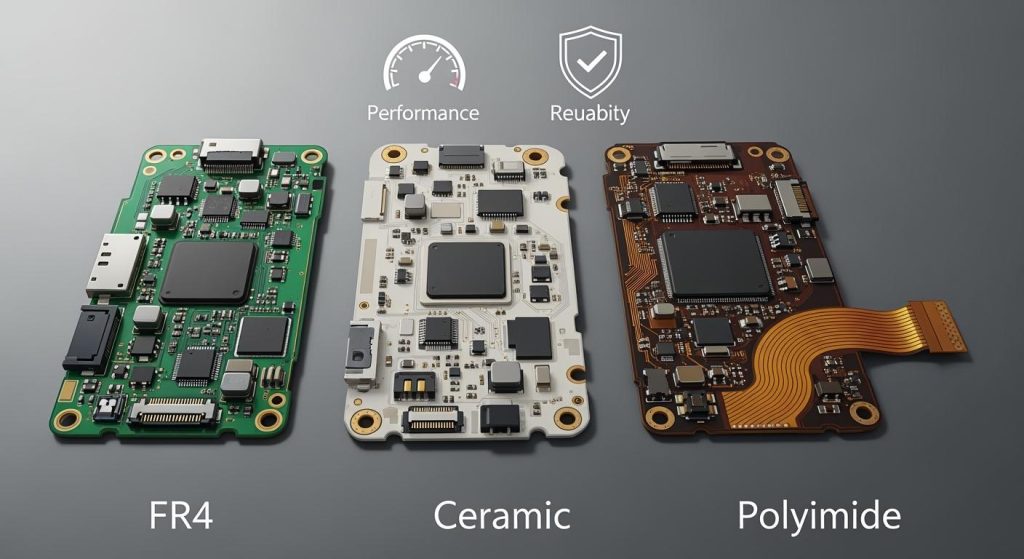
Choosing the right materials for both rigid and flexible parts of the PCB is crucial. Different materials have varying thermal expansion coefficients, which can lead to reliability problems during temperature fluctuations. A well-considered material selection can enhance performance and longevity.
4. Signal Integrity and EMI
Maintaining signal integrity and controlling electromagnetic interference (EMI) in flexible sections is a challenge. The substrate’s flexibility and the proximity of signals to bend regions can negatively affect signal quality. Effective design strategies, such as careful routing and shielding, can mitigate these issues.
5. Connector Placement
The placement of connectors transitioning between rigid and flexible sections is a vital design decision. Poor placement can lead to mechanical stress and reliability concerns, so it’s important to consider the mechanics of the assembly when deciding on connector locations.
6. Layer Transition
Transitioning signal layers from rigid to flexible sections poses its own set of challenges. Misalignment or improper transitions can result in impedance mismatches and signal degradation. Meticulous planning and verification are key to ensuring seamless layer transitions.
7. Thermal Management
Thermal management in Rigid-Flex designs can be more complex than in traditional rigid PCBs. The flexible substrate may limit the use of conventional heat-sinking methods, necessitating alternative strategies for effective heat dissipation.
8. Assembly and Manufacturing
The assembly process for Rigid-Flex PCBs is more complicated than for rigid boards. Designers must ensure that components can be placed and soldered correctly while accounting for the unique nature of the flexible sections.
9. Testing and Inspection
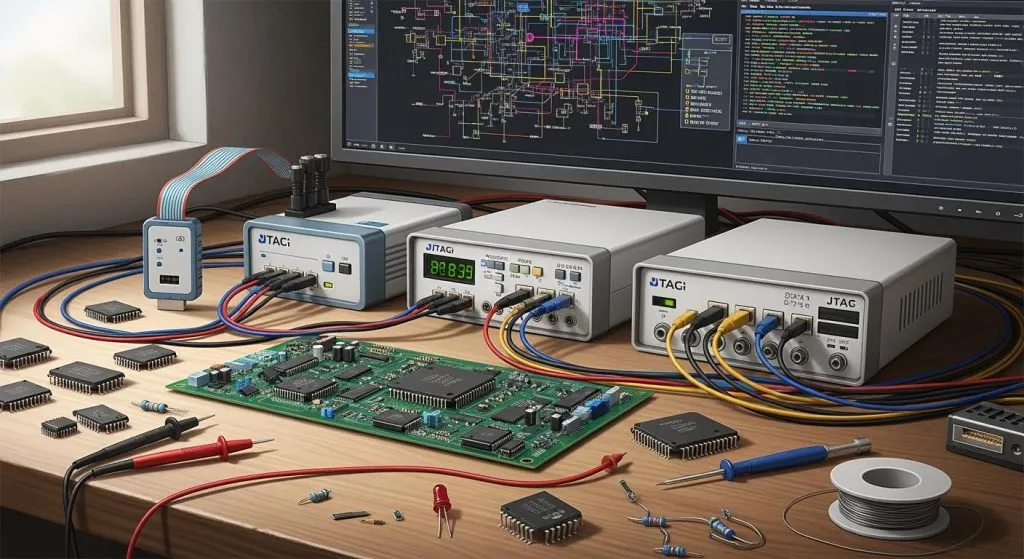
Inspecting and testing Rigid-Flex PCBs can be challenging due to their complex, three-dimensional structure. Specialized testing equipment and procedures may be required to ensure all specifications and performance requirements are met.
10. Mechanical Reliability
Ensuring the flexibility of the sections can withstand repeated bending without failure is crucial, particularly in applications like wearables or foldable devices. Designing with mechanical reliability in mind is essential for long-term performance.
11. Cost Considerations
Rigid-Flex PCBs can be more expensive to manufacture than traditional rigid boards due to their complexity. Designers must balance performance requirements with cost constraints to create effective solutions.
12. Design for Manufacturability (DFM)
Achieving manufacturability in Rigid-Flex designs requires collaboration with fabricators to ensure successful builds. Understanding manufacturing capabilities and limitations is critical to optimize designs for production.
13. Environmental Factors
For applications in harsh environments, such as automotive or aerospace, designers must consider factors like moisture resistance, corrosion protection, and thermal cycling to ensure reliability and longevity.
14. Design Verification
Rigorous testing and verification processes are essential to ensure that the final Rigid-Flex PCB meets all performance specifications. Comprehensive validation helps identify potential issues before full-scale production.
Advantages and Disadvantages of Rigid-Flex PCBs
Rigid-Flex printed circuit boards (PCBs) are increasingly popular in modern electronic applications due to their unique combination of rigidity and flexibility. While they offer numerous benefits, there are also some disadvantages to consider. Here’s a comprehensive look at the advantages and disadvantages of Rigid-Flex PCBs.
Advantages of Rigid-Flex PCBs
- Minimized Space Requirements: Rigid-Flex PCBs can be designed in three dimensions, allowing for significant space savings. This capability is crucial in compact electronic devices where space is at a premium.
- Reduced Weight: By eliminating the need for connectors and cables between rigid parts, Rigid-Flex designs can significantly decrease the overall system weight. This is particularly beneficial in applications such as aerospace and mobile devices.
- Lower Part Count: Maximizing space often leads to a reduction in the number of parts required for assembly. Fewer components not only simplify the design but also improve reliability.
- Increased Connection Reliability: With fewer solder joints and integrated connections, Rigid-Flex PCBs assure higher connection reliability compared to traditional designs.
- Simplified Assembly Processes: Handling during assembly is generally easier than with flexible boards, leading to more efficient manufacturing processes.
- Integrated Modular Interfaces: Integrated Zero Insertion Force (ZIF) contacts simplify modular connections to the system environment, enhancing the overall design flexibility.
- Simplified Testing: The design allows for complete testing before installation, streamlining the validation process and reducing the risk of failure in the field.
- Cost Savings: Logistical and assembly costs are significantly reduced with Rigid-Flex boards due to fewer components and simplified processes.
- Enhanced Mechanical Design Flexibility: The technology allows for more complex mechanical designs, providing greater freedom for optimized housing solutions and improved product aesthetics.
- Advanced Manufacturing Techniques: Recent advancements, such as air gap technology, allow for increased flexibility in designs, enabling more innovative applications.
- Controlled Impedance: As signal speeds increase, Rigid-Flex PCBs can be designed with controlled impedance, minimizing electrical reflections and ensuring error-free signal transitions.
Disadvantages of Rigid-Flex PCBs
- Higher Manufacturing Costs: The complexity of Rigid-Flex designs often leads to higher manufacturing costs compared to traditional rigid PCBs. This includes both material costs and labor involved in production.
- Design Complexity: The design phase for Rigid-Flex PCBs can be more complicated due to the need to integrate rigid and flexible components seamlessly. This requires specialized knowledge and experience.
- Longer Lead Times: The intricate manufacturing process can result in longer lead times, which may not be ideal for projects with tight deadlines.
- Challenges in Material Selection: Choosing the right materials for both rigid and flexible layers is critical. Variability in thermal expansion coefficients can create reliability issues during temperature fluctuations.
- Limited Repair Options: Repairing a Rigid-Flex PCB can be more challenging than traditional designs. Once assembled, the flexible sections are difficult to access and replace if failures occur.
- Testing Complexity: While testing is simplified in some respects, the complex nature of Rigid-Flex designs may require specialized testing equipment and procedures, adding to overall costs.
- Potential for Mechanical Stress: In applications where bending occurs frequently, there’s a risk of mechanical stress leading to failure. Designing for mechanical reliability is essential but can complicate the design process.