markdown Hardware engineering and procurement teams face heavy pressure in the growing global set-top box market. Building modern set-top boxes means balancing System-on-Chip processing power with heat limits. You choose between open-source software and licensed operating systems early in the design stage. Smart set-top box design speeds up part selection, simplifies board assembly, and ensures high production quality. Also, doing precise electronic box build assembly protects delicate electronics. Proper cable assembly reduces internal interference during final assembly. By mastering thermal management, you lower overall manufacturing costs. Picking a skilled manufacturing partner simplifies your hardware lifecycle and boosts your standing in a competitive market.
Key Takeaways
Picking the right smart chip balances working speed and heat control in set-top boxes.
Checking the design early with Design for Manufacturability (DFM) analysis lowers total factory costs by up to 50 percent.
Physical device safety tools keep electronic media safe and meet rules for secret code protection.
Careful building methods for the outer case protect the inner electronics from unwanted signal disruption.
Skilled factory partners simplify supply chains and reduce general manufacturing risks.
Architecture Overview of Set-Top Boxes
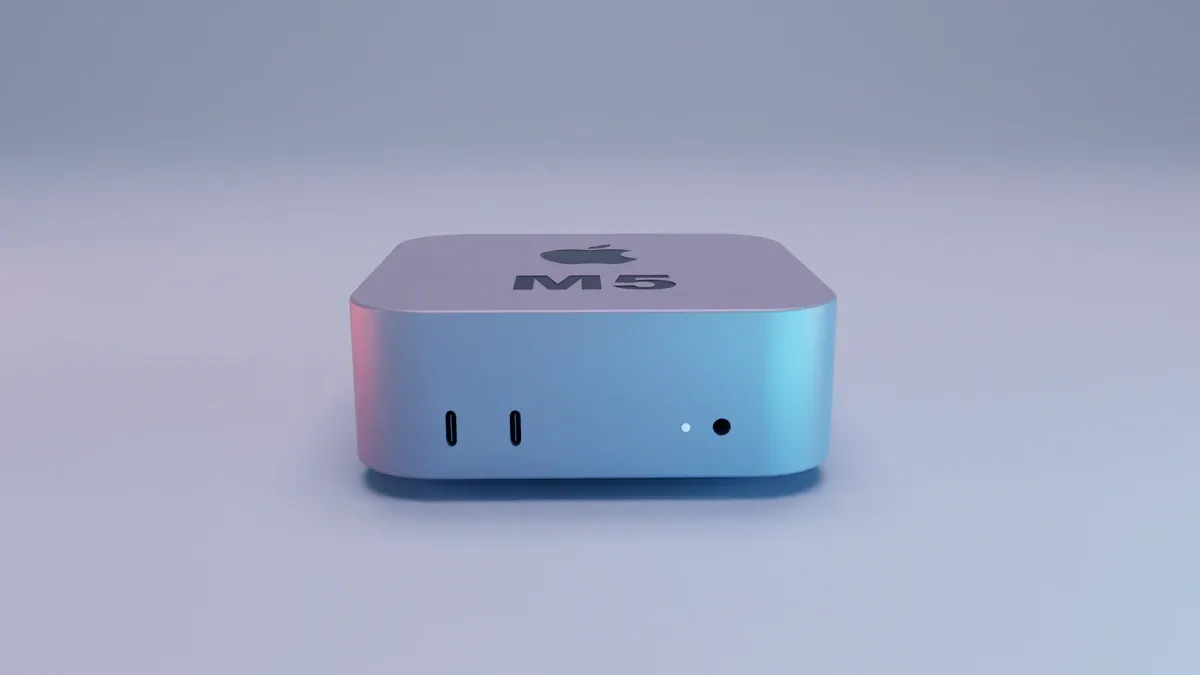
You must look at structural designs early when planning set-top box production. Modern set-top boxes work with different broadcast networks. You will pick between pure internet protocol, cable, or combined systems based on what your target market needs.
Comparing Cable, IPTV, and Hybrid Architectures
Traditional network operators rely on dedicated delivery lines. An older iptv receiver handles dedicated data streams over managed networks. However, these systems lack full broadcast integration. In contrast, hybrid set-top devices join different networks like terrestrial, cable, satellite, and internet platforms into one receiver.
Architecture Aspect | Hybrid (Scenario 1) | DOCSIS (Scenario 2) | Fiber (Scenario 3) |
|---|---|---|---|
Home Gateway (HG) | HG with DOCSIS termination + IP STBs via MoCA | HG with multiple DOCSIS QAM tuners + IP STBs via MoCA | ONT + HG with Ethernet termination + IP STBs via MoCA |
Conditional Access (CA) | CableCARD in HG + software CA in IP STB | Software CA in IP STB; network CA via Bulk Encryptor | Software CA in IP STB; network CA via Bulk Encryptor |
Key Advantage | Lowest upfront cost; leverages existing Edge QAM | No rewiring; leverages existing VOD platform | No rewiring; lower HG cost |
Hybrid designs join video on demand and streaming features smoothly. They let operators offer modern streaming services next to older channels. This method helps you win a larger market share. You can control hardware assembly costs well by picking the right gateway setup. Your box assembly line also stays flexible across different regional setup designs.
Essential System Modules and Connectivity Interfaces
Your internal component choices control actual performance. You build high-performance units around advanced processing hardware. Modern set-top design depends on strong system integrated chips.
System-on-Chip (SoC) combining CPU, GPU (such as Mali-G31 or Mali-G57), and memory controllers like Amlogic S905X5 or Rockchip RK3566.
System Memory: 1–4 GB LPDDR4 RAM or larger 2–8 GB RAM setups.
Storage Options: 8–64 GB eMMC flash storage, expandable using TF cards or external storage.
Main Interfaces: HDMI 2.1 output, dual-band Wi-Fi, Gigabit Ethernet, and Bluetooth 5.0 connections.
These hardware parts support smooth 4K video playback. Advanced decoders handle modern file types like H.265, VP9, and AV1 video. Strong connection options guarantee steady streaming playback for users. Proper physical layouts make your final electronic assembly process easier. You also prevent signal interference during final board assembly.
Key Considerations in Set-Top Box Design
Good planning guides set-top box design from the start to final production. You must balance high system power with physical space limits early in hardware creation.
SoC Selection and High-Speed Memory Layout
Picking your main processor shapes your system features. MediaTek sent out over 60M chipsets in 2023, giving a 50% boost in frame-rate rendering speed over past 4K models while decoding AV1, VP9, and HEVC formats. At the same time, Broadcom sent out over 70M chipsets in 2023, supporting Wi-Fi 6E and 8K processing. Your choice of processor dictates circuit routing and memory placement. You need strong engineering skills to build clean board layouts.
Fast memory layouts need careful focus on signal paths. Fly-by topology gives better signal quality, while clamshell topology saves useful board space. Route all signals of a given byte lane on one layer to keep electrical control stable. Match trace lengths inside byte lanes to meet exact speed goals. Use backdrilling to clear out unused via stubs and stop signal reflection. You should keep at least 5H spacing between clock differential pairs and other lines. Keep 3H spacing for address, command, and data lines to stop cross-signal noise. Running tests before physical routing helps you calculate trace width and via effects early.
Placing passive components and thermal vias directly under high-power chips accelerates heat dissipation inside small set-top enclosures.
Applying DFM Analysis for PCB Optimization
Early testing improves part placement and line routing. DFM methods reach up to 50% average total cost savings across real industry cases. Using clear rules makes fabrication, automated setup, and testing much easier.
Technique | Description | Key Parameter or Benefit |
|---|---|---|
Component Placement | Maintain clearances between parts to prevent thermal buildup and assembly errors. | 0.25mm minimum component clearance |
Trace Spacing | Space traces properly to prevent electrical shorts and simplify board etching. | 0.2mm (or 6-8 mils) trace spacing |
Current Routing | Standardize trace widths to handle target currents safely. | 6-8 mils for 1A; 20-30 mils for 2-3A |
Turn Geometry | Use 45-degree turns instead of 90-degree angles. | Eliminates acid traps during manufacturing |
Stack-Up Planning | Sandwich signal layers between planes and use back-drilling. |
Turn all parts the same way across the board to speed up surface-mount setup. Keep trace lengths under 10 inches for fast signals working up to 100 MHz. Place three target marks on the board so assembly tools stay accurate. In one real case study, turning the board let workers test parts without extra gear. This update needed 30 hours of CAD work, but it lowered overall production costs.
Adding easy testing and fixing options builds better long-term product quality. Design for testability guarantees stable testing at every build step, boosting error checks. Design for assembly cuts down manual turns and prevents bad part insertion. Design for serviceability lowers repair needs and makes fixes simpler. Using strong hardware design steps during early layout creates high manufacturing yields for your set-top box project. Good heat control keeps internal parts cool inside tiny set-top boxes. Matching smart set-top manufacturing with neat box assembly protects your hardware investment across the whole set-top lifecycle.
Operating System Integration and System Security
Picking the right software platform early keeps your product plans on track. This decision drives license fees, app store choices, and future update schedules.
Selecting Android TV, Linux, or Proprietary OS
In 2022, Linux set-top devices earned almost 60% of all global market revenue. Standard service providers favor custom Linux software to keep full system authority. Even so, Android TV systems are rising fast because viewers want top streaming apps right away.
Operating System | Year | Market Share |
|---|---|---|
Android TV Operator Tier | 2020 | 5% |
Android TV Operator Tier | 2026 | 23% |
Linux-based proprietary | 2020 | 85% |
Linux-based proprietary | 2026 | 48% |
Using open-source Android cuts Google licensing costs while keeping your own custom layout. Still, unapproved builds lose access to official app stores and standard media rights. Picking licensed Android TV gives your media box instant access to famous streaming services. But Google mandates rigid hardware specs and frequent system updates. Meanwhile, a Linux IPTV box restricts software use to one locked portal, but an Android set-top box allows regular OTA updates and manual app installs.
Implementing Hardware Root of Trust and DRM
Media safety demands special defense chips inside new set-top hardware plans. Engineers must lock security tools directly into the main silicon processor. This safe base verifies security codes whenever the machine starts up. The safe boot step blocks fake software and stops memory tampering.
Silicon-level hardware root of trust protects encryption keys and guarantees safe boot operations for media devices.
Top video networks demand strict digital rights protection before sharing high-definition content. You need secure software zones to keep private decryption keys hidden. Systems with Widevine DRM handle locked video tracks inside separate chip areas. Storing keys during board manufacturing keeps defense levels high. These physical walls ensure safe playback across all paid streaming networks.
Electronic Box Build Assembly and Integration
Integrating PCBAs and Cable Harness Assemblies
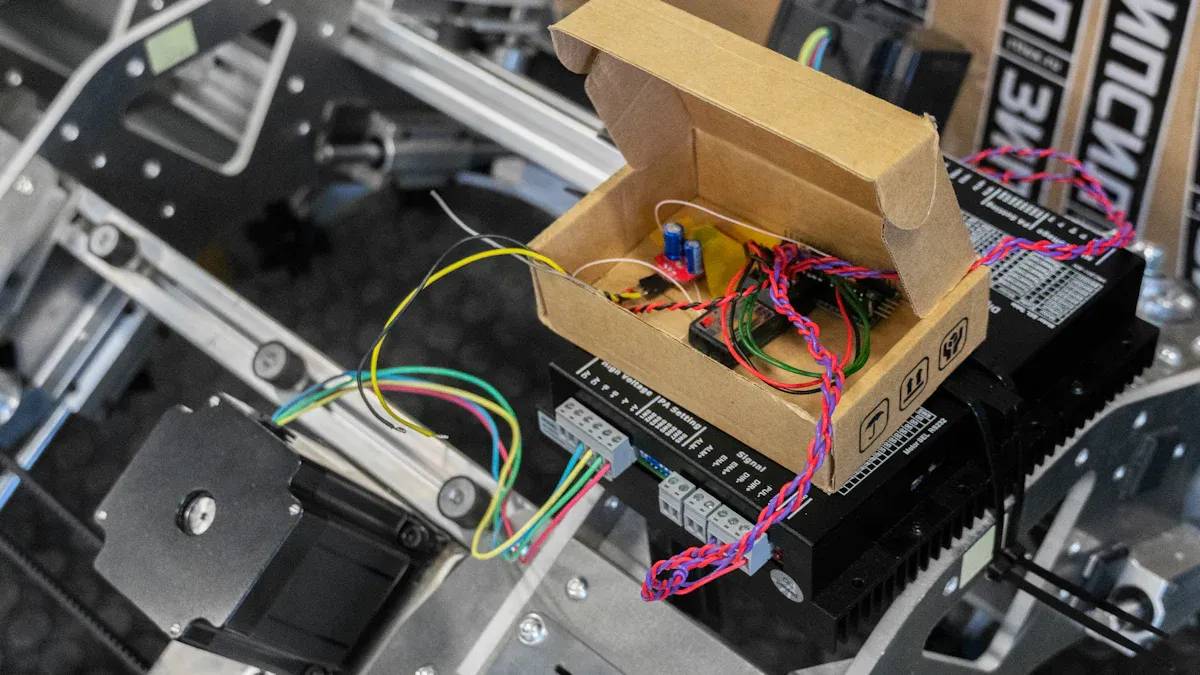
Your factory relies on a full box build assembly setup that makes manufacturing run smoothly. First, pick a plastic or metal case to protect all set-top parts. Skilled workers place printed circuit boards into the housing using approved drawings and tight screws. This careful box build assembly process keeps the system running safely without any interruptions.
Next, plug in internal wires, switches, and extra hardware. You need to follow clear wire paths, add pull protection, and test all connections right away. After installing the parts, program the main chip with approved system software. This step requires strict tracking to ensure you use the correct code version. Workers immediately send built units over for full performance testing. They run quick power tests and check every port against clear pass rules. Finally, add product stickers and serial numbers before packing boxes with power cables and guide books.
The complete box build assembly process follows clear, step-by-step instructions:
Board Setup: Lock tested circuit boards firmly inside the main chassis spots.
Wiring Setup: Join inner parts with neat cable routes and strong strain clips.
Outer Case Integration: Join plastic covers, metal brackets, rubber seals, heat blocks, and screws.
Software Flashing: Install certified system files onto the device before starting checks.
Quality Checks: Test main power systems and run standard port connection checks.
Box Labeling and Packing: Put on tracking tags and pack units into shipping cartons.
Following this standard box build assembly routine cuts down factory mistakes and keeps your design goals on track. Focused assembly lines maintain fast output.
Enclosure Design and Precise Cable Routing
Smart physical design controls inner heat setup and stops signal noise inside set-top cases. You should pick outer materials based on strength, heat movement, and electrical noise blocking.
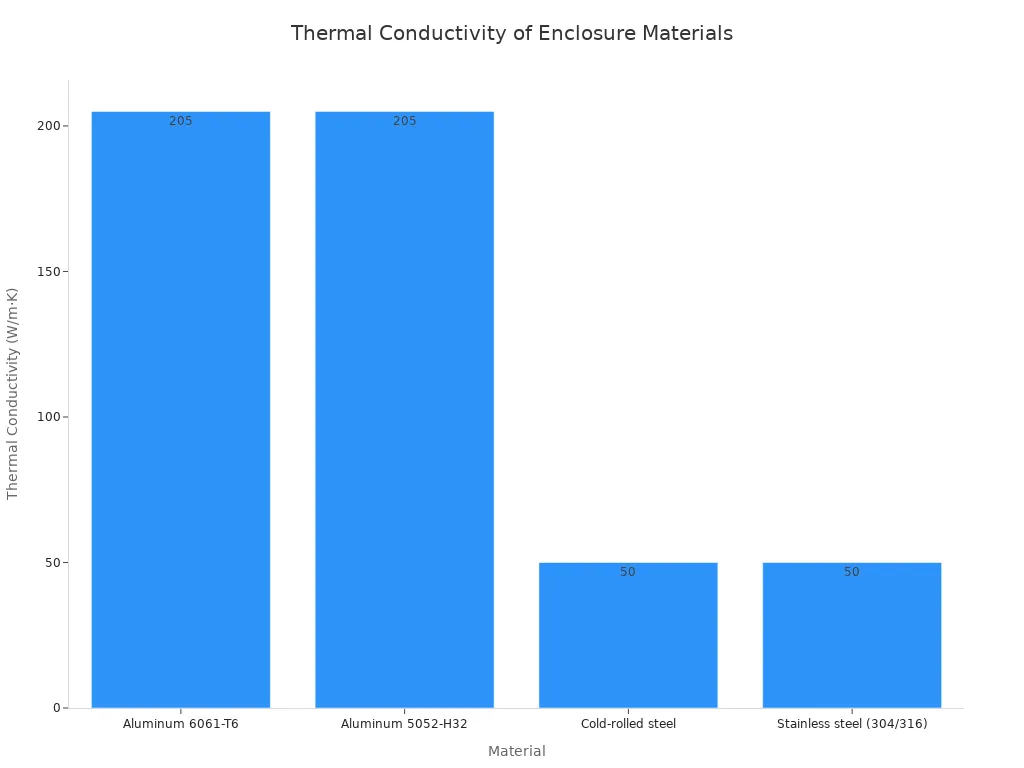
Types 6061-T6 and 5052-H32 aluminum move heat fast at 205 W/m·K while blocking high-frequency signal noise. Basic steel cuts unit costs and stops low-frequency noise, but it moves heat poorly at 50 W/m·K. Stainless steel grades 304 and 316 also move heat poorly at 50 W/m·K with average noise block. Cast aluminum delivers good heat movement and handles drops well. Simple plastic offers cheap indoor cases but lacks signal noise protection.
Exact sizing checks prevent case breaks during final box build assembly steps.
Design Parameter | Recommendation |
|---|---|
PCB-to-Wall Clearance | Maintain at least 0.5 mm spacing to avoid mounting interference. |
Connector Openings (circular) | Reserve 0.2–0.3 mm clearance larger than connector diameter. |
Connector Openings (rectangular) | Reserve approximately 1 mm clearance per side. |
Snap Fits and Hinges | Provide 0.5–1 mm clearance to prevent sticking or looseness. |
Screw Boss Engagement | Design plastic screw holes about 0.3 mm smaller than screw diameter for proper thread engagement. |
Reinforcement Structures | Use ribs (1/2 to 2/3 of wall thickness) and gussets to reduce deformation and distribute stress. |
Running real physical tests helps you check rubber seal squish and screw tightness limits. Using fixed point markers keeps parts aligned during large factory runs. Add conductive pads and line filters to meet tough MIL-STD-461 noise specs. This extra shielding keeps data signals clean across complex plug connections. Using heat-matched parts stops board bending when internal temperatures change. Following clear box build assembly rules brings high factory output and lasting device reliability for every project.
Quality Assurance and End-of-Line Testing
Automated Optical and In-Circuit Testing Methods
You protect product quality by checking every circuit board during set-top box creation. Automated optical tools take clear photos of board parts. These automated cameras spot missing pieces, poor soldering, and raised leads. Early optical checks stop surface mount defects before final box assembly.
In-circuit testing checks power flow across the full circuit board. Special test fixtures push tiny spring pins against chosen test points.
Pin contact: Probes touch designated trace lines on the board.
Component checks: Machines check exact resistance and capacitance values across parts.
Short circuit checks: Automated tools spot bad solder bridges across board pads.
This fast step catches broken parts before workers put boards into cases. Proper board checks lower total fix costs during big factory runs. Simple assembly steps keep error rates low across complex lines.
Environmental Stress Screening and Compliance Testing
Stress tests place fully built set-top boxes under hard operating conditions. Hot and cold rooms expose every set-top box to high heat changes. Shaker machines shake the case during final assembly checks to find loose wires. These tough tests reveal hidden hardware problems before shipping to buyers.
Final compliance tests ensure high product quality and meet clear legal standards. Workers check electrical noise levels under strict rules like FCC Part 15 Class B. Engineers confirm low noise levels to keep nearby wireless tools safe.
Rigorous stress testing ensures long-term operational quality in dense domestic deployment environments.
End-of-line tests check video playback, port speeds, and remote responses. Automated code runs real streaming tasks on the finished set-top box. You keep high factory output while protecting your brand image through full tests across all assembly lines. Skilled workers finish final box packaging before sending items out to global buyers.
Set-Top Box Manufacturing and Supply Chain Strategy
Managing your supply chain requires smart planning throughout every step of production. You need to secure your component supplies to keep factory output high.
Turnkey Sourcing and Lifecycle Management
A complete turnkey plan makes set-top box manufacturing much simpler. Your factory partner buys parts, builds circuit boards, and manages inventory under a single contract. This helpful choice speeds up your release schedule and lowers extra shipping costs. Turnkey partners also solve sudden part shortages quickly during unexpected market changes.
Lasting success with set-top boxes depends on careful hardware lifecycle management. You have to handle design updates, old parts, and board changes without slowing down output. Your team talks with suppliers early to track component availability. Strong supply chain tracking prevents costly factory line stops.
Selecting Qualified EMS Manufacturing Partners
Picking the right EMS partner protects your overall product plans. You should grade every potential partner carefully before signing any factory contracts.
Pick your supply strategy – Decide between buying parts yourself or using turnkey service, and find a adaptable partner.
Check factory skills – Make sure the partner handles complex boards, design updates, and sudden change requests easily.
Review team fit – Choose between a basic worker or a real strategy partner, and check your group chemistry.
Check potential factories through deep audits of their actual skills. Your team needs to confirm key factory features:
Tech Depth and Tools: Check total supply control, robotic build gear, and smart technical help.
Quality System Standards: Look for ISO 9001, ISO 13485, AS9100, and full part tracking capabilities.
Growth and Supply Power: Confirm the factory scales smoothly from initial samples to mass production.
Strategy and Team Fit: Demand clear project talk and quick action on layout change orders.
Confirm daily factory skills using site tours, client calls, and trial runs. Use a basic scoring sheet to balance piece cost against build quality and tech skills. Great technical skill lets your EMS partner improve the final box build assembly process. Safe box build assembly methods protect all delicate chips inside the final case. Good box build assembly lines send finished products right to your waiting customers.
Making set-top boxes well requires a clear balance between hardware setup, software setup, and testing. You can control this full cycle by using smart set-top box design rules right away. Checking your plans early makes board assembly easier, speeds up part setup, and saves money. Also, your technical team stops simple mistakes while placing parts and routing cables.
Working with an expert EMS partner makes your electronic box build assembly process much smoother. A trusted factory controls every box build assembly step, keeping delicate internal hardware safe. You should check your current design plans and surface-mount setup steps today. Improving your main assembly line guarantees reliable production for all modern set-top boxes.
FAQ
How do hybrid architectures benefit system operators?
You mix classic TV channels with modern streaming apps inside a single media receiver. This setup uses existing network cables and lowers initial costs. Plus, your board assembly stays flexible across different regional setup markets.
Which enclosure materials provide optimal thermal performance?
Types 6061-T6 and 5052-H32 aluminum move heat fast at 205 W/m·K while blocking noise. You stop heat buildup in small set-top boxes by adding heat vias under main chips and leaving proper space during box assembly.
Why should engineering teams conduct early DFM analysis?
Early DFM checks improve part placement and line spacing. You prevent acid traps by making 45-degree line turns. This step cuts average production costs by up to 50% while making part setup and automated set-top box assembly much easier.
How does hardware security protect media content?
You put a hardware root of trust right into the chip during board assembly. This design checks startup code and stops software tampering. Locked defense areas protect private keys, meeting tough DRM rules for paid video apps on your set-top iptv receiver.
What occurs during electronic box build integration?
Workers fasten circuit boards, run cable harness assembly lines, and install system software. Factory tools check power flow before testing video playback. Good box build assembly protects delicate parts, ensuring steady performance across all finished set-top boxes.