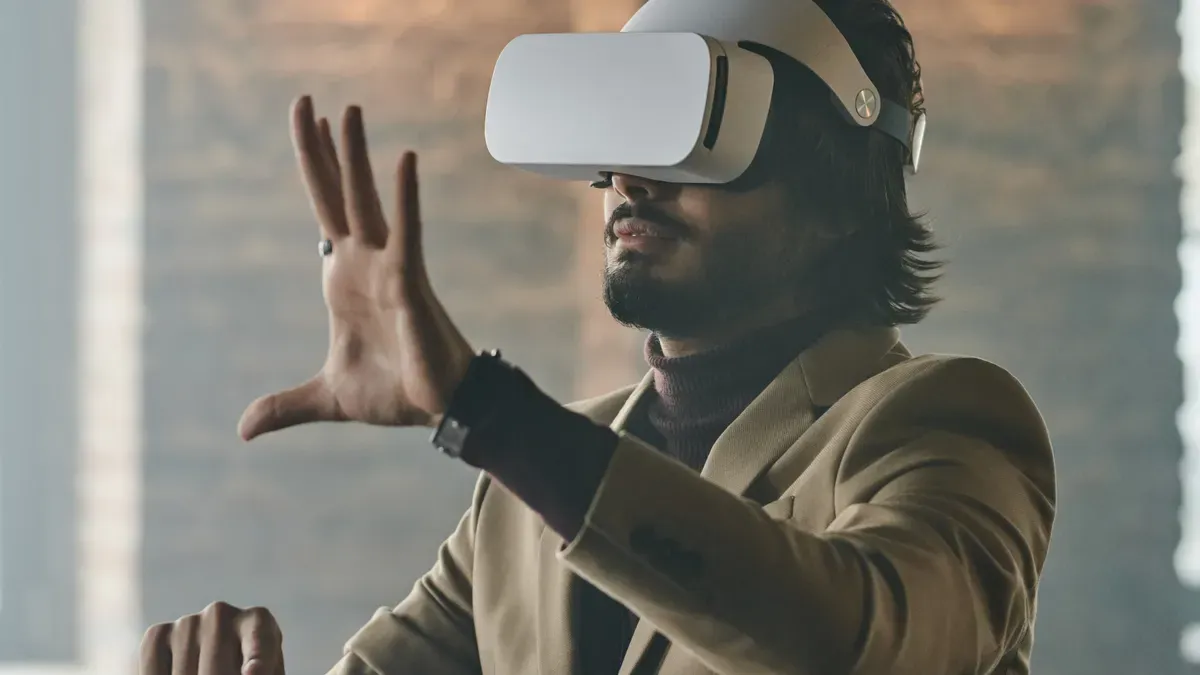
You need standard testing rules. This helps move industrial VR equipment. It goes from early designs to mass production.
Hardware engineers handle tight optical alignment tolerances. You also sync many sensors for every VR display. You increase factory yield. You put new sensor technology into strong covers.
This strict plan helps grow your ideas. It creates great VR units. They handle tough work places during large production runs.
Key Takeaways
Smart designs speed up building. They make repairs easy.
Automated optical testing finds visual flaws fast. This saves materials.
Long-term supplier contracts stop costly delays. They protect display parts.
Tough thermal and stress tests check every headset. They handle hard work environments.
DFM for Industrial VR Equipment
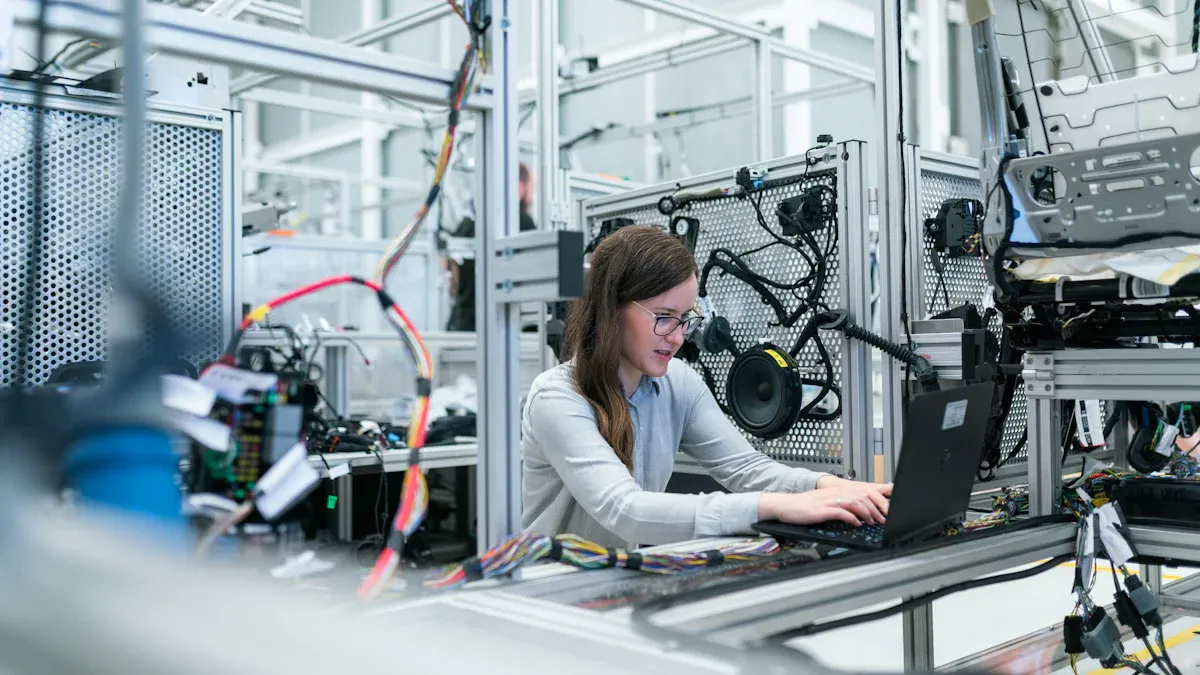
Design for Manufacturability (DFM) helps build items fast. You link hardware choices with auto factory lines. This process builds industrial vr equipment well. Smart choices raise factory yield. Good design stops pricey build errors.
Optics and Display Integration for the VR Headset
Micro-display alignment needs exact placement. Put displays in sub-micron tolerances. This step stops bad visual distortion. Auto tools place panels on optical mounts. Put fiducial markers on the display chassis. These marks guide fast robot vision tools.
Automated Optical Inspection (AOI) checks lens distances fast. Using AOI finds early faults quickly. This step cuts total scrap rates. It stops bad parts from moving far. Scrapping full boards later costs much more.
AOI Implementation Mechanism | Impact on Scrap & Yield | Manufacturing Benefit |
|---|---|---|
Real-Time Defect Detection | Cuts total scrap rates | Allows fast fixes to lift yield |
Source-Level Defect Halting | Protects overall factory yield | Stops costly late scrapping work |
Preventive Quality Control | Cuts total material waste | Lowers returns to save cash |
Your auto build line needs clear optical marks. Cleanrooms shield open optical engines during big builds. Seal optics early in the build flow. This step stops all inside dirt. It gives clear views for enterprise operators.
Mechanical Tolerancing and Rugged Housing
Hard work spaces need tough hardware. Users drop headsets and add dust daily. They need non-stop work in factory spots. Design a tough head-mounted display shell now.
Add inside ribs to absorb drop hits.
Put gaskets around lenses for liquids.
Use stiff frames for tracking camera setup.
Exact alignment holds external tracking cameras tight. Soft shells bend under hard stress. Rigid housings keep true distances for sensors. Safe sensor alignment helps virtual reality mapping. Engineers use stable frames for design reviews. Workers need exact spatial math in training.
Modular Design for Factory Integration
Modular build helps final assembly. It speeds up off-line testing too. Split the headset into three main parts: the display pod, strap with battery, and sensor array.
[ Sensor Array Sub-Assembly ] ──┐
                                ├──> [ Main Docking Frame ] ──> [ Final Product ]
[ Display Pod Sub-Assembly  ] ──┤
                                │
[ Power Strap Sub-Assembly  ] ──┘
Test each part before final build. Check screen speeds on display units first. Do this before adding outer shells. Calibrate tracking cameras on test benches first. Do this before final frame steps.
This modular way simplifies hard factory lines. Swap bad parts fast without scrapping all. Factories use headsets across many vr applications. Strong head-mounted gear shows crisp 3d models. Reliable tech helps in virtual training spots. Industry needs solid vr gear for work. Modular DFM brings high yields daily. Good vr training needs tough gear. Smart design pays off in big builds. Your custom vr headset keeps high factory yield. It gives steady output in the field.
Supply Chain Management for Virtual Reality Hardware
You need a strong supply chain. It helps grow industrial vr hardware output. Getting main parts early stops costly factory delays.
Sourcing Micro-Displays and Custom Optics
Micro-displays give users clear 3d views. They work inside the vr headset. High pixel count screens remove tiny lines. Work with top vendors for custom lenses. Check new optical parts very closely.
💡 Tip: Sign multi-year supply contracts early. This plan stops sudden micro-display shortages. It helps during big production runs.
Sensor Procurement and Quality Binning
Virtual tracking needs fast sensor inputs. Use many units together. Buy exact cameras and motion sensors. Sort these parts with strict test rules.
Sensor Type | Binning Criterion | Virtual Reality Target |
|---|---|---|
IMU Array | Zero-drift tolerance | Real-time motion capture |
Tracking Camera | Spatial frame sync | Accurate 3d mapping |
This sorting separates good sensors from bad. Put only tested units into headsets. Strong checks keep fix rates very low. This helps the whole factory operation.
Sourcing Industrial-Grade Enclosures
Work sites test gear with hard hits. Buy outer shells for tough places.
Pick tough plastic for main frames.
Work with skilled plastic molding vendors.
Test water and dust shields often.
Strong shells shield light optics from drops. They block hard shocks inside the gear. Good supply plans send reliable industrial vr equipment out. Tough tech keeps workers safe. It helps during hard 3d job steps. High build rules make buyers trust you.
Production Line Calibration and Testing

Factory lines need exact testing steps. Big builds need perfect part alignment. Test every vr headset before shipping out. Good checks keep high work rules.
Automated Optical Test Stations
Set up fast auto test stations. These check lens shapes and screen views. HD cameras inspect tiny micro-displays now. Fast software checks color and screen light.
[ Headset Mount ] ──> [ High-Res Test Camera ] ──> [ Spatial Analysis Engine ]
                                                          │
                                                          ▼
                                            [ Sub-Millimeter Pass / Fail ]
These tools check exact movement paths well. Smart tools show clean virtual views. You find screen flaws early today. This keeps factory yield rates high.
Calibrating Immersive Tracking and Sensor Arrays
Exact sensor timing gives smooth views. Assembly lines run code to align cameras. Test routines stop lag in 3d tasks.
💡 Pro Tip: Run motion tests on stiff rigs. Workers align tracking gear with boards. This locks in exact real space mapping.
Lock the headset onto the moving bench.
Spin the rig to find sensor errors.
Save fix data directly into hardware chips.
This step improves tracking for all setups. Workers want fast responses in training. Quick views stop dizziness for team members. Good hardware shows exact 3d views daily.
Thermal Stress and Burn-In Profiling
Non-stop use creates hot inside spots. Heat shifts sensor output over time. Unchecked heat lowers precision system stability.
Operating Condition / Parameter | Impact without Thermal Management | Benefit of Effective Thermal Dissipation |
|---|---|---|
Sensor Calibration Drift | High heat causes drift in sensitive parts. | Cuts drift and protects sensor precision. |
Positional & Tracking Accuracy | Heat causes frame shifts and bad size changes. | Holds tight position accuracy during long work cycles. |
Continuous Operational Limits | Hot parts lose speed over time. | Allows full speed and extends part life. |
Run headsets inside hot rooms now. Stress test the whole outer frame. Smart heat control keeps tracking very exact.
New industrial vr hardware needs steady power. Calibrated gear shows fast 3d graphics well. Teams use stable gear for hard tasks. Strict tests yield steady vr display views. Tough builds gain trust from enterprise buyers.
Quality Control and Compliance for VR Manufacturing
First-Pass Yield and Failure Analysis
Track success rates on the assembly line daily. High build numbers cut single product expenses fast. Good build plans stop early part waste. Quick root-cause reviews solve hardware issues right away. Find bad tracking sensors and broken displays fast.
💡 Quality Alert: Fast root-cause checks protect overall factory speed. Fix assembly errors early to save raw parts.
Metric | Target | Failure Source |
|---|---|---|
First-Pass Yield | > 95% | Optical misalignments |
Tracking Drift | < 0.1 mm | Loose camera mounts |
Engineers check broken gear to fix weak solder. Constant repair notes improve your factory methods.
Safety Certifications and Regulatory Standards
Using tech in factories requires strict safety rules. World markets demand exact electrical safety levels. Certify the vr headset optics to prevent eye strain.
Get CE and FCC marks for wireless emissions.
Check battery insulation to stop fire risks.
Test laser levels for total eye safety.
Your industrial vr equipment needs full approval before shipping. Clear safety proof builds strong client trust. Official certificates validate your gear for real job sites.
Accelerated Life and Reliability Testing
Hard work sites expose gear to rough use. Simulate long wear through hard stress tests. Drop tests prove outer shell strength in training. High vr rules require tough drop checks.
[ Drop Stress Test ] ──> [ Hinge Flex Cycles ] ──> [ 3d Spatial Audit ]
Shaking tables test the vr display frame daily. Check 3d spatial map accuracy after hard hits. Clean lenses must show sharp 3d views. Complete test steps help your vr headset survive. Tough designs create reliable gear for long use. You tune each unit for smooth 3d views. Your team keeps strong design rules for output.
Scaling industrial vr equipment requires vital engineering milestones. Integrated DFM improves manufacturing efficiency through part consolidation and tolerance optimization. This vr technology simplifies assembly and cuts rework costs.
Automated factory equipment calibration aligns every virtual display.
Exact vr algorithms adjust virtual spatial tracking.
Strict vr protocols protect manufacturing yield.
Active vr line testing locks in stable vr output.
You master vr scaling across the industry. Combine robust vr design with automated audits to protect vr hardware. You maintain top vr reliability while ramping up throughput. Consistent vr engineering drives successful virtual deployment.
FAQ
How do you maintain high optical yield during vr headset mass production?
Cleanrooms keep display alignment clean. Robots use fiducial markers for alignment. Smart tools find optical defects fast. This stops waste. It keeps factory yield high.
Why does industrial vr equipment require modular design?
Modular design lets you test parts first. Test display pods separately now. Check headset straps on test benches. This makes fixes very easy. Workers swap bad parts fast. They save full vr units.
How do you calibrate vr tracking arrays for immersive virtual applications?
Test stations align sensor arrays automatically. Lock each headset onto a bench. Code saves motion data to chips. This gives precise spatial tracking. It helps during hard work.
How do thermal tests protect vr hardware performance?
Put vr units in hot rooms. Heat checks reveal display flaws fast. Tests show processor throttling early. Good cooling stops performance drops. Engineers check every headset. They pass units before shipping.
How do you secure component supplies for scaling vr technology?
Sign long contracts with display makers. Use strict limits to bin parts. This stops supply chain bottlenecks. You keep steady vr builds. It protects vr production schedules.