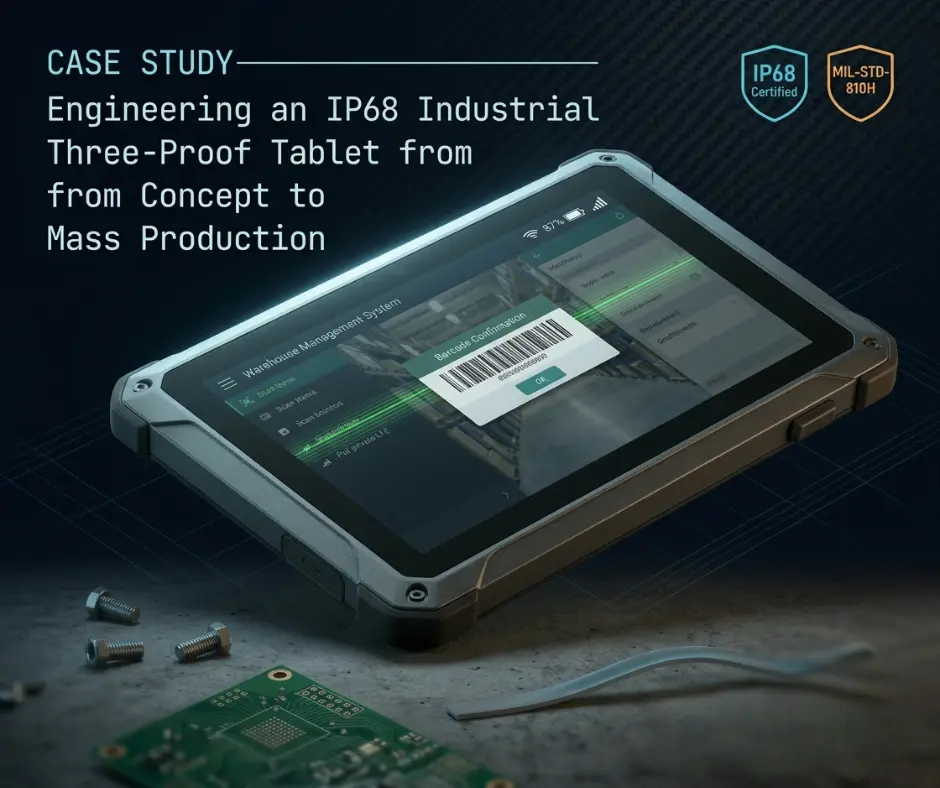
Now, the demand for rugged mobile computing has surged as industries digitise their floor operations. Industrial tablets PC now serve as the backbone for smart warehouses and automated factories. These devices must operate where standard consumer electronics fail. Experts work hard to ensure these tablets withstand extreme vibration, dust, and moisture while maintaining a stable supply chain for long-term deployments.
With an average lifecycle of five to seven years, industrial tablets require a hardware foundation that prioritises longevity over trendy aesthetics. Businesses hope these robust systems will reduce downtime and lower the total cost of ownership.
Wonderful PCB provides the specialised engineering required to bridge the gap between complex board design and survival in the field.
CUSTOMER CHALLENGES
To begin, the client faced significant hurdles when developing their latest rugged tablet. Most off-the-shelf solutions lacked the specific interface density required for modern automation. First, of course, the device needed to operate in a wide temperature range without losing performance. Standard PCBs often delaminate or experience solder joint fatigue under repeated thermal cycling.
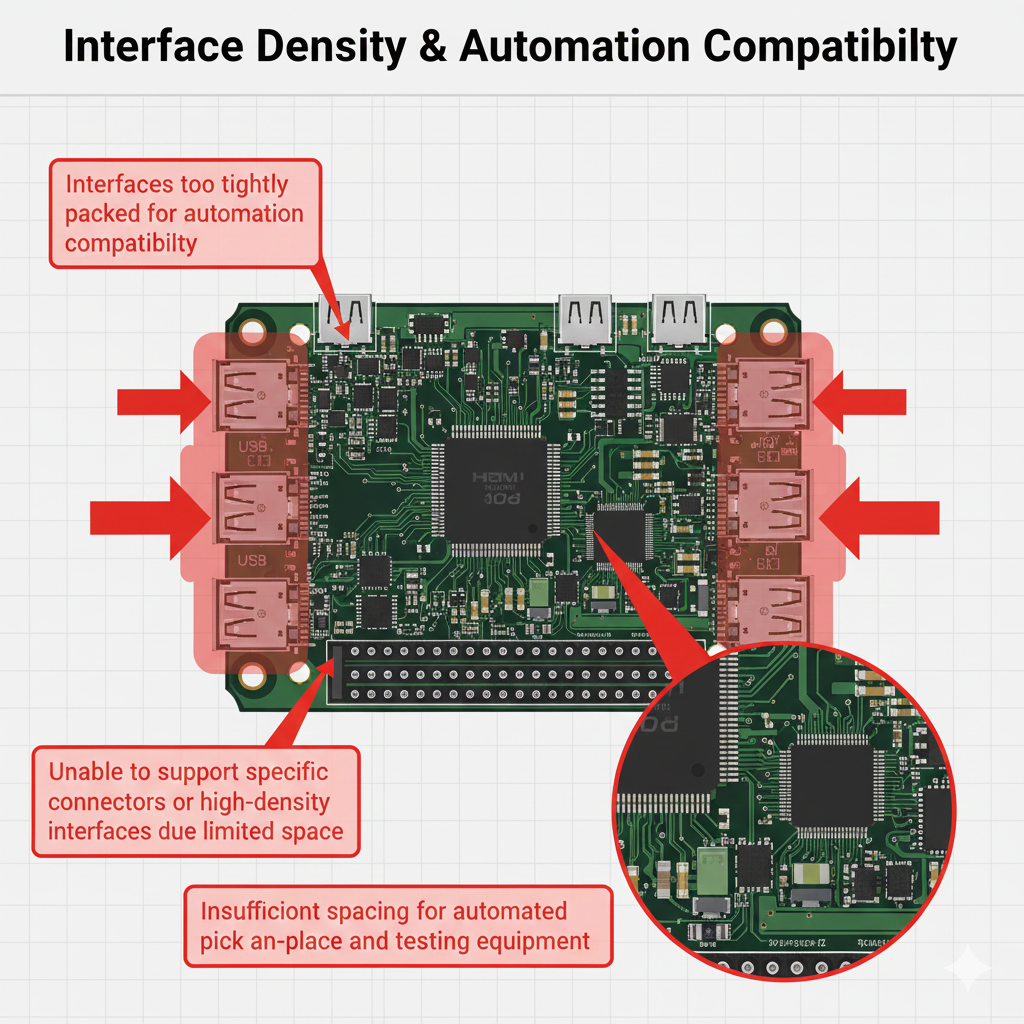
Interface Density & Automation Compatibility
Then, in turn, the client struggled with electromagnetic compatibility. Industrial environments generate high levels of electrical noise from heavy machinery. Without proper shielding and layout, the tablet’s communication modules would suffer from interference.
Furthermore, the physical constraints of a slim tablet housing meant that power consumption and thermal management became critical bottlenecks. Originally, the client attempted a standard design, but often felt restricted by the high failure rates during initial vibration testing.
WONDERFUL PCB’S SOLUTION
Now, all of this stated, Wonderful PCB stepped in to overhaul the hardware architecture. We focused on a holistic design approach that treats the PCB as a mechanical component as much as an electrical one.
Hardware & PCB Design
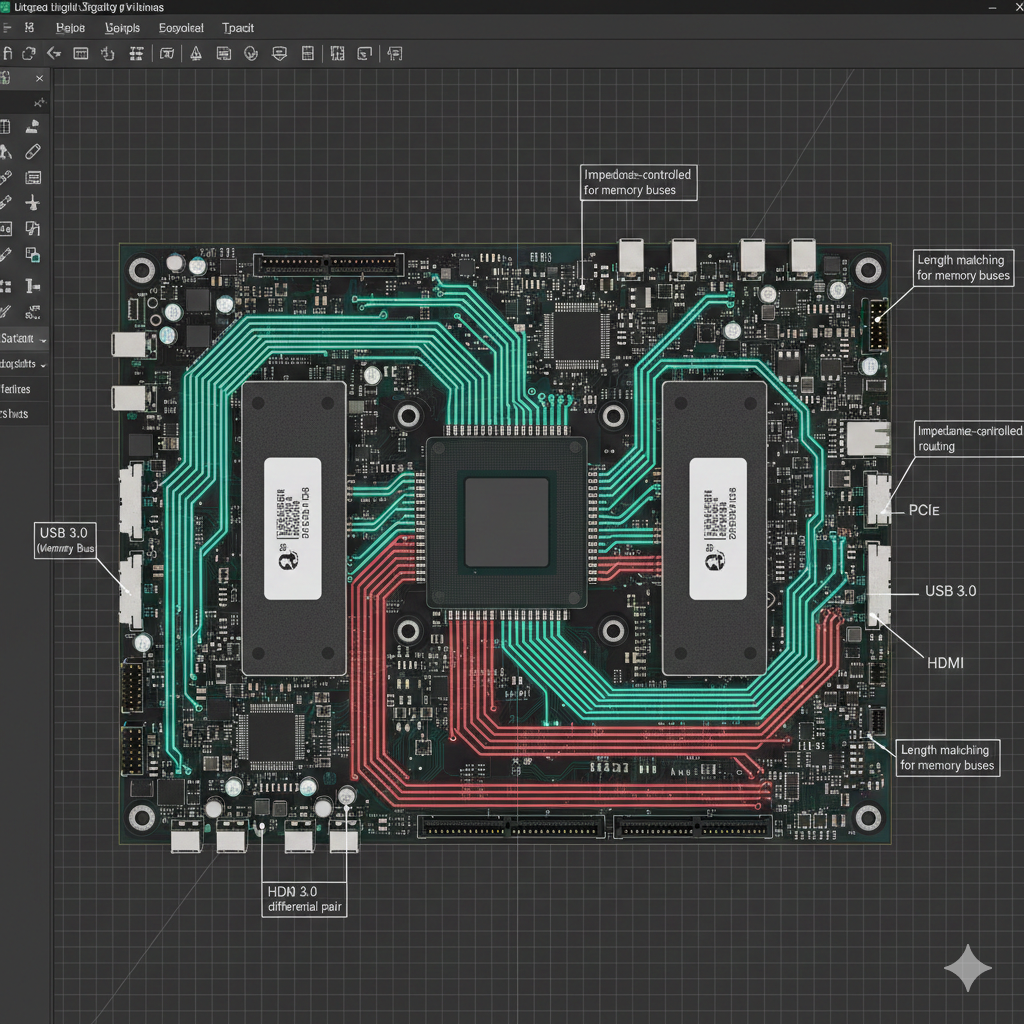
Signal Integrity Planning
First, you need to establish a robust signal integrity plan. Our engineers utilized an 8-layer high-density interconnect stack-up to manage high-speed signals for the CPU and memory.
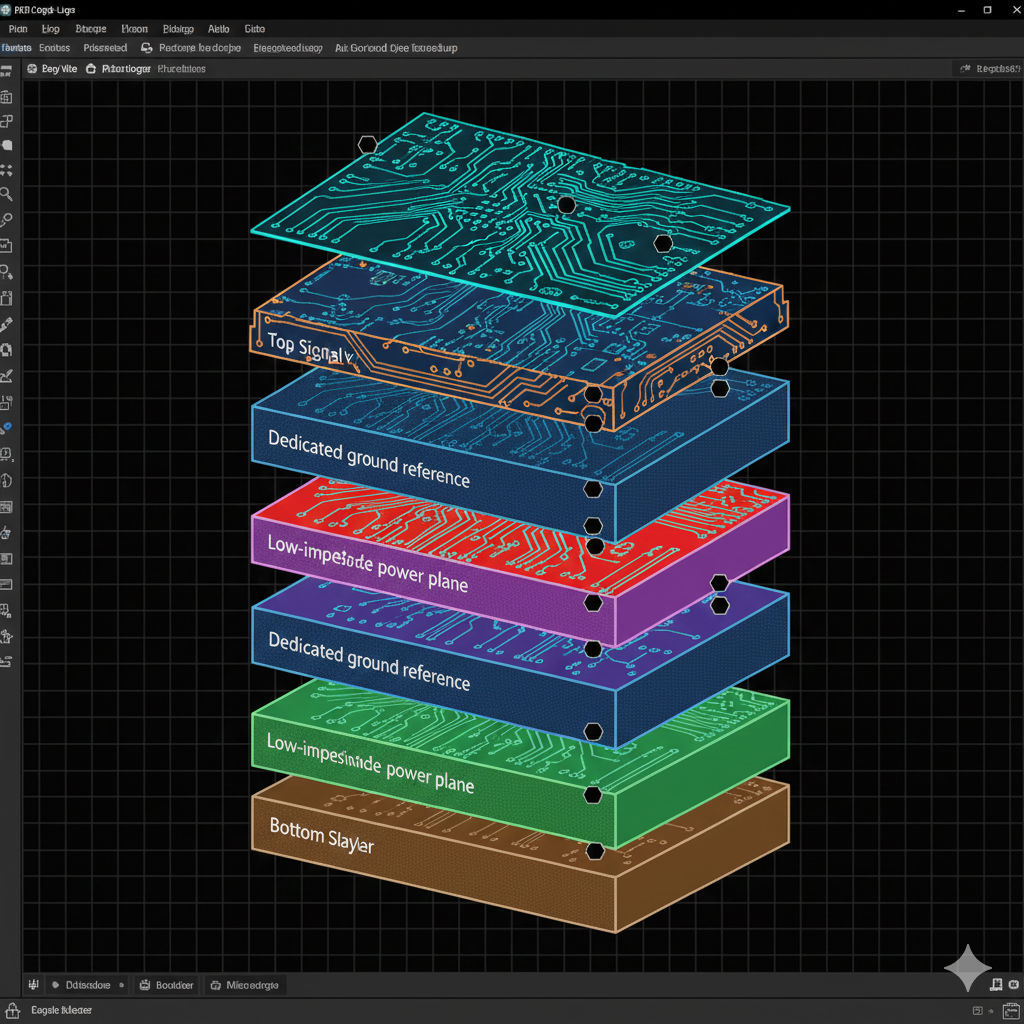
8-Layer HDI Stack-Up Representation
Then, you should optimize the power distribution network to ensure stable voltage delivery under peak loads. We implemented dedicated ground planes to mitigate EMI and improved the routing for interfaces like USB 3.0 and HDMI.

EMI Mitigation & Interface Routing
Component Selection & BOM Optimization

BOM creation and optimization
Next, we replaced consumer-grade capacitors and resistors with industrial-grade alternatives. In addition, we developed a long-lifecycle strategy. Because the last thing you want to do is redesign a board after six months due to a discontinued chip, we selected components with guaranteed availability.
This often just involves a deeper dive into the supply chain to find the most stable silicon providers.
PCBA Manufacturing & Assembly
After that, our facility transitioned the design to the production line. We utilized a SMT and THT mixed assembly process. Specifically, we used lead-free, high-reliability solder paste to enhance the mechanical strength of the joints.
Finally, make sure to implement Automated Optical Inspection to catch any bridge or void before the board moves to functional testing.
INDUSTRIAL TABLET KEY SPECIFICATIONS
In terms of technical performance, the finalized PCBA meets the following criteria:
| Feature | Specification |
| Layer Count | 8-Layer HDI |
| Operating Temp | -20°C to +70°C |
| Power Input | 9V – 36V DC (Wide Voltage) |
| Interfaces | Dual LAN, CAN Bus, RS485, USB 3.0 |
| Memory Support | LPDDR4x High-Speed Routing |
| Compliance | CE / FCC / RoHS |
RELIABILITY & TESTING
First, in the beginning, we subject every batch to In-Circuit Testing. This ensures that every trace and component performs to the exact design specifications. Then, we conduct a power-on aging test in a thermal chamber. After awhile, this process reveals any latent defects that might occur after the product reaches the end-user.
Meanwhile, we perform vibration and shock testing. You will need to ensure that the board does not flex or crack when the tablet is dropped or mounted on a moving vehicle. So, aside from the electrical checks, we evaluate the structural integrity of the entire PCBA.
PROJECT RESULTS
So ever since then, the client has successfully deployed over 10,000 units across European logistics hubs. As well as almost zero field failures related to the PCB, the client reported a 25% reduction in assembly time due to our optimized board layout.
Consequently, they moved from the prototype phase to volume production two months ahead of schedule. This will happen when the design phase accounts for manufacturing realities from the onset.
WHY WONDERFUL PCB
You should be able to rely on your partner for more than just a bare board. Wonderful PCB provides a one-stop service that covers design, fabrication, and assembly. Moreover, we offer:
One-Stop Integrated Service
First, of course, we provide a seamless “One-Stop” solution that encompasses PCB design, manufacturing, and full PCBA assembly. This often just eliminates the communication gaps that occur when managing multiple vendors.
Instead, you receive a fully integrated workflow where the design team and the production floor work in total synchronization. You can then use your internal resources to focus on software and marketing while we handle the hardware complexities.
Extensive Industrial Electronics Experience
To begin, our team possesses years of specialized experience in the industrial electronics niche. Starting off, we recognize that industrial tablets are not consumer toys; they are tools that must function in oily, dusty, and electrically noisy environments.
Next, we apply this knowledge to every project, ensuring that your boards include the necessary protections against power surges and thermal stress. Because the last thing you want to do is launch a product that fails after only six months in the field, we build durability into the foundation of the board.
In-House Factory and Controlled Production Lines
Furthermore, we own and operate our own factory and advanced production lines. Specifically, this means we maintain direct control over the entire quality management process. You would rather have a partner who sees the product at every stage than a broker who outsources the work to unknown third parties. Also, our in-house capabilities allow for faster pivots and immediate adjustments if your design requirements change during the manufacturing cycle.
Expert Engineering Support during Development
Originally, many clients come to us with a concept that needs refining for mass production. So, aside from the basic fabrication, we provide dedicated engineering support during the critical development stages.
First, you need to ensure the board is optimized for manufacturing (DFM) and testing (DFT). Then, in turn, our engineers suggest component alternatives that improve performance or reduce lead times. After awhile, this collaborative approach results in a more robust product and a significantly lower failure rate.
Flexible Support for Low to Medium Volumes
Finally, make sure to note our flexibility regarding order sizes. Most large-scale manufacturers ignore low to medium volume industrial projects, but often felt restricted by their own rigid structures. On the other hand, Wonderful PCB welcomes these projects.
Next, we provide the same high-level engineering attention to a batch of 500 tablets as we do for 50,000. Just make sure you choose a partner that grows with you, offering the scalability you need as your market share expands.
APPLICATION SCENARIOS
Smart Manufacturing and Factory Automation
In the modern factory, these tablets serve as the primary Human-Machine Interface for complex production lines. To begin, operators use them to monitor real-time data from CNC machines and robotic arms. Because the last thing you want to do is halt a production line due to a crashed interface, our boards feature high EMI resistance.
This ensures the tablet stays connected even when placed next to high-voltage motors. Then, in turn, the high-resolution display support allows engineers to view detailed schematics directly at the machine site.
Logistics and Warehouse Management
Next, consider the fast-paced world of logistics. Tablets in this sector often experience frequent vibrations when mounted on forklifts. First, in the beginning, we designed the PCB layout to reinforce heavy components, ensuring they do not shake loose over time.
After awhile, this mechanical stability pays off by preventing intermittent signal loss during inventory scanning. Furthermore, the wide-voltage power input allows the device to run directly off the forklift battery, which often fluctuates when the vehicle starts or stops.
Outdoor Industrial Inspection and Energy
On the other hand, outdoor applications like oil and gas inspection require a different level of resilience. At the onset, the tablet must handle direct sunlight and freezing temperatures. Until then, standard boards might crack, but our use of industrial-grade laminates prevents thermal expansion issues.
In addition, these tablets often include communication modules for GPS and 5G. You can then use these features to transmit data from remote pipelines back to a central office without delay.
Intelligent Transportation and Fleet Management
Thirdly, vehicle-mounted tablets act as the brain for fleet management systems. Specifically, they handle everything from route optimization to driver behavior monitoring. You will need a board that supports multiple interfaces such as the type found in CAN Bus systems to communicate with the vehicle’s internal computer.
Also, the low-power design ensures that the tablet does not drain the vehicle battery while the engine is idle. This often just makes the difference between a reliable fleet and one plagued by maintenance issues.
CONCLUSION
Building a reliable industrial tablet requires a partner who understands the rigors of the field. The best way to do this is to integrate quality at every stage of the PCB lifecycle. Note that you want to always want a hardware partner that values stability over shortcuts.
Contact Wonderful PCB for your industrial electronics project.