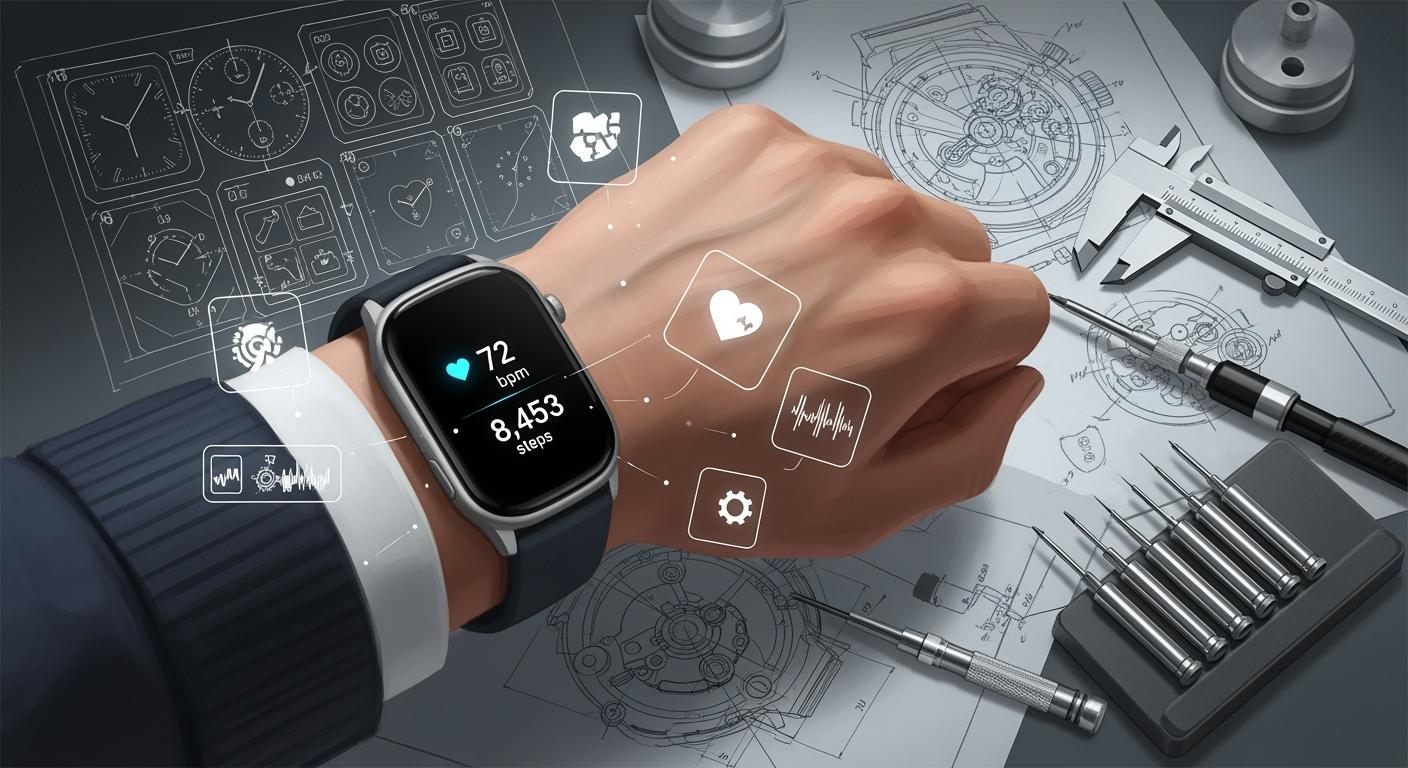
You see health watches everywhere now. Companies use smart design to help you. There have been many changes in the last few years. Sensors like gyroscopes, barometers, and GPS track your health right away. Big data lets these devices learn your habits. Most people want to track health and fitness. The table below shows how popular these watches are:
Statistic Description | Value |
|---|---|
562.86 million | |
Current Market Value of Smartwatches | $35.29 billion |
Projected Market Value by 2035 | $91.96 billion |
Percentage of Users Tracking Health/Fitness | 92% |
Key Takeaways
Health watches have special sensors. They check your fitness and health. You get live data to help you know more.
User-centered design is very important. Companies ask for feedback from users. This helps make smartwatches easy to use. Smartwatches should be simple and fit your needs.
Quality control is very important in making smartwatches. Careful testing makes sure smartwatches work well. It also keeps them safe for you to use every day.
Big data helps with health checks. Your smartwatch looks at patterns in your data. It can warn you early about health problems.
Sustainability is important. Makers use eco-friendly ways to build smartwatches. This helps make wearable technology safer and better for the planet.
Health Watches: Design and User Needs
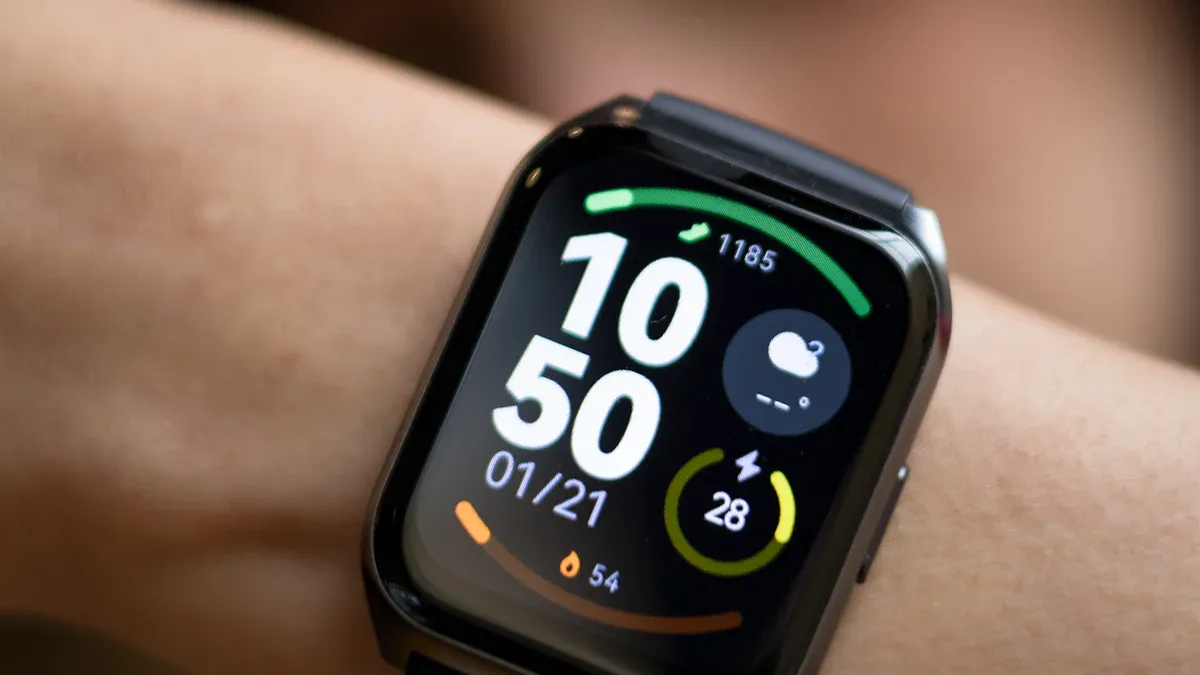
User-Centered Design Principles
When you use a smartwatch or fitness band, you want it to be simple and useful. Designers start by thinking about what you need. They ask you questions and listen to your ideas. You might fill out surveys or talk in interviews. These steps help companies learn what is important to you.
Phase | Methods Used |
|---|---|
Discover | Surveys, semi-structured interviews, and workshops to gather insights from diverse end users. |
Define | Development of preliminary product requirements based on qualitative insights and quantitative assessment. |
Integrate | Landscape assessment, surveys, and interviews to align user needs with behavioral theories. |
Feedback Loop | Iterative feedback from users and community members to refine solutions based on real-world context. |
You can see these choices in how smartwatches look and work. Designers use easy layouts and clear pictures. You do not have to tap or scroll a lot to find things. The table below shows the main rules for making health watches:
Principle | Description |
|---|---|
Simplicity in Design | Focus on minimalism to avoid clutter, allowing users to grasp information quickly without excessive scrolling or tapping. |
Intuitive Navigation | Ensure navigation is straightforward with clear icons and short labels, minimizing the number of steps needed to complete tasks. |
Consistency with Platform Standards | Adhere to design guidelines of wearable platforms to create a familiar environment, reducing the learning curve for users. |
Accessibility and Inclusive Design | Incorporate features that cater to diverse user needs, such as high-contrast themes and adjustable text sizes, to ensure usability for everyone. |
These design choices help you check your health or set goals. The process always starts with what you want.
Sensor Selection and Integration
Sensors are very important in wearables. You use them to count steps, check your heart rate, and track sleep. Companies pick sensors that can watch your health all day. They want sensors that are correct and fit inside the watch.
Accelerometer
Heart Rate Monitor
SpO2 Sensor
Skin Temperature Sensors
ECG Sensor
Gyroscope
GPS
You get better results when sensors work together. For example, a heart rate monitor can find atrial fibrillation, but it must be in the right spot. Skin temperature sensors can show health changes, but everyone’s normal is different. Makers test sensors many times to make sure they work well for you.
Sensor Type | Application | Accuracy Challenges |
|---|---|---|
Heart Rate Monitors | Atrial fibrillation detection | False positives due to rapid movements |
Skin Temperature Sensors | COVID-19 detection | Variability in individual baselines |
Accelerometers | Fall detection | Misclassification of non-fall movements |
Optical Heart Rate Sensors | Irregular heart rhythm detection | Dependence on proper sensor placement |
Smartwatches now have new sensors like barometers and electrodermal activity sensors. These can help track stress and other health signs. The sensors picked depend on what you need, the size of the device, and how much power it uses. Companies always try to make sensors better and more trustworthy.
Ergonomics and Aesthetics
You want your wearable to feel good all day. Designers think about how the device fits your wrist and feels on your skin. They pick materials that do not bother you, even if you sweat or move a lot. The right size and shape help the device stay in place and work well.
Ergonomic Factor | Description |
|---|---|
Fit | A good wearable device design fits perfectly with the user’s body for seamless interaction. |
Size | Size affects how skin moves and the contact point of the device, requiring careful design. |
Lifestyle | Consideration of clothing and activity levels impacts device placement and performance needs. |
Anatomical Location | Skin contact surfaces should have large radii to avoid irritation and discomfort. |
Material Selection | Choice of materials is crucial for comfort and usability, especially for active users. |
You also care about how your smartwatch looks. Some people like dark colors and bold shapes. Others like bright colors and slim designs. Men often pick watches with sharp edges and dark straps. Women may like more styles and colors. Companies give you many choices so you can pick what you like best.
Tip: Try on different smartwatches before you buy one. You will find the best fit and style for you.
The design and making of health watches always balance comfort, style, and smart sensors. You get a device that looks nice, feels good, and gives you the health data you need.
Smartwatch Manufacturing Process
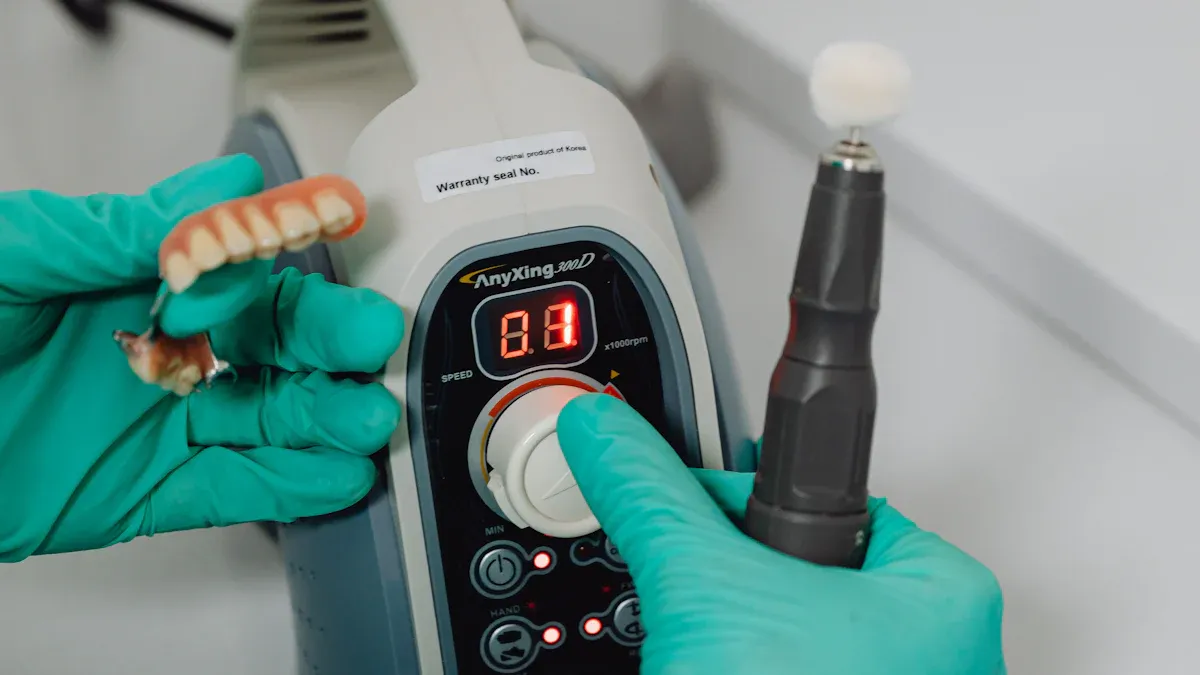
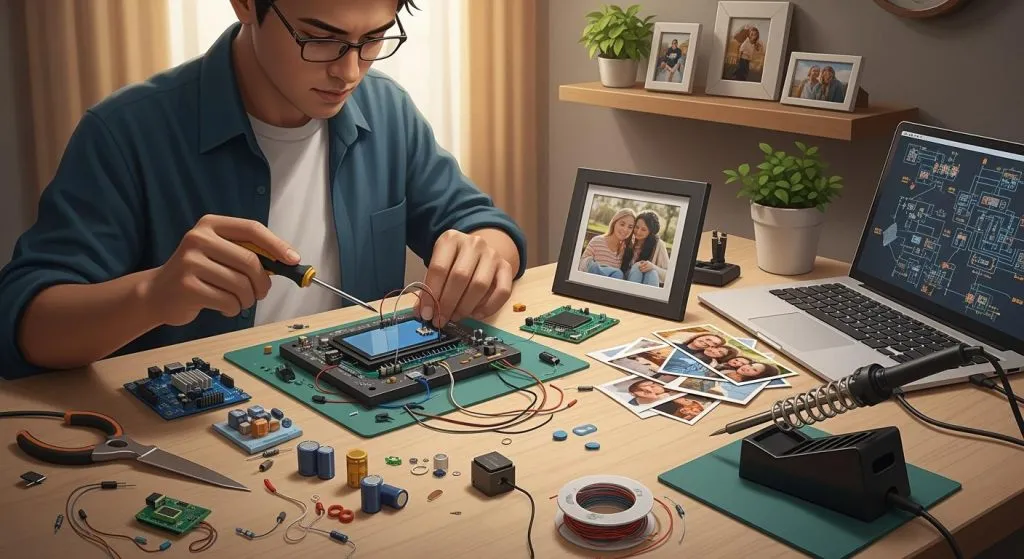
Making a smartwatch takes many steps. Each step helps make a device that works well and looks nice. You start with planning and finish with checking quality. Every part of the process helps you get a watch that fits your needs and keeps you healthy.
Component Sourcing and Prototyping
You need the right parts to build a good smartwatch. First, you think about what you want your device to do. You look at features, sensors, and materials. You also check if the parts are safe and work together.
Here is how you find parts for smartwatches:
Know what each part needs, like safety and material rules.
Pick a partner who knows how to make wearables.
Study the market to find the best suppliers and new tech.
Make sure every part is safe and meets the rules.
Buy parts in a way that saves time and money.
Build strong relationships with suppliers for better teamwork.
Watch costs to keep the smartwatch at a good price.
After you get the parts, you design and make a model. Prototyping lets you see how the watch will look and work. You can test the watch in real life with scenario-based prototyping. This helps you see what works and what needs to change. New ways to make models, like ProtoSpray, let you try different shapes and screens fast. Hybrid prototyping uses both real models and AI simulations. This helps you guess how people will use the watch and makes the process faster.
Tip: Making quick models helps you fix problems early. This saves time and money later.
PCB Assembly and Hardware Integration
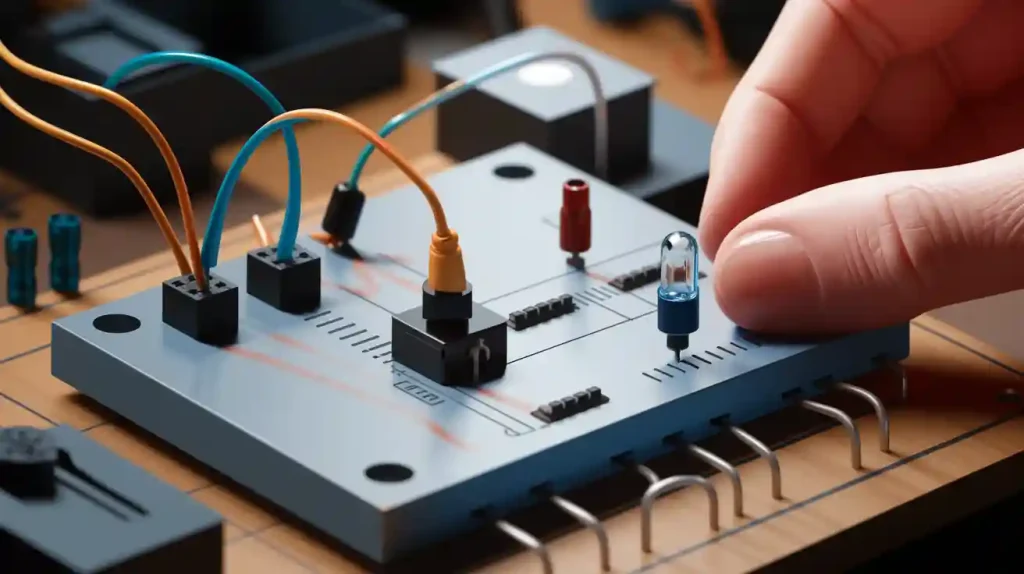
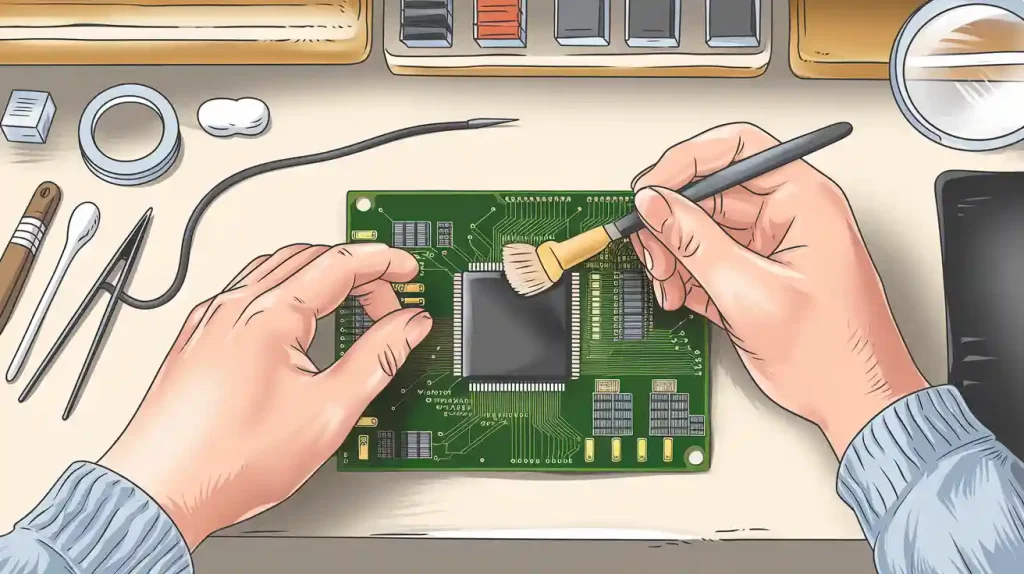
The printed circuit board, or PCB, is the main part inside every smartwatch. It connects all the sensors, chips, and batteries. You must be careful with PCBs, especially if they bend. Flexible PCBs fit in small spaces but can break easily.
When you put together the PCB, you face some problems:
Flexible PCBs can break if you are not gentle.
Too much heat during soldering can hurt the board. Using less heat helps protect it.
Many small parts can be hard to line up. If you miss, the watch might not work.
Testing and checking make sure the PCB can bend and last.
You need to put sensors, processors, and batteries together in a way that keeps the watch small and light. Good hardware work helps the watch last longer and work better.
Software Development and Testing
Smartwatches need strong software to be useful. Making software starts with planning. You pick what features you want, like heart rate or step counting. You also make sure the software follows health data rules.
Here is a table that shows the main steps for making smartwatch software:
Stage | Description |
|---|---|
Planning | Decide what you need and follow health data rules. |
Design | Make drawings and plan how people will use the app. |
Development | Write code in small parts so you can test and update fast. |
Testing | Look for bugs and make sure the app works well. |
Deployment | Release the app and give training and guides. |
Maintenance | Help users and fix problems after launch. |
Testing is very important when making smartwatches. You want the device to give correct data and keep your info safe. You use different ways to test:
Testing Methodology | Purpose | Importance in Health Monitoring Devices |
|---|---|---|
Functional Testing | Checks if the device works right. | Makes sure you get correct information. |
User Acceptance Testing | Checks if the app is good for users. | Helps you enjoy using the device. |
Real-World Testing Environments | Tests the device in real life. | Makes sure it is safe and works well. |
You also check that health features, like heart rate and sleep tracking, work right. You make sure things like activity charts and alerts are correct. Testing is extra important for medical wearables, like ECG monitors and fitness bands. It helps you trust the data you see every day.
Final Assembly and Quality Control
The last step is putting all the parts together and checking quality. You put in the case, strap, sensors, and screen. You want every watch to look nice and work well.
Quality checks happen at every step. Here is a table that shows the main checks:
Quality Control Measure | Description |
|---|---|
In-line Quality Checks | Use special tools to check each step meets high standards. |
Functional Testing | Test screens, connections, sensor accuracy, and battery life. |
Environmental Testing | Check if the watch can handle heat, cold, wet, and shocks. |
You also follow strict rules, like ISO 9001, CE, and ROHS. A good quality system helps you find problems early.
Workers look for scratches or dents by eye. They write down every problem and take pictures. If they find something wrong, they fix it and try to stop it from happening again.
Note: Good quality checks make sure the product is good and users are happy.
Smartwatch makers use new ways to make devices faster and better. Automated assembly, 3D printing, and new testing tools help you get smartwatches that are strong and not too expensive. The design and making of health watches keeps getting better, so you get new and improved wearable tech every year.
Technological Advances in Design and Manufacturing
Big Data and Health Monitoring
Smartwatches have changed a lot. They now use big data to help you watch your health. Your smartwatch collects lots of information every day. It compares this data to find patterns. This can warn you about health problems early. For example, your device might see your heart rate change in a strange way. This could mean something is wrong. You get alerts that help you stay healthy and safe.
Big data links your wearable to medical tests. This makes your health tracking more exact.
Smartwatches can help many people all over the world.
You get warnings if your heart beats in an odd way.
Your device gives you tips so you can act before things get worse.
Companies use your data to make smartwatches better for you. They check how much you use your device. They see if it is easy for you to use. They also want to know if you like using it.
Description | |
|---|---|
Confirmation | You think the smartwatch does what you need. |
Perceived Usefulness | You feel the device helps you watch your health. |
Satisfaction | You are happy with your smartwatch. |
Habit | You use your wearable often. |
Perceived Usability | You think the device is simple to use. |
Perceived Enjoyment | You have fun using your wearable. |
You should remember that companies must keep your data private. They must tell you who can see your information. They also need to keep your data safe from others.
Miniaturization and Power Management
You want your wearable to be small and easy to wear. New technology lets makers make sensors and parts even tinier. This means your smartwatch can do more things but still stay light. Smaller parts help your device fit better on your wrist.
Good power management is important for you. Batteries are the biggest part in most wearables. New designs use tiny circuits that save energy. This helps your device last longer before you need to charge it again. Flexible batteries also make your device safer and more comfy.
Aspect | |
|---|---|
Energy Density | Longer battery life means you can track your health all day. |
Mechanical Flexibility | Flexible batteries fit better and feel nicer. |
Safety | Safer batteries help you trust your device. |
Smaller parts and better batteries give you more features. You get more out of your device without losing comfort.
Innovative Manufacturing Techniques
You get better wearables because of new ways to make them. Makers use special methods to build strong and light devices. For example, 5-axis CNC milling shapes parts with great detail. Medical-grade titanium and strong plastics keep your device safe for your skin. These materials also last a long time. Special seals and coatings protect your smartwatch from water and dust.
Technique | Description |
|---|---|
5-Axis CNC Milling | Makes detailed shapes and cutouts. |
Material Expertise | Uses strong, light metals like aluminum. |
Seal Integration | Adds silicone seals for water and shock safety. |
Aesthetic Enhancements | Hard finishes stop scratches and let you pick colors. |
Advanced CNC Milling and Turning | Makes custom cases that fit just right. |
Material Selection and Processing | Uses titanium and special plastics for safety and strength. |
Custom Sealing Techniques | CNC gaskets keep out water and dust. |
Surface Finishing | Safe coatings protect your skin and the device. |
New ways to make devices, like 3D printing and injection molding, lower costs. Companies can make more smartwatches faster. This means you get better and cheaper health tech, like fitness bands and smartwatches.
Market Trends and Consumer Expectations
Personalization and Customization
You want your wearable to fit your life. Companies work hard to give you special experiences. Your smartwatch learns about your habits and health. It uses this information to give advice that matches your needs. You see health tips made just for you. Sometimes, you get videos that teach you about your body. Gamification makes tracking progress fun. It helps you stay excited and keep going. Devices like continuous glucose monitors and wearable ECGs show you feedback right away. You can handle chronic conditions and act before problems get worse.
Wearable technology helps you track health in new ways.
You get reminders and tips based on your own data.
Gamification keeps you interested and helps you reach goals.
Advanced software lets you control your health journey.
Regulatory Compliance and Data Privacy
You care about privacy when you use wearables. Companies must follow rules to keep your information safe. These rules include GDPR in Europe, HIPAA in the United States, CCPA in California, PIPEDA in Canada, and APEC’s Cross-Border Privacy Rules in Asia-Pacific. The table below lists some important regulations:
Regulation | Description |
|---|---|
GDPR | European Union rule that protects personal data and privacy. |
HIPAA | U.S. rule that keeps medical information safe. |
CCPA | California law that gives people more privacy rights. |
PIPEDA | Canadian law about collecting and using personal information. |
APEC’s Cross-Border Privacy Rules | Rules for protecting data in Asia-Pacific. |
You want companies to keep your data safe. Many wearables have weak encryption and unsafe Bluetooth. Some devices do not get security updates, so they can be hacked. Companies should tell you how they use your data and who can see it. They need to design devices with privacy in mind. You should be able to get your health data even if you change brands.
Tip: Always check your smartwatch’s privacy settings to keep your info safe.
Sustainability in Manufacturing
You want your wearable to be safe for you and the planet. Making smartwatches can hurt the environment. It uses lots of energy and raw materials. Old devices can pollute land and water. Companies now use materials from good sources and recyclable packaging. They test materials to make sure they are safe for your skin. Many brands set goals to recycle more and build trust.
Manufacturers use sustainable materials to lower harm.
Biocompatibility checks help keep you safe every day.
Recycling programs and better sourcing help the environment.
Using tested materials makes products safer and better.
Note: Picking a wearable made with sustainable materials helps protect the planet and your health.
Health watches change quickly. Makers want watches to feel good and last long. They also work hard to keep your data safe. The table below shows how new tech helps you:
Key Takeaway | Description |
|---|---|
Predictive Analytics | Watches find health problems early and help you act fast. |
Smart Clothing | Clothes may soon check your health every day. |
AI and Machine Learning | Devices learn what you do and give better tips. |
Designs try to include all people. Companies use AI and sensors for your needs. Privacy rules get stronger, so devices are safer. You help decide what works best for you.
FAQ
How does a smartwatch track your health?
You wear a smartwatch on your wrist. It uses sensors to measure things like heart rate and steps. The device collects data and shows you results on the screen. You can check your progress and set new goals.
What makes a wearable comfortable for daily use?
You want a wearable that fits well and feels light. Designers choose soft materials and smooth shapes. The right size helps you avoid skin irritation. You can wear it all day without discomfort.
Can you trust the health data from your smartwatch?
You get reliable data from most smartwatches. Companies test sensors many times before selling the device. You should follow instructions for wearing and charging to get the best results.
How do you keep your wearable clean and safe?
You clean your wearable with a soft cloth and mild soap. Avoid harsh chemicals. Remove the device before swimming or showering. Regular cleaning helps you prevent skin problems and keeps the device working well.
What should you do if your smartwatch stops working?
You restart your smartwatch first. If it does not work, check the battery and charging cable. You can read the user manual or contact customer support for help. Most problems have simple solutions.