It is important to focus on cleaning printed circuit boards carefully to avoid damage. Dirt, leftover materials, and rust can create problems like short circuits. These issues can make the board stop working sooner. Use safe tools like rubbing alcohol, air cans, and soft cloths. These methods help clean well without harming the printed circuit boards.
Key Takeaways
Clean circuit boards with rubbing alcohol and soft cloths. This safely removes dirt without harming the board.
Unplug power before cleaning to prevent shocks and short circuits.
Clean every 6-12 months to stop dust buildup and keep boards working well.
Understanding Contaminants
Types of contaminants
Printed circuit boards can get dirty during use or storage. These can include organic residues, inorganic materials, water, and dust. Organic residues, like solder pastes and fluxes, come from assembly. Inorganic materials, such as acids, are from solder activators. Water can get stuck in parts, while dust settles over time.
Type of Contaminant | Description | Examples | Cleaning Method |
|---|---|---|---|
Organics | Includes solder pastes and fluxes. | Rosin, RA, RMA, SA | Special cleaning fluids or removers |
Inorganics | Found in solder paste activators. | Acids, bases, halogens | Strong cleaning fluids |
Water | Trapped moisture in components. | Water in parts | Drying methods |
Particulate | Dust and dirt on the board. | Dust, dirt, metal bits | Electrostatic cleaning fluid |
Dirty boards can cause problems like short circuits or poor performance. Knowing the contaminant type helps pick the right cleaning method.
Why contaminants need removal
Contaminants on boards can create serious issues. Organic residues may block electricity flow. Inorganic materials, like acids, can damage parts. Water can cause rust or short circuits. Dust and dirt may stop connections or cause static.
Recycling waste circuit boards releases harmful pollutants. These can hurt people and the environment. Studies show how to control these emissions during recycling.
Cleaning boards keeps them working well and lasting longer. It also helps protect the environment during recycling. Regular cleaning avoids costly repairs and keeps boards reliable.
Safety Precautions
Disconnecting power
Always unplug the power before cleaning a printed circuit board. This keeps you safe and avoids damaging the board. A powered board can shock you or cause short circuits. Removing the battery or unplugging the device stops these risks.
If the board is inside a bigger device, find and disconnect all power connections. This step protects you and the delicate parts of the board. Double-check to ensure no power is left before starting to clean.
Avoiding water near electronics
Never use water near electronics. Water can badly harm a printed circuit board.
Short Circuits: Moisture can create wrong electrical paths, breaking the device.
Corrosion: Water can rust metal parts, ruining the board.
Electrolytic Filamentation: Water with salts can grow metal threads, causing failures.
Use safer options like rubbing alcohol or air cans instead of water. If water is needed, use distilled water and dry the board completely. Keeping water away from electronics is a key safety rule.
Wearing protective gear
Protective gear keeps you safe while cleaning. Wear gloves to stop oils or dirt from your hands from touching the board. Gloves also protect your skin from cleaning liquids like rubbing alcohol, which can irritate.
Safety goggles are very important too. They shield your eyes from cleaning sprays or flying debris. When using air cans, goggles stop dust or tiny bits from getting in your eyes.
Wearing the right gear keeps you safe and helps clean the board better. These easy steps make cleaning safer and more effective.
Circuit Board Cleaning Methods
Using isopropyl alcohol
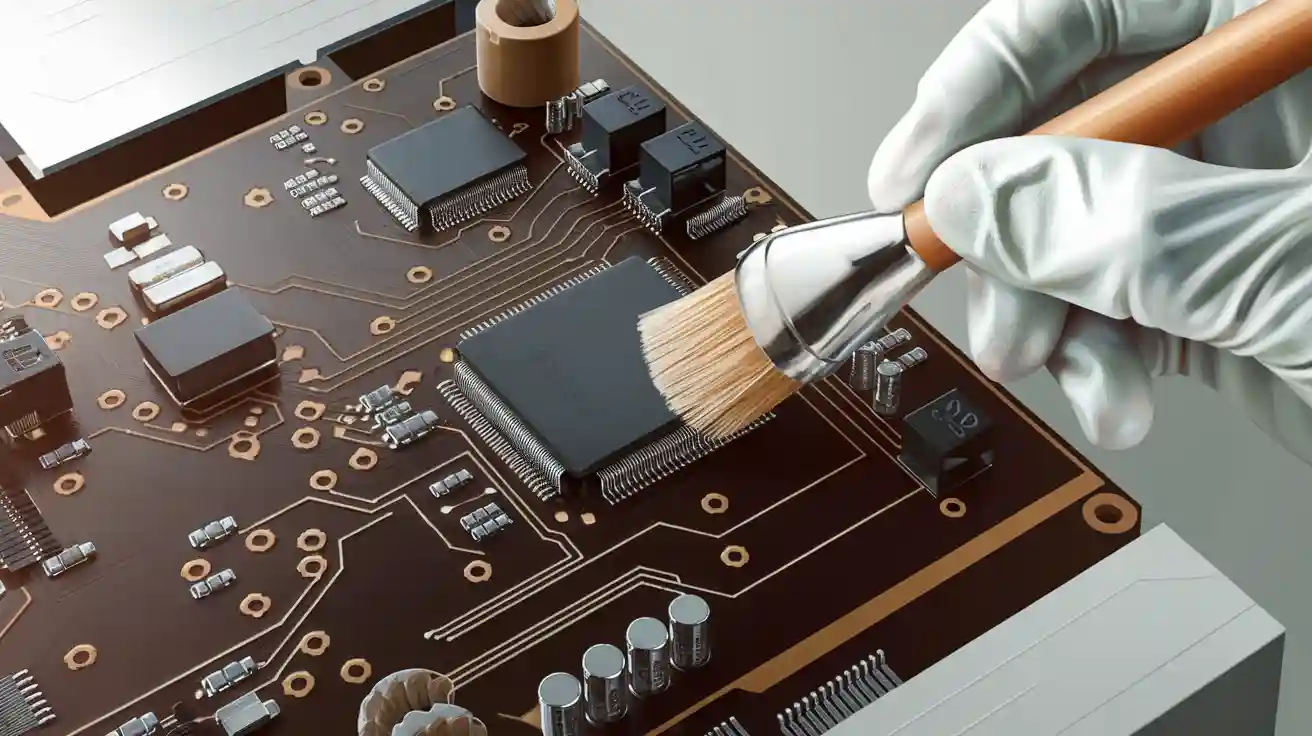
Isopropyl alcohol is a safe way to clean boards. It removes grease, dirt, and grime without harming delicate parts. Use a soft cloth or brush dipped in alcohol. Gently wipe or scrub the board to clean it.
For small spaces, use a cotton swab with alcohol. Do not pour alcohol directly on the board. This can cause it to collect in sensitive areas. Let the board air dry fully before turning it back on.
Tip: Choose isopropyl alcohol with 90% or higher purity. Lower levels may leave water behind, causing rust later.
This method works well for removing both organic and inorganic dirt. Cleaning with isopropyl alcohol stops problems like rust and keeps the board lasting longer.
Cleaning with compressed air
Compressed air is a fast way to clean boards. It blows away dust and dirt without touching the board. Hold the can upright and spray short bursts of air. Keep the nozzle at least 6 inches away to avoid damage.
This method is great for boards with lots of dust. It cleans surfaces and tight spaces between parts. However, it cannot remove sticky dirt or rust.
Tip: Use “electronics-safe” air cans to avoid adding moisture or chemicals.
Compressed air is helpful for regular cleaning. It stops dust from building up and keeps the board working well.
Using distilled water
Distilled water can clean boards in special cases. It works for water-based dirt but does not have minerals that cause rust. Use a soft brush to gently clean the board with distilled water.
Rinse the board with more distilled water to remove leftover dirt. Dry it with a soft cloth or air. Let it sit in a warm, dry place until all water is gone.
Note: Only use distilled water when needed and never on powered boards. Always dry the board completely to avoid harm.
This method is not common but works for certain cleaning needs. It is often used with other methods for better results.
Baking soda for corrosion
Baking soda is great for cleaning rust off boards. It is slightly rough, so it cleans without scratching. Mix baking soda with water to make a paste. Apply it to rusty spots with a soft brush or swab.
Scrub gently until the rust is gone. Rinse the board with distilled water to remove paste. Dry the board fully before turning it back on.
Tip: Baking soda works well for rust from battery leaks or moisture.
Experts recommend baking soda for fighting rust on boards. It is often part of cleaning solutions for circuit boards. This method keeps boards working and safe from rust damage.
Tools and Materials for Cleaning Printed Circuit Boards
Essential Cleaning Tools
Isopropyl Alcohol
Isopropyl alcohol is great for cleaning circuit boards safely. It removes grease, dirt, and sticky messes without harming parts. Use a small dispenser to avoid wasting too much. This helps clean well while keeping the board safe.
Compressed Air Canister
A compressed air can blows away dust and dirt easily. It reaches tight spots where brushes can’t clean. Spray short bursts and hold the can upright to avoid moisture. Use electronics-safe air cans to keep the board dry and chemical-free.
Soft Bristle Brush
A soft brush cleans tough dirt without scratching the board. It works with isopropyl alcohol or distilled water to scrub gently. Pick brushes made for electronics to avoid static that could harm the board.
Recommended Cleaning Materials
Lint-Free Cloths
Lint-free cloths are perfect for wiping circuit boards clean. They leave no fibers behind, keeping the surface smooth. Use them with isopropyl alcohol for the best cleaning results.
Distilled Water
Distilled water is safe for cleaning water-based dirt. It has no minerals, so it won’t cause rust or stains. Always dry the board completely after using distilled water to prevent damage.
Baking Soda
Baking soda is a natural way to clean rust and grime. Mix it with water to make a paste and apply it to rusty spots. Rinse with distilled water and dry the board fully afterward.
Non-Abrasive Options
Microfiber Cloths
Microfiber cloths are soft and clean delicate surfaces well. They pick up dust and dirt without scratching the board. Use them dry or slightly damp with distilled water.
Cotton Swabs
Cotton swabs are great for cleaning small, hard-to-reach areas. Dip them in isopropyl alcohol for precise cleaning. Don’t soak the swab too much to avoid liquid pooling on the board.
Non-Abrasive Sponges
Non-abrasive sponges clean larger areas without scratching. Use them with distilled water or mild cleaners. Squeeze out extra liquid before using to avoid water damage.
Additional Cleaning Aids
Ultrasonic Cleaner
An ultrasonic cleaner uses sound waves to clean circuit boards. It works well for boards with tiny, detailed parts. Use it with distilled water or special cleaning solutions for the best results.
Vacuum Cleaner Attachment
A vacuum attachment made for electronics removes dust without blowing it around. It’s a good alternative to compressed air for regular cleaning.
Anti-Static Wrist Strap
An anti-static wrist strap stops static electricity from damaging the board. Wear it to protect sensitive parts while cleaning.
Using the right tools and materials keeps circuit boards clean and working longer. Match your cleaning method to the type of dirt for the best results.
Special Cases in Cleaning Printed Circuit Boards
Cleaning corrosion
Corrosion can harm circuit boards and cause them to fail. Use baking soda paste or special cleaners to remove it. Gently apply the paste with a soft brush on corroded spots. Rinse with distilled water and dry the board fully.
Tip: Do not use rough materials that might scratch the board.
Eco-friendly methods, like terpene-based cleaners, work well in tough conditions. Research shows these methods lower environmental harm while keeping quality high. Another study shows Qlean Water cleaning extends circuit board life.
Removing solder flux
Solder flux can hurt how your circuit board works. Cleaning by hand is a simple way to fix this. Look for flux spots and use a proper cleaning liquid. Scrub gently with a soft brush, rinse, and dry the board well.
Ultrasonic cleaning is another option for removing flux. Place the board in the cleaner, turn it on, and rinse after. This method is great for boards with tiny, detailed parts.
Note: Clean well before adding coatings to avoid problems later.
Cleaning wet circuit boards
Wet circuit boards need quick care to avoid damage. Turn off power and take the board out of the device. Use compressed air to remove extra water. Rinse with distilled water and dry in a warm, dry place.
Moisture and dirt can cause metal growth, leading to issues. Cleaning stops these problems and keeps the board working.
Reminder: Never use tap water, as it can cause rust.
Cleaning circuit boards the right way keeps them working well. Use safe tools like rubbing alcohol, air cans, and soft cloths. These tools help clean without causing damage.
Cleaning often makes circuit boards last longer and work better. It also stops problems like dirt, rust, or sticky leftovers.
FAQ
What is the safest way to clean a printed circuit board?
Use isopropyl alcohol and a lint-free cloth. Gently wipe the board to remove dirt. Avoid pouring liquids directly on the board.
Can you use tap water to clean a circuit board?
No, tap water contains minerals that can cause rust or corrosion. Always use distilled water if water-based cleaning is necessary.
How often should you clean a printed circuit board?
Clean your circuit board every 6-12 months. Regular cleaning prevents dust buildup and ensures the board functions properly.