The bms main control board is very important in battery management systems for evs. It keeps the battery safe and helps it work well all the time. Engineers use hardware and software together. They watch temperature, voltage, and current in real time. This helps protect the energy system and makes the battery last longer. The system controls charging and heat. It also talks to the vehicle control unit. This helps use energy better and makes electric vehicles work well. Advanced bms solutions are used in hybrid concrete mixers. These show how careful control and smart checks make batteries safer. They also help meet tough rules for reliability, especially when energy needs are hard.
Key Takeaways
The BMS main control board helps keep EV batteries safe. It checks voltage, current, and temperature all the time.
Strong hardware and software work together to protect the battery. They help the battery last longer by doing careful checks and controls.
Good communication protocols help the BMS share data with the vehicle. They also let it talk to other systems for better energy use and safety.
Strict testing and following safety rules make sure each battery pack works well. These steps help the battery meet quality rules.
Advanced tools like simulation, AI, and diagnostics help engineers. These tools let them design smarter, safer, and longer-lasting battery systems.
BMS Main Control Board Design

Hardware Integration
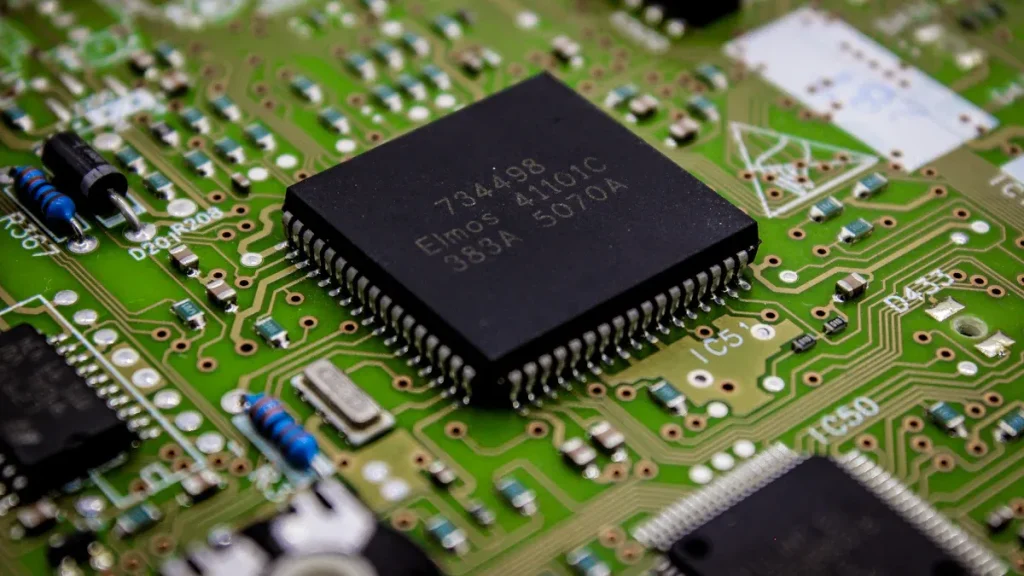
Engineers make sure the hardware is strong and works well. They use a multilayer PCB to hold many circuits. This helps the board connect parts without problems. Measuring cell voltage, stack voltage, temperature, and current is very important. The LTC6804 Multicell Battery Monitor IC is used a lot. It gives very accurate cell voltage readings. The error is only 0.033%. It has 16-bit resolution. This IC uses a buried-Zener voltage reference. That means it stays stable and does not change much with heat. These things help keep the battery safe and working well in cars.
The hardware follows strict rules like ISO 26262, IEC 61508, and AEC-Q100.
The design is modular, so it can work with big battery packs up to 1250 Vdc.
Error checks like CRC and link-acknowledgement keep data safe.
Temperature and current are measured at the same time for better battery checks.
Self-tests and open-wire checks help find problems fast.
This way of building hardware lets the battery pack get checked all the time and work well in every EV.
Software Functions
The software on the bms main control board does many important jobs. It keeps the battery pack safe by watching voltage, current, and temperature. The software makes sure all cells have the same charge. This helps the battery last longer and stops problems. It controls charging and discharging so the battery does not go over its limits. The software also keeps the battery at the right temperature. It always checks the battery and collects data. It talks to other car systems too. This data helps people make good choices about energy and battery safety.
Safety management keeps the battery safe from danger.
Capacity management makes sure cells charge and discharge evenly.
Electrical protection stops too much current or voltage spikes.
Thermal management keeps the battery at a good temperature.
Diagnostics and data collection help fix problems before they get big.
All these software jobs work together to keep the battery safe and working well in every EV.
Real-Time Monitoring
Real-time monitoring is a key part of the bms main control board. The system gets data from sensors that check temperature, voltage, current, and more. This data goes through different layers, and each layer has its own job:
Layer | What It Does | Examples |
|---|---|---|
Field Layer | Sensors and meters collect real-time data like temperature, voltage, and current | Sensors, meters, actuators, controllers |
Automation Layer | Controllers gather and process data, make quick choices | Programmable controllers, control signals |
Management Layer | Software shows data and lets people watch and respond | Human Machine Interfaces, software |
The bms uses wires and wireless ways to send data fast and safely. Smart alerts and analytics help people fix problems before they get worse. This setup makes sure the battery pack is always checked and controlled, keeping it safe and working well in every EV.
Parameterization
Parameterization lets the bms main control board fit different battery packs and needs. Engineers set important things like state of charge, state of health, voltage limits, and temperature limits. The system uses these settings to control charging, discharging, and safety steps. Good parameterization helps the battery system use energy well, last longer, and stay safe.
State of charge helps manage energy and charging times.
State of health finds old or broken cells in the battery.
Custom limits let the system work with different battery types and sizes.
Updates to parameters help the system get better and use new tech.
This way of setting parameters helps meet the needs of many EVs and battery designs.
Protection Circuits
Protection circuits are the last safety step for the battery pack. The bms main control board uses different protections to stop damage from electrical problems:
Overvoltage Protection: The control IC checks battery voltage. If it gets too high, charging stops to prevent overcharge.
Undervoltage Protection: If voltage gets too low, the system stops discharging to avoid damage.
Overcurrent and Short Circuit Protection: Circuits watch charging and discharging. If current is too high or there is a short, the system stops the flow right away.
Engineers use MOSFET switches, voltage and current circuits, and safety parts like PTC fuses and microresistors. These things help the battery work safely in all situations. The protection circuits work with the rest of the system to keep the battery safe, working well, and lasting a long time.
Tip: Good protection circuits stop big failures and help the battery stay healthy and work well for a long time.
Battery Management System Integration
Communication Protocols
A battery management system in electric vehicles needs strong communication protocols. These help keep the car safe and working well. The most common protocol is CAN. CAN lets the bms talk to the vehicle control units, motor controllers, and cooling systems. It sends important data like voltage, current, temperature, and state of charge. Other protocols are Ethernet, Modbus, LIN, and ISO 15118. Each one is used for different jobs. The table below shows what each protocol does:
Protocol | Role in BMS Integration | Key Characteristics |
|---|---|---|
CAN | Main protocol for bms in EVs | Real-time, reliable data sharing; used a lot in North America and Europe |
Ethernet | High-speed, advanced checks | Supports V2X, OTA updates, car-to-cloud; not used much for direct bms work |
Modbus | For extra or old systems | Simple, low-cost; mostly for checks |
LIN | Cheap microcontroller link | Used for simple or old jobs |
ISO 15118 | Two-way charging, V2G | New, allows smart charging features |
Vehicle System Interface
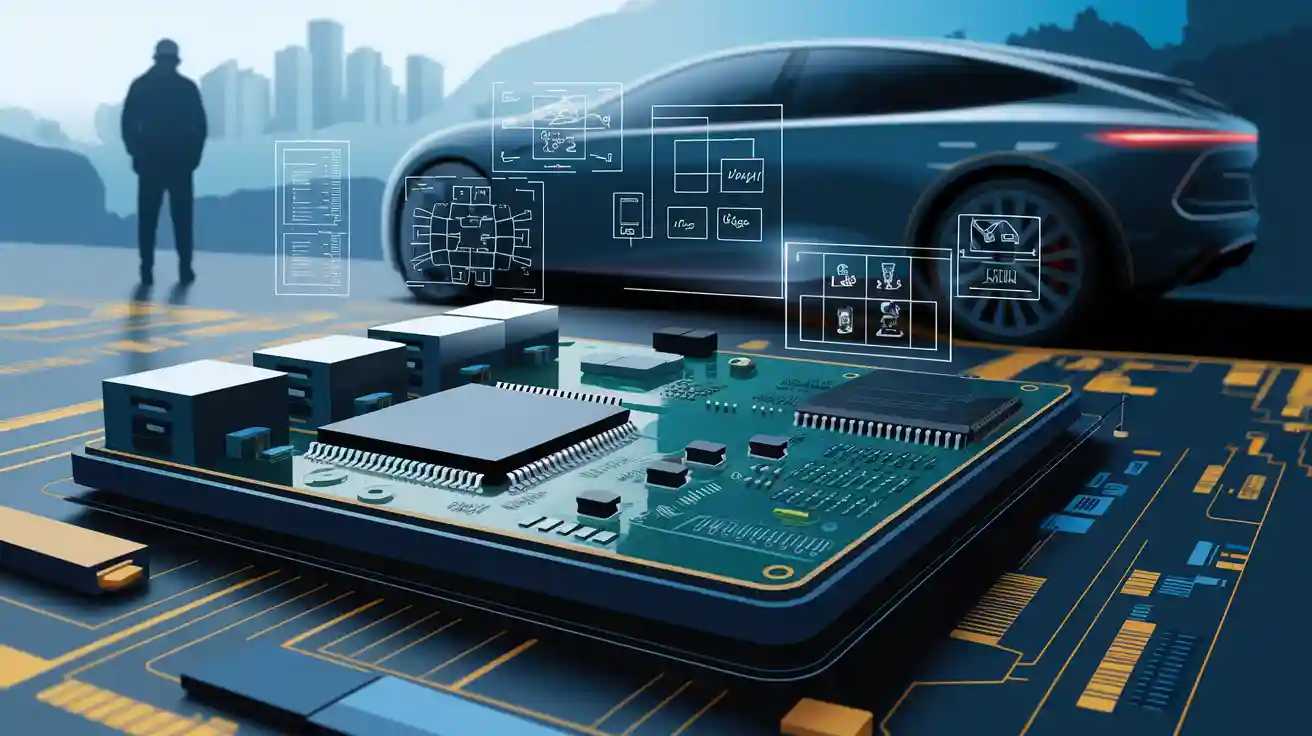
The bms main control board links with many car systems. It helps manage charging, energy flow, and battery safety. It uses CAN bus, RS-485, and LVDS to send and get information. Inside the bms, it talks to slave controllers, acquisition modules, and cooling systems. Outside, it connects to the vehicle control unit, charging tools, and cloud monitoring. This setup lets people check the battery from far away. It also helps find problems and update software. Signal isolation, like isolated CAN transceivers, stops interference and keeps messages clear.
Data Exchange
Easy data exchange between the bms and other car systems makes the battery safer and better. The bms shares real-time data about voltage, current, temperature, and state of charge. This helps stop overcharging, over-discharging, and short circuits. The system can guess battery state, balance cells, and control heat. These things help use energy well and make the battery last longer. Good communication also lets the system do smart checks and connect to the grid. This makes the system smarter and helps every ev work better.
Note: Good data exchange keeps the battery safe, helps charging and discharging, and makes energy use better in electric vehicles.
Process Requirements
Component Selection
Engineers begin by picking good parts for the battery pack. They choose parts that follow strict car rules. Each resistor, capacitor, and integrated circuit must work well every day in electric vehicles. The team checks datasheets for each part. They look at temperature ratings, voltage limits, and current capacity. The battery pack design depends on these choices. Good parts help the battery pack last longer and stay safe.
Engineers pick parts that fit the battery pack’s voltage and current needs.
They use parts that can handle heat and shaking.
They check the supply chain to avoid running out of parts.
Tip: Picking the right parts lowers the chance of problems and helps protect the battery pack.
Circuit Board Assembly
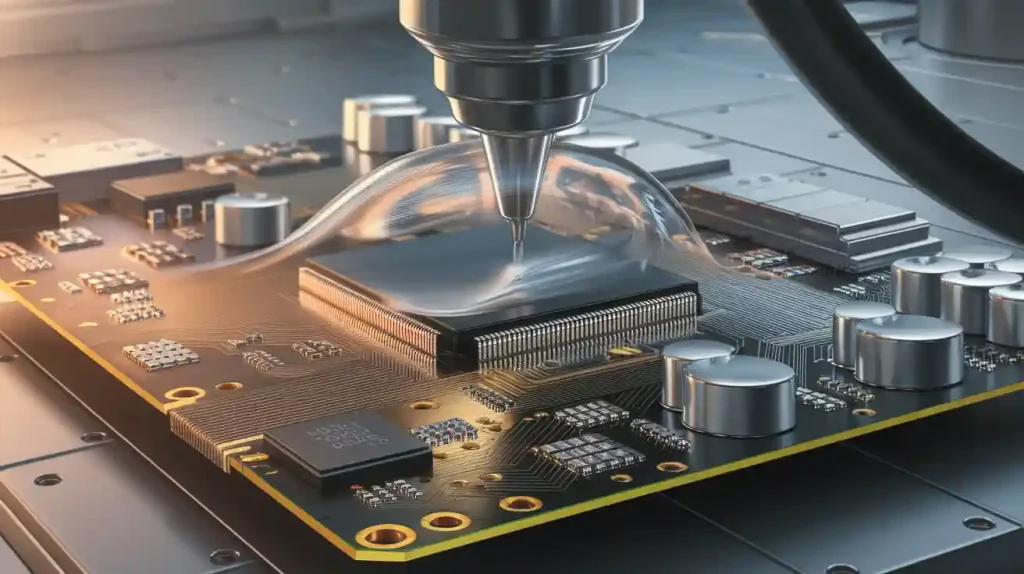
Making the BMS main control board needs careful work. Workers use machines to put each part on the multilayer PCB. The steps include soldering, checking, and cleaning. Every step must follow car rules for quality and safety. The battery pack needs clean and strong links between all cells. Engineers plan the layout to lower noise and keep signals clear.
Machines help make the process quick and correct.
Quality checks find mistakes before the battery pack leaves the factory.
Special coatings protect the board from water and dust.
A well-made board helps the battery pack work through many charge and discharge cycles.
Functional Testing
Testing the BMS is a very important step. Engineers test every battery pack to make sure it meets all rules. They check voltage, current, temperature, and how it talks to other systems. The process uses both machines and people for testing. Each battery pack must pass before it goes into a car.
Test Type | Purpose | Example Checks |
|---|---|---|
Electrical | Make sure voltage and current are right | Cell balancing, overcurrent |
Communication | Make sure data sharing works | CAN bus, error reporting |
Environmental | Test in heat, cold, and shaking | Thermal cycling, shock testing |
Testing also checks the protection circuits. Engineers pretend there are problems to see if the battery pack shuts down safely. This helps stop failures when the battery is used in real life.
Note: Testing makes sure every battery pack is safe and works well.
Compliance Standards
The process must follow strict rules. Car rules set high standards for battery pack safety and reliability. Engineers design the battery pack to meet ISO 26262 for safety. They also follow AEC-Q100 for parts and IEC 61508 for system safety. The process keeps records for every battery pack. Auditors can check these records to make sure rules are followed.
The battery pack must pass tests for electrical, heat, and mechanical safety.
The process includes regular checks to update rules as they change.
Engineers use feedback from real use to make the battery pack and process better.
Following these rules keeps users safe and helps people trust new energy vehicles.
Reminder: Following the rules is not a choice. It is a must for every battery pack process.
Environmental Adaptability

Temperature Management
The BMS main control board keeps the battery pack safe in any weather. Engineers make sure it works in both hot and cold places. Sensors check each cell’s temperature all the time. If the battery pack gets too hot, the system slows or stops charging. This keeps the battery pack from getting damaged. The board can turn on heaters or coolers to keep the best temperature. Good temperature control helps the battery pack last longer. It also keeps energy use high. When the battery pack stays cool, it charges faster and gives more energy to the car.
Humidity Resistance
Humidity can hurt the battery pack and main control board. Water in the air can cause short circuits or rust. Engineers use special coatings to protect the battery pack from water. They seal the battery pack and use gaskets to keep water out. The board has sensors to check for water inside. If there is too much moisture, the system stops charging and warns the driver. This keeps the battery pack safe and working well, even in wet places. Humidity resistance helps the battery pack keep its power and energy.
Thermal Management Integration
Thermal management systems work with the BMS main control board. Engineers use standard protocols like Modbus or BACnet to connect the thermal system. The board can control fans, pumps, and coolers to move heat away. The design lets engineers add new parts later if needed. Extra controllers and backup power keep the battery pack safe if something fails. The system has an easy-to-use screen so people can watch the battery pack and thermal system. Remote monitoring lets engineers check the battery pack from far away and fix problems fast. Careful building and testing make sure the battery pack and thermal system work together. This keeps the battery pack cool when charging or discharging, gives better protection, and saves energy.
Tip: A good thermal management system helps the battery pack charge safely, last longer, and give steady energy in any condition.
Best Practices for BMS Design
Simulation Techniques
Engineers use special computer programs to help design the bms main control board. These programs let them test the battery management system before making real parts. Teams can see how the system acts in different charging and energy cases. They use desktop tools to try out early ideas. Hardware-in-the-Loop testing links real parts with computer models. This setup shows how the bms works when charging or driving. Custom battery simulators copy cell voltages and currents for tests. Multi-domain tools like Simulink and Simscape model electrical, thermal, and control parts together. Fault modeling lets engineers see what happens if a cell fails or a sensor is wrong. These steps help teams adjust state of charge, cell balancing, and safety features. Using simulation finds problems early and saves time and money.
HIL testing checks software with real hardware.
Battery simulators show how cells act without real batteries.
Simulation tools help test charging, energy use, and safety.
Fault modeling checks how the system reacts to failures.
Tip: Simulation helps engineers make safer and better bms designs.
Iterative Testing
Teams use repeated testing to make sure the bms works in all conditions. They test the system many times, changing one thing each time. Every test checks how the bms handles charging, energy flow, and state of charge. Engineers run tests for hot and cold weather. They also test fast and slow charging. This process finds weak spots and helps make the system better. Teams use both machines and people to check results. They keep testing until the system meets all safety and energy goals.
Test charging at different speeds.
Check the system in hot and cold places.
Repeat tests to find and fix problems.
Cybersecurity
Cybersecurity keeps the bms safe from hackers. Modern battery management systems connect to networks for charging and updates. This connection can bring risks. Engineers use strong passwords and secret codes to protect messages. They watch for strange activity during charging. The system blocks unsafe commands and warns users about threats. Regular updates keep the system safe from new dangers. Cybersecurity protects the battery, energy, and charging for everyone.
Note: Good cybersecurity keeps the bms and charging safe in every electric vehicle.
Challenges in Battery Management Systems
High Voltage Handling
Engineers design every pack to handle high voltage safely. Electric vehicles use a battery pack with hundreds of cells. Each pack can reach up to 1000 volts. High voltage brings risks like electric shock, short circuits, and fires. The BMS main control board uses insulation, shielding, and special connectors. These features protect the pack from faults. Safety circuits disconnect the pack if voltage goes too high. Workers must follow strict rules when building and testing each pack. Training and safety gear help prevent accidents. High voltage also needs careful monitoring. The BMS checks every pack for leaks or faults. Quick action stops damage and keeps the battery pack safe.
Long-Term Reliability
A battery pack must last for many years. The BMS main control board checks each pack for signs of wear. Engineers use strong parts that resist heat, cold, and vibration. The pack faces thousands of charge and discharge cycles. Each cycle can stress the pack. The BMS balances cells and controls temperature. This helps the pack keep its power and energy. Regular software updates improve the pack’s performance. The system logs data from every pack. This data helps engineers find weak spots and fix problems early. Good design and testing make sure the battery pack works well for a long time.
Supply Chain Issues
Supply chain problems affect every pack in the industry. Engineers often wait months for key parts like microcontrollers. The demand for advanced chips grows as more vehicles use smart packs. IoT devices also need sensors and chips, making the shortage worse. Sometimes, memory chips are easy to find, but high-end chips cost more. Prices for these parts can rise by 15%. Engineers must use backup plans for each pack. They may choose different parts or design the pack to use several types of chips. This can affect how well the pack works. Some packs may not perform as well if engineers use less ideal parts. The industry invests little in new factories, so shortages may last. Teams work closely with suppliers to keep each pack on schedule. They use tools to track parts and plan for delays. Balancing cost, quality, and function is key for every battery pack.
Tip: Strong supply chain management helps keep each pack reliable and safe, even when parts are hard to find.
Trends in BMS Main Control Board
Advanced Diagnostics
Engineers use advanced diagnostics to make batteries safer. The main control board checks each cell for problems. It finds issues before they get worse. The system watches charging cycles and looks for wear. It can see small voltage or temperature changes. These changes might mean a cell is weak. The board sends alerts to users and service teams. This helps them fix problems early. The system also saves charging data. Teams use this data to plan better repairs. Predictive maintenance keeps the ev running longer and safer.
Note: Advanced diagnostics help stop battery failures during charging and driving.
AI and Machine Learning
AI and machine learning change how the BMS works. These tools study charging patterns and battery use. The system learns from past charging events. It can guess when a battery may need service. AI can change charging speed to protect the battery. It also helps balance cells during charging. The board uses machine learning to find new problems. This makes the system smarter over time. AI helps the ev charge faster and last longer.
Benefit | How AI Helps During Charging |
|---|---|
Faster Charging | Changes speed for safe charging |
Longer Battery Life | Learns best charging habits |
Early Problem Detection | Finds issues before they get worse |
Regulatory Changes
Rules for ev batteries change often. New rules focus on safety, charging, and data security. The main control board must follow these rules. Engineers update the system to meet new standards. Some rules need better tracking of charging cycles. Others want safer data sharing during charging. The system must protect user data and battery health. Teams watch for new laws and update the board as needed. This keeps every ev safe and ready for the future.
Tip: Keeping up with rules helps the system support safe and reliable charging for all ev users.
Engineers need to do some important things for a strong BMS main control board.
Put all subsystems together in one pack for easier control.
Use standard protocols so the pack can talk to other systems.
Add smart sensors to check temperature and humidity in each pack.
Put alarms in the pack to warn if something is wrong.
Make the pack help with energy management and demand response.
Give operators dashboards so they can watch the pack live.
Change the pack to fit special building needs.
Connect the pack to environmental monitoring for better results.
Safety, reliability, and following rules are important for every pack design. Teams should keep making the pack better with new technology. Future research can help the pack last longer and work better in new energy vehicles.
FAQ
What is the main job of the BMS main control board?
The BMS main control board checks if the battery is healthy. It manages how the battery charges. It also protects the battery from dangers. This keeps the battery safe. It helps the car work well.
Why does the BMS need real-time monitoring?
Real-time monitoring helps the BMS find problems quickly. It watches voltage, current, and temperature all the time. This stops damage and keeps the battery safe.
How does the BMS main control board handle high temperatures?
The board uses sensors to check temperature. If it gets too hot, the system slows charging or turns on cooling. This keeps the battery from getting too warm.
Which standards must the BMS main control board follow?
Standard | Purpose |
|---|---|
ISO 26262 | Functional safety |
AEC-Q100 | Component reliability |
IEC 61508 | System safety |
Engineers build the board to follow these rules for safety and quality.