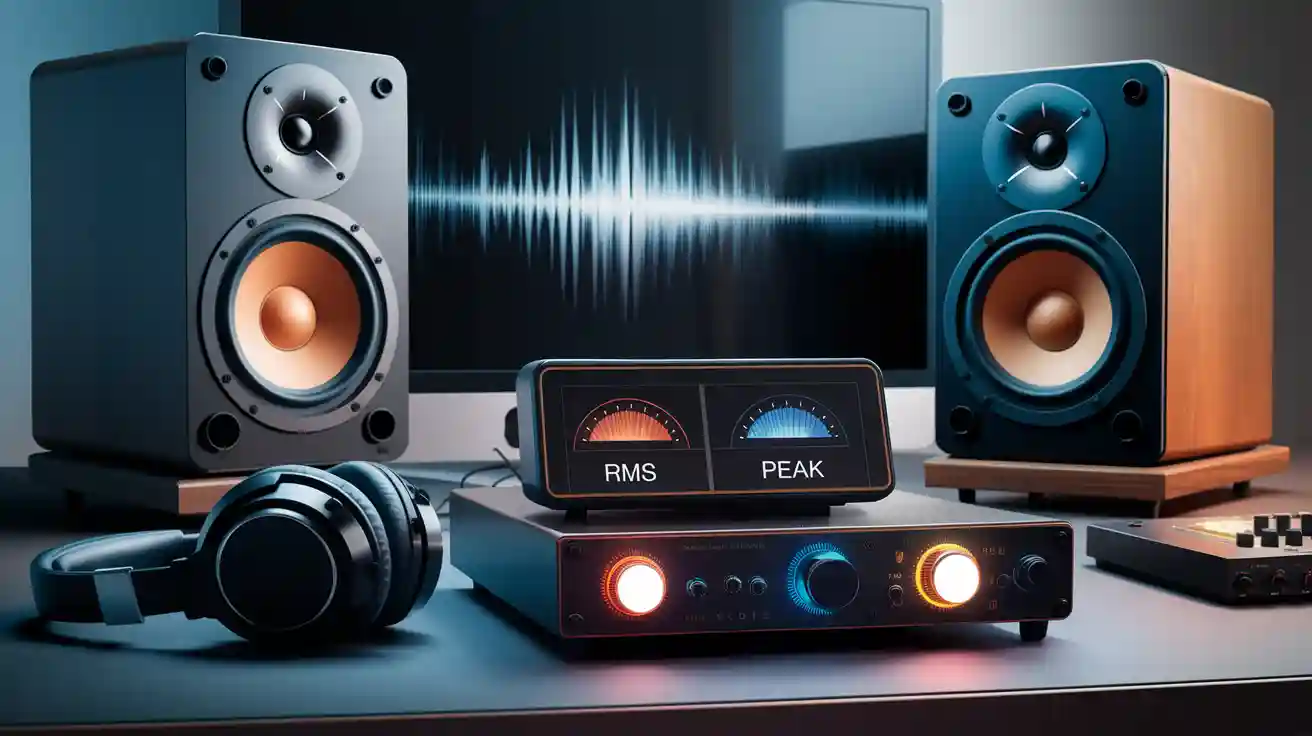
You often see rms and peak power ratings on speakers, amplifiers, and subwoofers. These numbers can look confusing. RMS power vs peak power in audio equipment measures how much power your gear can handle or deliver. RMS shows the continuous power a device can manage, while peak power marks the highest short burst. You need to know the rms value to protect your speakers. Too much power can damage your equipment. Understanding rms helps you make smart choices and keeps your system running strong.
RMS Power vs Peak Power in Audio Equipment

RMS Power Explained
You see rms power listed on almost every speaker and amplifier. This rating tells you how much power your audio gear can handle over a long period. RMS stands for “Root Mean Square.” You use rms power to measure the continuous output of a device. If you want your speakers to last, you need to pay attention to rms power.
RMS power gives you a true idea of what your equipment can do every day. For example, if a speaker has an rms power rating of 50 watts, it can play music at 50 watts without getting damaged. You do not need to worry about short bursts. You focus on the steady sound.
Tip: Always check the rms power before buying new audio gear. This helps you avoid damage and keeps your system safe.
Peak Power Explained
Peak power looks impressive on paper. You see big numbers like 200 watts or even higher. This rating shows the maximum power your gear can handle for a very short time. Peak power does not mean your speaker or amplifier can run at that level all the time. You use peak power to measure the highest burst your equipment can take, like a loud drum hit or a sudden bass drop.
Peak power helps you understand how your gear reacts to quick, loud sounds. If you push your equipment to peak power too often, you risk damage. You should not use peak power as your main guide. You use it to see how your gear handles short spikes.
Here is a simple table to show the difference between rms power and peak power:
Power Type | What It Means | How Long It Lasts | Example Use Case |
|---|---|---|---|
RMS Power | Continuous, safe output | Long periods | Everyday listening |
Peak Power | Maximum, short burst | Very short time | Sudden loud moments |
Difference Between RMS Power and Peak Power
You need to know the difference between rms power and peak power when you shop for audio gear. RMS power vs peak power in audio equipment shows you two sides of performance. RMS power tells you what your speakers or amplifiers can handle every day. Peak power shows you the highest level your gear can reach for a split second.
If you choose equipment based only on peak power, you might end up with damaged speakers. You should match rms power ratings between your amplifier and speakers. This keeps your system safe and sounding good. RMS power vs peak power in audio equipment helps you make smart choices. You get reliable sound and avoid costly repairs.
Note: Always use rms power as your main guide. Peak power is useful, but it does not show the real strength of your audio gear.
You see rms power vs peak power in audio equipment on every product label. You need to understand both ratings to get the best sound and protect your investment.
Measuring Power Ratings
How RMS Power Is Measured
It is important to know how rms power is measured. This helps you understand what your audio gear can do. You need a signal generator, an amplifier, and a voltmeter. The signal generator sends a steady tone at 1 kHz. The amplifier receives this test tone. You connect a speaker or dummy load to the amplifier. The voltmeter checks the voltage across the load. You use this formula:
RMS Power = (RMS Voltage x RMS Voltage) / Load Resistance
This way, you find the true rms power your gear can handle for a long time. Most audio equipment shows rms ratings for safe, everyday use. Looking at rms tells you how much power your gear can give without getting damaged.
Tip: Always use rms power when choosing speakers or amplifiers. This keeps your system safe and working well.
How Peak Power Is Measured
Peak power shows the highest burst your gear can take. You measure peak power with almost the same setup as rms power. The main difference is you look for the highest voltage for a short time. You use a fast voltmeter or oscilloscope to catch quick peaks. The formula for peak power is:
Peak Power = (Peak Voltage x Peak Voltage) / Load Resistance
Peak power ratings are bigger, but they do not show what your gear can handle all the time. You use peak ratings to see how your gear reacts to sudden loud sounds. If you want to change peak power to rms power, divide the peak value by about 1.414. This helps you compare both ratings.
Measurement | Formula | What It Shows |
|---|---|---|
RMS Power | (RMS Voltage x RMS Voltage) / Load Resistance | Safe, steady output |
Peak Power | (Peak Voltage x Peak Voltage) / Load Resistance | Short, loud bursts |
Note: Always match rms power ratings between your amplifier and speakers. Do not trust only peak power numbers.
Impact on Audio Performance
Continuous vs Burst Power
You need to know how continuous and burst power affect your audio gear. Continuous power shows what your equipment can handle for long periods. This rating helps you play music at normal levels without worry. Peak power tells you how your gear reacts to sudden loud sounds. When you hear a drum hit or a loud cheer, your speakers use peak power for a split second. You should not run your system at peak power all the time. This can cause damage. Good power handling means your speakers can manage both steady and quick bursts of power. You get clear sound and protect your gear.
Sound Quality Factors
Sound quality depends on more than just power. You want your speakers and amplifiers to work together. If your amplifier gives too much peak power, your speakers might distort. Too little power can also hurt sound quality. You need the right balance. Power handling helps you match your gear. When you use the correct power, you hear music as it should sound. Peak power helps with loud moments, but steady power keeps your music smooth. Always check both ratings for the best results.
Tip: Use speakers with good power handling. This gives you better sound and longer life for your gear.
Risks of Mismatched Ratings
Mismatched power ratings can cause problems. If your amplifier sends more peak power than your speakers can handle, you risk damage. Speakers can blow out if they get too much peak power. If your speakers need more power than your amplifier can give, you get weak sound. You should always match the power handling of your speakers to the peak power of your amplifier. This keeps your system safe. You avoid distortion and protect your investment.
Problem | Cause | Solution |
|---|---|---|
Speaker damage | Too much peak power | Match power handling ratings |
Distorted sound | Wrong balance of power and peak power | Use correct amplifier and speaker |
Weak performance | Not enough power | Check all power ratings |
Note: Always check both peak power and power handling before you buy new audio gear.
Speaker RMS Power

Speaker Power Ratings
When you look at speakers, you see different numbers for rms power. These numbers help you understand how much power your speakers can handle every day. You should always check the rms rating before you buy new speakers. This rating tells you the safe amount of power your speakers can use without damage. If you use too much power, your speakers might blow out. If you use too little, you get weak sound.
You find rms ratings on the back of speakers or in the manual. Manufacturers test speakers with steady signals to find the rms value. You use rms power to compare different speakers. Some brands show only peak power, but rms gives you the real story. You want speakers with good rms for speakers because this means they can play music for hours without problems.
Tip: Always match the rms power of your amplifier to the rms rating of your speakers. This keeps your system safe and sounding clear.
Here is a simple list to help you check speaker power ratings:
Look for the rms rating first.
Check the peak power, but do not use it as your main guide.
Make sure your amplifier matches the rms power of your speakers.
Typical RMS Values
You see many rms values when you shop for speakers. Most home speakers have rms ratings between 15 and 100 watts. Small bookshelf speakers might have rms power around 20 watts. Larger floor-standing speakers can handle rms power up to 100 watts or more. Car speakers often show rms ratings between 10 and 60 watts. Professional speakers use higher rms values, sometimes over 200 watts.
Speaker Type | Typical RMS Power (Watts) |
|---|---|
Bookshelf Speakers | 15 – 40 |
Floor-standing | 50 – 100 |
Car Speakers | 10 – 60 |
Professional | 100 – 300 |
You should choose speakers with rms power that fits your room and your amplifier. Good rms for speakers means you get clear sound and long life. If you want loud music, pick speakers with higher rms ratings. If you want background music, lower rms power works fine.
Note: Always check the rms value and power handling before you buy speakers. This helps you avoid problems and keeps your system working well.
Amplifier and Subwoofer Power
Amplifier RMS Power
You see rms power listed on almost every amplifier. This rating tells you how much power the amplifier can deliver to your speakers or subwoofers over a long period. When you look at rms in amplifiers, you get a clear idea of what your system can do every day. You want to match the rms power of your amplifier to the rms rating of your speakers. This helps you avoid damage and keeps your sound clear.
Amplifiers use rms power to show their true strength. If an amplifier has 100 watts rms power, it can send 100 watts of power to your speakers without overheating. You should not focus only on peak power. Peak power looks big, but it does not show what your amplifier can do all the time. You need to check rms power for safe and steady sound.
Tip: Always check the rms power before you buy an amplifier. This helps you pick the right gear for your speakers and subwoofers.
Here is a simple table to help you compare amplifier power ratings:
Amplifier Type | Typical RMS Power (Watts) |
|---|---|
Home Audio | 20 – 100 |
Car Amplifiers | 15 – 75 |
Professional | 100 – 500 |
Subwoofer RMS Power
Subwoofers need strong power to produce deep bass. You see rms power listed on every subwoofer. This rating tells you how much power the subwoofer can handle for long periods. If you want loud and clear bass, you need to match the rms power of your subwoofer to your amplifier.
Subwoofers use rms power to show their real power handling. If a subwoofer has 200 watts rms power, it can play bass at that level without damage. You should not use peak power as your main guide. Always check rms power for safe and strong bass.
You want to use subwoofers with good rms power handling. This gives you better sound and longer life for your gear. If you use too much power, your subwoofer can blow out. If you use too little, you get weak bass.
Note: Match the rms power of your amplifier and subwoofer for the best results.
Matching Audio Gear
Why Match RMS Ratings
You need to match rms power ratings when you set up your audio system. This step keeps your speakers safe and helps you get the best sound. When you use rms power as your guide, you protect your speakers from damage. If your amplifier sends more rms power than your speakers can handle, you risk blowing them out. If your speakers need more rms power than your amplifier can give, you get weak sound.
A good rms power rating means your speakers can play music for hours without problems. You want your speakers and amplifier to work together. Matching rms power ratings gives you clear sound and longer life for your gear. You avoid distortion and keep your system running strong.
Tip: Always check the rms power rating on both your speakers and amplifier before you connect them.
How to Match Equipment
You can match your audio gear by following a few simple steps. First, look at the rms rating on your speakers. Next, check the rms power your amplifier can deliver. Make sure the amplifier’s rms power does not go above the speakers’ rms rating. Try to keep the amplifier’s rms power close to the speakers’ rms power for the best results.
Here is a quick checklist to help you:
Check the rms rating on your speakers.
Find the rms power output of your amplifier.
Match the rms power as closely as possible.
Pick speakers with a good rms power rating for your room size.
Choose amplifiers that deliver a good rms power rating for your needs.
Step | What to Check |
|---|---|
1. Speakers | RMS rating |
2. Amplifier | RMS power output |
3. Match | Keep rms power levels similar |
Common mistakes include using only peak power numbers or ignoring the rms rating. Some people buy speakers with a low rms power rating and pair them with strong amplifiers. Others pick amplifiers with low rms power for big speakers. Both choices lead to poor sound or damage.
Note: Always use rms power as your main guide. A good rms power rating keeps your system safe and sounding great.
Real-World Power Ratings
Home Audio Examples
You see many types of home audio gear with different power ratings. When you shop for speakers or amplifiers, you notice numbers like 50 watts or 100 watts. These numbers show how much power your equipment can handle or deliver. If you use a small Bluetooth speaker, you might see a power rating of 10 watts. Larger bookshelf speakers often have power ratings between 20 and 40 watts. Home theater systems usually need more power, sometimes up to 100 watts per channel.
Here is a table to help you compare common home audio power ratings:
Device Type | Typical Power Rating (Watts) |
|---|---|
Bluetooth Speaker | 5 – 20 |
Bookshelf Speaker | 20 – 40 |
Soundbar | 30 – 100 |
Home Theater Amp | 50 – 100 per channel |
You want to match the power rating of your amplifier to your speakers. If you use too much power, you risk damaging your gear. If you use too little power, your music sounds weak. Always check the power ratings before you set up your system.
Tip: Choose speakers and amplifiers with similar power ratings for the best sound at home.
Professional Audio Examples
Professional audio gear uses much higher power ratings. You see these numbers in concert halls, clubs, and theaters. Large speakers for events often need 200 watts or more. Some professional amplifiers deliver over 500 watts of power. If you work with stage monitors, you might see power ratings between 100 and 300 watts.
Here is a list of typical professional audio power ratings:
PA speakers: 200 – 1000 watts
Stage monitors: 100 – 300 watts
Subwoofers: 500 – 2000 watts
Professional amplifiers: 500 – 2000 watts
You need strong power to fill large spaces with sound. If you use professional gear, always check the power ratings. Matching the power of your amplifier and speakers helps you avoid damage and keeps your sound clear.
Note: Professional audio systems need more power than home systems. Always use the right power for your space and event.
FAQs on RMS and Peak Power
Does Higher RMS Mean Better Sound?
You might think that higher rms always means better sound. This is not always true. Higher rms shows that your audio gear can handle more continuous power. You get louder sound without damage. However, sound quality depends on more than just rms. The design of your speakers, the quality of your amplifier, and your room shape all play a role. You should look for good rms ratings, but also pay attention to how your system sounds to you.
Tip: Listen to your speakers before you buy. Do not choose only by rms or power numbers.
Is 20W RMS Loud?
A 20W rms speaker can sound loud in a small room. The loudness you hear depends on the speaker’s efficiency and the size of your space. If you use 20W rms in a bedroom, you get clear and strong sound. In a large living room, you may want more rms power for the same effect. Always match the rms power to your needs and your room size.
Room Size | 20W RMS Loudness |
|---|---|
Small Bedroom | Loud |
Living Room | Moderate |
Large Hall | Not Loud |
How to Measure RMS Power?
You can measure rms power with a few tools. Use a signal generator to send a steady tone to your amplifier. Connect a voltmeter across the speaker or a dummy load. Measure the rms voltage. Use this formula:
RMS Power = (RMS Voltage x RMS Voltage) / Load Resistance
This gives you the true rms power your gear can handle. Always use the correct load resistance for accurate results.
What If RMS Is Exceeded?
If you exceed the rms rating, your speakers or amplifier can get damaged. Too much rms power causes heat and can blow out your gear. You may hear distortion or even lose sound. Always keep your system within the rms limits. This protects your equipment and keeps your music sounding good.
Note: Stay within the rms power ratings for safe and long-lasting audio gear.
You now understand why knowing RMS and peak power ratings matters when you choose audio gear. These ratings help you pick speakers, amplifiers, and subwoofers that handle the right amount of power. Matching RMS power ratings keeps your system safe and gives you better sound. You protect your equipment from too much power and avoid weak performance. Use what you learned about power to make smart choices. Your audio system will last longer and sound great.
FAQ
What does RMS stand for in audio?
RMS stands for “Root Mean Square.” You use it to measure the average power your audio gear can handle or deliver. This rating helps you know how much power your speakers or amplifier can safely use every day.
Why should you care about peak power?
Peak power shows the highest burst your equipment can handle for a short time. You need to know this so you do not push your speakers or amplifier too hard during loud moments. Staying within limits keeps your gear safe.
Can you use an amplifier with higher RMS than your speakers?
You should not use an amplifier with much higher RMS than your speakers. This can damage your speakers. Try to match the RMS ratings as closely as possible for the best sound and safety.
Tip: Always check both RMS ratings before you connect your gear.
How do you find the right RMS for your room?
You need to think about your room size and how loud you want your music. Small rooms need less RMS power. Large rooms or parties need more. Start with 20-50 watts RMS for bedrooms. Use higher RMS for bigger spaces.
What happens if you use too little RMS power?
If you use too little RMS power, your music sounds weak or flat. Your speakers may not play as loud as you want. You get the best sound when you match your amplifier’s RMS power to your speakers.