There are many things to think about when using lora technology around the world. Lora lets devices talk to each other from far away. It helps with internet of things projects. Every area has its own rules for sending signals and talking. You need to check which frequencies you can use. You also need to look at certification and technical rules. IoT projects must follow local laws and standards.
Global Deployment
LoRa Technology Basics
It is important to know how lora works before you use it. Lora sends data using radio waves over long distances. You can link many devices, like sensors and meters, to one network. These devices send small bits of data to gateways. The gateways pass the data to a main server. This way, you can gather information from many places at the same time.
Lora uses certain frequencies that are different in each region. You must find out which frequencies are allowed in every country. This is needed for lora to work well. If you use the wrong frequency, your devices might not work or could break the law. You also need to learn about power limits and duty cycle rules. These rules tell you how much and how often your devices can send signals.
Tip: Always check the local rules before setting up lora devices. This helps you avoid trouble and keeps your network working well.
Lora does not use much power. Your devices can last for years on small batteries. This makes lora a smart choice for iot projects that need to last a long time. You can use lora for many things, like smart farming or city sensors.
IoT Applications
Lora can be used in many iot projects. These include smart farming, smart cities, and factory monitoring. In smart farming, you can put devices in fields to check soil and weather. These devices send data to help farmers make good choices. In smart cities, lora helps control lights, check air, and manage trash bins. You can also use lora in factories. These devices watch machines and send alerts if there is a problem.
Here is a table with some common iot uses for lora:
Application Type | Example Devices | Benefit |
|---|---|---|
Smart Agriculture | Soil sensors, weather stations | Better crop management |
Smart Cities | Air sensors, smart lights | Improved city services |
Industrial IoT | Machine monitors, trackers | Less downtime, safer work |
Asset Tracking | GPS tags, shipment sensors | Real-time location updates |
Utilities | Water meters, gas meters | Accurate usage data |
You need to plan your setup with these uses in mind. Each use may need different devices and network plans. You should also think about how many devices you want to connect. Some uses need only a few devices, but others need thousands. Good lora setups match your network to your needs.
Note: Rules are different in each region. Some countries have strict lora rules. You must follow these rules to keep your devices working and avoid fines.
You should always test your devices before using them everywhere. This helps you find problems early. It also makes sure your iot projects work as they should. Good planning and testing help make lora projects work well.
Frequency Allocations
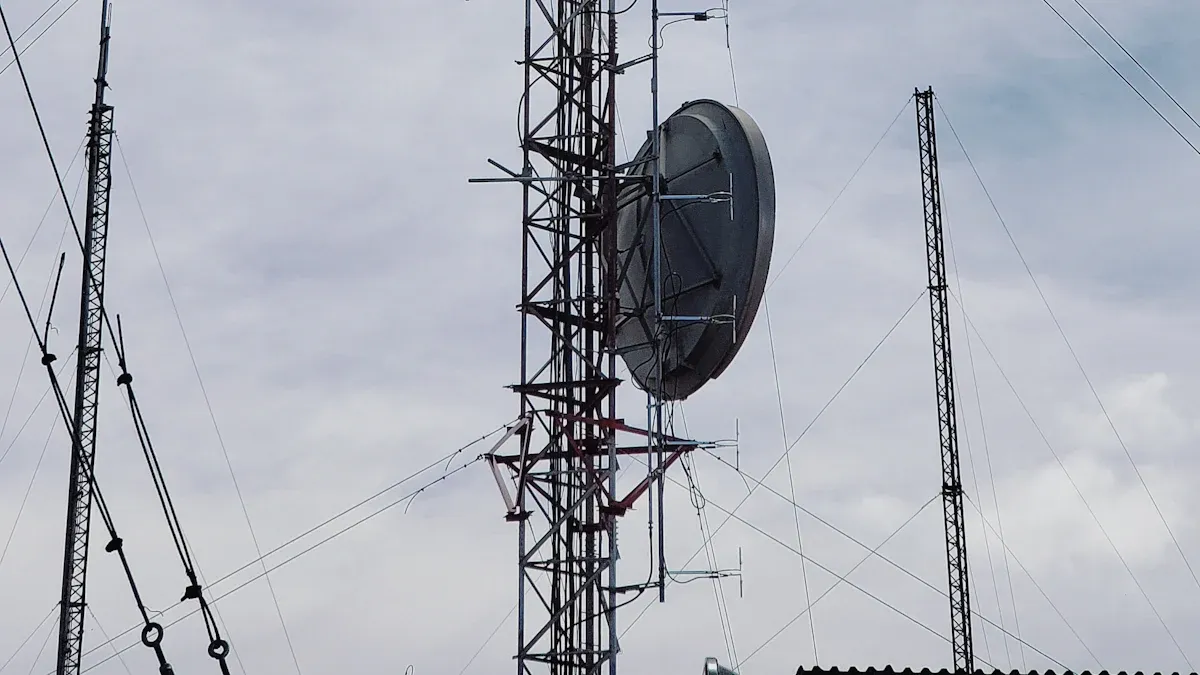
LoRa Bands by Region
You have to know which frequency bands are allowed before using lora. Different places let you use different lora frequencies. These rules help you follow the law and keep your devices safe. In North America, you use the 902-928 MHz band. Europe uses the 863-870 MHz band. Asia often uses the 779-787 MHz or 920-925 MHz bands. Some countries are starting to use new bands for iot projects.
Here is a table that lists common lora frequency bands in each region:
Region | Frequency Bands (MHz) |
|---|---|
North America | 902-928 |
Europe | 863-870 |
China | 779-787, 470-510 |
Japan | 920-925 |
India | 865-867 |
Tip: Always look up the newest frequency bands in your country. Rules might change, and you want your lora devices to work right.
You need to pick the correct frequency band for your devices. This keeps your signals strong and legal. It also stops problems with other wireless systems.
Bandwidth and Data Rates
You should think about bandwidth and data rates when planning your lora network. Bandwidth is how much space you have to send signals. Most lora bands use small bandwidths. This lets you send small bits of data far away. You can still talk to your devices even if the area is busy.
Lora data rates change with the frequency band and device settings. Lower data rates let you send signals farther away. Higher data rates are better for short distances. You need to choose what works best for your needs and area. These choices help you make good iot networks.
Note: If you use the wrong band or set your data rate too high, your signals might not work. Always test your network before using it everywhere.
Regulatory Standards
Regulatory Bodies
You need to know which groups make the rules for lora. These groups decide how you can use lora technology. Every country has its own group for wireless rules. In the United States, the FCC makes the rules for frequency and signals. In Europe, ETSI sets the rules for lora and other wireless systems. China uses MIIT to make rules for iot devices.
These groups check if your devices follow their rules. They look at how your devices send data and use frequencies. You must follow these rules to avoid trouble. If you do not, your lora network might not work or could break the law.
Tip: Always look up the newest rules from your local group before you set up lora devices.
Here is a table with some main rule-making groups and their regions:
Region | Regulatory Body | Main Role |
|---|---|---|
USA | FCC | Frequency and standards |
Europe | ETSI | Standards and regulations |
China | MIIT | Regulations and standards |
Japan | MIC | Frequency and standards |
Certification Needs
You have to get certification for your lora devices before using them. Certification shows your devices meet all the rules. Most countries want proof that your devices follow rules for frequency and data. You must test your devices so they do not cause problems.
The certification process checks many things. You must show your lora devices use the right frequencies and power. You also need to prove your devices send data safely and follow the rules. If you want to sell your iot products in other countries, you must follow global rules.
Note: Keep all your certification papers. You might need them if a group asks for proof.
You should plan for certification early. This helps you avoid waiting and makes sure your lora network follows all the rules. Good planning keeps your data safe and your network strong.
Technical Compliance
Power Limits
You must check the power limits for lora devices in your area. Each country sets rules for how strong your signal can be. If you use too much power, your network may cause problems for other systems. You need to set your device to the allowed level. This helps your network work well and keeps you within the law. Most lora networks use low power to send data over long distances. You can save battery life and avoid interference. Always read the local rules before you start your iot project.
Tip: Lower power settings often mean longer battery life for your devices.
Duty Cycle Rules
Duty cycle rules tell you how often your lora device can send data. You cannot send signals all the time. Each region has its own duty cycle limit. For example, some places let you send data only a few seconds every minute. If you go over the limit, your network may stop working or break the law. You should plan your communication so you do not send too much data. Use short messages and send only what you need. This keeps your network safe and legal.
Here is a simple table to show duty cycle limits in different regions:
Region | Duty Cycle Limit (%) |
|---|---|
Europe | 1 |
North America | No fixed limit |
Japan | 1 |
Network Design
You need to design your lora network for good coverage and strong communication. Place gateways where they can reach all your devices. Check the area for buildings or trees that may block signals. Use the right frequency for your region to avoid interference. Test your network before you use it for real data. You can add more gateways if you need better coverage. Good network design helps you send data without problems. You can connect many devices and keep your iot project running smoothly.
Note: Always plan your network with future growth in mind. You may want to add more devices later.
Regulatory Compliance
Compliance Steps
You have to follow some steps to meet regulatory compliance for your lora network. Every country has its own rules for lora technology. You should check these rules before you start your project. First, find out which group makes the rules in your area. Look up the newest rules about frequency, power, and how devices talk.
Here is a checklist to help you follow the rules:
Research Local Regulations
Learn which rules apply to your iot project. Check which frequency bands and power levels are allowed for lora devices.Test Your Devices
Make sure your devices meet all technical rules. Test if they send data safely and work well on the network.Apply for Certification
Send your devices to the rule-making group for approval. Certification shows your devices follow the rules.Keep Records
Save all your test results and certification papers. You might need to show these to officials.Monitor Changes
Rules can change. Stay updated with new rules to keep your network legal.
Tip: It is smart to work with local experts or consultants. They can help you understand hard rules and avoid mistakes.
Documentation
You need to keep good records for your lora project. Good documents help you prove regulatory compliance. You must show your network follows all rules for frequency, power, and sending data.
Here is a table with important documents you should keep:
Document Type | Purpose |
|---|---|
Certification Papers | Show regulatory approval |
Test Reports | Prove device safety and standards |
Frequency Allocation | Confirm legal frequency use |
Network Design Plans | Explain coverage and communication |
Data Logs | Track device activity |
You should keep your documents in a safe place. If the rule-making group asks for proof, you can show it fast. Good records also help you fix problems and plan upgrades.
Note: Good records make it easier to grow your network or work in new countries.
Legal Risks
You can get into legal trouble if you do not follow lora rules. Using the wrong frequency or too much power can lead to fines or shutdowns. Rule-making groups may stop your network if you break the rules. You could lose data or face legal action.
Some common legal risks are:
Using devices without certification
Using banned frequency bands
Going over allowed power limits
Not keeping good records
Not following new rules
You can lower these risks by following all compliance steps. Always check for new rules before you grow your network. If you want to use lora in other countries, learn the rules in each place. Following the law keeps your iot project safe and your data protected.
Alert: Legal problems can stop your network and cost you money. Stay up to date and follow all rules to avoid trouble.
Deployment Best Practices
Planning
You need a good plan before starting your lora project. Planning helps you avoid mistakes and saves time. First, set clear goals for your iot solution. Decide how many devices you want to connect and what data you need to collect. Make a list of places where you will install devices. Check the rules for your area to make sure your network follows all laws. You should also think about future growth. If you want to add more devices later, plan for extra space and power.
Tip: Write down your plan and share it with your team. This helps everyone understand the steps and keeps your deployment on track.
Gateway Placement
Gateways are important for strong lora communication. You must place gateways where they can reach all your devices. Look for high spots like rooftops or towers. Avoid placing gateways near large buildings or trees that block signals. Use a map to mark where each gateway will go. Test each spot to see if the signal is strong. If you have a big area, you may need more gateways to cover every device.
Here is a simple table to help you choose gateway locations:
Location Type | Signal Strength | Easy Access | Good for Expansion |
|---|---|---|---|
Rooftop | High | Yes | Yes |
Tower | High | No | Yes |
Ground Level | Low | Yes | No |
Note: Good gateway placement makes your network work better and keeps your data safe.
Scalability
You should think about scalability when building your lora network. Scalability means your network can grow as you add more devices. Start with a small setup and test how it works. If you need more coverage, add more gateways and devices. Make sure your system can handle extra data without slowing down. Use simple software that lets you add new devices easily. Always check your network for problems and fix them fast.
Alert: If you plan for scalability, your iot project will last longer and work better as it grows.
Case Studies
Asia: Industrial IoT
Lora is helping factories in Asia work better. Many companies use sensors to watch machines and check energy use. These sensors send data to gateways. Managers can find problems early with this data. Lora networks are used in big factories where devices must last a long time. Workers use the data to fix machines before they break down. This saves money and keeps the factory running well.
Tip: Try your lora devices in different places in the factory. Some spots may block signals, so always check if you have good coverage.
Europe: Smart Cities
Cities in Europe use lora to help people live better. You can see smart lights, air sensors, and parking sensors working together. These devices send small pieces of data to city computers. The city uses this data to control lights, check air, and manage traffic. Lora helps cities save power and keep streets safe. You can start your own smart city project with a few sensors and add more later.
Smart City Feature | Example Device | Benefit |
|---|---|---|
Smart Lighting | Light sensor | Saves energy |
Air Monitoring | Air sensor | Cleaner air |
Parking Management | Parking sensor | Less traffic |
North America: Agriculture
Farmers in North America use lora to watch crops and animals. You might see soil sensors checking water or trackers on cows. These devices send updates to a main computer. Farmers use this data to water crops at the right time and keep animals safe. Lora networks cover big fields, so you can connect many devices and use little power.
Note: Good signals between sensors and gateways help farmers get data quickly.
Challenges
You may have problems when using lora for iot projects. Each place has its own rules for frequency and power. You need to check these rules before starting. Sometimes, buildings or hills block signals. You should test your network in real life. Getting certification can take a while, so plan ahead. If you want your network to grow, make sure it can handle more devices.
Check the local rules for lora before you start.
Test your network for good coverage and strong signals.
Keep your papers ready for certification.
Alert: If you skip these steps, your network might not work or could break the law.
Future Trends
Regulatory Changes
Rules for lora networks will keep changing in the future. Governments often make new rules as technology grows. You need to watch for these changes. Some countries might use new frequency bands or set new power limits. These changes can change how you use lora for iot projects. Check the rules often to stay up to date. If you follow the newest rules, your network will be safe and legal. Experts think more countries will make special rules for lora and other wireless systems.
Tip: Set reminders to check the rules every few months. This helps you avoid trouble and keeps your devices working well.
LoRa and IoT Advances
Lora and iot technology will keep getting better. Companies are making devices that send data faster and use less power. You might see new sensors that collect more data and share it better. Some networks will use new frequency bands to reach more places. These changes help you build stronger networks and connect more devices. You can use these new ideas to make your projects better and get more good results.
Here is a table showing some future advances:
Advance | Benefit |
|---|---|
New sensors | More data collection |
Better batteries | Longer device life |
Wider frequency | Larger coverage area |
Faster chips | Quicker data transfer |
Best Practices
You should use best practices to get ready for the future. Always check the rules before starting a new project. Test your devices with the newest technology. Keep records of your data and network plans. Use strong security to keep your data safe. Plan your network so you can add more devices later. Work with experts who know about rules and technology. If you do these things, you will be ready for changes and keep your network strong.
Alert: If you do not follow new trends and rules, your network might stop working or break the law.
You are important for your lora project to work well. You should follow the rules and plan your network carefully. Watch for new rules and changes in technology. To do a good job, keep your papers neat, test your devices a lot, and think about adding more devices later.
Check local rules often
Store certification papers safely
Test your network before you start
FAQ
What is LoRa and why should you use it for IoT?
LoRa lets your devices send data over long distances with low power. You can use it for smart farming, city sensors, or tracking assets. LoRa helps you save battery life and connect many devices.
How do you choose the right frequency band for your LoRa devices?
You need to check the rules in your country. Each region allows different frequency bands. Pick the band that matches your local laws. This keeps your network legal and working well.
Tip: Always look up the latest frequency rules before you set up your devices.
Do you need certification for LoRa devices?
Yes, you must get certification before using LoRa devices. Certification proves your devices follow local rules for frequency and power. Without it, you risk fines or having your network shut down.
What happens if you break LoRa rules?
You may face fines or lose access to your network. Rule-making groups can stop your devices from working. You must follow all rules to keep your project safe.
Risk | Result |
|---|---|
No certification | Fines |
Wrong frequency | Network blocked |
Too much power | Legal trouble |
How can you make your LoRa network grow in the future?
Start with a small setup. Test your devices and add more gateways as needed. Use software that lets you add new devices easily. Plan for extra space and power so your network can expand.
Alert: Planning for growth helps your network last longer and work better.