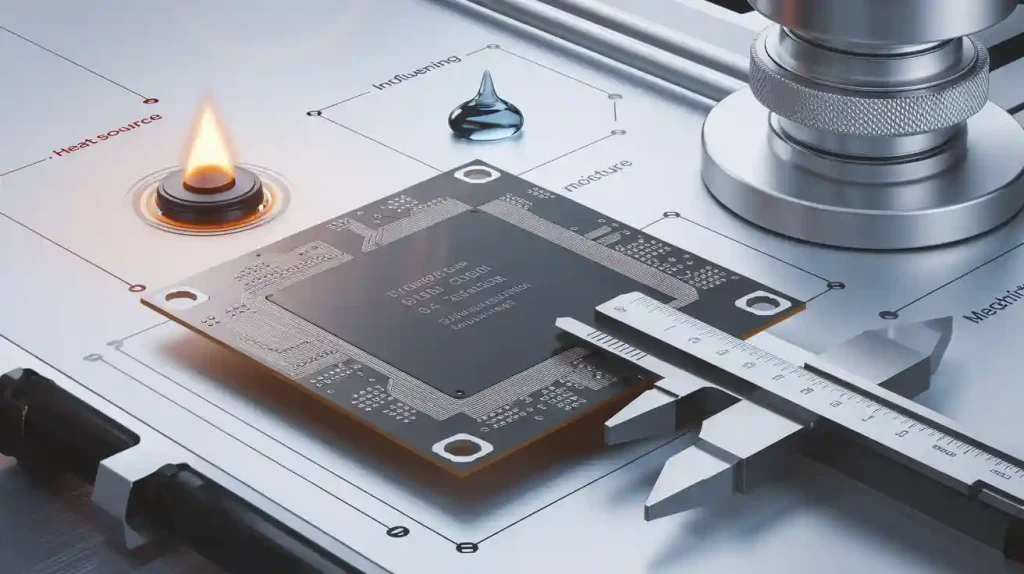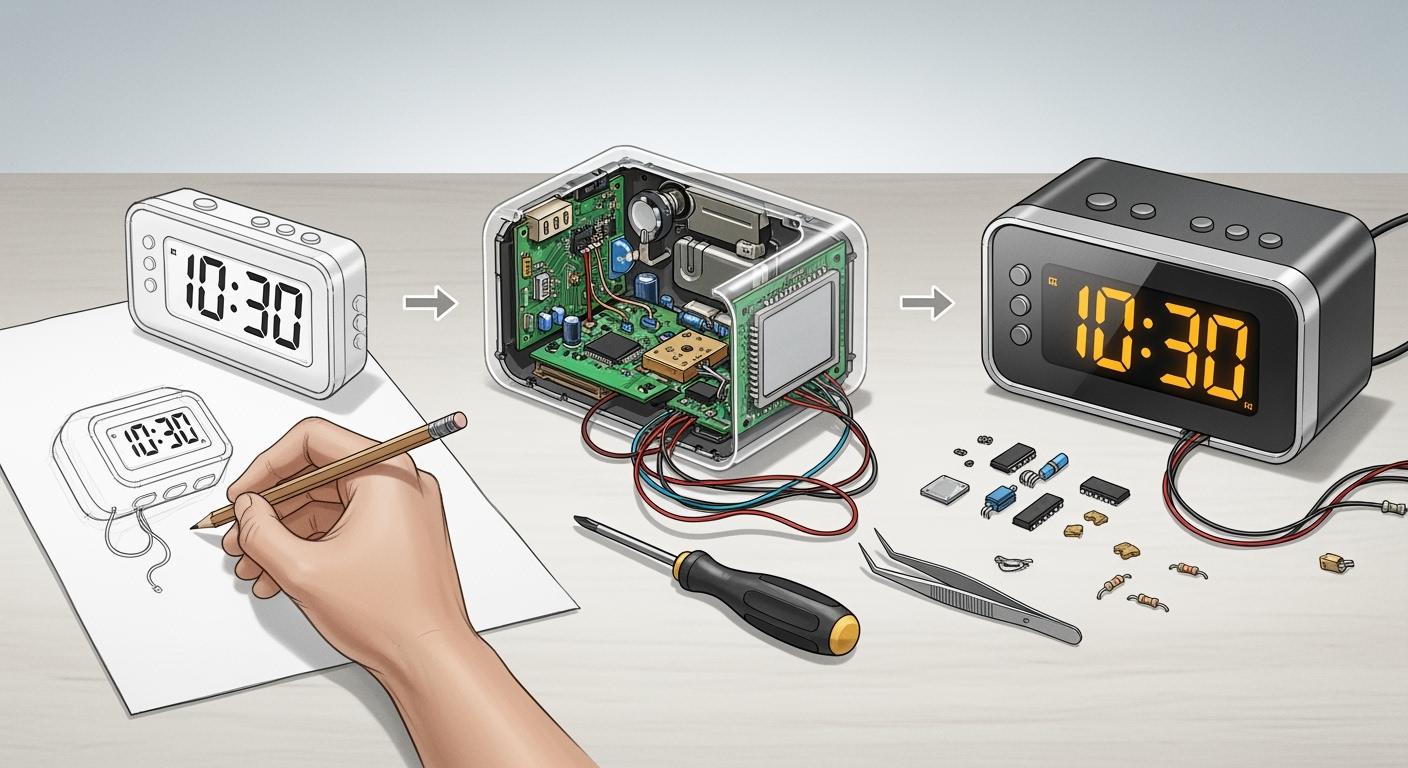
You may wonder how electronic alarm clocks are made. These clocks use special technology like microcontrollers and custom PCBs. This helps them keep time very well. Electronic alarm clocks have changed a lot over time. Now, they have smart features and designs that help with wellness. Most electronic alarm clocks are made in China. China makes more than 70% of them each year. Today, these clocks can connect to your phone. They can also work with smart homes. Many people want clocks that are good for the environment. You get new ideas and trust these clocks every time you use them.
Key Takeaways
Electronic alarm clocks use smart technology and simple design. They help you wake up better.
Designers think about what people need. They make clocks that work well. They are easy to use. You can change settings for your morning routine.
Quality control is very important. Makers check each clock. They make sure it works right before you get it.
Sustainability is important too. Many clocks use eco-friendly materials like bamboo. This helps the environment.
Using an electronic alarm clock instead of your phone helps you sleep better. It lowers screen time before bed.
Concept And User-Centric Design
Purpose And Features
When you think about electronic alarm clocks, you might wonder what makes them helpful. Designers start by asking what you need most in your daily life. They focus on problems like missed appointments or waking up late. You want a clock that works every time you need it. You also want something simple that does not confuse you in the morning. Many people want alarms that wake them gently, so they do not feel tired or upset. You may like to change your alarm sound or set different times for different days. Some people need a better snooze button to avoid sleeping too long.
Here are the most common needs designers find when they plan a new alarm clock:
You need a reliable alarm to help you wake up on time.
You want a simple and easy-to-use clock.
You prefer gentle alarms that do not disturb your sleep.
You like to customize your alarm settings.
You need a snooze function that helps you avoid oversleeping.
Designers use these ideas to create smart alarm clocks that fit your life.
User Experience Focus
You play a big part in how designers shape new alarm clocks. They use user-centric design to make sure the clock feels right for you. This means they think about how you will use the clock every day. They want you to feel happy and comfortable when you set your alarm or check the time. User experience design helps them test how easy it is for you to use each button or feature.
Sustainability also matters in modern design. Many companies choose materials that are better for the planet. For example, some clocks use bamboo because it grows fast and helps save trees. Designers also use Kansei Engineering. This method helps them match the clock’s look and feel with what you want. It makes you more likely to enjoy and keep using your clock.
Material | Description | Sustainability Benefit |
|---|---|---|
Bamboo | A fast-growing plant that can be harvested quickly. | Reduces deforestation and promotes eco-friendliness. |
Kansei Engineering | A method to align design with consumer feelings. | Enhances user satisfaction and promotes sustainable choices. |
When you pick a clock, you get the result of careful design, smart features, and a focus on your needs.
Key Components Of Electronic Alarm Clocks
Microcontrollers And Quartz Oscillators
If you open a digital alarm clock, you will see a microcontroller and a quartz crystal oscillator inside. The microcontroller is like the clock’s brain. It controls the alarm clock circuit and all the features you use. The microcontroller reads your button presses and sets the alarm. It also keeps track of the time.
The quartz crystal oscillator is important for keeping time right. It helps the alarm clock circuit stay on track. Quartz crystals vibrate at a steady speed when electricity goes through them. This vibration makes a signal that the microcontroller uses to count seconds and minutes. The quartz crystal oscillator helps the clock stay accurate, even if the temperature changes. Most crystals work best in certain temperatures. This helps the digital alarm clock avoid mistakes and keeps the alarm clock circuit working well.
Quartz crystal oscillators make clock signals for good timekeeping.
They use quartz’s vibration, which gives high stability and low aging.
These oscillators are found in real-time clocks, which are important for every digital alarm clock.
Alarm Clock Circuit Design
The alarm clock circuit is the main part of every digital alarm clock. You need this circuit to connect all the parts and make the clock work. The alarm clock circuit has the microcontroller, the quartz oscillator, the display, and the buttons. All these parts must work together for the clock to do its job.
You might not know the problems engineers face when they design an alarm clock circuit. Sometimes, a part like a binary to BCD converter is missing. This means engineers have to change the alarm clock circuit design. Power management is also a big problem. If the alarm clock circuit uses too much power, it can get hot or use up batteries fast. Engineers must balance power use and how well the clock works.
Designing the alarm clock circuit takes planning.
You need to build and test each part of the alarm clock circuit.
Debugging the alarm clock circuit helps find and fix problems before you use the digital alarm clock.
Display And Power Options
You use the display to see the time on your digital alarm clock. Most digital alarm clocks use LED displays. These displays are bright and easy to read, even at night. Some digital alarm clocks can project the time onto your wall or ceiling. This lets you check the time without moving.
Product Name | Display Type | Features |
|---|---|---|
Digital Projection Alarm Clocks for Bedrooms | LED | Large display, 180° rotatable projector, USB charger, battery backup |
GOLOZA Projection Alarm Clock | LED | 180° rotatable projector, 3-level brightness dimmer, USB charger |
Netzu Projection Clock for Bedroom Ceiling | LED | 180° rotatable projector, date, temperature, and weekday display |
SZELAM Projection Alarm Clock | LED | 7.4″ mirror digital display, RGB night light, auto dimmer |
You also need to think about how your digital alarm clock gets power. Some digital alarm clocks use batteries. These clocks are easy to set up and do not need wires. You can move them anywhere, and they keep working if the power goes out. Other digital alarm clocks use electricity from the wall. These clocks use the 60 Hz frequency of AC power to keep time. This changes how the alarm clock circuit is made and how the digital alarm clock works.
Battery clocks cost less and are easy to install.
They keep working when the power is out.
You can put them anywhere without worrying about wires.
Battery-powered digital alarm clocks are easy to move.
They keep working during power outages.
You do not need to worry about wires with these clocks.
Custom PCB Manufacturing
Every digital alarm clock needs a custom PCB to connect all the parts. The PCB holds the microcontroller, the quartz oscillator, and the rest of the alarm clock circuit. You use buttons on the digital alarm clock to set the time and alarm. The custom PCB makes sure every part of the alarm clock circuit works together.
Engineers design the custom PCB for each digital alarm clock. They base the design on what the alarm clock circuit needs. For example, some digital alarm clocks use an Arduino UNO microcontroller. The custom PCB lets you set the time, date, and alarm. It also connects the display and the buttons you use every day.
Custom PCBs are important for modern digital alarm clocks.
The PCB design matches what the alarm clock circuit needs.
You get a better user experience because the custom PCB supports all the features you want.
When you use a digital alarm clock, you depend on the alarm clock circuit, the display, the power source, and the custom PCB. Each part must work together for the digital alarm clock to help you wake up on time. The alarm clock circuit connects everything, and the custom PCB makes sure the digital alarm clock is reliable and easy to use.
Prototyping And Testing
Building Prototypes
You begin by deciding what you want your alarm clock to do. You want it to wake you up on time. You also want the alarm setting interface to be simple. You pick the main parts, like a real-time clock, LCD display, buzzer, and buttons. Each part helps control the alarm trigger circuit and set the alarm time. You test each part alone first. You check if the real-time clock keeps good time. You see if the LCD shows the alarm time clearly. You add the power switch, buzzer, and buttons to the board. You put all the parts in a case, like an Adafruit box. You test the whole prototype. If something does not work, you change the code or swap out parts.
Here are the usual steps you follow:
Decide what you want the alarm clock to do, like keeping good time and making sure the alarm trigger circuit works.
Pick the parts you need, such as the real-time clock, LCD display, buzzer, and buttons for the alarm setting interface.
Test each part by itself to make sure the time and alarm are right.
Connect all the parts, including the alarm trigger circuit and alarm setting interface.
Put the prototype together in a case.
Test and fix the alarm trigger circuit and timekeeping if needed.
Functionality And Reliability Testing
You test the prototype to see if it works every time. You check if the alarm trigger circuit goes off at the right time. You use the alarm setting interface to set different alarm times. You watch if the clock changes when you set new times. You see if the timekeeping stays correct for many hours or days. You press each button to see if the alarm setting interface works fast. You listen for the buzzer and look at the display to check the alarm time. You want the alarm trigger circuit to work even if the power changes or the clock is moved. You do these tests again and again to make sure the timekeeping is always right.
Tip: Always try different alarm times when you test the alarm trigger circuit. This helps you find mistakes in timekeeping.
Iterative Improvements
You make your prototype better by listening to what people say. You watch users try the alarm setting interface and see how they use the alarm trigger circuit. You get feedback from surveys, app reviews, and focus groups. You use usability testing to find out what is easy or hard for people. You plan changes and make new versions of the alarm setting interface. You test each new prototype to check timekeeping and alarm time. You keep doing this until the alarm trigger circuit works well and the alarm setting interface is easy to use.
Usability testing helps you find problems with timekeeping and setting the alarm time.
User feedback shows what people like or do not like about the alarm trigger circuit.
The step-by-step design process lets you make the alarm setting interface and timekeeping better each time.
You make sure your electronic alarm clock works well, keeps good time, and lets you set the alarm time easily.
Digital Alarm Clock Production
Component Sourcing And Assembly
You start with a plan for your digital alarm clock. You choose each part based on your design. You need a microcontroller, a quartz oscillator, a display, buttons, and a custom PCB. You look for suppliers who offer high-quality components. You compare prices and check reviews. You want parts that match your design and work well together.
You order the parts and wait for delivery. When the parts arrive, you check each one. You make sure the microcontroller works with your alarm clock circuit. You test the display to see if it shows the time clearly. You inspect the PCB for any damage. You organize the parts before assembly.
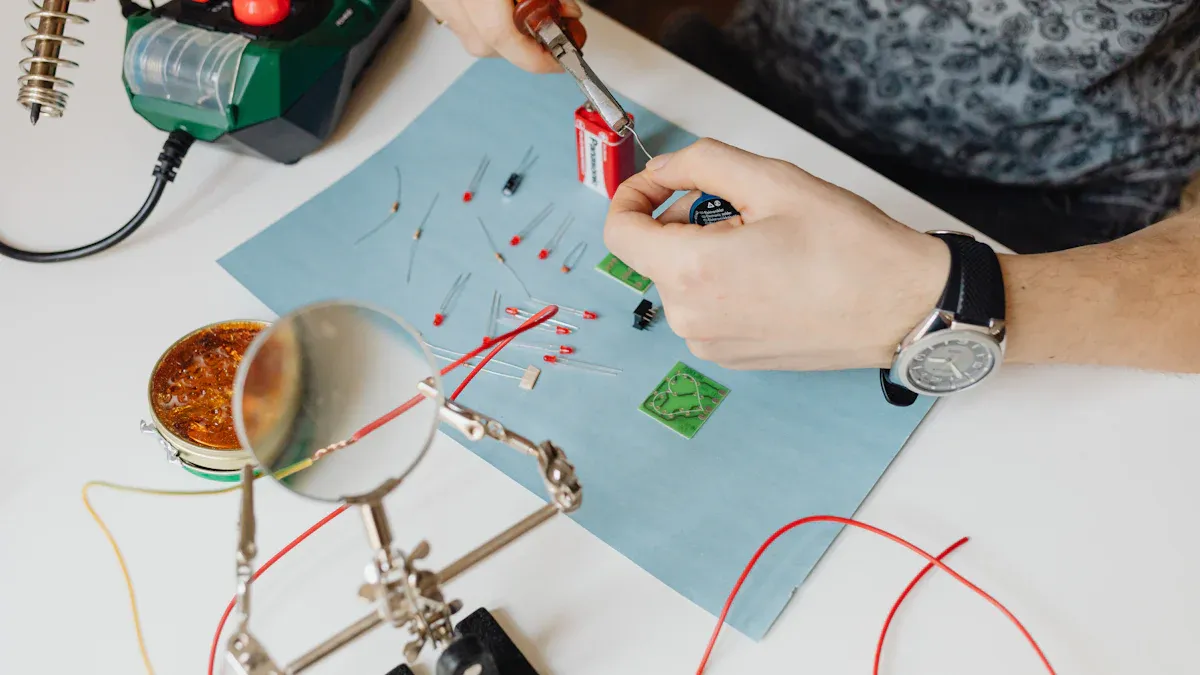
You begin assembly by placing the microcontroller and quartz oscillator on the PCB. You add the display and buttons. You connect wires and check each connection. You follow your design to make sure every part fits. You use tools like soldering irons to attach components. You build the digital alarm clock step by step.
You test the assembled clock. You set the time and alarm. You press the buttons to check the response. You look at the display to see if it matches your design. You listen for the alarm sound. You repeat these steps for each digital alarm clock you make.
Tip: Always keep your workspace clean. This helps you avoid mistakes during assembly.
Quality Control
You want your digital alarm clock to work every time. You follow a quality plan before production. You set standards for performance, safety, durability, and user experience. You check each step to make sure your clock meets these standards.
You use online quality inspection during manufacturing. You watch the process in real time. You look for defects and fix them quickly. You test the digital alarm clock for accuracy and reliability. You check the alarm, display, and buttons.
You perform final product testing. You test the clock’s functions. You check if the alarm goes off at the right time. You make sure the display shows the correct time. You test the clock for safety and compliance with industry rules.
You inspect packaging and shipment. You want each digital alarm clock to arrive safely. You check the boxes for damage. You make sure the clocks are packed well.
You set quality standards before production.
You inspect the manufacturing process in real time.
You test each digital alarm clock before shipping.
You check packaging to protect the clocks.
Scaling Manufacturing
You want to make more digital alarm clocks as demand grows. You plan your manufacturing process to handle larger numbers. You organize your workspace and train workers. You use machines to help with assembly. You set up lines where each person or machine does one step.
You buy parts in bulk to save money. You work with suppliers who can deliver large orders. You check each batch for quality. You use your design to guide every step. You keep records of each digital alarm clock you make.
You test samples from each batch. You look for problems and fix them fast. You use feedback to improve your design and process. You update your manufacturing plan as you grow.
Note: Scaling up means you must watch quality even more closely. Small mistakes can affect many clocks.
You use your design, careful sourcing, and strong quality control to make reliable digital alarm clocks. You follow each step to build, test, and ship clocks that help people wake up on time.
Applications And Challenges
Everyday Uses And Benefits
Electronic alarm clocks do more than just wake you up. They can play nature sounds or your favorite radio station in the morning. Some clocks use gentle alarms with gradual light to help you wake up slowly. Many people use clock radios instead of their phones at night. This helps you spend less time looking at screens before bed. You may fall asleep faster and sleep longer this way. Electronic alarm clocks do not send notifications, so your sleep is not disturbed.
You can choose from many alarm sounds, like calming nature noises.
You avoid blue light, which helps your body make melatonin for better sleep.
You can set your clock to match your bedtime habits and improve your mornings.
Built-in USB ports let you charge your devices and save space on your nightstand.
Tip: Using an electronic alarm clock instead of your phone can help you sleep better.
These clocks help you wake up gently. You feel less stress and worry when you hear soft sounds or see gradual light in the morning. The design of these clocks supports your health and helps you start your day feeling good.
Design Limitations And Solutions
There are some problems with electronic alarm clock designs. Sometimes, you cannot set the alarm for the exact minute you want because the stepper mechanism is not very precise. The small space inside the clock makes it hard to add many features. You may need to adjust your clock when you first use it, since advanced sensors do not fit or cost too much.
The design might not let you set alarms for every minute.
Small cases make it hard to fit all the parts, which changes how the clock looks and feels.
You need to adjust the clock at first because there are no complex sensors.
Manufacturers try to fix these problems. Some clocks, like the DigiClock, use a mirrored finish and a slim design to look nice in any room. You get a big digital display with brightness you can change and a light sensor that matches your room. Night Mode lets you dim the display at bedtime, which helps you sleep better. You can charge two devices at once with dual USB ports, making the clock more useful. A backup battery keeps your clock working if the power goes out.
Smart design choices make the clock work better and look nicer.
Adjustable displays and light sensors help you sleep well.
Dual USB ports and backup batteries make the clock more useful every day.
You enjoy these design improvements every day. Engineers keep working to make clocks more reliable, good-looking, and easy to use.
You can see that electronic alarm clocks use smart technology and focus on what users want. Automation and custom PCBs help make clocks work well and easy to use. People share their thoughts, which helps add new features and make clocks better. Companies pick good parts and test clocks carefully so they last a long time. You get cool things like smart home connections and wellness tools. Rules for the environment and safety help make clocks safer and create less waste.
Key Factor | Impact on Alarm Clocks |
|---|---|
Automation | Faster production, lower costs |
User Feedback | Better design, new features |
Custom PCBs | Improved reliability |
Quality Control | Longer-lasting products |
Today’s clocks are simple to use, can charge with USB, and look nice.
You help clocks change by picking the ones that match what you like and need.
FAQ
How does a microcontroller help your alarm clock work?
A microcontroller is like the brain of your alarm clock. It checks when you press a button. It keeps track of the time for you. It also controls when the alarm goes off. The microcontroller makes sure everything works right. This helps your alarm clock do its job every day.
Why do some alarm clocks use quartz crystal oscillators?
Quartz crystal oscillators help your clock keep good time. The quartz vibrates at the same speed when it has power. This helps the clock stay on time, even if it gets hot or cold. You get fewer mistakes because the oscillator is steady.
Can you replace the battery in most digital alarm clocks?
You can change the battery in many digital alarm clocks. Look for a battery door on the back or bottom. Make sure you use the right kind of battery. This helps your clock work well after you change it.
What features make an alarm clock easier for you to use?
Big displays and simple buttons make clocks easy to use. You can change the brightness if it is too bright. Some clocks let you charge your phone with a USB port. Gentle alarm sounds help you wake up without stress. These features help you set alarms fast and wake up happy.
How do manufacturers test alarm clocks before selling them?
Manufacturers check each clock to see if it keeps good time. They test the alarm sound and make sure the buttons work. These tests help stop problems before you buy the clock. This means your clock should work well when you get it.