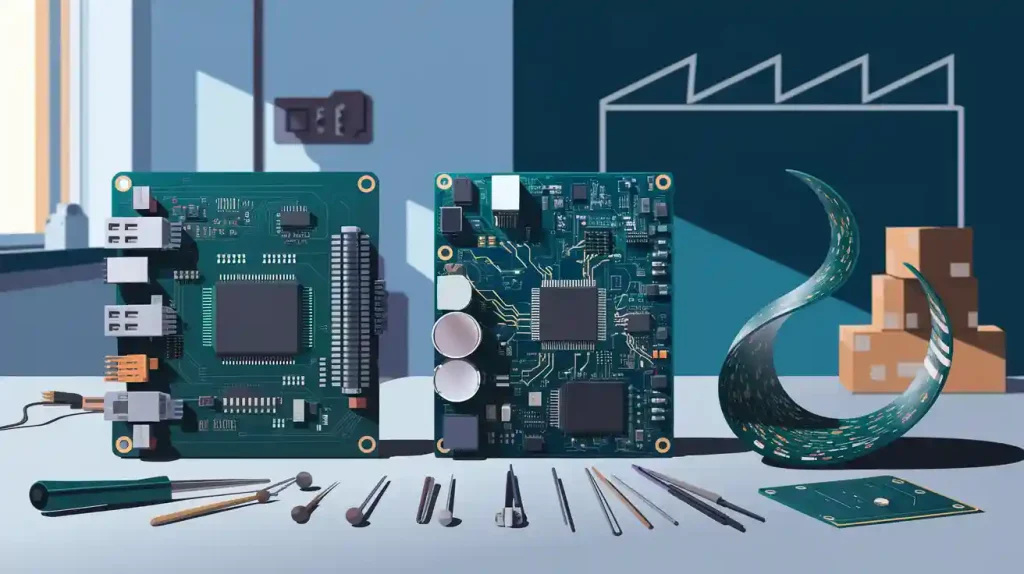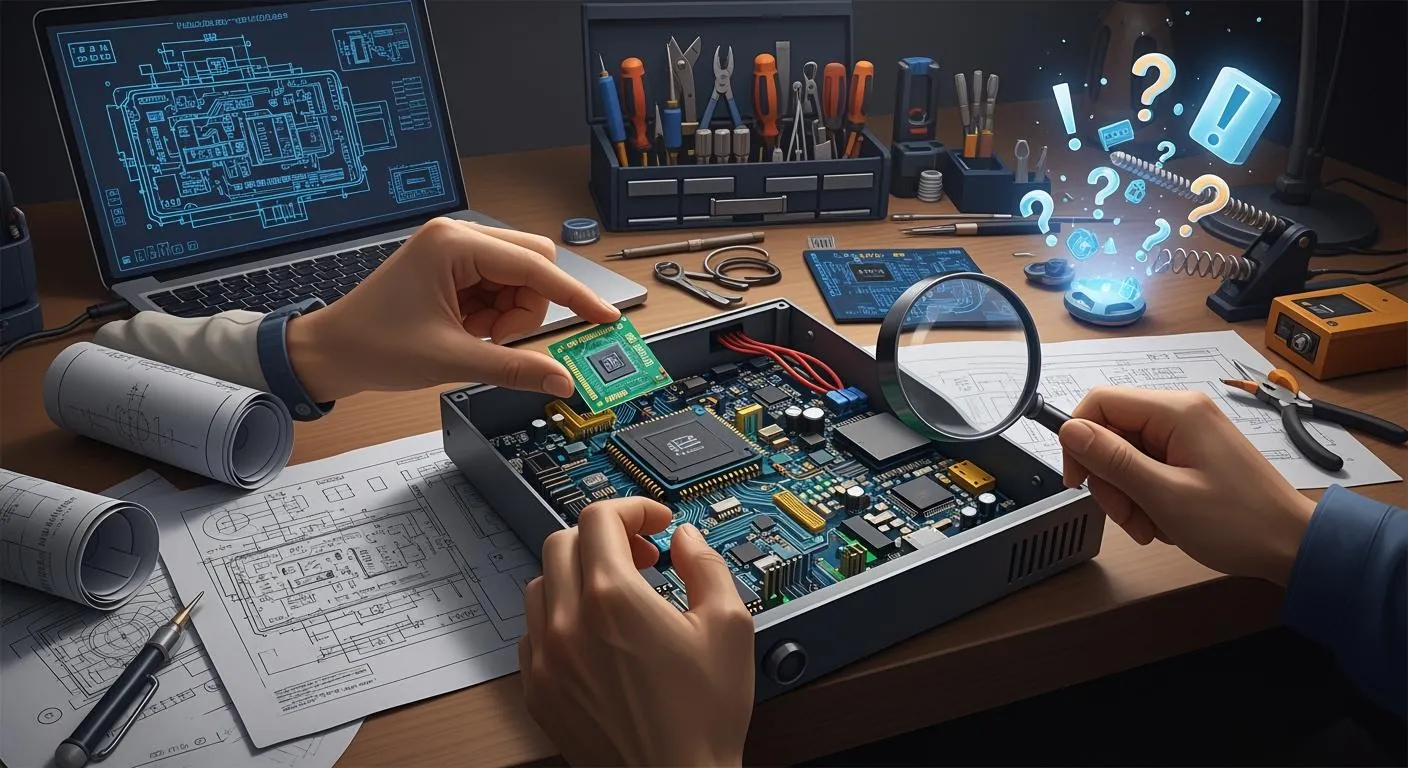
You can use hardware reverse engineering to make new things faster. It can help you save money and fix problems in your product. Many industries like cars, planes, and electronics use reverse engineering. They use it for making new things and checking what others do. You must think about legal and ethical risks. There are also technical problems and it takes time and effort. Always check if reverse engineering matches your goals. Make sure you have clear paperwork. This process helps you learn more about hardware. But it can also cause security problems or mistakes. Be sure you know the real value before you begin.
Key Takeaways
Hardware reverse engineering helps make products faster. You can learn from designs that already exist. This helps you not make the same mistakes as before.
This way can help your business save time and money. You do not need to try many things that cost a lot. You can look at good products and learn from them.
Reverse engineering makes things work together better. It helps your products fit with other systems and devices.
Watch out for legal and ethical problems. Always ask a legal expert for help. This can keep you safe from lawsuits. You should respect intellectual property rights.
Think about what your team needs. Make sure your team has the right skills and tools. This will help you do reverse engineering well.
Pros of Hardware Reverse Engineering

Faster Innovation
Reverse engineering helps you make products faster. You take apart devices and look at their parts. This shows you how things work. You can use 3D scanning and teardown analysis. These tools turn real objects into digital models. This way, you spend less time making new products. You can sell your product sooner than others. You learn from what is already made. This helps you avoid old mistakes. You also spend less money on research. Your business can change quickly when the market changes.
Tip: Teardown analysis lets you look inside devices. You learn how they work. This helps you make better designs.
Cost and Time Savings
Reverse engineering saves your business time and money. You do not have to start from nothing. You study products that already exist. You use their designs to help you. This means you do not need long research. You skip expensive trial-and-error steps. Teardown analysis shows which parts work well. You see which parts do not work. You can spend your money on the most important things. Your business can make new products faster. You also take fewer risks.
Compatibility Benefits
Reverse engineering helps your products work with other devices. You study how systems connect and share data. This is important for making products that fit with old or special hardware. The table below shows how reverse engineering helps with compatibility:
What You Learn Through Reverse Engineering | How It Helps Compatibility |
|---|---|
How things work and what limits them | Your product works with many types of devices |
Custom drivers, middleware, or adapters | Your product fits with new platforms |
Knowing hardware weaknesses | You stop problems with connecting and working well |
You use this knowledge to make sure your product fits in. You do not need to depend on the first makers. Your business can change and stay flexible.
Benchmarking Competitors
Reverse engineering lets you see what your competitors do. You use teardown analysis to study their products. You find out which features are best. Here are some ways this helps you:
You learn about good designs and smart ideas.
You make digital models for fast testing.
You find out what customers like most.
By looking at competitors, you make better choices. You do not waste time on things that do not help.
Fixing Design Flaws
Reverse engineering helps you find and fix problems. You take apart devices and see how they are built. You spot weak spots or mistakes. You can change and improve the design. Here are some benefits:
You solve problems and make your designs better.
You fix or update old systems.
You learn why things work, so you can improve them.
Reverse engineering is a strong tool for making products better and more reliable.
Replicating Complex Designs
Some products have hard shapes or special features. Reverse engineering helps you copy these designs. You use 3D scanning and teardown analysis. These tools help you see every detail. This is good when you need to match an old device. Your business can use this to keep old systems working. You can also make new products that work with old technology. You help different devices work together. You also make things work better by finding hidden details.
Note: Copying complex designs helps your business compete. You can offer products that match or beat what is already out there.
Cons of Hardware Reverse Engineering
Legal and Ethical Risks
You can get into legal trouble with reverse engineering. Many places have strict rules about copying products. If you break these rules, you might get sued or fined. Your business could lose the right to sell your product. Here are some main legal risks:
Legal costs go up if you break patent or copyright laws. Your business might pay for lawsuits and lose trust.
Unethical reverse engineering can cause counterfeiting and stealing ideas. This is unfair and can hurt your reputation.
Copying too much makes many similar products. It gets harder for your business to stand out.
You should know about these laws:
Copyright law, like the DMCA, can stop you from getting past security features. This is true even if you want to test or fix something.
Patent law lets you study a product. But making a copy without permission is against the law.
Contracts, such as EULAs, can ban reverse engineering. This can happen even if the law allows it.
Note: Always talk to a legal expert before you start. This helps you stay safe and avoid trouble.
Ethical problems can also happen. You must respect intellectual property rights. Do not copy designs without permission. Some people use reverse engineering for good reasons. Others use it for bad reasons. You need to be honest and keep your business responsible.
Technical Challenges
Reverse engineering is hard work. You need special skills and tools to take things apart. Many products have tricky circuits and hidden parts. You may need to fix bugs or find lost code. Sometimes, you must repair old systems with no support.
You need to know electronics and how circuits work.
You must use tools for 3D scanning and circuit tracing.
Your team needs to read circuit boards and see how signals move.
Tip: Basic teardown analysis is not enough. You need deep knowledge and lots of practice for good results.
Security Vulnerabilities
Reverse engineering can make products less safe. When you take apart a device, you might find weak spots. Hackers can use these weak spots. If you copy these flaws, you put your business and customers at risk.
You may find hardcoded passwords or weak update systems.
Hackers can use reverse engineering tools to break into your product.
Your business must test for security problems and fix them.
Alert: Always check for new security risks after reverse engineering. Protect your product and your customers.
Reconstruction Errors
You can make mistakes when you rebuild a product. Some details are hard to see or measure. If you miss something, your product may not work right.
You need tools like X-ray machines and microscopes to see every part.
Even with good tools, you can still get wrong data or miss hidden features.
Software like Altium Designer or KiCad helps, but you must know how to use them.
If you make errors, your product may fail or not work like the original.
Loss of Design Intent
With reverse engineering, you only see the finished product. You do not know why the original engineers made certain choices. You miss the reasons behind the design.
You may not understand trade-offs in cost or safety.
Your product might copy flaws or miss better solutions.
You lose the chance to learn from the full process.
Note: Without knowing the original goals, your business may repeat mistakes or miss new chances.
Resource Demands
Reverse engineering needs a lot of resources. You need skilled people, special tools, and time. This can cost your business more than you think.
Resource Type | Examples |
|---|---|
Software Tools | Ghidra, Radare2, OllyDbg, x64dbg, IDA Pro, Wireshark |
Hardware Tools | 3D scanning, circuit tracing, material analysis, X-ray tools |
Hard projects need better tools and experts.
Your business may pay more and need extra training.
Small companies may have trouble with hardware reverse engineering.
Tip: Plan your resources before you start. Make sure your business can handle the cost and effort.
Weighing the Pros and Cons
When It Makes Sense
You should use hardware reverse engineering when you want to improve your product or learn from others. This method works well if your business needs to check how safe a product is or if you want to make sure your new product works with old systems. You can use teardown analysis to see how things work inside. This helps you find ways to make your product design better.
Here is a table that shows when this approach gives you the most value:
Benefit | Description |
|---|---|
Safety vulnerability identification | Helps you find safety problems in products. |
Interoperability with existing systems | Makes creating compatible products easier. |
Competitive product evaluation | Lets you study other products to guide your development. |
If your business wants to save cost or speed up development, this method can help. You can also use it to fix problems or add new functionality. Many companies use it to keep up with fast changes in technology. You get to see what works and what does not.
When to Avoid It
You should avoid hardware reverse engineering if your business faces strict legal rules. If you do not have the right skills or tools, you may waste time and money. Sometimes, you cannot see the reasons behind a product’s design. This can lead to mistakes in your applications.
If your business cannot handle the resource needs, you may struggle. You might also risk copying flaws from other products. When you want to create something new, starting from scratch may work better. Always check if the benefits match your goals before you begin.
Tip: Think about your business needs, the product’s purpose, and the risks before you choose this path.
You saw that hardware reverse engineering can help you create a better product faster and save money. You can fix flaws and make your product work with other devices. You must think about legal risks and technical problems before you start. Many companies use digital measurement to improve product quality and efficiency. Always check your project goals and choose the right tools. If you want your product to stand out, weigh the benefits and risks for your needs.
Remember: Each product development project needs careful planning and clear intent.
Review your product goals.
Use the best tools for your product.
Make sure your product meets your standards.
FAQ
What is hardware reverse engineering?
You take apart a device to see how it works. You study its parts and design. This helps you learn about the product and find ways to improve it.
Is hardware reverse engineering legal?
You must check local laws before you start. Some countries allow it for learning or fixing products. Others have strict rules. Always ask a legal expert for advice.
How does functional analysis help in reverse engineering?
You use functional analysis to study what each part does. This helps you understand the device’s purpose. You find out how the system works and spot areas for improvement.
What tools do you need for hardware reverse engineering?
You need tools like 3D scanners, circuit testers, and software for design. Some projects need X-ray machines or microscopes. Choose tools based on your product.
Can reverse engineering make products safer?
You find weak spots and fix them. You test for security problems. This helps you protect your product and your customers.