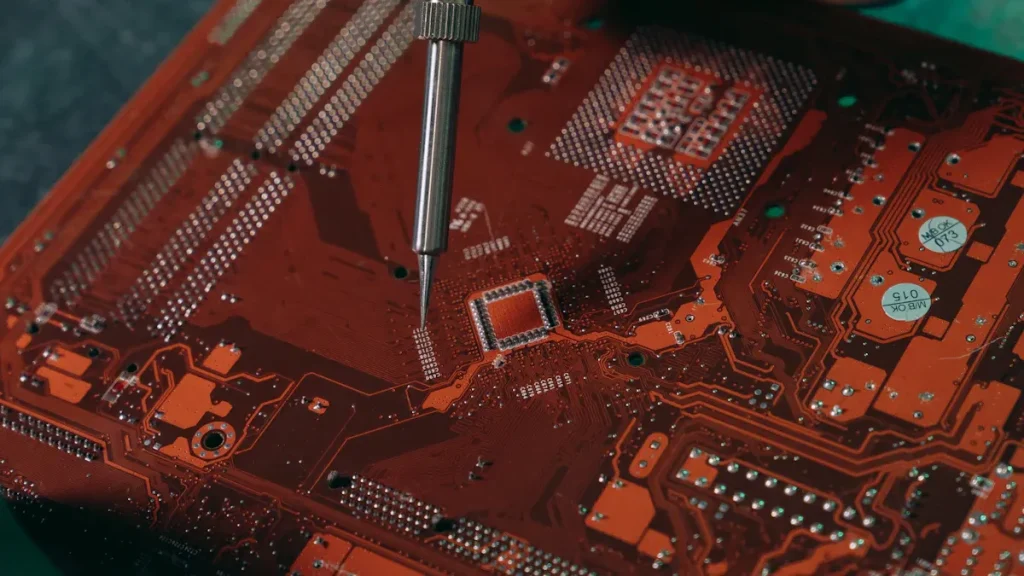
In the electronic design and manufacturing industry, as well as the field of electronic products, we often hear electronic design and PCB design, sometimes we will equate the two, but they are actually different, let’s take a look at their main differences

Electronic Design:
- What it is: Electronic design is all about creating the circuits and systems that make a device work. You start by figuring out how the different parts of the system should interact, choosing the right components (like resistors, capacitors, chips), and designing the overall functionality.
- Focus:
- Circuit Design: This is about how the electrical components will connect and interact with each other to perform a specific task (for example, amplifying a signal or controlling a motor).
- Component Selection: Picking the right parts for the job, whether that’s a microcontroller, sensor, or power supply.
- System Integration: Making sure everything works together smoothly—this could mean designing how a sensor communicates with a microcontroller or ensuring the power supply provides the right voltage to the circuit.
- Tools: Engineers typically use software like SPICE to simulate how the circuit will behave before building it. They might also use tools like MATLAB for system-level design.
- End result: You get a circuit diagram (schematic) that shows how all the components are connected and how they will work together to perform the intended function.
PCB Design:
- What it is: PCB design is the next step once the electronic circuit is designed. It’s about creating the physical layout of the circuit on a printed circuit board (PCB). Here, you figure out how to arrange all the components on the board and connect them using copper traces (the paths that carry the electrical signals).
- Focus:
- Component Placement: Deciding where each component will go on the PCB, making sure it fits and doesn’t interfere with other components.
- Routing: Drawing the electrical connections (or traces) between components, ensuring the signals can flow correctly and the board works as expected.
- Thermal Management: Making sure the board doesn’t overheat by placing components in a way that allows heat to dissipate or adding heat sinks where necessary.
- Manufacturing Feasibility: Designing the board so it can be easily manufactured—this includes making sure the traces are wide enough, the components are spaced correctly, and the design follows industry standards.
- Tools: PCB designers use software like Altium Designer, Eagle, or KiCad to lay out the components and traces, then generate files that manufacturers use to make the board.
- End result: You get a detailed layout of the PCB, which is then sent to a manufacturer to be created.
Main Differences:
| Aspect | Electronic Design | PCB Design |
|---|---|---|
| Scope | Focuses on how the circuit and system work as a whole. | Focuses on the physical layout and connection of the circuit on a board. |
| What’s Designed | The electrical circuits and how they interact. | The physical PCB that holds the components and connects them. |
| Main Activities | Circuit design, choosing components, testing functionality. | Placing components, routing traces, making sure the board is manufacturable. |
| Tools Used | Circuit simulators, system design tools (e.g., SPICE, MATLAB). | PCB design software (e.g., Altium, Eagle, KiCad). |
| End Result | A circuit diagram (schematic) that shows the design. | A PCB layout that’s ready for manufacturing. |
Electronic design and PCB design Workflow:
- Electronic Design:
- You might be designing a simple circuit to control a motor. First, you choose the right microcontroller, sensor, and motor driver. Then, you create a schematic that shows how these components will be wired together.
- PCB Design:
- After the schematic is ready, you move to the PCB design. You arrange the components on the board, draw the traces to connect them, and make sure the board can be easily made and assembled. You also consider things like how to manage heat and make sure signals don’t interfere with each other.
In Short:
- Electronic Design is about figuring out how the circuits will work and selecting the right parts for the job.
- PCB Design is about turning that electronic design into a physical board layout that can be manufactured.