

PCB Through Hole vs PCB Via Filling Hole
Compare PCB Through Hole and PCB Via Filling Hole technologies. Learn how via holes improve signal quality, save space, and suit compact designs.
Compare PCB Through Hole and PCB Via Filling Hole technologies. Learn how via holes improve signal quality, save space, and suit compact designs.

Compare RoHS PCBs and lead-free PCBs. Understand their differences in compliance, materials, and eco-friendliness to make informed manufacturing choices.
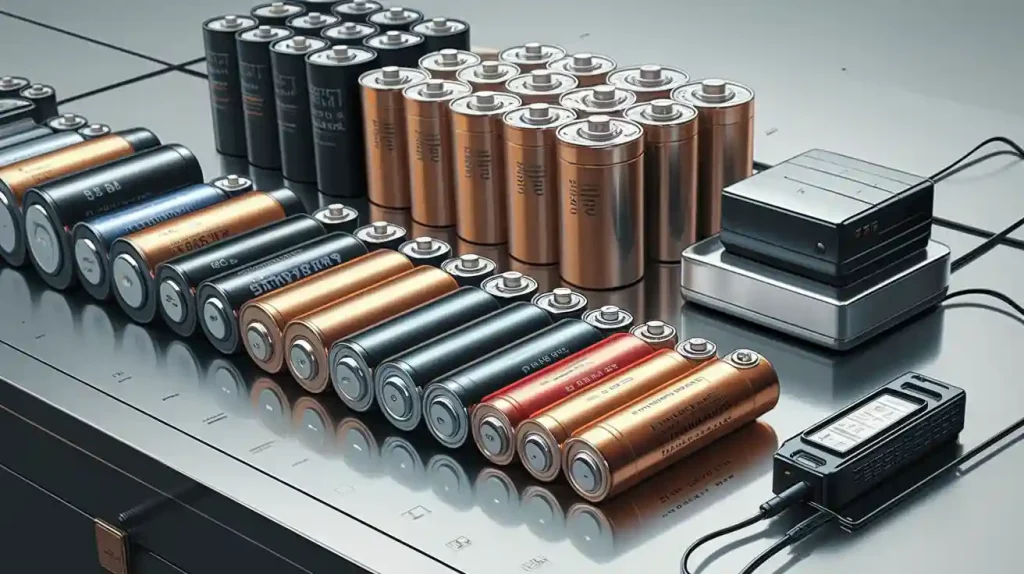
Discover the types of rechargeable batteries: Li-ion, NiMH, NiCd, Lead-Acid, and LiPo. Learn their features, benefits, and uses for various devices.
What Are the Different Types of Rechargeable Batteries Read More »

Compare CR1632 and CR2032 batteries by size, capacity, and uses. Learn why the CR1632 battery is ideal for compact devices and the CR2032 for high-power needs.
Understanding the Differences Between CR1632 and CR2032 Batteries Read More »
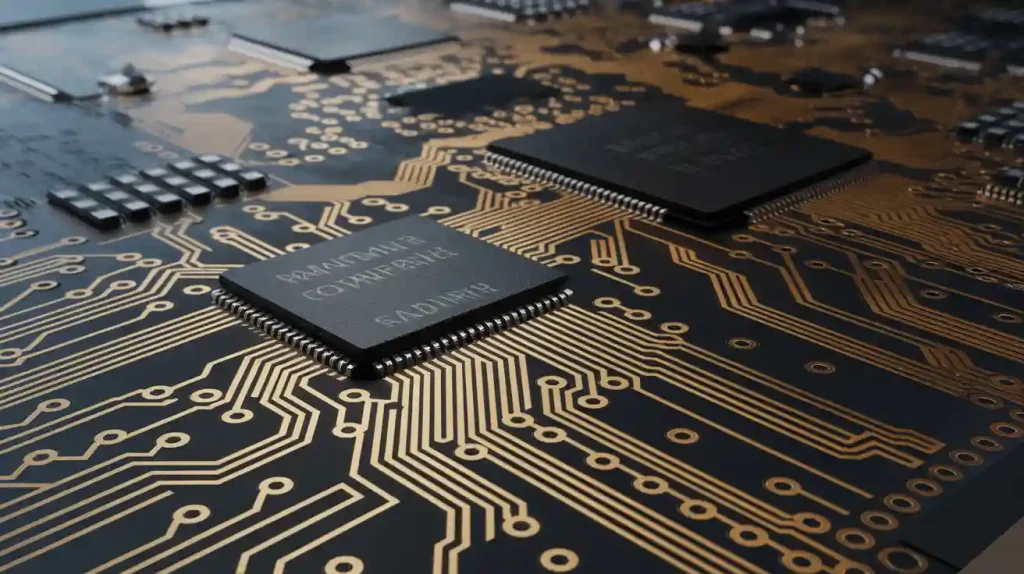
Explore several special surface treatments for PCBs, including ENIG, HASL, OSP, and more, to enhance durability, solderability, and performance.
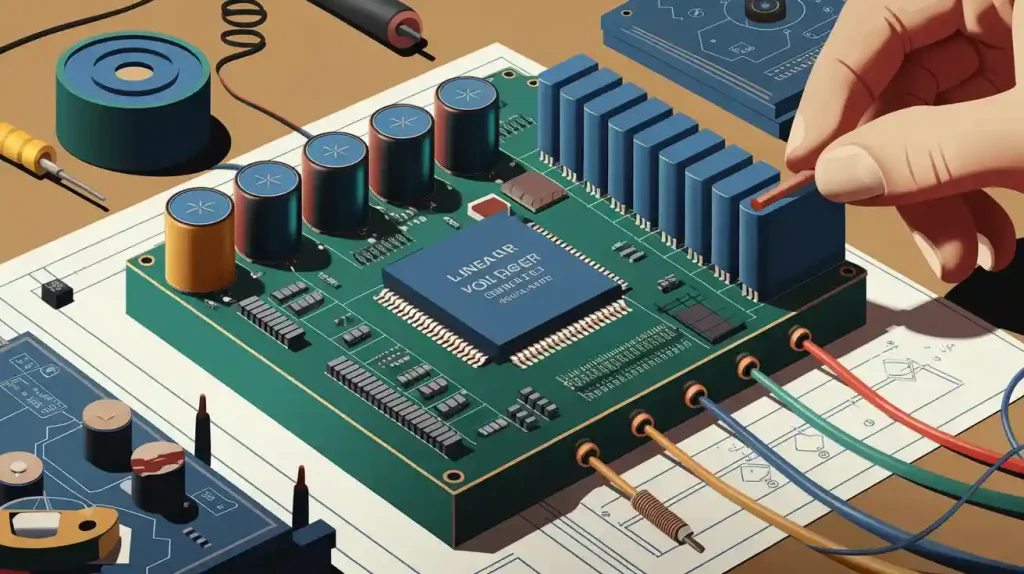
Design reliable circuits with linear voltage regulators by managing heat, reducing noise, and ensuring stability for clean and steady power delivery.
Essential Tips for Designing Linear Voltage Regulator Circuits Read More »
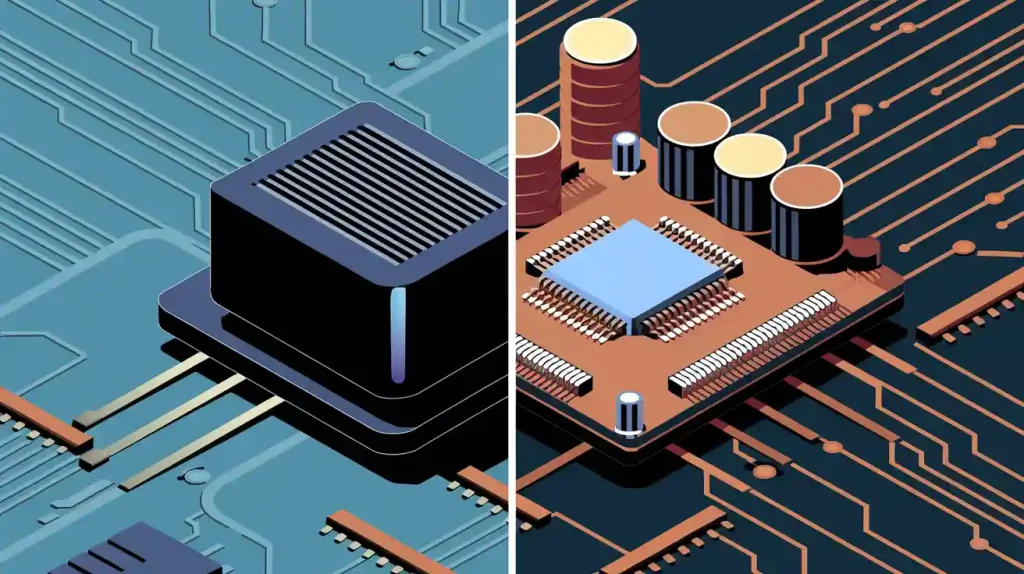
Compare linear voltage regulators and switching regulators. Learn their efficiency, noise levels, heat management, and ideal applications for your devices.
Linear Voltage Regulators VS Switching Regulators Key Differences Explained Read More »
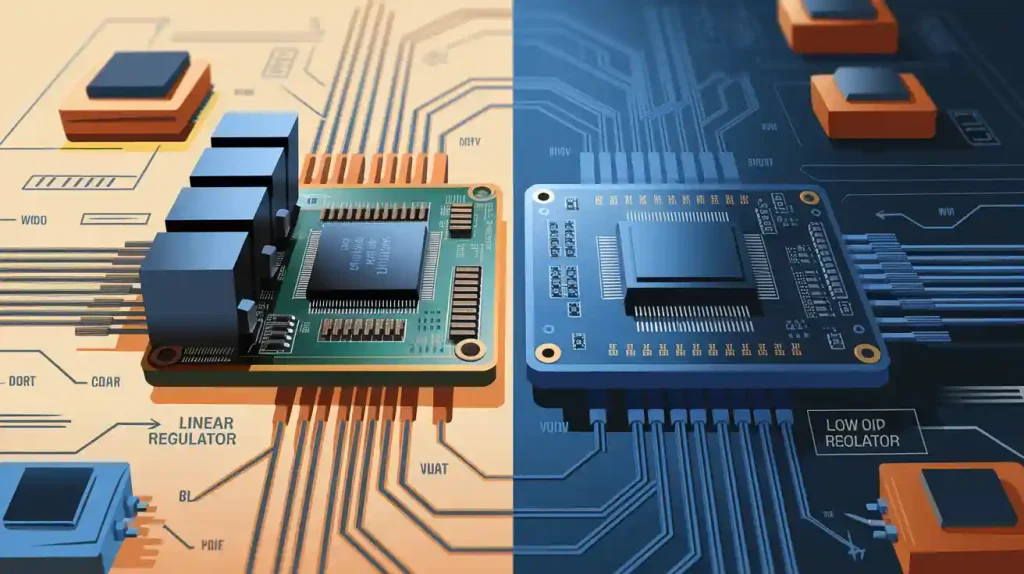
Understand the key differences between linear and low-dropout regulators. Learn how LDOs excel in low-voltage, low-noise applications like battery devices.
Linear Regulators vs Low Dropout Regulators Key Differences Explained Read More »

Optimize circuit efficiency with low-dropout regulators. Learn how LDOs enhance stability, reduce noise, and conserve energy in modern electronic designs.
How to Use Low-Dropout Regulators for Efficient Circuit Design Read More »

Compare PID controllers to advanced methods like MPC and FLC. Learn which control system suits simple tasks or complex, dynamic processes better.
Comparing PID Control to Advanced Control Techniques Read More »
Dear Customers, Please be informed that our company will be closed from May 1st (Thursday) to May 3rd (Saturday), 2025, for the Labor Day holiday. We will resume normal operations on May 4th (Sunday), 2025. If you have any urgent inquiries or requests during this period, please feel free to email us, and we will
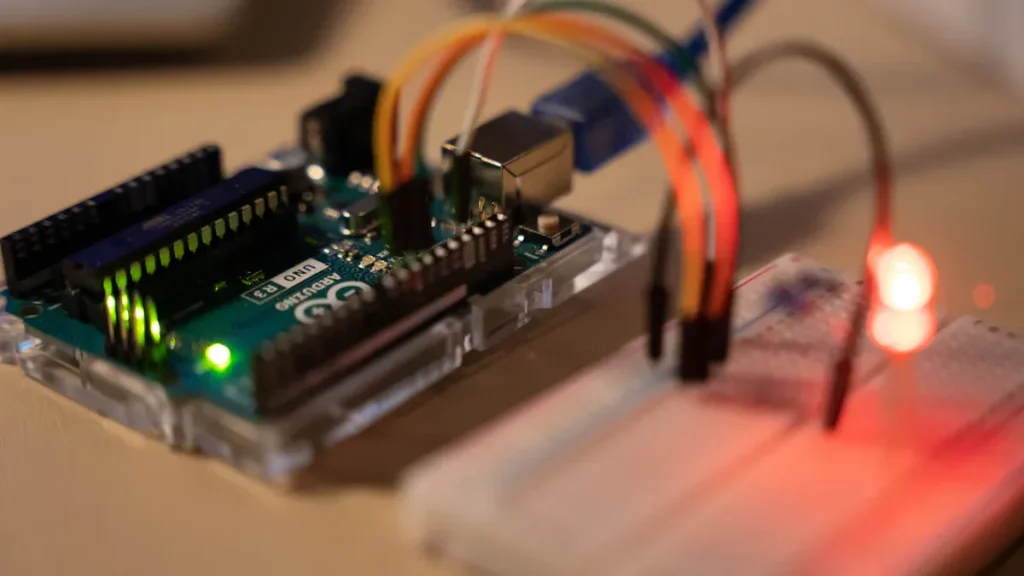
Learn how to become an expert electronics design engineer with essential skills, certifications, and career tips to excel in this dynamic field.
How to Become an Expert Electronics Design Engineer Read More »

Compare ENIG PCB and ENEPIG finishes. Learn which is better for your project based on cost, durability, and performance in advanced applications.
Which PCB Surface Finish is Better: ENIG or ENEPIG? Read More »

Compare ENIG PCB and Hard Gold finishes to decide which suits your needs. Learn about cost, durability, solderability, and application-specific benefits.
Which PCB Surface Finish is Better ENIG or Hard Gold Read More »
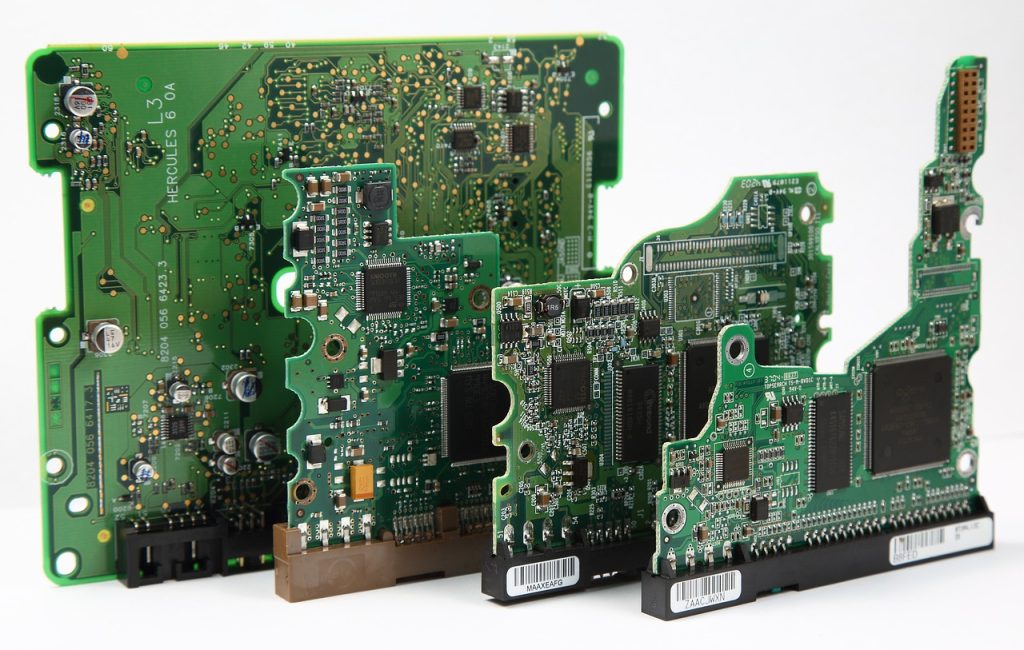
Enhance signal integrity in high-speed PCB layout design with strategies to reduce EMI, control impedance, and optimize trace routing for better performance.
Improving Signal Integrity in High-Speed PCB Layouts Read More »
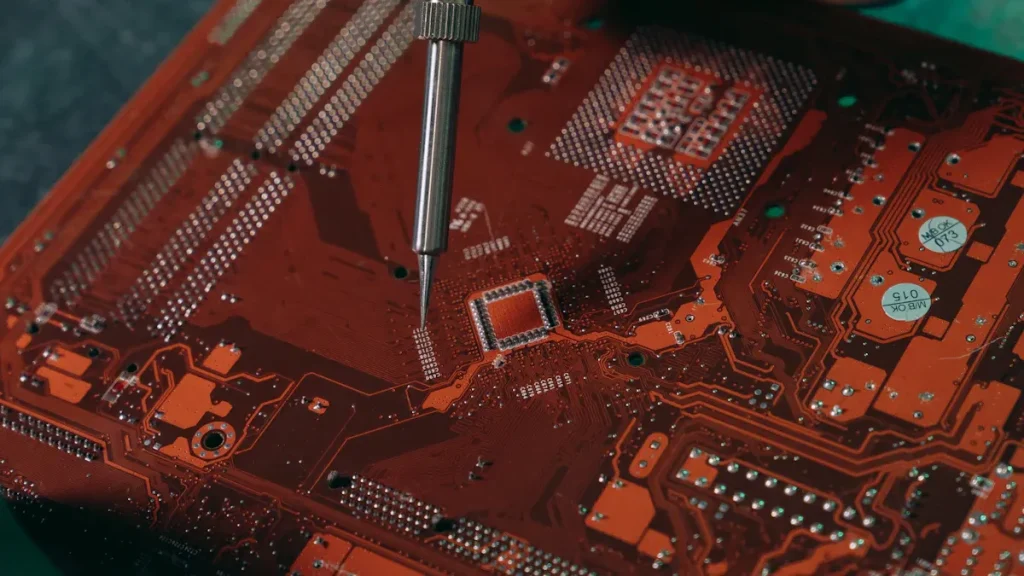
Lead-free HASL and leaded HASL differ in composition, cost, and eco-friendliness. Learn how these HASL PCB finishes impact soldering and durability.
Lead-Free HASL vs Leaded HASL Explained for PCB Applications Read More »
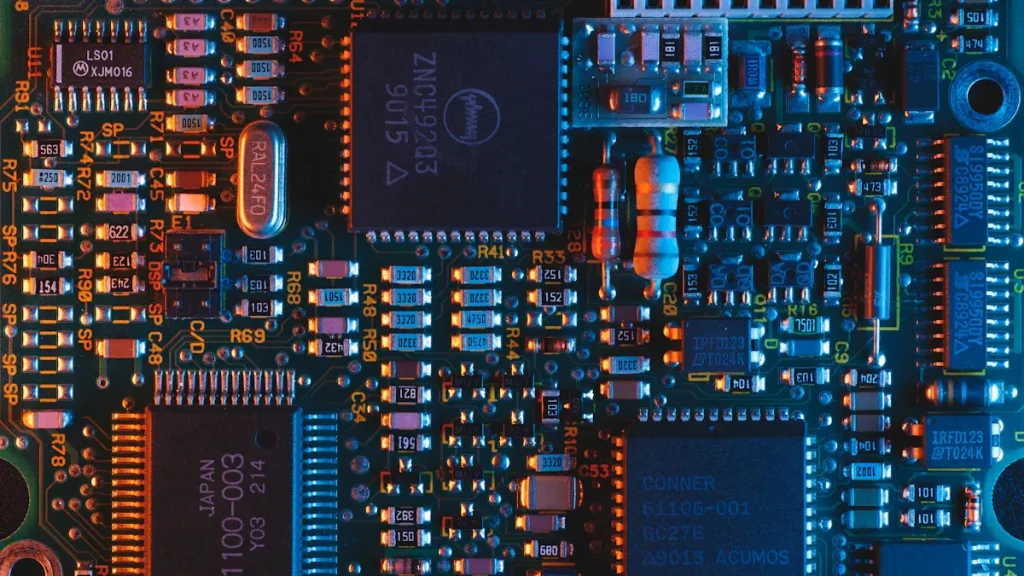
ENEPIG PCB finish offers superior corrosion resistance, solderability, and durability, making it the ideal choice for advanced tech like aerospace and medical devices.
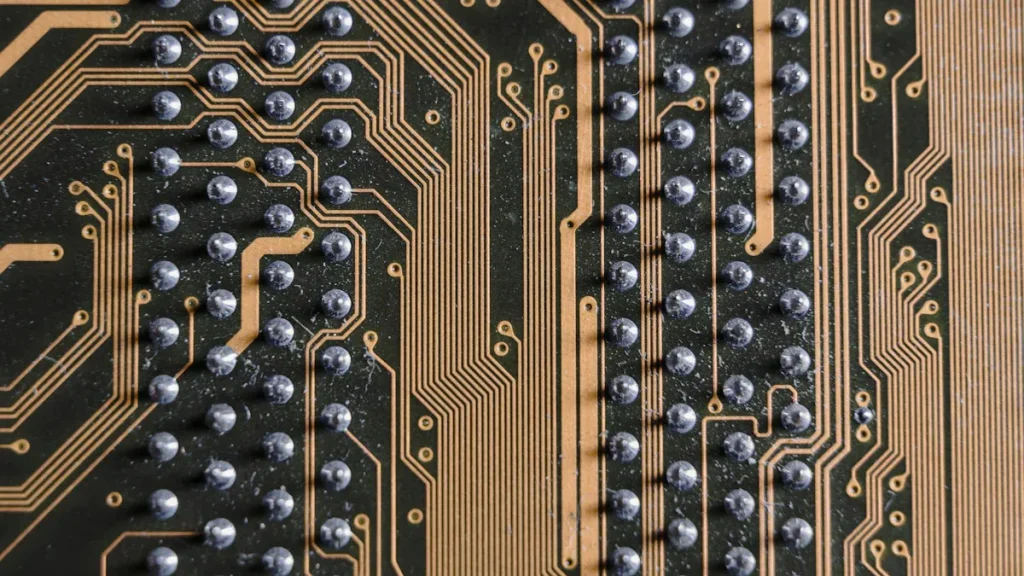
ENIG PCB is a surface finish using nickel and gold to protect copper, resist corrosion, and ensure excellent solderability for reliable electronics.

Compare HASL and ENIG PCB finishes to find the best fit for your project. Learn how cost, durability, and precision impact your PCB design choice.
HASL vs ENIG Which PCB Surface Finish is Right for You Read More »
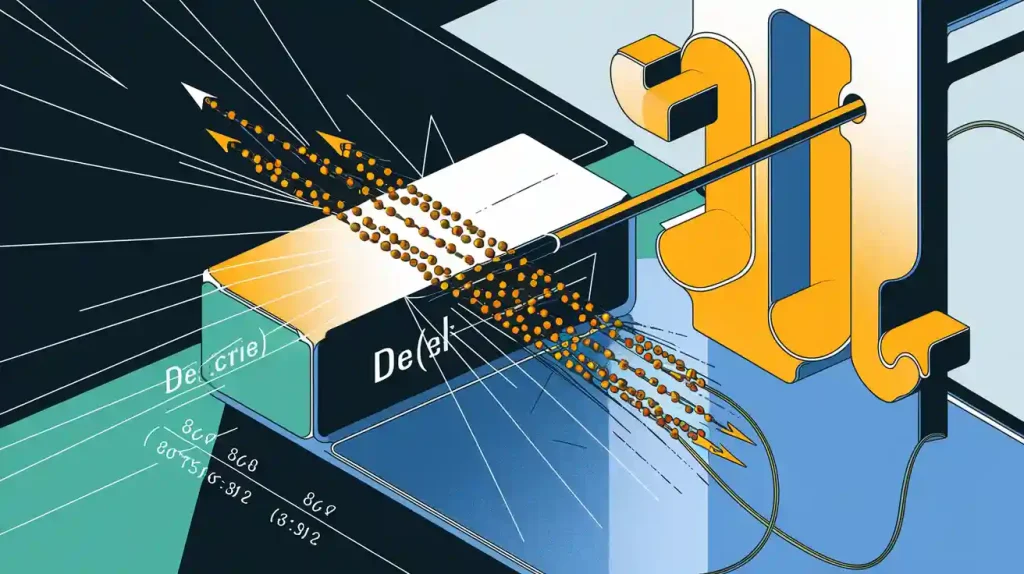
The dielectric constant, or relative permittivity, measures a material’s ability to store energy in an electric field. Calculate it using κ = ε / ε₀.
What Is Dielectric Constant and How to Calculate It Read More »