You can find flexible PCBs in many electric vehicles. These flexible printed circuit boards help make car electronics smaller and lighter. Reports say flexible PCBs are about 15% of the PCB market in EVs. Their use is growing fast because they bend and fit in small spaces. Flexible circuit board technology helps build safe and energy-saving car systems. You get better heat control, strong vibration resistance, and more advanced uses. With FPC and flex PCBA, you can support important car electronics and new technology.
Flexible PCBs help make small, light, and strong parts for things like battery management and power control.
Their flexibility helps make parts even smaller and fit more things together, which saves energy and makes cars safer.
FPC and flex PCBA can handle tough car conditions, so every circuit lasts longer and works well.
Key Takeaways
Flexible PCBs help make electric vehicles lighter and smaller. They fit into small spaces and cut down on wiring weight.
They make cars more reliable by handling heat, shaking, and bumps. This helps car electronics last longer.
Flexible PCBs let designers make smart and small designs. These are used for safety, battery management, and infotainment systems.
Using flexible PCBs makes wiring easier and lowers mistakes. They also help batteries work better and stay safe.
Flexible PCBs cost more at first, but they save money later. They last longer and make assembly easier.
Flexible PCB Benefits
Space and Weight
If you want your electric vehicle to drive farther, making it lighter helps. Using a flexible pcb instead of a regular wiring harness can cut the harness weight by 60-75%. This happens because flexible circuit boards are flat and do not need extra things like tape or clips. When the car is lighter, it uses less energy. This means you can drive more miles and save power.
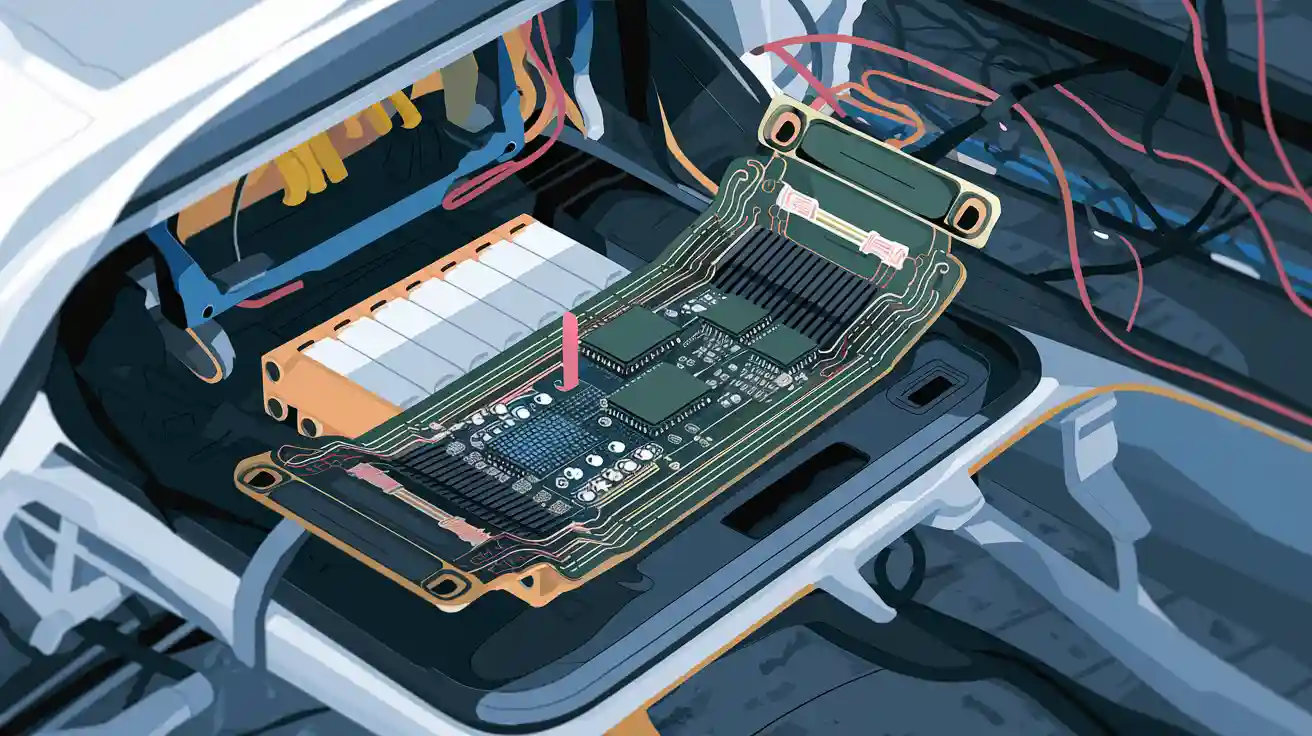
Flexible pcba also helps you use less space. You can bend and fold the flex pcb design to fit into small places in the car. This lets you put more electronic parts in tiny areas. You can build small battery management systems, power control units, and infotainment modules. The thin and light fpc and flex pcb assembly make it easier to design smaller cars that work better.
Tip: Flexible circuit boards save space and weight. They also lower the number of connectors and cables. This makes building the car faster and helps stop wiring mistakes.
Reliability
Electric vehicles face hard conditions every day. Heat, shaking, and bumps can hurt regular pcbs. Flexible pcb assembly uses special materials like polyimide that can handle very hot and cold temperatures, from -40°C to 165°C. Flex pcb design adds stiffeners and coatings to protect against strong shaking and shocks.
Flex pcba must pass tough tests like Thermal Cycling Tests, Thermal Shock Tests, and Temperature-Humidity Bias Tests. These tests make sure the circuit works even when the temperature changes fast or it gets wet.
Automotive electronics must survive lots of movement and bumpy roads. Flex pcb assembly can bend over 100,000 times, so the circuits last longer.
The light and bendy fpc lets you put circuits in small spaces. This makes wiring easier and helps the system work better.
You can trust flexible pcb and flex pcba to keep your car’s electronics working well, even in rough places.
Design Flexibility
Modern electric vehicles need smart features like ADAS, sensors, and infotainment. These systems need tricky layouts and lots of wires. Flexible pcb design lets you bend, twist, and fold the circuit to fit around corners and into small spaces. This helps you deal with size and space problems in car electronics.
Design Constraint | How Flexible PCBs Overcome It |
|---|---|
Size and Space Limitations | Flex pcba can bend and fold, so layouts are smaller and space is used better. |
Vibration and Mechanical Stress | Flex pcb assembly is strong and bendy, so it handles shaking and stress. |
Thermal Management | Flex pcb design is lighter and can help with heat and cooling. |
Electromagnetic Interference (EMI) | Flex pcb uses shields and layouts to keep signals clear and lower EMI. |
Safety and Reliability | Flex pcb assembly uses strong materials and smart designs for better safety and reliability. |
You can use flex pcb assembly to make designs that can change and grow. This means you can add new features or upgrade systems without big changes. Design flexibility also helps you put sensors and antennas in the best places for safety and performance. For example, flex pcb assembly can connect ADAS sensors, cameras, and communication modules. This makes your car smarter and safer.
Note: Flexible circuit boards help you meet tough car safety rules. They make it easier to pass tests for reliability and performance, which is important for every electric vehicle.
Flexible pcb and flex pcba help build smart, strong, and efficient car electronics. Their bendy shape, light weight, and good performance make them the top choice for today’s electric vehicles.
EV Battery Packs
Battery Management
EV battery packs give power to your electric car. Each pack has a battery management system inside. This system helps every battery cell work well. Flexible PCBs are very important here. They are in the cell contact system. They link each battery cell to the main control board. This setup lets you check the voltage of each battery cell. You can also control how each cell charges or discharges.
Flexible PCBs help save space and make the battery pack lighter.
You can put complex circuits in small spaces. This makes the battery management system smaller and lighter.
The flexible design lets you add sensors, like thermistors, right on the PCB. These sensors watch temperature changes all the time.
You get quick and correct data about each battery cell. This helps you find problems early.
Using flexible PCBs makes wiring much easier. You do not need big cables or extra connectors. This lowers mistakes when building and helps your battery pack last longer.
Safety and Monitoring
It is very important to keep your battery safe. Flexible PCBs help by adding smart monitoring and protection features. You can put sensors that check for overheating, too much current, or short circuits. The flexible PCB can also help find if a battery cell is not fully charged during slow charging.
Flexible PCBs let you make custom layouts for different battery shapes and sizes.
You can add features to find and stop problems before they get bad.
The flexible PCB can handle heat and shaking. This keeps your battery working in tough places.
A new flexible sensor can measure temperature and pressure right on the battery. This sensor works fast and gives you lots of details. You can spot overheating early. With these tools, you keep your battery safe and help it last longer.
Tip: Flexible PCBs help you build battery packs that are safe, strong, and work well in electric vehicles. You get better performance and feel more at ease.
Automotive Electronics Applications
ADAS and Sensors
Every year, electric vehicles get more ADAS features. These systems help keep you safe while driving. Flex pcba and fpc make these safety tools work. You can find flex circuits in sensors, cameras, and radars. These parts must fit into very small spaces. Flexible pcb and rigid-flex designs let you put circuits around corners and in tight spots.
Flex pcba lets you fit many parts close together. This helps handle lots of data from cameras and sensors.
Fpc and flex circuits move high-speed signals fast. This is needed for safety features like lane-keeping and crash alerts.
Car electronics face heat, shaking, and wetness. Flex pcba and fpc keep circuits working even when it is tough.
These flexible parts help your car work better and stay safe. Your car can react quickly and protect you.
Infotainment Systems
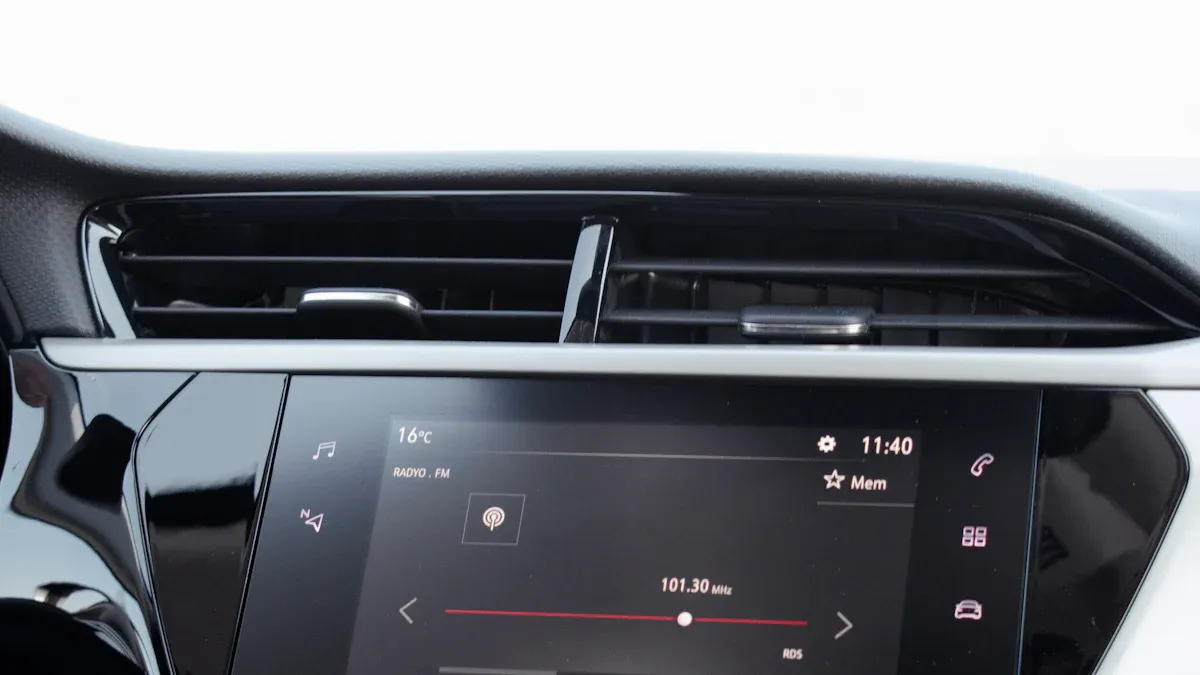
Infotainment systems give you music, maps, and more. You want these systems to look nice and work well. Flex pcba and fpc help make slim screens and touch panels. You can put circuits in the dashboard or steering wheel.
Role/Benefit | Explanation |
|---|---|
Space Optimization | Flex circuits bend and fold to fit in small dashboard spaces. |
Durability & Reliability | Flex pcba stands up to shaking and heat, so your system lasts longer. |
Weight Reduction | Fpc and flex designs remove heavy cables, making your car lighter. |
Design Flexibility | You can make new shapes and features for your infotainment system. |
You get more features and a better look with less weight. Flex pcba makes your infotainment system strong and dependable.
Communication Modules
Communication modules help your car connect to the world. You use these for GPS, wireless updates, and emergency calls. Flex pcba and fpc are important for these car electronics.
Flex circuits help send and get data fast. Your car can share information quickly.
Fpc and flex pcba use fewer connectors. This means there are fewer places where things can break.
Flex pcba lets you make small modules. This saves space and weight, so your car works better.
You need strong and steady communication for safety and updates. Flex pcba and fpc give you this. These circuits keep your car connected and ready for new things.
Tip: Flex pcba and fpc are important for many car electronics. You get better performance, more features, and safer driving.
Materials and Manufacturing
Substrate Materials
When you look at flex pcba in electric vehicles, the materials are very important. Polyimide is the main substrate for flex and flex pcb assembly. Polyimide gives many good things:
Polyimide can handle high heat, so flex circuits work well during tests and in real cars.
This material bends and twists but does not break. That is good for flex pcb fabrication in tight spots.
Polyimide keeps electricity inside the circuit, so your circuits stay safe even with high voltage.
You can put coatings on polyimide to make flex pcba last longer and work better.
Other materials like FR-4 and polyethylene naphthalate (PEN) are used in some flex pcb assembly designs. FR-4 is good for rigid-flex pcba, but it does not handle heat as well as polyimide. PEN helps keep out water, which is helpful in some tests.
Polyimide is strong but light. This helps make lighter cars. Lighter cars can go farther on one charge. Flex pcba fits into small, odd-shaped spaces, so battery packs and sensors work better.
Production Challenges
Making flex pcba for electric vehicles is not easy. You must follow strict rules for flex pcb fabrication and assembly. Here are some main problems:
Challenge | What It Means for You |
|---|---|
Material Selection | Polyimide and copper must stick together for strong flex circuits. |
Precision | You need exact lines and tiny holes for good flex pcba and tests. |
Thickness Control | Flex pcb assembly must be the right thickness to fit and work well. |
Surface Treatment | Special finishes like ENIG stop rust during tests and use. |
Supply Chain | Not enough materials can slow flex pcb fabrication and make it cost more. |
Regulations | You must use eco-friendly materials and safe flex pcba production to follow new rules. |
Flex pcba costs more than rigid boards. Polyimide and other flexible materials are more expensive, and flex pcb fabrication takes more time. But you save time and money when putting parts together because flex pcba uses fewer parts and steps. Flex circuits also resist shaking better, which is proven in tests. They can handle up to 10G forces, so they are great for tough car conditions.
Testing is very important for flex pcb assembly. You must check every flex pcba for strength, bending, and electrical safety. Tests include heating and cooling, wetness, and shaking. These steps make sure your flex pcba will last in real cars.
Tip: Always pick a manufacturer with good flex pcb fabrication and testing. This helps you avoid problems and keeps your electric vehicle safe and working well.
You see how flex and flex pcba shape the future of electric vehicles. As more drivers choose EVs, you find flex pcba in more places, from battery packs to safety systems. Flex pcba lets you build lighter cars and add new features. With flex, you solve tough design problems and keep your car safe. New materials and technology make flex pcba even stronger. You can trust flex pcba for many applications as the market grows fast. Flex pcba will lead the way as electric vehicles become smarter and more advanced.
FAQ
What is a flexible PCB?
A flexible PCB is a thin circuit board that bends. You can twist or fold it to fit in tight spots. This helps when there is not much room in electric vehicles.
Why do electric vehicles need flexible PCBs?
Flexible PCBs help save space and make cars lighter. They also handle heat and shaking better than normal boards. This means your car can last longer and stay safe.
Can flexible PCBs handle high temperatures?
Yes! Flexible PCBs use polyimide, which is very strong. It works from -40°C up to 165°C. Your car’s electronics stay safe in hot or cold weather.
Are flexible PCBs more expensive than regular PCBs?
Type | Cost |
|---|---|
Flexible PCB | Higher |
Rigid PCB | Lower |
Flexible PCBs cost more than regular ones. But you save money later because they need fewer parts and last longer.