You can see flexible pcbs change how electric vehicles are made. These flexible pcbs help circuits fit into small spaces. This makes each electric vehicle lighter and smaller. You save space and weight, so your ev uses energy better. With fewer wires, there are fewer issues. This helps your vehicles work better. Flexible pcbs also help your ev handle heat well. This keeps the system safe and helps it last longer.
Key Takeaways
Flexible PCBs help save space and weight in cars. They bend to fit into small, tight spots. This makes cars lighter and more efficient.
They help use energy better by needing fewer wires. This lowers resistance. Batteries last longer. Cars can go farther on one charge.
Flexible PCBs are strong and dependable. They can handle heat, shaking, and bending. They do not break easily. This keeps cars safer and stronger.
These circuits are found in many car parts. They are in sensors, lights, battery packs, and control units. They help cars work better and smarter.
New flexible PCB technology will help future cars. Electric and self-driving cars will be smaller and safer. They will be more powerful. Data will move faster. Designs will improve.
Flexible PCBs in Electric Vehicles
What Are Flexible PCBs
You can find flexible PCBs in many new cars. These circuits use bendy materials like polyimide, not hard fiberglass. This lets them bend and twist to fit small spaces in your electric vehicle. They can handle shaking and heat, which happen a lot in cars. There are different kinds of flexible PCBs in vehicles:
Single-layer flexible PCBs are used for simple things like door controls.
Double-layer flexible PCBs help with harder jobs, like engine control units.
Multi-layer flexible PCBs work in places with lots of circuits, like battery management.
Hybrid flexible/rigid PCBs mix bendy and stiff parts, good for steering columns.
Flexible circuit tape links tiny parts in tight spots, like LED lights.
Flexible heated circuit boards keep mirrors and windshields clear when it’s cold.
Flexible printed electronics use copper lines and covers to protect the circuits. These materials make flexible PCBs light and tough. The circuits fit into weird shapes and help save space and weight in your EV.
Tip: Flexible PCBs use polyimide, which works from -40°C to 85°C. This helps your electric vehicle run in hot or cold weather.
Role in Automotive Electronics
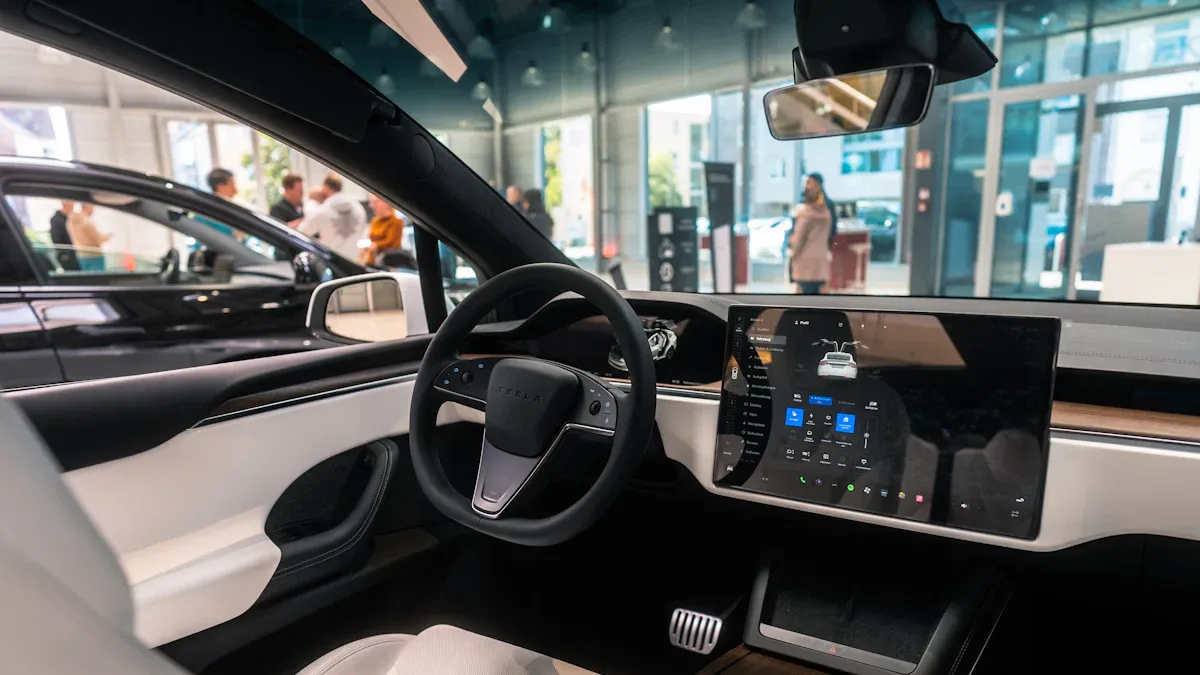
Flexible PCBs are important in car electronics. You see them in engine systems, dashboards, airbags, and lights. They let you connect parts in small, odd spaces. This means you need fewer big wires and connectors. Your car gets lighter and works better.
Flexible printed electronics help you build small, strong systems. They take in shaking and heat, so your EV can handle bumpy roads and tough weather. Flexible PCBs also help with fast data for things like self-driving. In a hybrid electric vehicle, you find flexible PCBs in battery packs and power parts. These circuits help your EV save energy and last longer.
Here is a quick look at flexible and rigid PCBs:
Aspect | Flexible PCB | Rigid PCB |
|---|---|---|
Substrate Material | Flexible polymer (polyimide) | Rigid fiberglass (FR4) |
Flexibility | Can bend, fold, twist | Cannot bend or flex |
Weight | Lightweight, saves vehicle mass | Heavier |
Application | Compact, complex shapes, vibration resistance | Stable support for large components |
Flexible printed circuits and flexible printed electronics help you make electric vehicles smaller, lighter, and stronger. You see these good things in every new EV.
Benefits of Flexible PCBs
Space and Weight Savings
Flexible PCBs help make electric vehicles smaller and lighter. These circuits can bend and twist to fit tight spaces. You can put them in odd-shaped spots inside the car. This lets you use all the space in your vehicle. You do not waste any room. Flexible PCBs help you place parts where you need them most. This is important for modern automotive electronics.
When you use flexible PCBs, you need fewer heavy wires. This can lower the weight of your vehicle by up to 75%. Lighter cars use less energy to move. You also get more space for things like batteries or safety features.
Note: Flexible PCBs let you design small circuit layouts. You can fit them into tight or weird spaces in your car. This helps your car work better and use space wisely.
Energy Efficiency
Flexible PCBs help your electric vehicle use energy better. When you remove big wires and connectors, you lower resistance in the circuits. Less energy is lost as heat. Your battery lasts longer, and your car can go farther on one charge.
Flexible PCBs are light, so your car needs less power to move. This helps you get the most from your battery. In cars, saving energy is very important. Flexible PCBs help you use less energy and make your battery last longer.
Reliability and Heat Dissipation
Flexible PCBs make your car more reliable. You use fewer wires and connectors, so there are fewer things that can break. This is important because cars shake and get hot. Flexible PCBs can handle bending and shaking without breaking.
Here is a table that shows how flexible PCBs help cars work better in tough places:
Aspect | Description | Benefit for Vehicles |
|---|---|---|
Reduced Interconnects | Fewer connectors and wires | Fewer failure points |
Dynamic Flexibility | Can bend and flex millions of times | Works well in moving or vibrating parts |
Enhanced Reliability | Stays strong under vibration and temperature changes | Less risk of breakdowns |
3D Design Integration | Mixes rigid and flexible layers for easy assembly | Fewer bulky connectors, better reliability |
Material Selection | Uses polyimide for flexibility and thermal stability | Handles heat and cold in vehicles |
Testing and Standards | Passes strict bend, thermal, and peel strength tests | Meets high standards for automotive use |
Flexible PCBs also help your car handle heat. Materials like polyimide spread heat away from important parts. This keeps your electronics safe and working longer. You get fewer problems and need fewer repairs.
Tip: Flexible PCBs are tested to meet tough rules. They work well even when your car shakes a lot or gets very hot or cold.
Applications in Automotive Electronics

Flexible PCB for Sensors
Flexible pcbs are used in many car sensors. They fit into small, odd spaces where rigid boards cannot go. You can use a flexible pcb for sensors like proximity, pressure, or temperature sensors. These sensors help your ev find objects, check air pressure, or watch battery temperature. Flexible pcbs keep signals strong and clear, which is important for sensor integration. They also resist shaking and bumps, so your sensors work well on rough roads.
Here is a table that shows what flexible pcbs must do for sensors:
Performance Requirement | Description and Parameters |
|---|---|
Material Selection | Polyimide films handle heat and chemicals |
Bend Radius Limitations | Must bend without breaking (10x thickness) |
Signal Integrity | Keeps signals clear, reduces interference |
Vibration Resistance | Absorbs shocks, prevents cracks |
Lightweight Construction | Makes vehicles lighter, improves battery life |
Passes tough tests for millions of cycles | |
Compact Design | Fits into tight, curved spaces |
Flexible pcbs make it easier and more reliable to add sensors to all kinds of cars.
Flexible PCB for Lighting
You can use a flexible pcb for lighting inside and outside your car. These circuits bend to fit curved headlights, taillights, and LED strips. Flexible pcbs let you design cool, modern lights that save space. They also help your lights handle heat and shaking, so they last longer.
Flexible pcbs for lighting use a special coverlay to protect from heat, dust, and water. This keeps your lights working in all weather. You get bright, even lighting that looks good and works well.
Tip: Flexible pcbs in lighting can handle up to 2 amps per trace, so you get strong, reliable light for your ev.
Battery Modules and Power Management
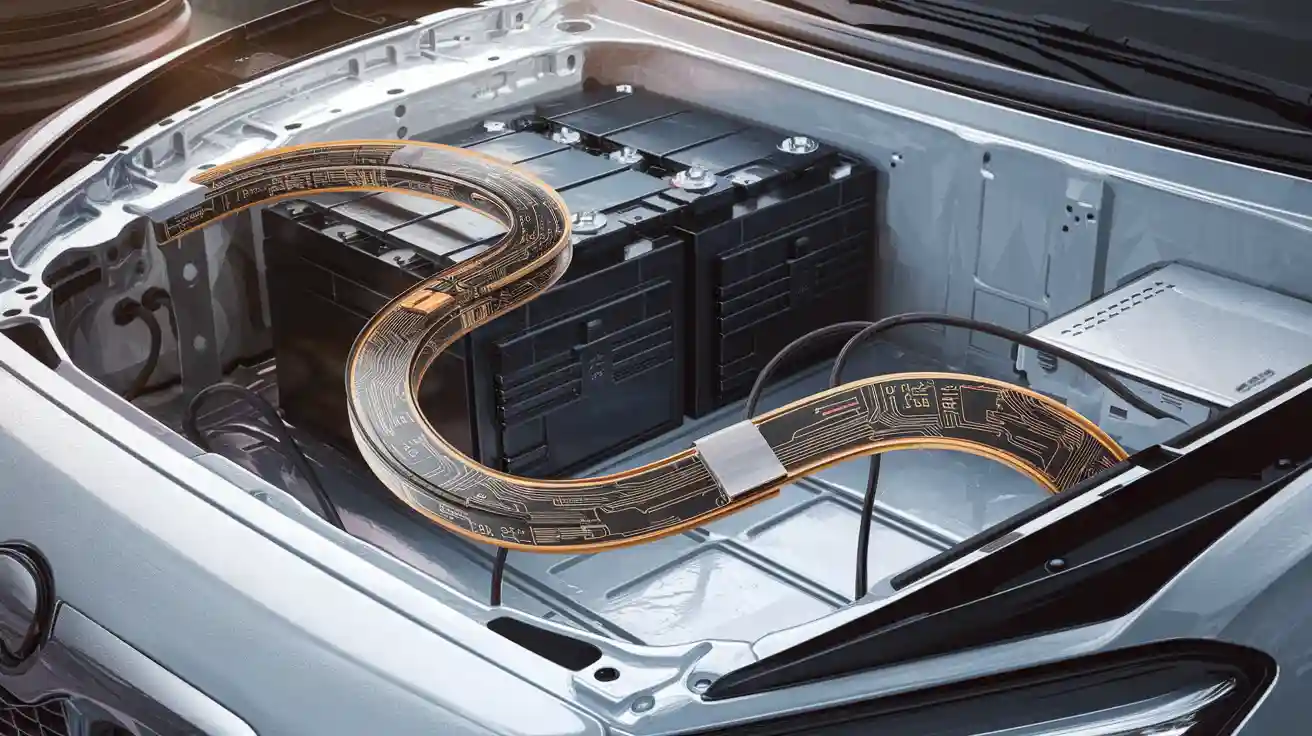
Flexible pcbs are important in battery management for your electric car. They connect battery cells to the control unit, making sure each cell works safely and well. Flexible pcbs help you watch, balance, and control the battery. This keeps your battery healthy and helps your ev go farther.
You can fit flexible pcbs into tight battery packs. They replace heavy wires, save space, and make assembly faster. These circuits handle high currents, sometimes up to 10 amps per trace, which is important for power management. Flexible pcbs also resist shaking and bumps, so your battery systems stay reliable.
Here are some ways flexible pcbs are used in your ev:
Battery management systems
Sensor integration for safety and performance
Lighting systems for style and function
Motor control units
Power distribution modules
These new uses for flexible pcbs help make cars lighter, safer, and more efficient. You see flexible pcbs in almost every part of modern car electronics. The ways to use flexible pcbs keep growing as technology gets better.
Design and Challenges
Material Selection
When you design flexible pcbs, you must pick good materials. The base layer is important for how the flexible pcbs work in electric vehicles. You want materials that can handle heat and bend without breaking. They should also last a long time. Polyimide is a top choice because it stays strong in high heat and bends well. Some designs use high-temp FR-4 or PTFE for special jobs. The table below shows how different base layers change how flexible pcbs work:
Substrate Property | Impact on Flexible PCBs in Electric Vehicles |
|---|---|
Thermal Stability | Polyimide and high-temp FR-4 substrates withstand high temperatures common in EVs, maintaining material integrity and longevity. |
Mechanical Strength | Polyimide substrates offer flexibility needed for compact EV designs but have lower mechanical strength than rigid FR-4, affecting durability under vibrations. |
Dielectric Loss | Low dielectric loss materials like polyimide and PTFE ensure signal integrity in high-speed EV communication systems. |
Thermal Conductivity | High thermal conductivity substrates help dissipate heat from power components, preventing overheating and extending PCB life. |
Thermal Expansion Coefficient (CTE) | Matching CTE between substrate and components prevents thermal stress, reducing risk of solder joint cracking and delamination. |
Cost | FR-4 is cost-effective but may lack some performance features; premium materials improve performance but increase cost. |
Manufacturing Compatibility | FR-4 is easier to manufacture; specialty materials like PTFE require advanced processes, impacting production feasibility. |
You should always pick materials that fit your flexible pcb design. This helps you get flexible pcbs that last longer in your electric vehicle.
Durability
Flexible pcbs in electric vehicles must be tough. Cars go over bumps and shake a lot. These movements can hurt flexible pcbs and cause problems. To keep them working, you need to make them strong. Here are some main problems and ways to fix them:
Vibration and shaking from rough roads can hurt flexible pcbs.
These stresses might cause cracks or breaks in the circuits.
You can use strong materials and add shock-absorbing layers.
These steps help flexible pcbs survive in hard places.
You also need to test flexible pcbs to make sure they last. Common tests include:
Using rules like AEC-Q100, IPC-A-600, IPC-A-610, and ISO 26262.
Doing Accelerated Life Testing, Vibration Testing, and Thermal Shock Testing.
Using HALT to check how flexible pcbs handle heat, cold, and shaking.
These tests help you trust flexible pcbs in every electric vehicle.
Manufacturing
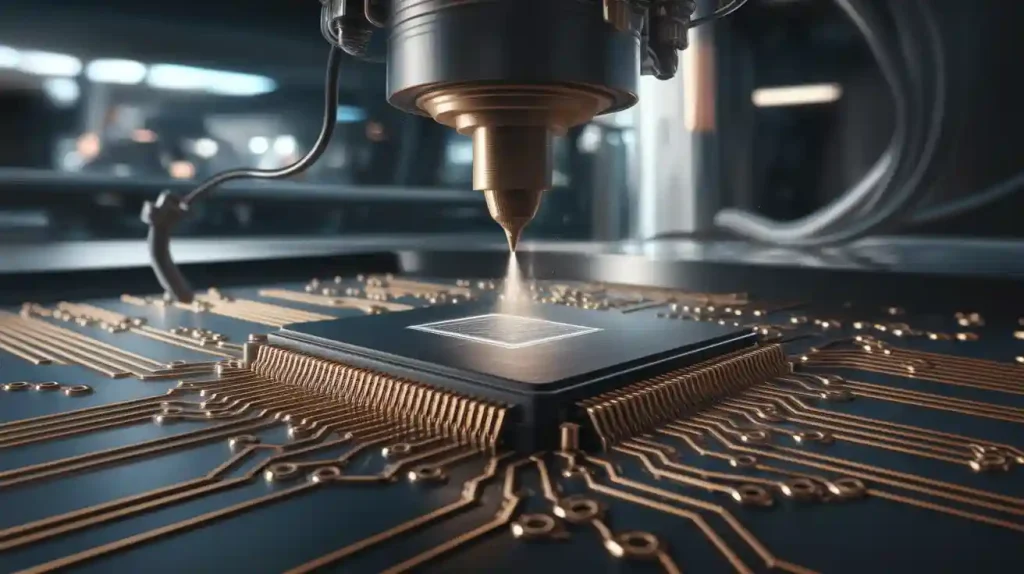
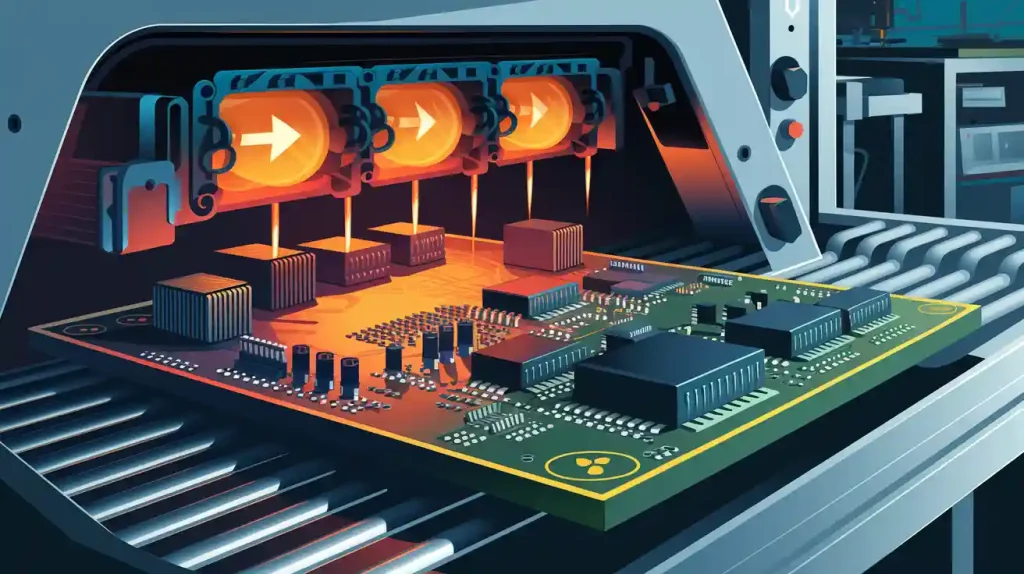
Making flexible pcbs for electric vehicles needs skill. You must follow strict rules to get good flexible pcbs. Special machines cut, print, and put together the circuits. The work area must be clean to stop dust and damage. Careful work helps flexible pcbs meet safety and quality rules. When you use the right materials and tests, you get flexible pcbs that work well and last a long time in your car.
Future Trends
Technology Advances
You will see many new changes in flexible pcbs for cars. Engineers now make 8-layer HDI rigid-flex pcbs. These new boards set higher standards for how they work. You get better signals because of special via structures. These include blind, buried, and plated via fills. These features help circuits work faster and more reliably.
Manufacturers use materials like polyimide, copper, and FR4. These help flexible pcbs handle heat, shaking, and strong currents. New surface treatments like ENIG are also used. This process helps boards solder better and last longer.
Here are some important advances in flexible pcbs for cars:
8-layer HDI rigid-flex designs give more power and control
Advanced via structures keep signals clear and strong
Good material choices help with heat and vibration
Thin ENIG coatings help with soldering and durability
Tight tolerance control (±0.1mm) helps with assembly
Over 16 years of skill in making flexible pcbs for cars
These advances help you get safer and smarter vehicles. Flexible pcbs now meet the tough needs of autonomous and electric cars.
Integration in Electric Vehicles
You will see flexible pcbs in every new electric car. These boards fit into small spaces and connect many systems. You can use flexible pcbs in battery packs, sensors, and lighting. This makes your car lighter and easier to build.
Flexible pcbs also help with self-driving cars. These cars need fast data and strong connections. Flexible pcbs give you the speed and reliability needed for these features. You will see flexible pcbs in radar, cameras, and control units.
As more companies use flexible pcbs in electric vehicles, you will see even more uses. They help save space, cut weight, and boost safety. You get cars that last longer and work better in all conditions.
🚗 Note: Flexible pcbs will be very important for the future of self-driving and electric cars. You can expect more smart features and safer rides as these boards get better.
You can see flexible pcbs help make electric vehicles lighter. They also help cars use less energy and work better. Experts think there will be big changes soon:
Ultra-thin, heat-resistant flexible pcbs could make EVs use energy better by up to 30%. They may also help batteries last longer.
Flexible pcbs will let you build smaller cars. These cars will be smarter and have faster data for self-driving.
New safety rules mean flexible pcbs must work with real-time 5G data.
If you design or build electric vehicles, you should try using flexible pcbs in your next project.
FAQ
What makes flexible PCBs better than traditional wiring in electric vehicles?
Flexible PCBs can bend to fit small spaces. You do not need as many wires, so your car is lighter. They handle heat and shaking better than old wires. This helps your electric vehicle last longer and work well.
Can flexible PCBs handle high temperatures in electric vehicles?
Yes, flexible PCBs work in hot and cold weather. Polyimide is a material that works from -40°C to 85°C. This keeps your circuits safe and strong in tough weather.
Where do you find flexible PCBs in an electric vehicle?
Flexible PCBs are in battery packs, lights, sensors, and dashboards. They also connect control units and power modules. These boards help save space and make cars easier to build.
How do flexible PCBs improve energy efficiency?
Flexible PCBs use less copper and fewer connectors. This lowers resistance and stops energy loss as heat. Your battery lasts longer, and your car can go farther on one charge.
Are flexible PCBs safe for use in electric vehicles?
Flexible PCBs pass hard tests for heat, shaking, and bending. You can trust them to meet car safety rules. These tests help stop problems and keep your electric vehicle safe.