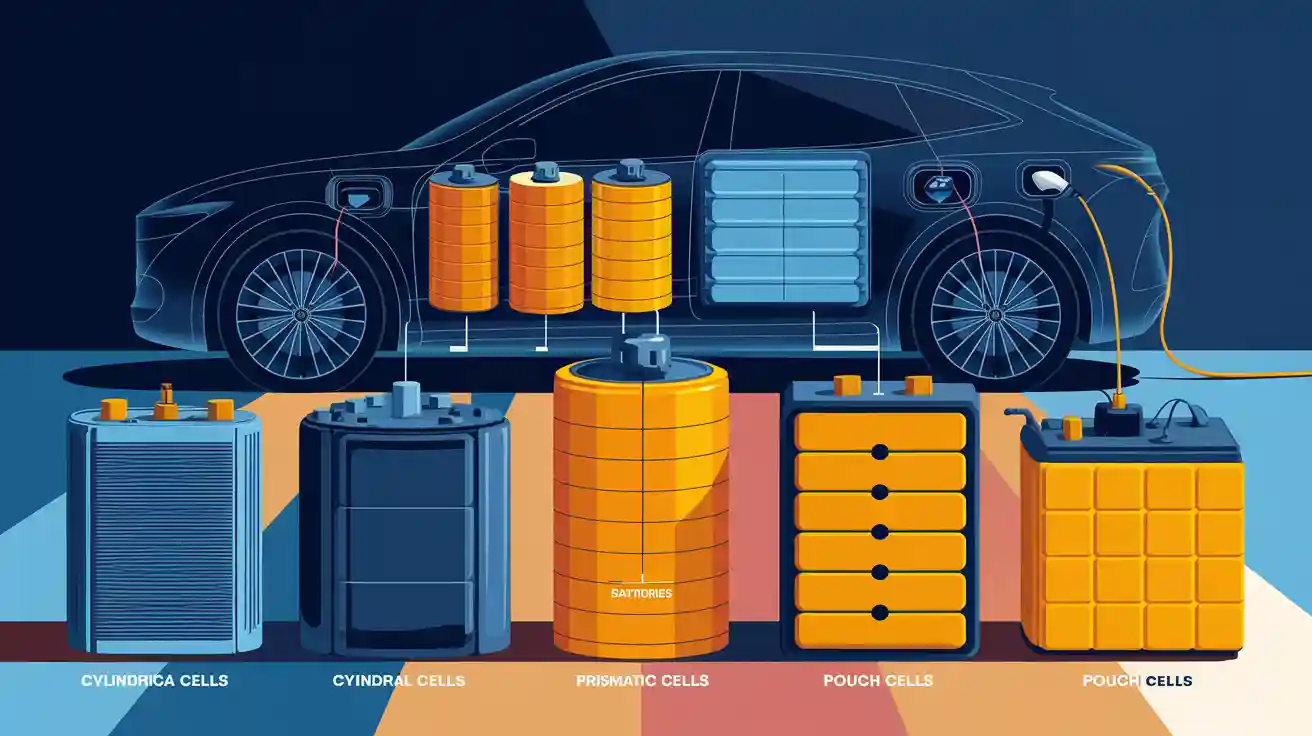
You can find many types of electric vehicle batteries today. These include lithium-ion, nickel-metal hydride, lead-acid, solid-state, and ultracapacitors. Knowing the differences between these batteries helps you choose better. Each electric vehicle battery can change how you drive, spend money, and charge your car. If you worry about running out of power, the battery type matters a lot. Battery technology decides how far you go, how fast you charge, and what you pay.
The electric vehicle battery you pick can change your daily life and how happy you are with your car.
Types of Electric Vehicle Batteries

When you look at electric cars, you will see different EV batteries. Each battery type has good and bad points. It is important to know these differences. This helps you pick the right battery for your needs. Here is a simple guide to the main types of electric vehicle batteries you can find today.
Lithium-Ion Batteries
Most new electric cars use lithium-ion batteries. These batteries hold a lot of energy in a small size. They let you drive far and charge quickly. You can use them many times before they stop working well. Car makers like lithium-ion batteries because they are light and strong.
Note: Almost every new electric car uses lithium-ion batteries.
Nickel-Metal Hydride Batteries
Nickel-metal hydride batteries have been used for many years. You will find them in lots of hybrid cars. These batteries last a long time and can be charged many times. They do not hold as much energy as lithium-ion batteries. But they work well in cars that use both gas and electric power.
Lead-Acid Batteries
Lead-acid batteries are the oldest kind used in cars. Some electric vehicles use them, but mostly older cars or small vehicles like golf carts. These batteries cost less than other types. They are heavy and do not store much energy. That is why most new electric cars do not use them.
Solid-State Batteries
Solid-state batteries use a solid inside instead of a liquid. You will not see them in many cars yet. But they might change electric cars in the future. Solid-state batteries could give more energy, charge faster, and be safer. Many companies are trying to make them ready for everyone.
Ultracapacitors and Alternatives
Ultracapacitors store energy in a special way. They can charge and give out energy very fast. Sometimes, ultracapacitors are used with other EV batteries for quick power. Some new batteries, like flow batteries, are also being tested for future cars.
Tip: Every battery type has a special job in electric cars. You will learn more about how they work in the next parts.
You will see that each electric vehicle battery type is different. In the next parts, you will learn more about each one. You will find out how they work, what makes them special, and where you can find them in electric cars.
Lithium-Ion Electric Vehicle Batteries
Chemistries (NMC, NCA, LFP)
There are different kinds of lithium-ion in electric car batteries. The most common ones are NMC, NCA, and LFP. Each one makes the battery work in a special way. NMC and NCA have high energy density. This means your car can go farther. LFP batteries last longer and are safer. But they do not have as much energy density. You can find these lithium-ion battery packs in many electric cars.
Tip: Pick lithium iron phosphate if you want a battery that lasts longer. Choose NMC or NCA if you want to drive farther.
Features and Performance
Lithium-ion batteries work well and give strong power. They charge quickly and let you drive a long way. These batteries are lighter than old ones. You can use them many times before they wear out. They work in hot or cold weather. Lithium-ion battery packs help electric car batteries give smooth power.
Feature | Benefit for You |
|---|---|
High energy density | Longer driving range |
Fast charging | Less waiting time |
Lightweight | Better car efficiency |
Pros and Cons
It is good to know the ups and downs of lithium-ion.
Pros:
High energy density
Long lifespan
Fast charging
Lightweight
Cons:
Higher cost
Can overheat if damaged
Needs careful management
Note: A battery management system keeps lithium-ion battery packs safe.
Applications in Electric Cars
Almost every new electric car uses lithium-ion batteries. Car makers pick lithium-ion battery packs for range, safety, and cost. Electric car batteries with lithium-ion help you drive farther and charge faster. You will see these batteries in cars, buses, and trucks.
Nickel-Metal Hydride Electric Car Batteries
Structure and Operation
Nickel-metal hydride batteries use nickel and a metal mix. The positive part is nickel oxide hydroxide. The negative part is a hydrogen-absorbing alloy. Charging the battery puts hydrogen into the alloy. Using the battery lets out hydrogen to make electricity. This way, the battery can be charged and used many times.
Key Features
Nickel-metal hydride batteries last longer than older ones. They do not need much care. You can use them in hot or cold weather. These batteries store more energy than lead-acid batteries. They do not have toxic metals like nickel-cadmium batteries. This makes them safer for nature.
Tip: Nickel-metal hydride batteries can be charged and used often. They do not lose much power.
Advantages and Disadvantages
These batteries have some good points. They last a long time and work well in hybrid cars. They are safer than older batteries. You do not lose battery power if you do not charge them all the way. But they are heavier than lithium-ion batteries. They cost more than lead-acid batteries. They also do not store as much energy as lithium-ion batteries.
Advantage | Disadvantage |
|---|---|
Long lifespan | Heavier than lithium-ion |
Good safety | Lower energy density |
No memory effect | Higher cost than lead-acid |
Typical Uses
You will find nickel-metal hydride batteries in many hybrid cars. The Toyota Prius uses this battery type. These batteries work well in cars that use gas and electric power. Some older electric cars use them too. They are not common in new electric cars. But you may see them in special vehicles. If you want a safe and reliable battery, this type is good for hybrid cars.
Lead-Acid EV Batteries
Types (Starter vs. Deep-Cycle)
There are two main lead-acid batteries in electric vehicles. Starter batteries give quick power to start engines. Deep-cycle batteries give steady power for a longer time. Starter batteries are good for short, strong energy needs. Deep-cycle batteries can be charged and used many times. Most electric vehicles with lead-acid use deep-cycle batteries.
Tip: Pick deep-cycle for steady power. Starter batteries are best for quick starts.
Main Features
Lead-acid batteries have plates made of lead and a liquid called electrolyte. Their design is simple. You can recycle them easily. They cost less than other batteries. Lead-acid batteries are heavy and big. They do not hold as much energy as lithium-ion or nickel-metal hydride batteries.
Key features include:
Low cost
Simple build
Heavy weight
Easy to recycle
Feature | What It Means for You |
|---|---|
Low price | You save money at first |
Heavy | Your car gets heavier |
Simple design | Easy to take care of |
Benefits and Drawbacks
Lead-acid batteries have some good points. You pay less when you buy them. You can recycle almost all parts. They work in hot and cold weather. They are good for basic needs.
But there are some problems:
They do not last as long as other batteries
Their heavy weight makes cars less efficient
They store less energy, so you drive less far
They take longer to charge
Note: You may need to get new lead-acid batteries more often than other types.
Where Used
Lead-acid batteries are found in older electric cars, golf carts, and small utility vehicles. Some electric bikes and scooters use them too. Most new electric cars do not use lead-acid batteries for main power. Car makers use them for starting or backup power. If you have a new electric car, you probably have a different main battery. But a small lead-acid battery may still run your car’s electronics.
Solid-State Electric Vehicle Battery
Technology Overview
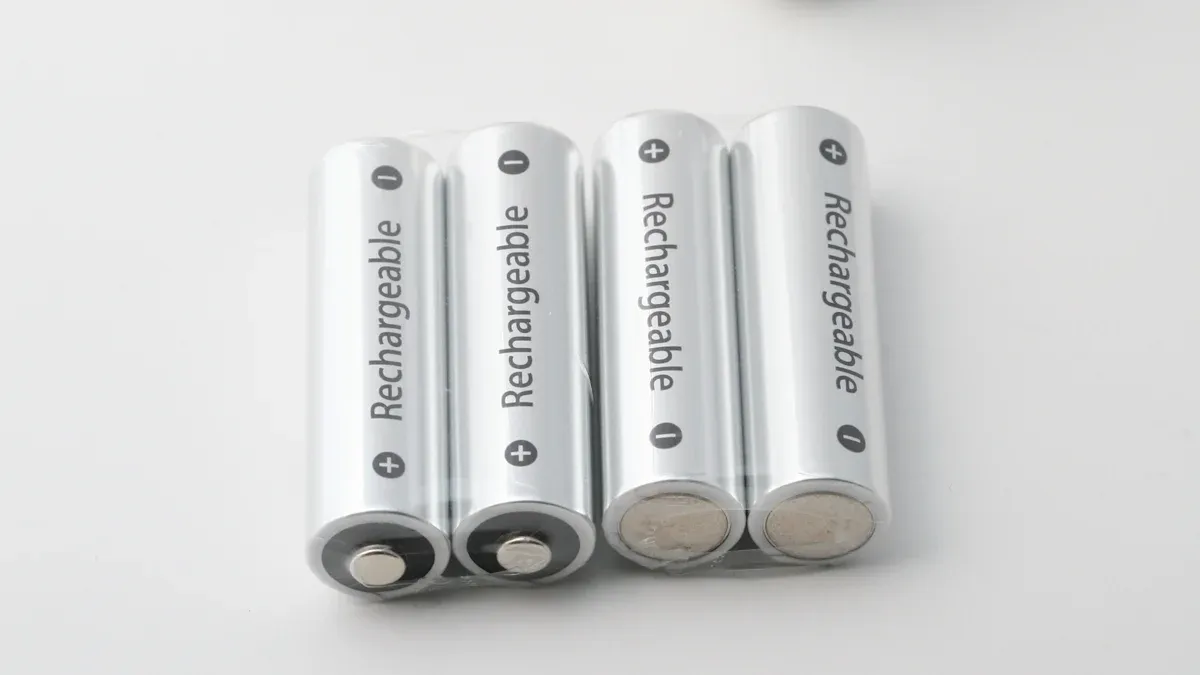
You might see solid-state batteries in new electric cars. This battery uses a solid inside, not a liquid. The solid part is called the electrolyte. It helps ions move from one side to the other. The solid does not leak or catch fire easily. This makes the battery safer for cars. Car makers want these batteries to last longer and work better.
Solid-state batteries could change how people see electric cars.
Benefits and Challenges
Solid-state batteries have many good things. They give your car more energy in a small space. This means you can drive farther on one charge. They also charge faster and are safer to use. The battery does not get too hot or break down fast. You can use your car in hot or cold weather.
Here are some good things:
You can drive farther
The battery is safer
It lasts longer
It charges faster
But there are some problems too. These batteries cost a lot to make right now. The solid inside can crack after many uses. Car makers need to find ways to make them cheaper. Most cars do not have these batteries yet because of these problems.
Benefit | Challenge |
|---|---|
More energy | Costs more |
Safer battery | Can crack inside |
Charges fast | Hard to make |
Future Potential
You may see more solid-state batteries in cars soon. Many companies are testing new ideas every year. You might get a car that charges in just minutes. These batteries could help more people buy electric cars. If you want the best battery, watch for news about solid-state batteries.
Tip: Solid-state batteries could be the future for electric cars.
Ultracapacitors and Other Types of EV Batteries
How Ultracapacitors Work
Ultracapacitors keep energy in a special way. They are not like regular batteries. Some electric vehicles use them for quick power. Ultracapacitors do not use chemical reactions. They use electric fields to hold energy. You can charge and use them very fast. If you need your car to speed up quickly, ultracapacitors help a lot.
Ultracapacitors do not give as much energy as lithium-ion or sodium-ion batteries. But they last much longer than those batteries. They do not wear out fast. You can use them thousands of times and they still work well. Some car makers use ultracapacitors with sodium-ion batteries. This gives both fast power and steady energy.
Tip: Ultracapacitors are great for quick energy. They help when starting your car or speeding up.
Here are some important facts about ultracapacitors:
Charge and use in just seconds
Work for many cycles
Give quick power for short times
Flow Batteries and Emerging Alternatives
Flow batteries use liquids to store energy. The liquids move through special cells to make electricity. You can recharge flow batteries by changing or charging the liquid. These batteries are good for big vehicles or buses. They give lots of energy for a long time. You do not see flow batteries in small cars yet. But they might be used in future electric vehicles.
Sodium-ion batteries are another new type for electric cars. Some test vehicles and labs use sodium-ion batteries. They use sodium, which is easy to find and costs less than lithium. Sodium-ion batteries can hold a lot of energy. They work well in hot or cold weather. You might see sodium-ion batteries in buses, trucks, or even cars soon.
Some companies test sodium-ion batteries with ultracapacitors. This helps cars get better performance. Sodium-ion batteries are safer and cost less. They are a good choice if you want a battery that lasts long and charges fast.
Battery Type | Main Benefit | Common Use |
|---|---|---|
Ultracapacitor | Fast power bursts | Acceleration, start |
Flow battery | Long energy supply | Buses, large EVs |
Sodium-ion batteries | Low cost, safe, durable | Cars, trucks, buses |
Note: Sodium-ion batteries could change electric cars in the future.
Battery Formats and Construction
Cylindrical, Prismatic, and Pouch Cells
You will find three main shapes for electric vehicle battery cells: cylindrical, prismatic, and pouch. Each shape has its own strengths. Cylindrical cells look like small tubes. Many lithium-ion batteries use this shape. These cells are strong and easy to cool. You often see them in Tesla cars.
Prismatic cells have a box shape. They fit well in tight spaces. Car makers use prismatic cells to save room and make battery packs smaller. You will see these cells in many modern electric vehicles.
Pouch cells look like flat, flexible bags. They are very light. Pouch cells help lower the weight of your car. Many lithium-ion battery packs use pouch cells because they can change shape to fit different designs.
Tip: The cell shape can change how much space your battery takes up and how easy it is to keep cool.
Cell Type | Shape | Common Use |
|---|---|---|
Cylindrical | Tube | Tesla, power tools |
Prismatic | Box | Modern EVs, buses |
Pouch | Flat bag | Lightweight EVs, gadgets |
Impact on Performance and Safety
The battery cell shape affects how your electric car works. Cylindrical cells handle heat well. They are less likely to overheat. Prismatic cells save space but may get hot if packed too close. Pouch cells are light, but they need strong cases to stay safe.
Lithium-ion batteries in any shape give you good range and fast charging. You must watch for safety. If a cell gets damaged, it can overheat. Battery makers add safety features to stop fires or leaks.
Note: Always check if your car’s battery pack has safety systems. These systems protect you and your car.
The right battery format helps your car last longer and stay safe on the road.
Factors Affecting Electric Vehicle Battery Performance
Capacity and Range
Battery capacity means how much energy your car can hold. If the battery has more capacity, you can drive farther. You should check this number before buying a car. It tells you how far you can go on one charge. Pick a battery that fits your daily trips. This helps you avoid worrying about running out of power.
Tip: Check battery capacity when you look at electric cars. It helps you plan trips and not run out of energy.
Lifespan and Degradation
All batteries get weaker as time goes by. After many charges, your battery holds less energy. Heat, fast charging, and deep draining make batteries age faster. You can help your battery last longer by charging slowly and keeping it cool. If you take care of your battery, it will work for more years.
Factor | How It Affects Lifespan |
|---|---|
Fast charging | Makes battery life shorter |
High temperature | Makes battery wear out faster |
Deep discharge | Makes battery last less time |
Temperature Effects
Temperature changes how well your battery works. Cold weather lowers battery capacity. Your car will not go as far. Hot weather can hurt the battery and make it wear out faster. Park in the shade in summer. Keep your car warm in winter. Some electric cars have systems to keep batteries at the right temperature.
Note: Very hot or cold weather can change how far you drive and how long your battery lasts.
Regenerative Braking and Efficiency
Regenerative braking helps save energy in your car. When you slow down, the car turns movement into electricity. This electricity goes back into the battery. It helps you drive farther on one charge. City driving with lots of stops can help recharge your battery a bit. If you use regenerative braking often, you get more from your battery.
Regenerative braking helps save energy.
You can drive farther in stop-and-go traffic.
Comparing Types of EV Batteries
Summary Table of Features
There are many ways electric vehicle batteries are different. Each battery type has good and bad sides. The table below shows the main features, pluses, and minuses.
Battery Type | Energy Density | Lifespan | Cost | Safety | Common Use |
|---|---|---|---|---|---|
Lithium-Ion | High | Long | High | Good | Most new EVs |
Nickel-Metal Hydride | Medium | Medium | Medium | Good | Hybrids |
Lead-Acid | Low | Short | Low | Fair | Older EVs, carts |
Solid-State | Very High | Very Long | Very High | Excellent | Future EVs |
Ultracapacitor | Very Low | Very Long | High | Excellent | Quick power bursts |
Tip: Check this table to help you pick the best battery for your needs.
Most Common Electric Car Batteries Today
Most electric cars use lithium-ion batteries now. These batteries let you drive far and charge quickly. Car makers like lithium-ion because it works in many places. Nickel-metal hydride batteries are still used in hybrid cars. Lead-acid batteries are found in older electric cars and small vehicles. Solid-state batteries are rare today, but you might see them soon as technology gets better.
If you want good range, safety, and long life, pick lithium-ion. Nickel-metal hydride is good for hybrid cars. Lead-acid works for simple and cheap vehicles.
What’s Next for Electric Vehicle Batteries
Electric vehicle batteries will change a lot in the future. Solid-state batteries may become popular because they give more energy and are safer. Sodium-ion and flow batteries might help make cars cheaper and last longer. Battery technology keeps getting better. Watch for new batteries that charge faster and last longer.
Note: New battery types will help electric cars go farther and be safer for everyone.
Electronic Design and Manufacturing of Power Batteries
Electronic Design Principles
Engineers plan electric vehicle batteries to be safe and work well. They want batteries to last a long time and be strong. They pick the best materials and shapes for each cell. They think about how the battery will fit in your car. They also make sure it works in hot or cold weather.
Tip: A good battery design keeps you safe and helps your car work well.
Battery Management Systems (BMS)
A battery management system checks your battery all the time. It looks at the voltage, temperature, and charge of each cell. The system makes sure all cells work together. If there is a problem, it can turn off the battery to keep you safe. This system helps your battery last longer and keeps you safer.
Circuit Design and Safety Features
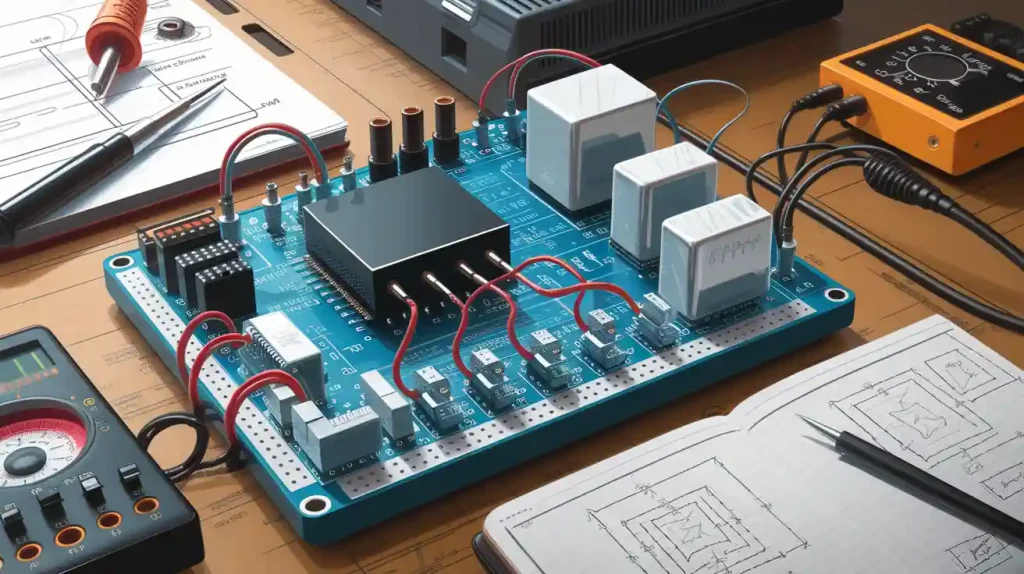
Engineers make circuits to control how power moves in the battery. They add fuses and sensors to stop things like too much heat or short circuits. Some circuits can turn off the battery if there is danger. These things help protect you and your car.
Fuses stop too much electricity.
Sensors check for heat or damage.
Switches can turn off the battery for safety.
Electronic Manufacturing Processes
Battery makers build electronics in very clean rooms. Robots and machines put small parts on circuit boards. Workers check each step to make sure it is right. This way, you get a battery that is safe and works well.
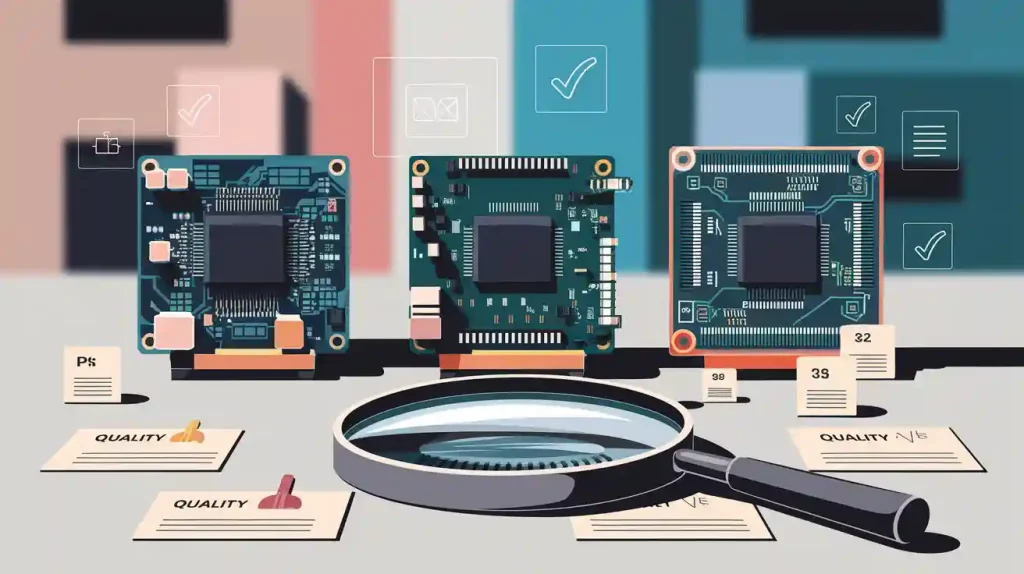
Quality Control and Testing in Manufacturing
You want your battery to work every time you use it. Factories test every battery before sending it out. They look for leaks, weak spots, or bad connections. Some tests use heat or cold to check if the battery stays safe. Only batteries that pass all tests go into cars.
Note: Good quality control keeps you safe and helps you trust your battery.
You now know how lithium-ion, nickel-metal hydride, lead-acid, solid-state, and ultracapacitors are not the same. Most electric cars use lithium-ion batteries. These batteries let you drive far and charge quickly. New battery technology keeps making electric cars better.
Lithium-ion: Most popular, lots of energy
Nickel-metal hydride: Used in hybrid cars
Lead-acid: Found in older electric vehicles
Solid-state: May be used more in the future
Keep learning about battery updates. Picking the right battery gives you a better time driving.
FAQ
What is the best battery for electric cars?
Most new electric cars use lithium-ion batteries. These batteries let you drive far. They charge quickly and are safe. Car makers pick them for everyday driving.
How long do electric vehicle batteries last?
Electric car batteries last about 8 to 15 years. You can make your battery last longer. Charge it slowly and keep it cool. How you use your car changes battery life.
Can you recycle electric vehicle batteries?
Yes, most electric vehicle batteries can be recycled. Special places take old batteries and reuse important parts. Recycling helps nature and saves materials.
Do cold temperatures affect battery performance?
Cold weather makes your battery work less well. Your car may not go as far in winter. Some cars have systems to keep batteries warm and working.
Are solid-state batteries available now?
Most cars do not have solid-state batteries yet. Companies are still testing these batteries. You may see them in new cars in the future.