

HS code for printing circuit board
HS code for printing circuit board varies by type. Find the right HS code for bare, assembled, rigid, and flexible PCBs to ensure smooth customs clearance.

HS code for printing circuit board varies by type. Find the right HS code for bare, assembled, rigid, and flexible PCBs to ensure smooth customs clearance.
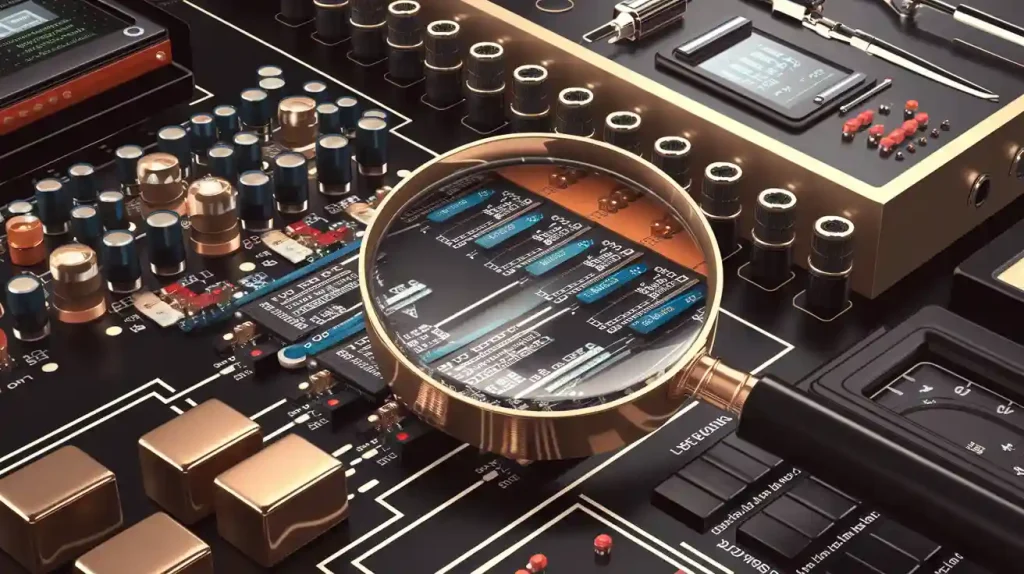
Solve amplifier PCB issues like bad soldering, overheating, and signal interference. Learn troubleshooting tips to keep your amplifiers PCB reliable.
Common Amplifier PCB Issues and How to Solve Them Read More »
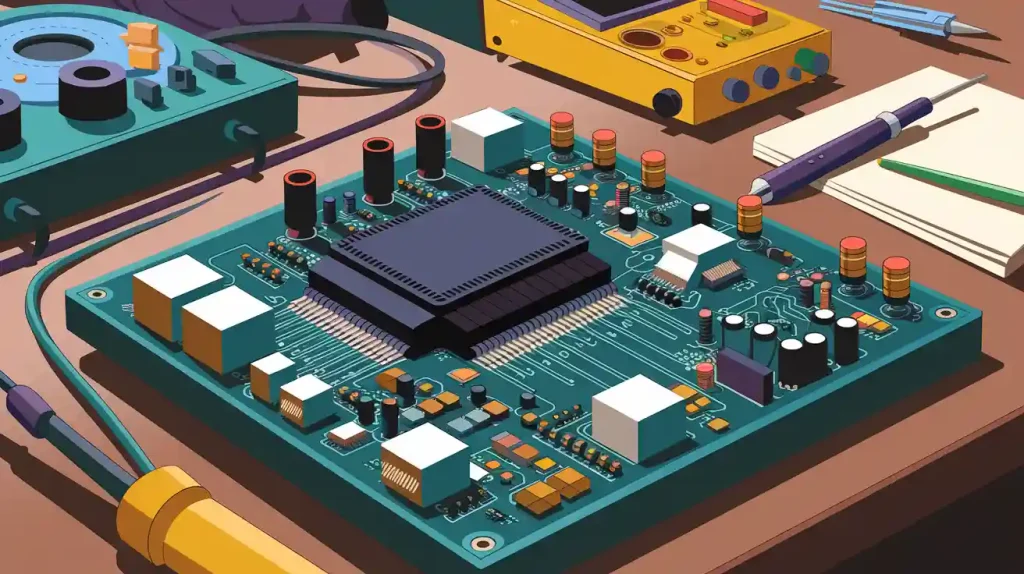
Learn how to design and layout an amplifier PCB with tips on component placement, grounding, noise reduction, and thermal management for beginners.
How to Design and Layout an Amplifier PCB for Beginners Read More »

HS codes classify electronic components for global trade, ensuring smooth customs clearance, accurate taxes, and compliance with trade regulations.
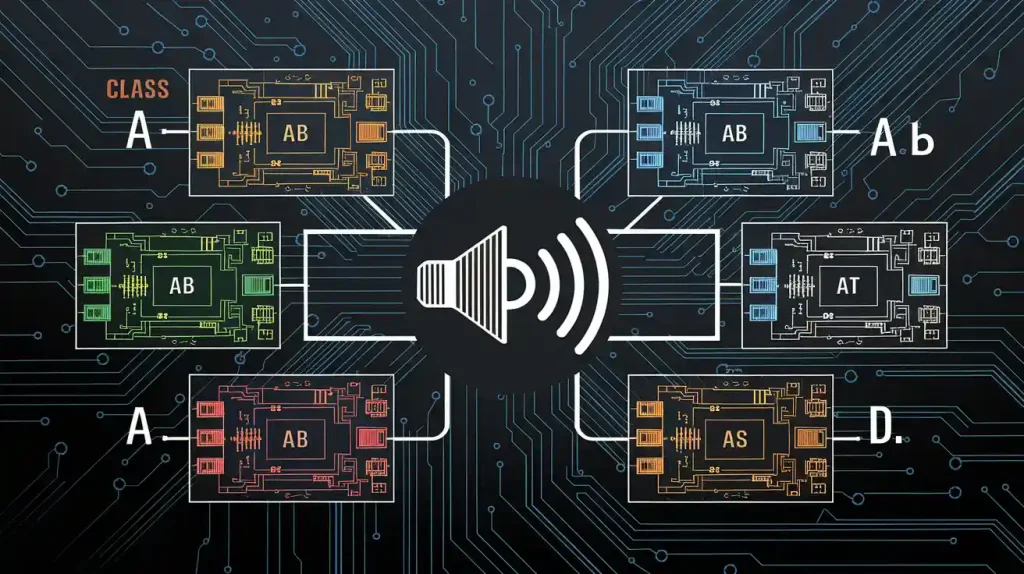
Compare Class A, B, AB, C, and D amplifier circuits by efficiency, sound quality, and applications. Find the best amplifier circuit for your needs.
Comparing Class A, B, AB, C, and D Amplifier Circuits Read More »

Learn to read amplifier circuit diagrams with ease. Understand symbols, trace signal paths, and master feedback loops for better circuit analysis.
How to Decode Amplifier Circuit Diagrams for Beginners Read More »
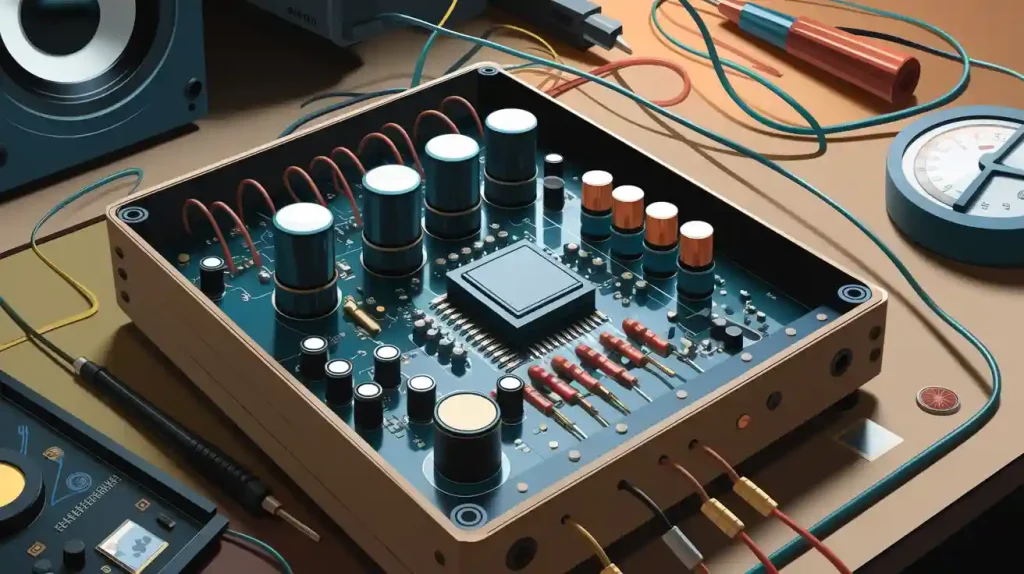
An amplifier circuit boosts weak signals using components like transistors, resistors, and capacitors, ensuring clear and strong output for devices like speakers and phones.
What is an Amplifier Circuit and How Does it Function Read More »
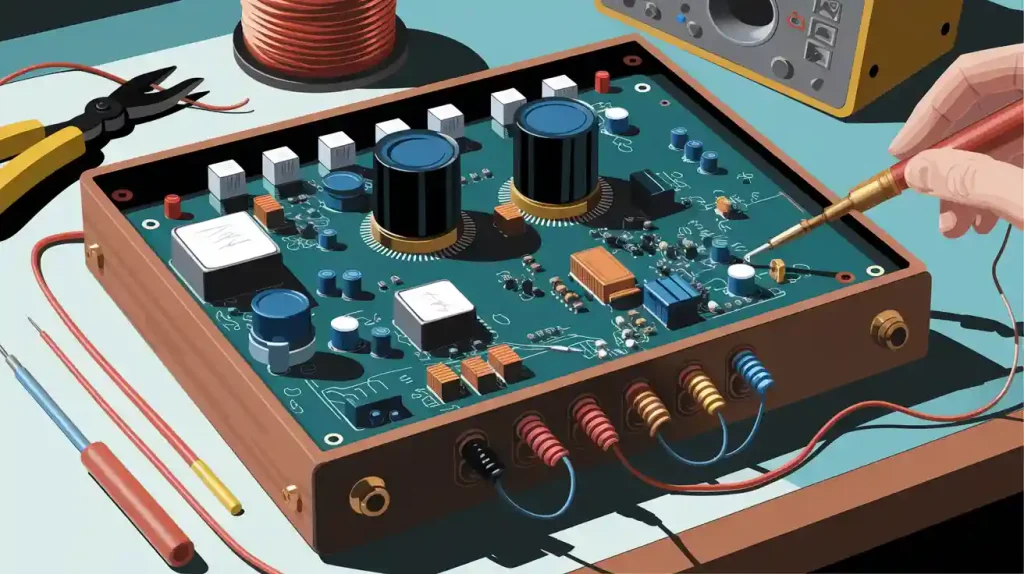
An amplifier circuit boosts weak signals for devices like speakers and TVs. Learn its types, components, and role in sound, communication, and medical tools.
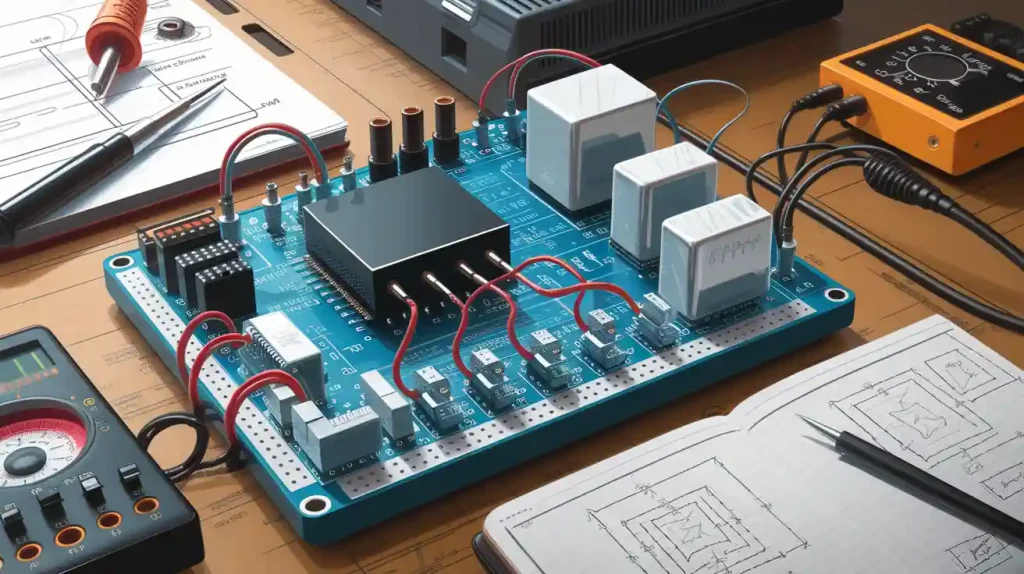
Learn how to design and build a simple amplifier circuit. Discover key components, create a circuit diagram, and test your setup for clear, amplified sound.
How to Design and Build a Simple Amplifier Circuit Read More »
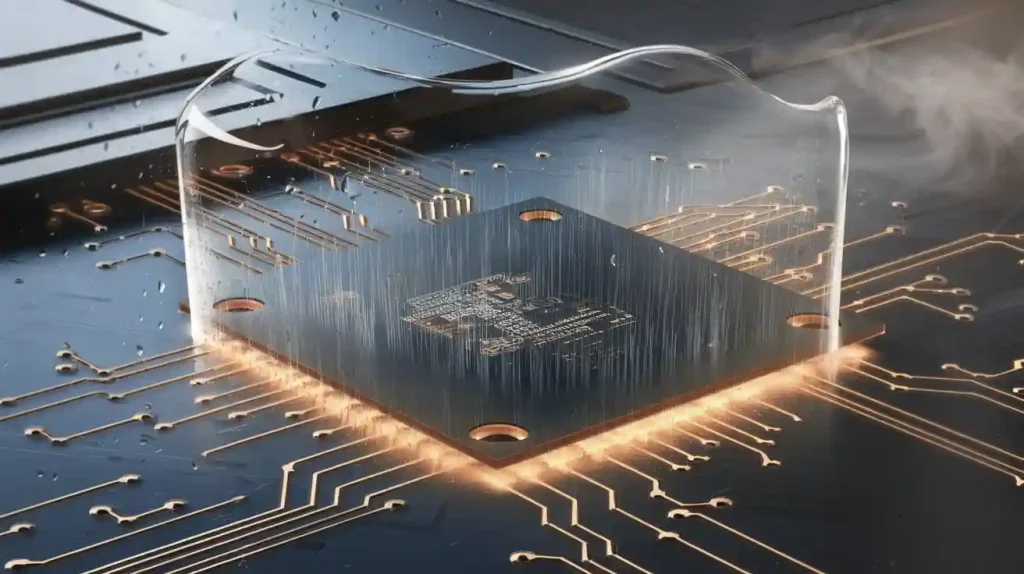
Discover proven PCB protection methods to guard against corrosion, moisture, and mechanical stress, ensuring durability and reliable performance.
Proven Methods to Protect PCBs from Environmental Hazards Read More »
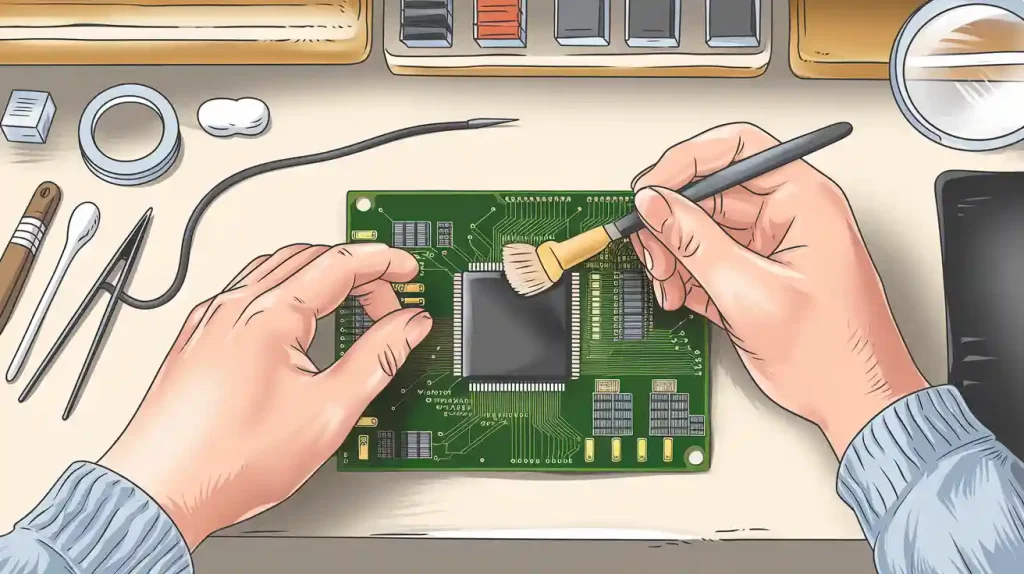
Learn how to clean PCBs step-by-step with tools like isopropyl alcohol and soft brushes. Ensure safety and avoid damage with these beginner-friendly tips.
Step-by-Step Guide to Cleaning PCBs for Beginners Read More »
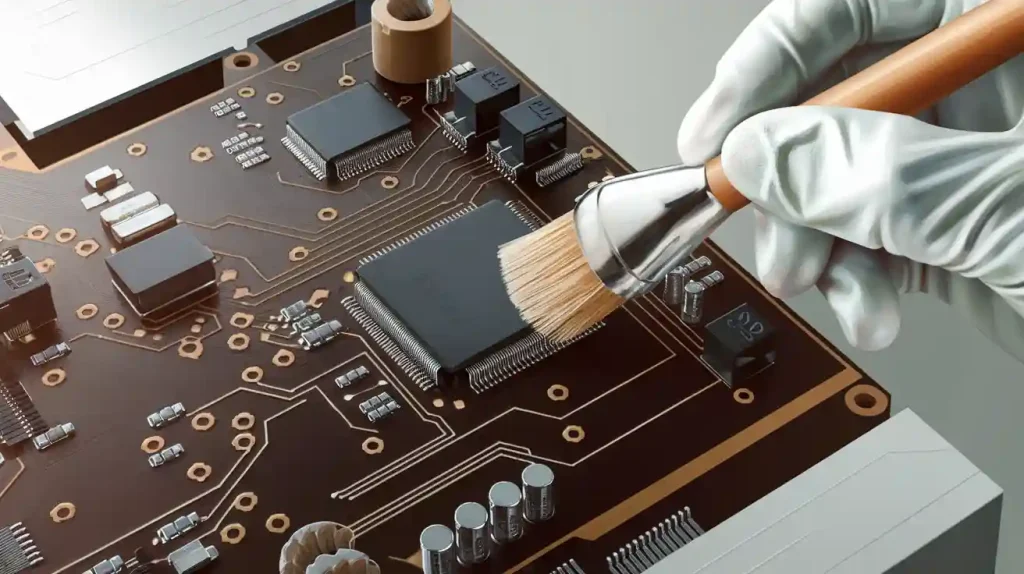
Clean printed circuit boards safely using isopropyl alcohol, compressed air, and soft tools. Avoid water and follow precautions to prevent damage.
Cleaning printed circuit boards without causing damage Read More »
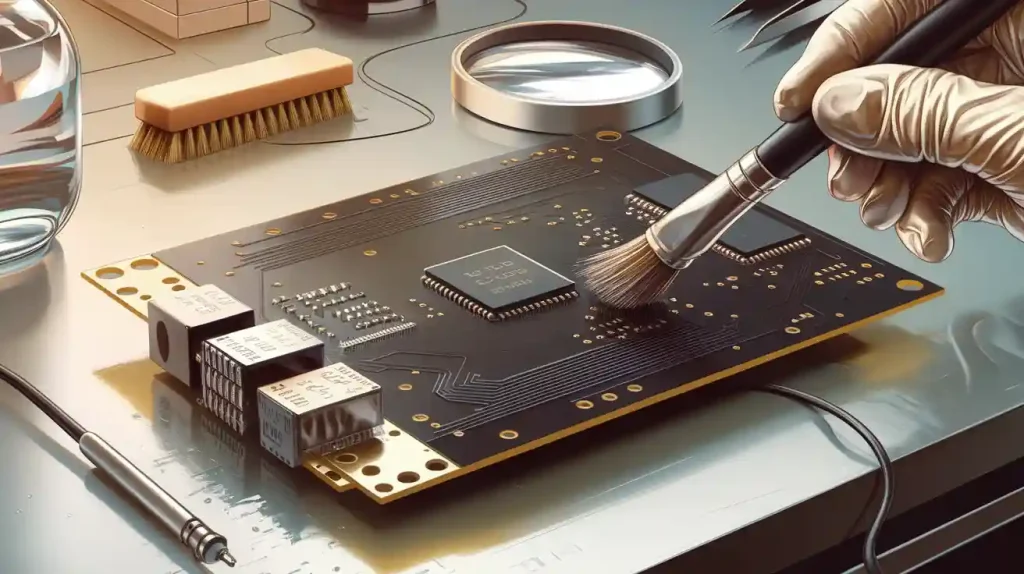
Clean PCBs before soldering to remove dirt and oils, and after soldering to eliminate flux residues. Use isopropyl alcohol and proper tools for best results.

Avoid common mistakes when cleaning PCBs, like using harsh chemicals, applying too much pressure, or skipping proper drying to ensure safe and effective cleaning.
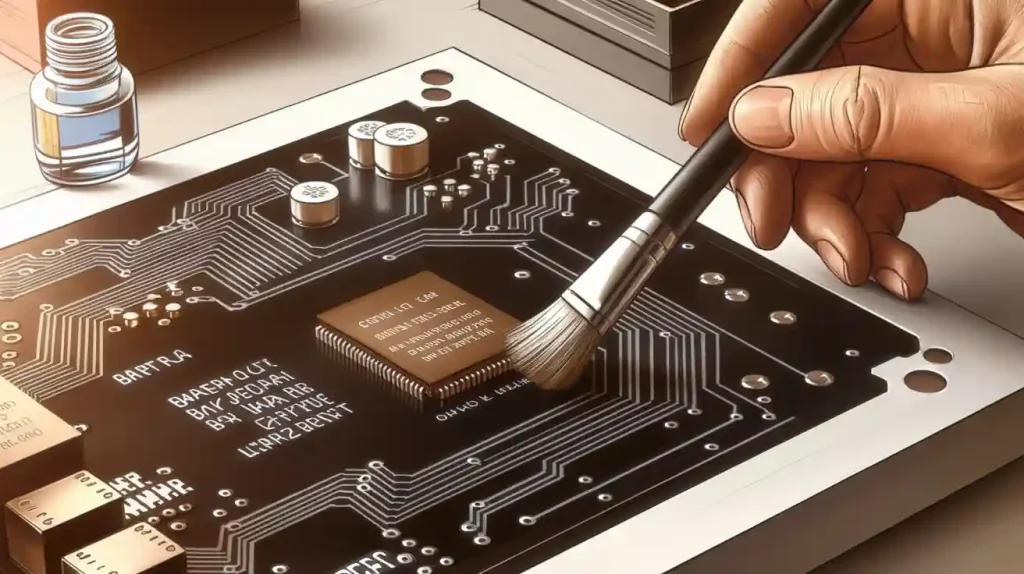
Debunk myths about PCB cleaning and learn why clean PCBs are vital for electronics maintenance, preventing corrosion, short circuits, and device failure.
Why proper PCB cleaning is essential for electronics maintenance Read More »
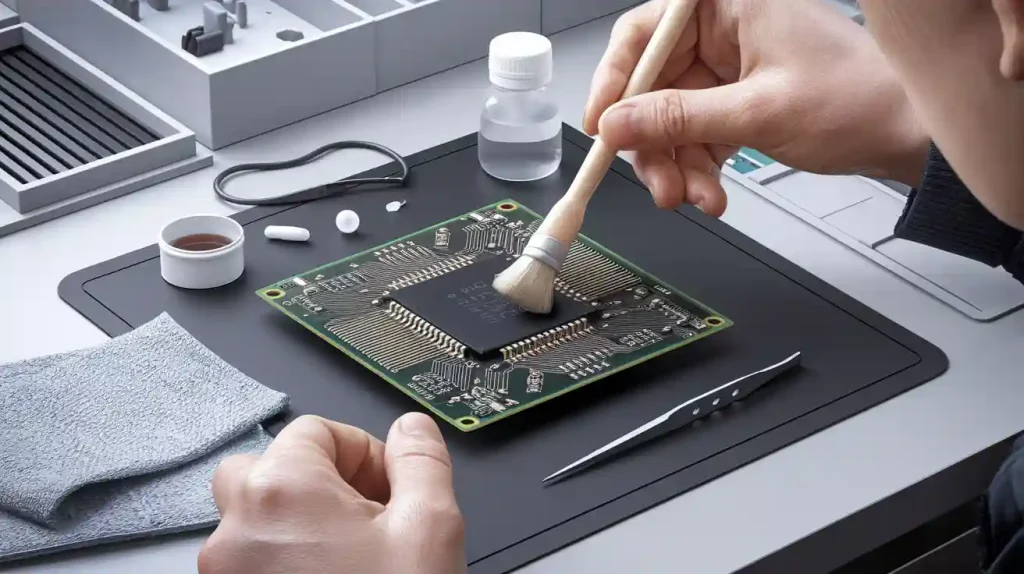
Discover safe methods to clean PCBs effectively using tools like isopropyl alcohol, anti-static brushes, and ultrasonic cleaners for optimal performance.
How to Clean PCBs Using Safe and Reliable Methods Read More »

Compare PCB coatings and resins to protect your PCB. Learn how coatings offer lightweight protection while resins provide durability in tough conditions.
PCB Protection Methods Explained Coatings vs Resins Read More »
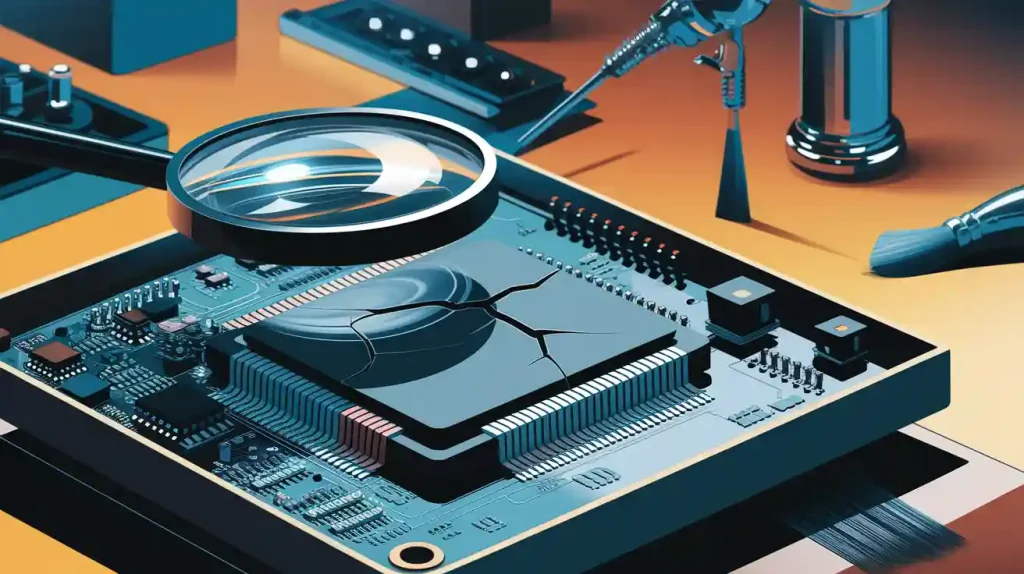
Address PCB conformal coating challenges like contamination, defects, and material mismatches. Learn how to ensure reliable protection and performance.
Top Challenges in PCB Conformal Coating and How to Address Them Read More »
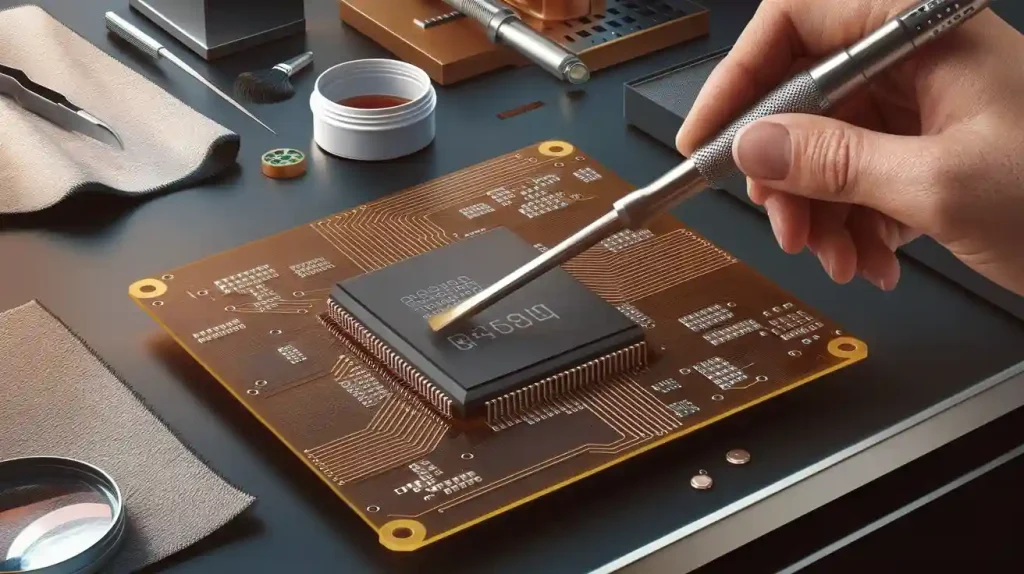
Learn safe methods to rework or remove PCB conformal coatings, including chemical, thermal, mechanical, and micro-abrasive techniques for various coating types.
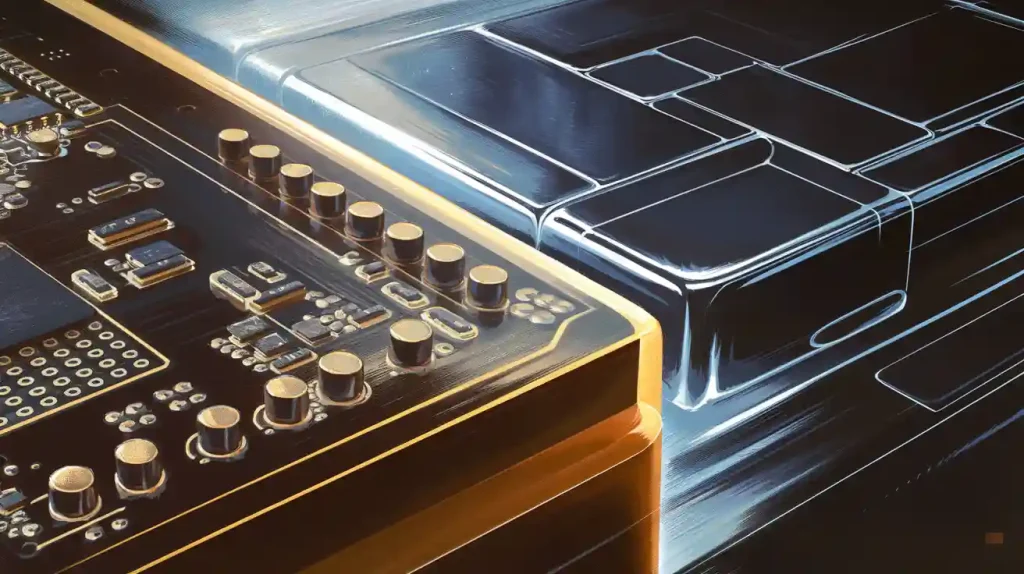
Compare PCB conformal coating and potting to find the best protection for your circuit boards. Learn about durability, flexibility, and repairability.
Conformal Coating vs Potting Which Offers Better PCB Protection Read More »