You see Smart Switch Panels changing how you use lights and devices at home or work. Designers listen to your ideas and use new technology to make panels that work for you. The market for these panels was about $2.5 billion in 2023. It could grow to $7.8 billion by 2032. Many new models have touchscreens, modular designs, and ways to save energy.
Feature | Description |
|---|---|
Touch-sensitive panels | Use capacitive technology instead of regular switches. |
Smart-home connectivity | Work with Wi-Fi or Zigbee to connect with other smart devices. |
Built-in dimming | Let you change how bright the lights are right from the panel. |
Motion/daylight sensors | Change settings when someone moves or when the light in the room changes. |
Remote control capabilities | Let you control the panel with mobile apps or voice assistants. |
Energy usage data | Show you how much energy you use so you can save more. |
Key Takeaways
Smart Switch Panels help you control lights and devices better. They let you use remote access and check energy use. These panels can help save energy and lower bills. They use sensors and timers to turn lights on or off when needed. User feedback is very important in making these panels. It helps makers build panels that people really want. Quality control makes sure Smart Switch Panels are safe and work well. They go through many tests before people can buy them. In the future, new features will use IoT and AI. User interfaces will get better and easier to use. This will make Smart Switch Panels work even better.
Smart Switch Panels Overview
Functions and Features
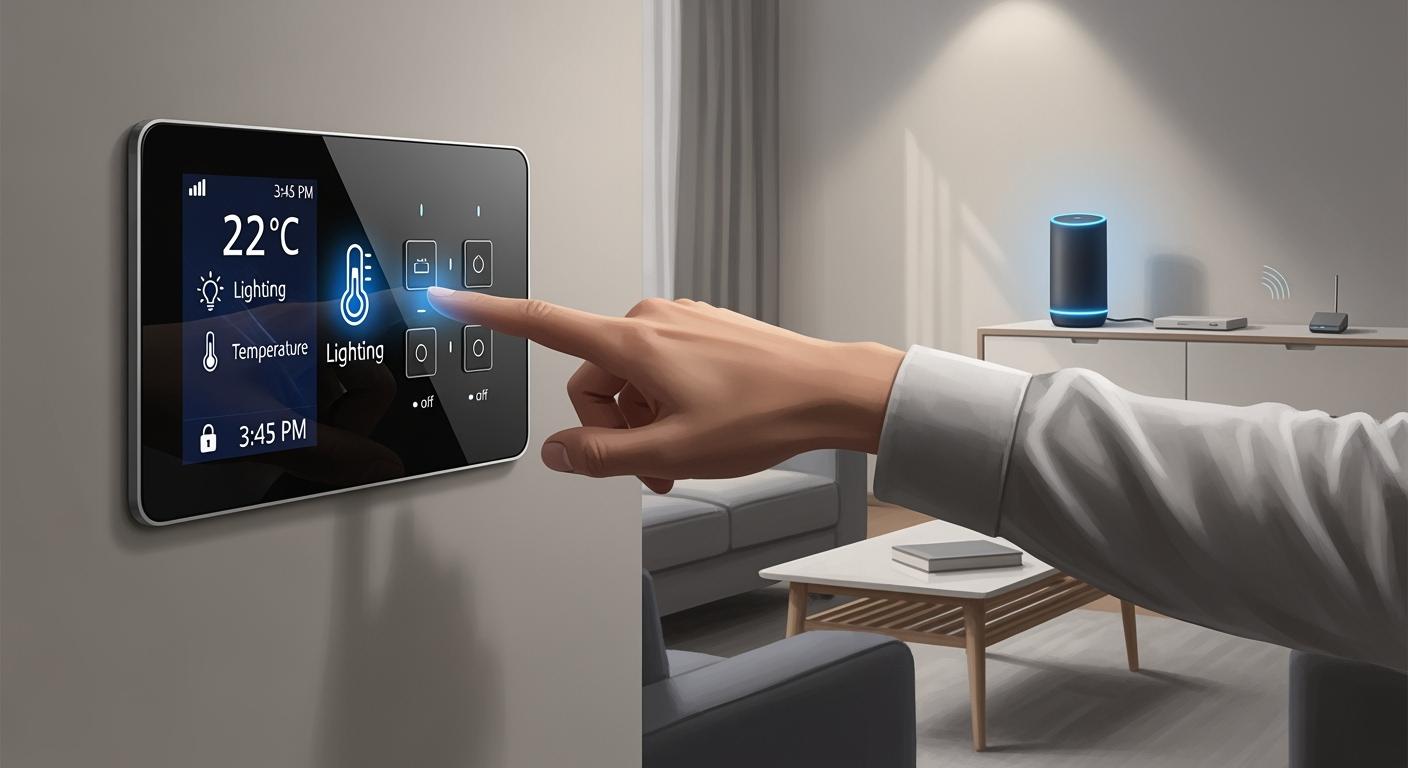
You can do much more with Smart Switch Panels than with regular switches. These panels give you control and flexibility in your home or business. Here are some of the main functions and features you will find:
You can save energy because many panels have motion sensors and timers. The lights turn off when no one is in the room.
You get convenience. You can control your lights from your phone or with your voice. You do not need to touch the panel.
You can use remote control. Turn lights on or off from anywhere, even if you are not at home.
You can improve security. Set schedules for your lights to turn on and off. This can make it look like someone is home, even when you are away.
You can adjust brightness. Some panels have built-in dimmers, so you can set the light level you want.
You can use motion sensors. Lights come on when you enter a room and turn off when you leave.
Tip: Many Smart Switch Panels work with smart home systems like Alexa or Google Home. This makes it easy to add them to your setup.
Benefits for Homes and Businesses
Smart Switch Panels help you in many ways, whether you use them at home or in a business. Here are some key benefits:
You can lower your energy bills. The panels use analytics to adjust lights and other systems based on how many people are in a room or what the weather is like.
You can make your space more comfortable. The panels can control lighting, temperature, and even air flow, so you always have the right setting.
You can spot problems early. The panels can find unusual energy use or faulty equipment, which helps you fix issues before they get worse.
You can use your space better. The panels show you which rooms get used the most, so you can make smart choices about lighting and energy.
Smart Switch Panels give you more control, save you money, and help you create a safer and smarter space.
Design Process
User Research
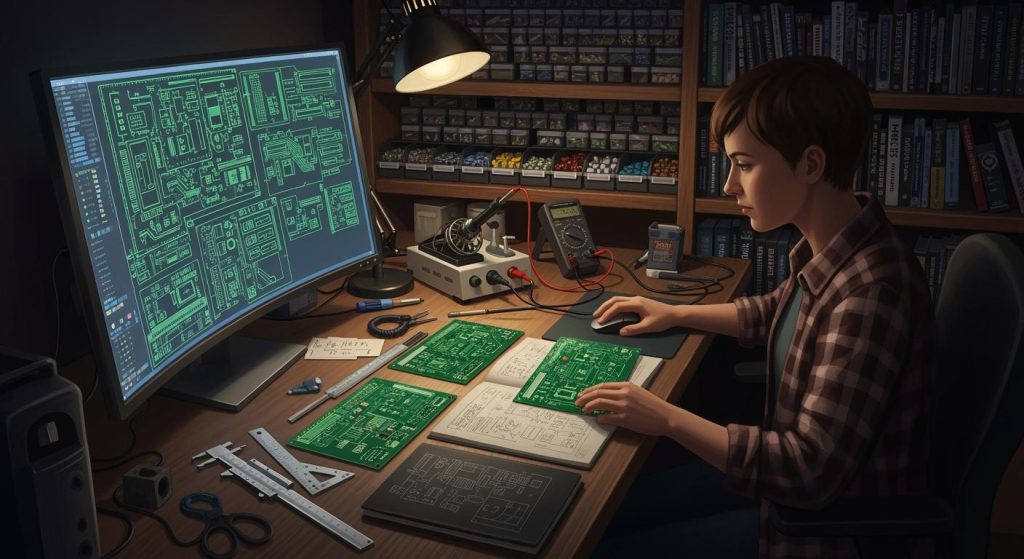
You help make Smart Switch Panels better by sharing your ideas. Designers want to know what you need at home or work. They use workshops to ask questions and listen to your answers. They use design fictions to imagine the best smart home systems. Designers also use cultural probing to see how you use technology every day. These ways help them learn from many people. Then, they make panels that fit different lives.
Method | Description |
|---|---|
Design Fictions | Used in workshops to explore user needs through SWOT analysis and physical prototyping, allowing participants to envision ideal smart home systems and their features. |
Cultural Probing | Focused on understanding user interactions with home technology through in-depth measures, utilizing a well-balanced user group to gather diverse insights on living situations and experiences with smart home technologies. |
Manufacturers listen to what you say and focus on making panels for you. They want the panels to be easy to use and feel nice to touch. They test new designs with real people and change them if needed. This way, Smart Switch Panels become better and more fun to use.
Prototyping
You see new ideas turn into real things with prototyping. Designers use storyboarding to show how the panel might look and work. They draw early designs to talk about what can be done. Surveys help them know what you like about features and style. Digital tools like Adobe Photoshop help make real-looking models and design the app for the panel.
Storyboarding lets designers picture the screen and get feedback.
Sketching helps them change ideas fast and talk about details.
Surveys tell designers what users want and need.
Digital tools help make detailed models and screens.
Prototyping lets you try out different looks and buttons. You can help pick the best ones before the final panel is made.
Hardware & Software Integration
You get more control when hardware and software work together. Smart Switch Panels connect to your home network. You can manage devices from anywhere. You can set times, automate things, and check energy use. The panel talks to your devices right away. This makes everything faster and easier. It also helps you save energy and money.
Interface & Aesthetics
You notice how Smart Switch Panels look and feel every day. Designers care about style and how things work. You can pick modular panels that fit your space. You can choose layouts, materials, and finishes. You can add more switches later if you want.
Modern designs use simple lines and soft colors.
Bright colors and finishes give you more choices.
Touch switches feel smooth and look cool.
Theme designs let you match your panel to your room.
Eco-friendly materials are good for the planet.
Light-up switches help you find them in the dark.
Panels blend in for a neat look.
Multi-use switches add things like USB ports and energy checks.
Tip: Modular panels make it easy to change and grow your system when you need to.
Smart Switch Panels mix new technology with easy design. You get panels that look nice, work well, and fit your life.
Manufacturing Process

Material Selection
You want your Smart Switch Panels to last and look nice. Makers pick materials that are safe, strong, and stylish. Many panels use concave glass for a cool look and extra strength. WiFi-controlled panels need materials that let signals pass through. You see panels made from tough plastics, metals, and special glass. Each material is picked for a reason.
Material | Properties | Importance |
|---|---|---|
PC Material | Excellent impact resistance, flame retardancy | Reduces risk of fire and accidents |
Aluminum Alloy | Durable, good heat dissipation | Enhances performance in environments with large current fluctuations |
Stainless Steel | Durable, resistant to wear | Improves longevity and safety |
AG Glass | Aesthetic appeal, durable | Provides additional safety and enhances design |
Copper Alloy | High conductivity, efficient current conduction | Ensures stable operation and reduces wear on contacts |
Iron | Low conductivity, prone to oxidation | Can lead to operational failures if used in contacts |
Panels feel smooth and do not scratch easily. Tempered glass keeps your panel safe from bumps. Heat resistance and damp-proofing help panels work in hard places. Smooth surfaces make cleaning simple and keep dust away.
PCB Design & Assembly
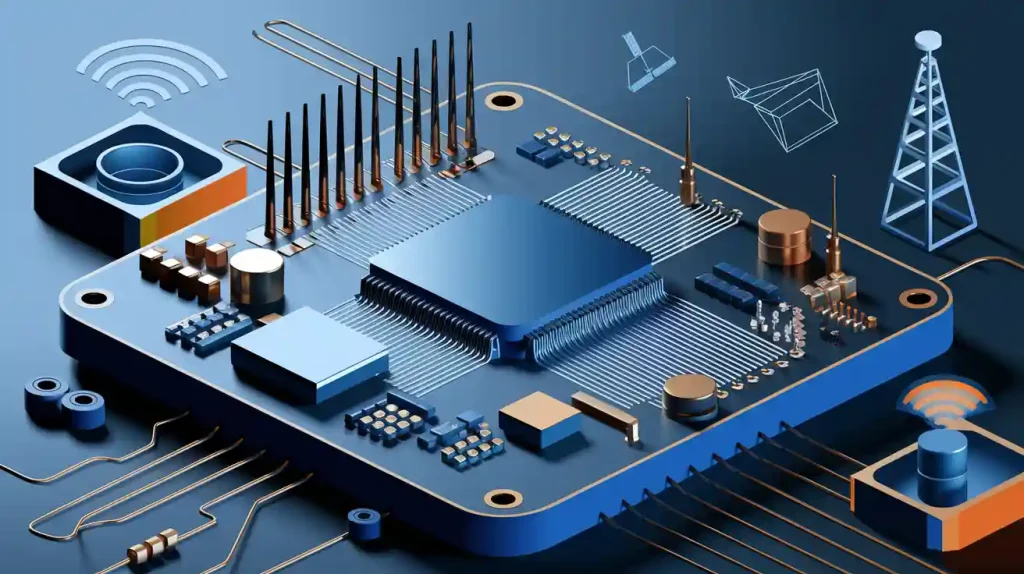
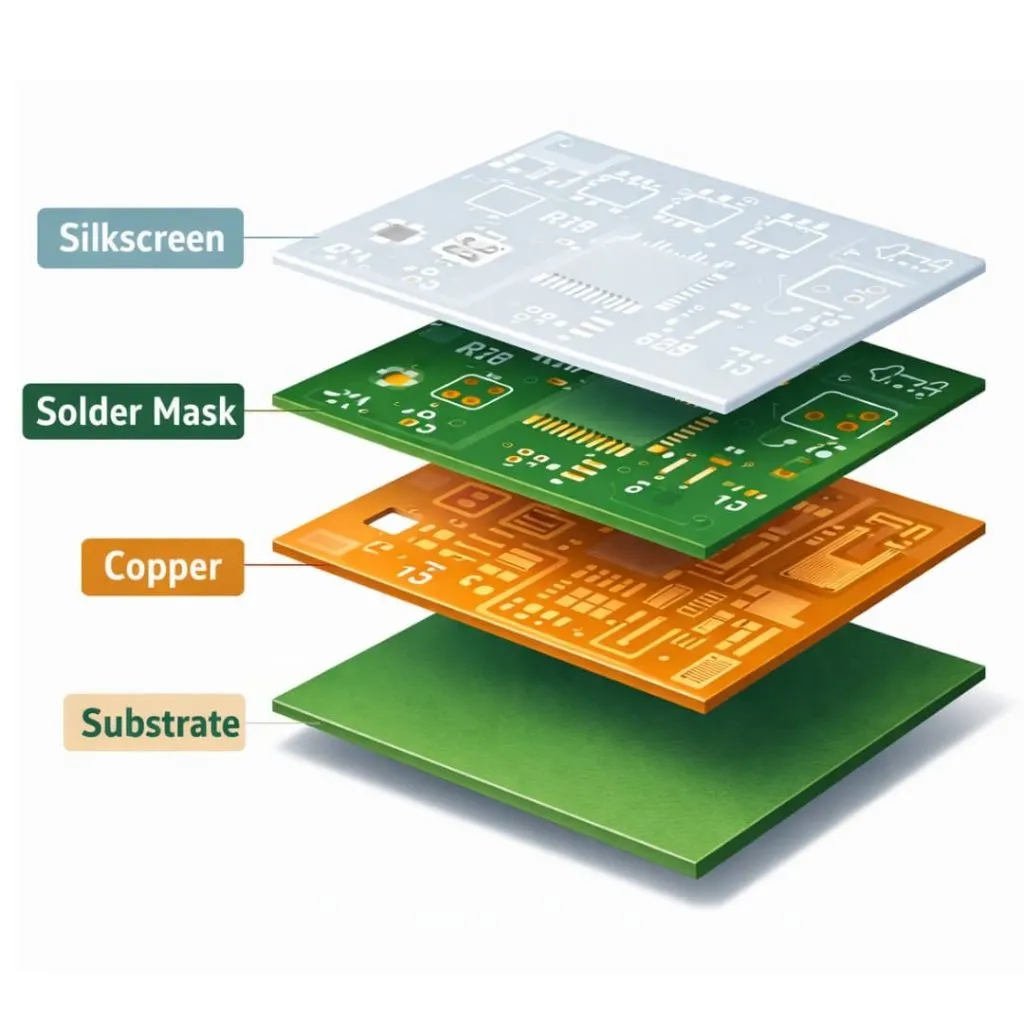
The panel’s brain helps it work every time. The printed circuit board controls all the smart features. Makers follow careful steps to build good PCBs.
Figure out what the panel needs. Pick the right size, wireless protocol, and power use.
Choose and place parts. Small parts save space and stop interference.
Add wireless connections. Good antenna spots keep WiFi panels working.
Keep signals clear. Short paths and matched impedance stop mistakes.
Manage power. Low-power parts help save energy.
Make it easy to build. Smart choices make assembly simple and cheap.
Think about the environment. Panels must handle wet and hot places.
Test and check quality. Every board gets checked for problems.
Follow safety rules. Panels meet safety and electromagnetic standards.
You get panels that work well and last a long time. Makers use smart ways to get parts. They check inventory, use databases, and work with trusted sellers. Engineers can change panels if parts run out or need to be better.
Quality Control
You want your Smart Switch Panels to work every time you use them. Makers use strict quality checks to make sure you are happy. OEMs build panels just how you want and test each one. ODMs use their own designs and have teams to check for problems.
Aspect | OEM | ODM |
|---|---|---|
Control over Manufacturing | Client maintains control over design and quality | ODM has more control over design and production |
Customization | Limited to client specifications | Can tailor designs to client needs |
Quality Control | Rigorous quality control procedures | Established quality assurance processes |
You get panels that last longer and work better. Tough tests find problems before you use the panel. Quality teams check everything, from how it feels to how safe it is.
Tip: Panels with smooth glass and metal finishes feel nice and last longer. You can trust panels that pass tough tests.
Certification
You want your Smart Switch Panels to be safe and legal. Makers get certifications before selling panels everywhere. These show the panels meet safety and environmental rules.
Certification | Description |
|---|---|
UL | Underwriters Laboratories certification for safety standards. |
CSA | Canadian Standards Association certification for safety standards. |
TUV | Certification for compliance with European standards for low-voltage appliances. |
RoHS | Restriction of Hazardous Substances certification for environmental compliance. |
REACH | Registration, Evaluation, Authorization and Restriction of Chemicals compliance in the EU. |
You see these marks on your panel. They show the panel is safe and good for the environment. Makers follow world rules so you can use panels anywhere.
Innovation & Trends
Latest Advancements
Smart Switch Panels get new features every year. Now, many panels show you how much energy you use right away. This helps you save money on your bills. You can set up scenes for your lights and appliances. This means you can change the mood or use of a room fast. Some panels connect to security systems. This gives you more safety at home or work. You can use your voice to control the panel. You do not need to touch it, which is easier for everyone.
Feature | Description | Metrics/Benefits |
|---|---|---|
Energy Monitoring | Shows power use in real time. | Up to 12% savings on utility bills. |
Automated Scene Setting | Lets you create custom lighting and appliance scenes. | 20% more user engagement, 10% less energy waste. |
Integration with Security Systems | Connects with alarms and cameras for better safety. | 30% fewer security breaches. |
Voice-Activated Control | Works with voice commands for hands-free use. | More convenience and accessibility. |
Some panels have energy-saving modes and work with solar power. Brands use modular hardware, so you can add or swap parts. Augmented Reality lets you use your panel in new ways. Top brands like SPAN use solar power and smart apps. These help you manage energy from many sources. The panels show reports and use special scenes to help you use less energy.
Tip: Smart Switch Panels help you build good habits and save energy every day.
Future Directions
In the next five years, you will see more changes. Smart Switch Panels will connect to more devices with IoT technology. You will get panels you can upgrade or make bigger. Artificial intelligence will help your panel learn what you like. It will suggest ways to save energy. Panels will use better parts that save more energy. Touchscreens and voice controls will get better. Security will be stronger to stop cyber threats. Panels will get smaller and lighter, so they are easy to put in. Companies will make panels for special jobs, so you get what you need. Wireless technology will make setup and updates simple.
IoT integration for real-time monitoring.
Modular and scalable designs.
AI-powered energy management.
Focus on sustainability.
Better user interfaces.
Stronger cybersecurity.
Compact and lightweight panels.
Custom solutions for businesses.
Wireless installation and updates.
You will see Smart Switch Panels in more homes and businesses. The market grows because people want to save energy and use easy technology. You get new features and better ways to control your space.
Challenges & Solutions
Common Issues
You may face several problems when you use Smart Switch Panels. These issues can make your experience less smooth. Here are some of the most common technical problems:
Your smart switch may not connect to Wi-Fi.
Sometimes, the switch does not respond to your commands.
You might see lights flickering after installation.
The smart switch can keep disconnecting from your network.
The switch may turn on and off by itself.
You may find that the smart switch does not work with the app.
Overheating can happen if the switch is not installed correctly.
If you notice any of these problems, you should check your setup and make sure everything matches the instructions. Many users see these issues when the wiring is not correct or the network is unstable.
Overcoming Obstacles
You can solve most Smart Switch Panel problems with a few simple steps. Manufacturers design solutions to help you get the best results. Here are some ways you can overcome common obstacles:
Make sure your circuit receives power before you start the installation.
Check that your wiring matches the manufacturer’s instructions.
Look for a neutral wire in your wall. Many smart switches need this wire to work.
Choose devices that use common standards like Zigbee or Z-Wave. These standards help your smart switches work with other devices.
Use a central hub to manage different brands and types of smart devices. This makes your system easier to control.
Research your home’s electrical system before you buy new panels. This helps you avoid surprises during installation.
Tip | Description |
|---|---|
🔌 | Always turn off the power before you work with electrical wiring. |
📱 | Update your smart switch app to fix bugs and improve performance. |
You can avoid most problems by following these steps. Smart Switch Panels become easier to use when you plan ahead and choose the right products for your space.
Smart Switch Panels change because of good design and making. Makers put sensors inside to watch how things work. They check panels all the time to make them better. You get strong parts that last a long time. Panels need regular care to keep working well. Smart tools help test panels before you use them. Designers think about what you want and make panels easy for you. This gives you more comfort and makes life simpler.
Future Trends | Impact on Industry |
|---|---|
Energy efficiency | Lower costs and greener homes |
Cybersecurity | Safer smart environments |
Modular designs | Flexible solutions for every need |
You will see new technology and fast growth in the market. Smart Switch Panels will make your future easier and better.
FAQ
How do you install a Smart Switch Panel?
You follow the instructions from the manufacturer. You turn off the power first. You connect the wires to the panel. You secure the panel to the wall. You turn the power back on. You test the panel to make sure it works.
Can you use Smart Switch Panels with older homes?
You can use Smart Switch Panels in older homes. You check your wiring before you buy. Some panels need a neutral wire. You ask an electrician for help if you are not sure about your setup.
What happens if your Wi-Fi goes out?
Your Smart Switch Panel may lose remote features. You can still use the panel manually. Some panels store settings and work offline. You restore full control when your Wi-Fi comes back.
Do Smart Switch Panels save energy?
You save energy with Smart Switch Panels. You use timers, sensors, and energy reports. You turn off lights when you leave a room. You track your usage and make changes to lower your bills.
Are Smart Switch Panels safe for children?
You get safety features with Smart Switch Panels. Many panels have lock modes. You prevent accidental changes. You choose panels with smooth surfaces and no sharp edges. You keep your home safe for children.