You can find vehicle-mounted locators in many new fleets and emergency vehicles. Engineers make these devices to fit inside dashboards. They also connect easily with vehicle electronics. The process begins with careful planning of the printed circuit board (PCB). The PCB controls how well the locator works and keeps it safe. Good PCB design helps stop failures. These failures can hurt safety or cause costly repairs. More companies use these locators now because the market is growing fast.
The table below shows how more people use these devices in fleet management and emergency response:
Metric | Value |
|---|---|
Market size (2024) | USD 2.18 billion |
Projected market value (2033) | USD 6.18 billion |
CAGR (2025-2033) | 11.7% |
Key Takeaways
Vehicle-mounted locators help manage fleets better. They give real-time tracking and send alerts about how vehicles work.
Picking the right GPS is very important. RTK GPS is best for emergencies because it is very accurate. Standard GPS works fine for simple fleet jobs.
Strong dash mounts are needed for safety. Good PCB designs make locators work well and stay safe.
Following safety rules like ISO 26262 is very important. It keeps AVL systems working right and safe.
Learn about new AVL technology like AI and IoT. These can make fleets work faster and better.
Vehicle-mounted Locators Overview
Functions and Applications
Vehicle-mounted locators are found in many vehicles. These devices help track and protect vehicles for public works. They help with jobs that keep cities working well. The table below explains how these locators are used in different ways:
Function | Application in Vehicles |
|---|---|
Fleet management | Watches and manages vehicles to work better. |
Safety and security | Warns about unsafe driving and helps stop theft. |
Automated record-keeping | Tracks miles and checks hours for rules. |
Real-time passenger info | Gives correct arrival times for public transport. |
Schedule adherence | Checks if public transit is on time. |
Emergency response | Sends the closest unit to help faster. |
You can watch your vehicles in real time with these locators. Public works use them to follow snowplows, garbage trucks, and street sweepers. Data analytics helps you see how vehicles move and when they need fixing. In logistics, you use these systems to track deliveries and inventory. Police officers use strong mounts for laptops and tablets. This gives them fast access to technology. Emergency medical services need mounts that are easy to clean and work with medical tools. Departments of Transportation use vehicle-mounted arrow boards to control traffic during emergencies.
Role in Fleet Management and Emergency Response
When you use vehicle-mounted locators, you help manage fleets. Public works use these devices to track vehicles every minute. You get alerts for speeding, idling, or stops that should not happen. You can check when vehicles need repairs. You also look at old data for rules and checks. Data analytics helps you pick the best routes using traffic and which vehicles are free.
When you run a fleet, you want better routes and to save fuel. You also want to keep people safe and follow rules. These locators help lower repair costs and make work faster. Public works get to see how things are running and use resources better.
GPS vehicle tracking systems are changing how emergency teams work. They give real-time data about where vehicles and incidents are. With GPS, emergency teams can get to the scene faster. They can avoid traffic and pick the quickest way. This saves time and helps teams work together better. It means a faster and stronger response when it matters most.
You can see how public works use real-time monitoring to send the closest unit in emergencies. Accident alerts and automatic messages make response times faster. You help your community by making sure the right vehicle gets to the right place quickly.
Design Considerations for Automatic Vehicle Location (AVL)
Accuracy and Connectivity Requirements
When you pick an automatic vehicle location system, you want it to show where your vehicles are very clearly. The accuracy depends on the GPS technology inside your avl device. The table below shows how each GPS system is different:
GPS System Type | Accuracy Level |
|---|---|
Standard GPS | 3-5 meters under ideal conditions |
Differential GPS (DGPS) | Sub-meter to decimeter levels |
Real-Time Kinematic (RTK) GPS | Centimeter-level precision |
If you need to find vehicles fast for emergencies, RTK GPS is best. For simple fleet jobs, standard GPS is usually enough. You should always pick the accuracy that matches what you need.
Your avl system also needs strong connectivity. The device must send data right away, even in faraway places. Most automatic vehicle location systems use cellular or satellite signals. These connections help you get updates about your vehicles without waiting. Here are some ways connectivity affects avl design:
Cellular and satellite networks give you real-time updates.
Good connections help you keep buses and trucks on time.
Real-time data lets you save money and make travel better for people.
If your avl system loses its connection, you may not know where your vehicles are. This can slow down help in emergencies. You should always check that your system works with the networks in your area.
Environmental and Safety Standards
You want your automatic vehicle location device to work in all kinds of weather and temperatures. Your avl system must handle heat, cold, and shaking. Engineers test these devices to meet tough rules. The table below shows the temperature limits for different places:
Environment | Description | Active Parts Temperature (TJ, °C) | Passive Parts Temperature (TAmbient, °C) |
|---|---|---|---|
Ground Mobile (GM) | Equipment on wheeled or tracked vehicles; includes mobile communication and tactical support equipment. | 65 | 45 |
Naval Unsheltered (NU) | Equipment exposed to weather on surface ships; includes sonar and hydrofoil equipment. | 65 | 45 |
Airborne Uninhabited Cargo (AUC) | Areas with severe environmental extremes during flight. | 90 | 70 |
Airborne Uninhabited Fighter (AUF) | Similar to AUC but for high-performance aircraft. | 90 | 70 |
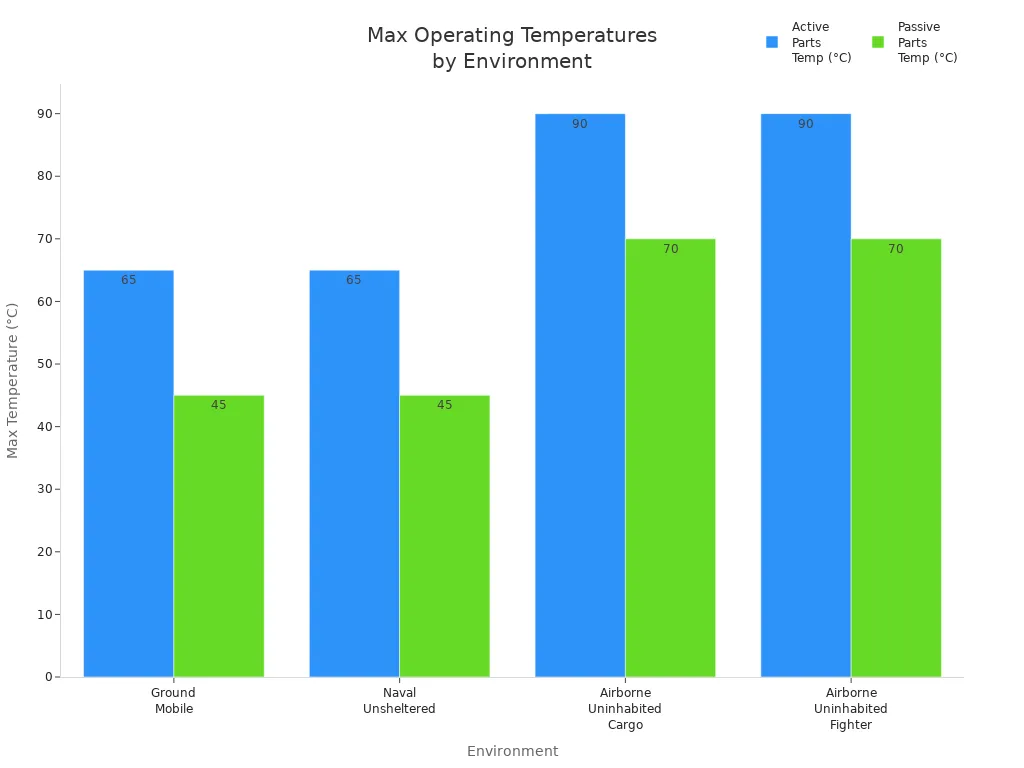
You should check that your avl device meets the right rules for your vehicles. If you use your fleet in hot or cold places, you need a device that can handle those tough spots.
Safety is important for automatic vehicle location systems. Many devices follow the ISO 26262 standard. This rule helps you manage risks and keep your fleet safe. It guides you from checking dangers to picking safe parts. The table below shows what ISO 26262 covers:
Evidence Description | Source Link |
|---|---|
ISO 26262 provides guidelines for risk management and defines safety integrity levels. | DNV |
Compliance with ISO 26262 helps qualify components and suppliers of E/E components. | DNV |
The standard defines a functional safety lifecycle starting with Hazard and Safety Analysis. | DNV |
ISO 26262 emphasizes collaboration among stakeholders to ensure functional safety. | onsemi |
The standard helps identify safety requirements for integrated circuits. | onsemi |
You should always ask if your avl system follows these safety rules. This helps keep your drivers and vehicles safe.
Integration with Vehicle Systems
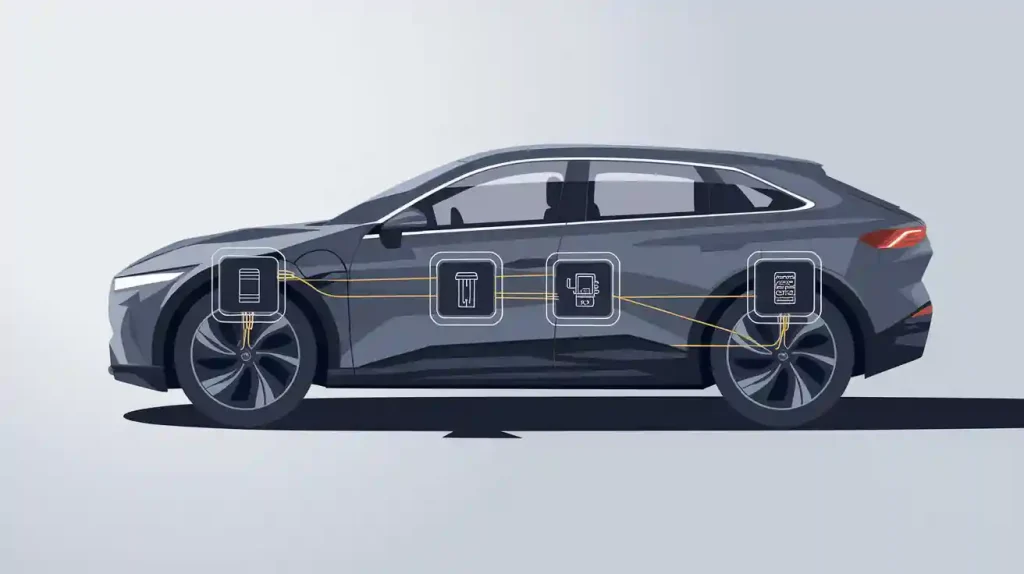
You want your automatic vehicle location device to work with your vehicle’s electronics. This means your avl system must connect to things like the engine, sensors, and dashboard screens. You might have some problems when you add a new device to a modern vehicle. Here are some common issues:
Your avl device might not work well with both DSRC and cellular technology.
Fast-moving vehicles can make it hard to keep a good connection.
Drivers may like different networks, which can cause problems if vehicles are not all the same.
You need to share control between a main system and the vehicle’s own systems.
Some parts of your vehicle need to stay smart on their own, which makes things harder.
Car makers and suppliers must work together to make sure everything fits.
You may also need to change your automatic vehicle location hardware or software. This helps your avl system work with different types of vehicles. Makers often change the design so the device fits and works well in each vehicle.
Tip: Always check with your vehicle maker or supplier before you put in a new avl device. This helps you avoid problems and keeps your fleet working well.
When you plan your automatic vehicle location system, you must think about accuracy, safety, and how well it fits with your vehicles. If you follow these steps, you can build a strong avl system that helps you manage your fleet and respond to emergencies.
Vehicle Dash Mounting and PCB Design
Dash Mount Integration and Customization
You need strong dash mounts to keep your locator safe. Dash mounting helps you see your device without blocking your view. Many work vehicles use special mounts for rough roads. These mounts help your device stay in place every day. Here are some dash mounts you might find:
BuiltRight dash mounts are tough and stable. They work well in hard conditions.
Mountech holders give you strong mounts for hands-free use.
Gamber-Johnson mounts fit your vehicle and keep your locator easy to see.
You can make dash mounts better by adding custom features. Customizing lets you add switches or gauges. You can also add other tools you need for work. Some mounts use the center speaker grill for mounting tools. ProClip dash mounts give you a strong spot for your locator. The right dash mounts help you use your device safely and easily.
Tip: Pick dash mounts that fit your vehicle and your job. Good dash mounts help you stay neat and pay attention to driving.
PCB Design and Manufacturing Process
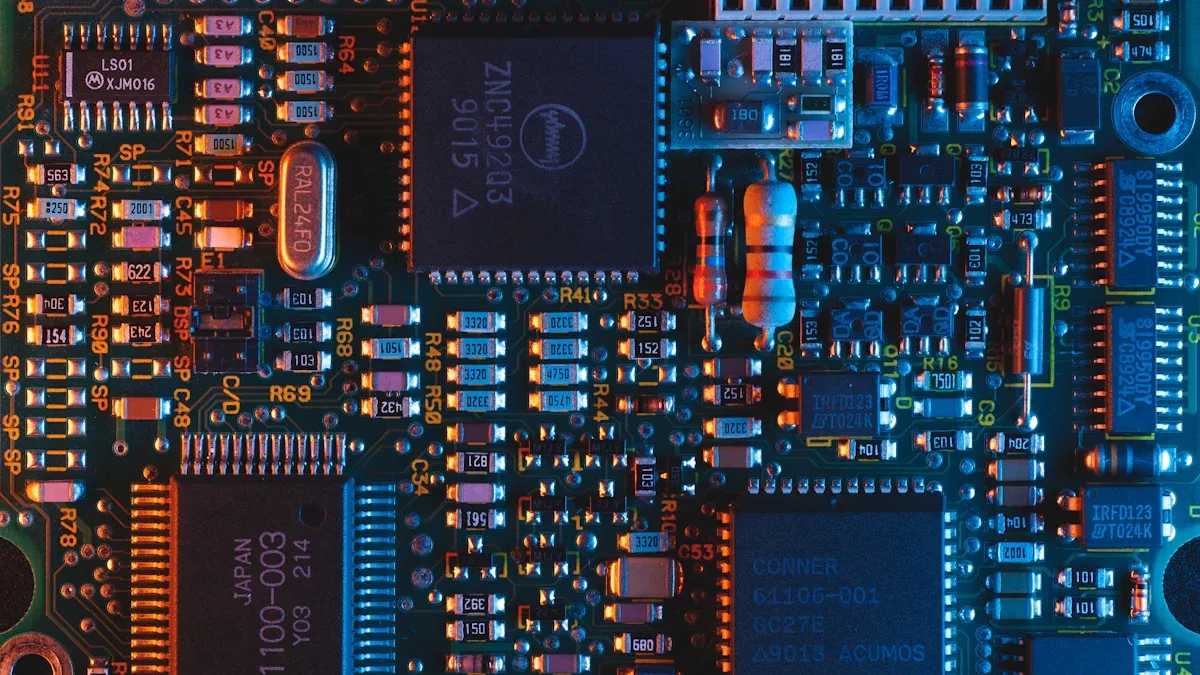
You need a strong PCB for your locator to work well. The design starts with software to plan the circuit. After planning, you sand and clean the copper plate. You put the design on the plate and heat it to stick. A cold bath removes the paper from the plate. Next, you etch the PCB to take away extra copper. You wash and dry the board, then drill holes for the parts.
In factories, engineers do more steps to make sure the PCB works. They check the files and use lasers to make the pattern. They line up the layers and press them together. Drilling makes holes for each part. Some factories use special materials and coatings. These protect the PCB from heat, shaking, and water. Testing checks for vibration, temperature, and wetness. Careful steps help your locator last longer.
Feature | Description |
|---|---|
High-Performance Materials | Strong materials help the PCB work in hot or cold weather. |
Extensive Testing | Tests check for shaking and temperature changes. |
Moisture Protection | Coatings stop rust and water damage. |
Lifecycle Management | Products last over 10 years in vehicles. |
Precision Engineering | Multi-layer boards and HDI tech make them more reliable. |
Testing Methods | Cycling, shaking, and wetness tests for vehicles. |
You get a reliable locator when you use good dash mounts and a strong PCB.
Manufacturing Process for Vehicle-mounted Locators

Material Selection and Assembly
You want your avl device to last and work in hard places. First, you pick strong materials for the case, like aluminum or tough plastic. These materials keep the inside safe from heat, cold, and shaking. Special coatings stop water and dust from getting inside. For the circuit board, you use good copper and fiberglass. These help your avl system send signals without trouble.
When you build avl devices, you follow steps:
Prepare the Parts: You collect all the pieces, like the PCB, connectors, and antennas.
Assemble the Circuit Board: You put chips and sensors on the PCB. Machines solder them in place.
Test the Board: You check if the board works before putting it in the case.
Put Together the Case: You put the board and other parts inside the case. You add seals to keep out water and dust.
Final Assembly: You attach cables, antennas, and mounts. You make sure everything fits tight.
Initial Testing: You turn on the avl device and check if it powers up and sends signals.
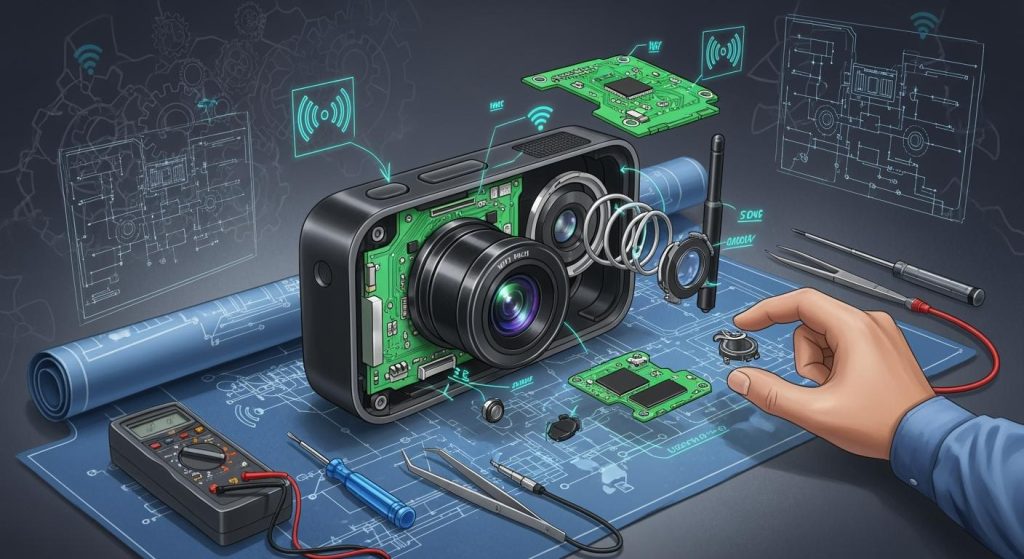
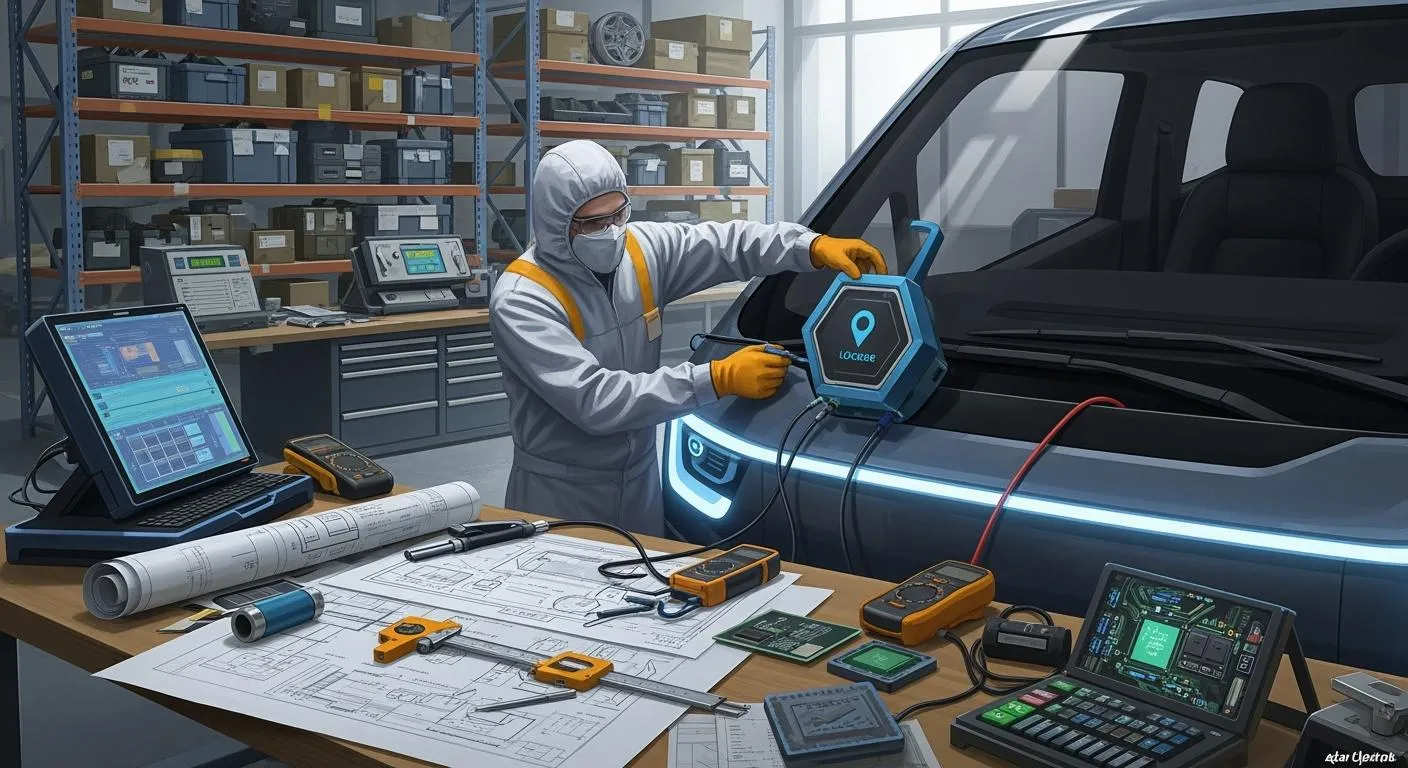
Each avl device should fit what your fleet needs. Some vehicles need more shielding for heat or shaking. Others need special mounts for the dashboard. You can add things like backup batteries or extra memory. Good assembly helps your avl system work well in police cars, ambulances, and trucks.
Tip: Always use parts that meet industry rules. This helps your avl device pass safety and quality checks.
Quality Control and Industry Compliance
You want every avl device to work the same way. Quality control helps you find mistakes before they reach your fleet. You use many ways to check your avl systems. The table below shows some common ways to keep quality high:
Quality Control Methodology | Description |
|---|---|
ISO 9001 Certification | A standard that specifies requirements for a quality management system. |
Six Sigma Methodologies | A set of techniques and tools for process improvement. |
Statistical Process Control | Techniques for monitoring and controlling processes. |
Failure Mode and Effects Analysis | A systematic method for evaluating processes to identify where and how they might fail. |
Supplier Quality Management Practices | Ensures that suppliers meet quality standards. |
You use ISO 9001 to make sure your factory follows good rules. Six Sigma helps you fix problems and make fewer mistakes. Statistical process control lets you watch how your avl devices are made. Failure Mode and Effects Analysis helps you find weak spots before they cause trouble. You also check that your suppliers send you good parts.
You must also follow rules from groups like the FCC and CE. These rules keep your avl devices safe and legal. The table below shows how these rules change how you make avl systems:
Compliance Requirement | Influence on Manufacturing Process |
|---|---|
FCC Certification | Requires early integration of EMC principles, such as shielding and grounding, to minimize emissions and avoid costly retesting. |
CE Marking | Involves adherence to multiple directives, necessitating careful design to ensure compliance with health, safety, and environmental standards. |
You need to plan for these rules early. You add shielding and grounding to stop signal problems. You design your avl device to meet health and safety laws. If you skip these steps, you might get fined or have to recall your avl devices.
Compliance testing checks that your avl system is safe and works well.
If you do not follow the rules, you could lose money or face legal trouble.
Planning for compliance early makes it easier to get your avl device approved.
You want your avl system to pass all tests before you send it to customers. This keeps your fleet safe and your business strong. You also build trust with people who use your avl devices every day.
Challenges and Future Trends in AVL
Common Design and Manufacturing Obstacles
You face many problems when you design and build avl devices. Your avl system must work with lots of vehicles and electronics. Sometimes, it is hard to connect new avl devices to old vehicle systems. You also need to make sure your avl devices stay safe and work well in tough places.
Here are some ways companies fix these problems:
They use Mobile Device Management tools like OEMConfig. This keeps avl devices up to date with new software and security.
They set the same settings on all avl devices. This helps stop mistakes and keeps your avl system working well.
They fix problems from far away. You do not have to wait for someone to come and repair your avl device.
They use strong security rules for all avl devices. This keeps your data safe and your avl system working right.
You also have to follow many rules and standards. If you skip these steps, your avl device might not work or could break.
Innovations in Locator Technology
You see many new ideas changing avl technology. Smaller tracking devices now fit in more places. This makes it easier for you to use avl in any vehicle. You can track your fleet better and follow all the rules. Emergency teams use computer dispatch systems to find the closest help fast. This means you get help quicker when you need it most.
The future of avl looks good. Artificial intelligence and the Internet of Things now work together in avl systems. You get better connections and real-time data. AI helps you pick the best routes and tells you when your vehicles need fixing. IoT devices send updates about your vehicles all the time. This makes your fleet safer and work better.
The market for avl keeps growing. The table below shows how fast avl is getting bigger:
Trend/Factor | Projected Growth Rate |
|---|---|
Overall Market CAGR | 12.34% from 2024 to 2035 |
Fleet Management Segment CAGR | Approximately 15% over the next five years |
Impact of E-commerce on Logistics | Logistics sector growth by 25% over the next few years |
You will see more people want advanced avl devices as cars get smarter. The automotive industry now uses avl for navigation, safety, and mapping. Smart cities also need avl to keep traffic moving and people safe.
Tip: Keep learning about new avl technology. This helps you keep your fleet ready for the future.
You help make fleet management better when you pick vehicle-mounted locators that follow tough design and manufacturing rules. These devices make your fleet safer, help you plan repairs, and give you real-time data for emergencies. New PCB designs are strong, block unwanted signals, and handle heat well. This keeps your fleet systems working right. In the future, AI, cloud maps, and augmented reality will change fleet management. These tools will make your vehicles smarter and your work faster.
Key Design Considerations | Description |
|---|---|
Environmental Robustness | Auto PCBs are made to handle shaking and very hot or cold weather. |
Electromagnetic Compatibility | Good planning stops problems from electromagnetic interference. |
Thermal Management | Getting rid of heat helps your device last longer and work better. |
FAQ
What is a vehicle-mounted locator?
A vehicle-mounted locator is a device you put in your car or truck. It lets you see where your vehicle is right now. You use it to keep your vehicle safe. It also helps you manage fleets and respond to emergencies.
How does a vehicle-mounted locator connect to my vehicle?
You hook up the locator to your vehicle’s electronics. Most locators use easy plugs or wires. Some types go inside the dashboard. You can ask your installer for the best way to connect it.
Why is PCB design important for locators?
PCB design decides how well your locator works. A strong PCB helps your device handle heat and shaking. It also protects your locator from moisture. Good design keeps your locator safe from electrical trouble.
What standards should my locator meet?
You should look for ISO 26262 for safety. FCC or CE are needed for legal use. These standards help your device stay safe and work well in your vehicle.
Can I use the same locator in different vehicles?
Some locators work in many vehicles. Others need special mounts or wiring. Always check the manual or ask your supplier before moving it.