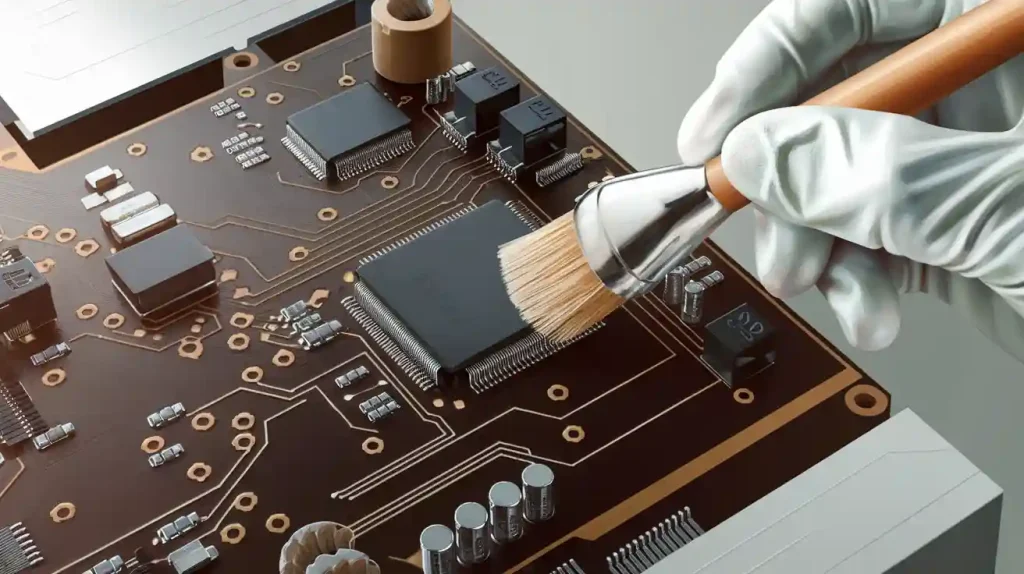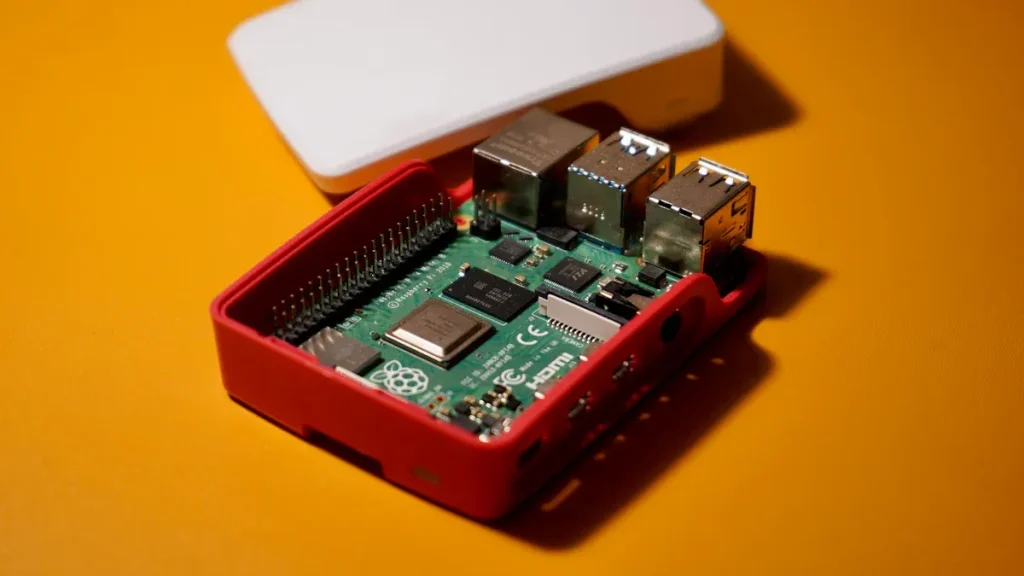
You use satellite communication every day. It helps with internet and TV. Careful design and making sure parts fit well keeps these systems working. They work even in tough places. Advanced CNC machining and RF shielding protect against electromagnetic interference. These also help keep equipment light. The market for satellite communication systems is getting bigger. You can see this in the table below:
Year | Market Size (USD Billion) | CAGR (%) |
|---|---|---|
2024 | 98.68 | N/A |
2034 | 260.65 | 10.2 |
As technology gets better, strong system integration matters more. This helps the systems work well and stay reliable.
Key Takeaways
Satellite communication systems help with internet, TV, and navigation. They are an important part of our daily lives.
Picking good materials and using the right ways to build helps satellites survive tough space conditions. This also makes sure they work well.
Good system design needs careful planning. People must look at what is needed and pick the right parts. This helps stop expensive mistakes.
Simulation and modeling tools let people test designs before building them. This saves time and money. It also helps the system work better.
New technologies like AI and 5G are changing satellite communication. These make it faster and work better.
Satellite Communication System Components
Satellites
Satellites are very important in satellite communication systems. Each one does a different job. Some satellites stay above the same spot on Earth. Others move fast in lower orbits. You can look at the table below to see the main types and what they do:
Type of Satellite | Role |
|---|---|
Geostationary Satellites | Provide continuous coverage for television broadcasting and broadband internet. |
Low Earth Orbit (LEO) | Offer lower latency and higher data rates, used for global internet coverage. |
Medium Earth Orbit (MEO) | Used in navigation systems like GPS, balancing coverage area and latency. |
Satellites help with many things:
Telecommunications: You can get voice, data, and video in faraway places.
Broadcasting: You can watch TV and listen to radio almost anywhere.
Navigation: You use GPS to find your way.
Remote Sensing: You learn about weather and disasters.
Military and Defense: You keep messages safe.
Small satellite RF systems use tiny transceivers and antennas. These parts help signals travel well, even with less power and space.
Ground Stations
Ground stations help you connect to satellites. They send and get signals. You need ground stations for sending data, watching, and control. These stations work with signals and help the system do better. You can find ground stations near the poles for sun-synchronous satellites. This spot helps get better downlink chances.
Key hardware at ground stations includes:
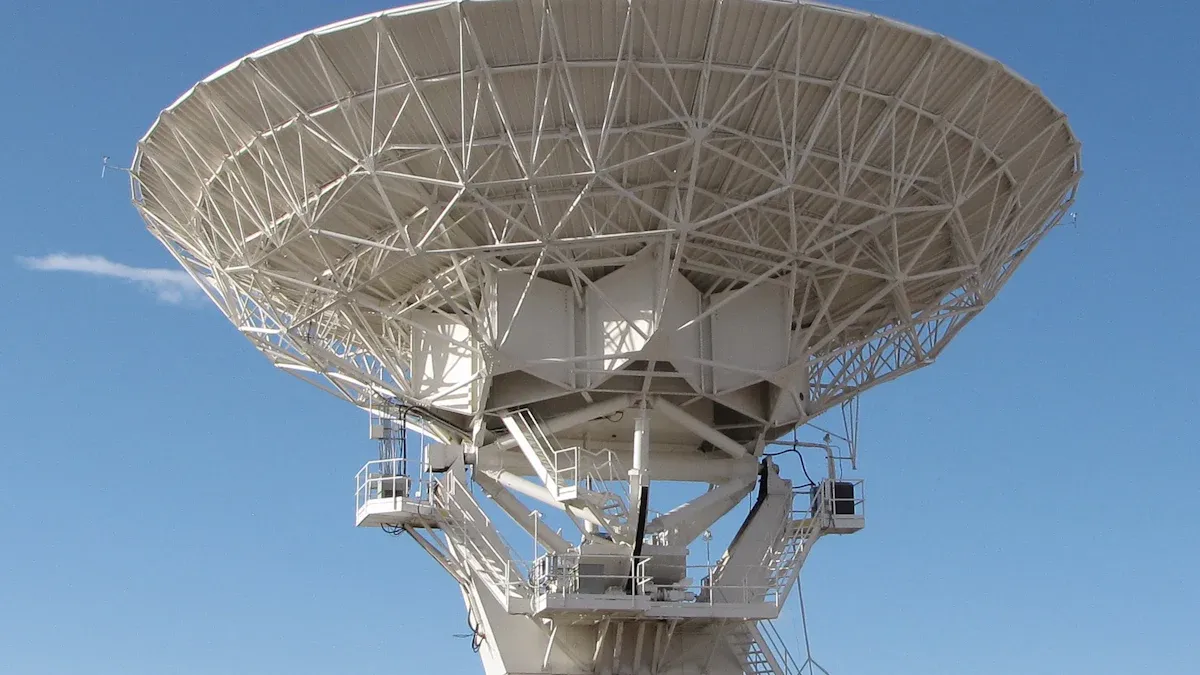
Large antennas to get strong signals.
Amplifiers to make weak signals stronger.
Modems and processors to handle data.
Communication Links
Communication links connect satellites and ground stations. You need these links for fast and clear data. The table below shows important things about them:
Characteristic | Description | Impact on Data Transmission Quality |
|---|---|---|
Antenna Gain-to-Noise Temperature Ratio (G/T) | Focuses and amplifies incoming RF signals compared to noise | Higher G/T improves weak signal reception and reduces noise. |
Effective Isotropic Radiated Power (EIRP) | Combines transmitter power and antenna gain | Higher EIRP allows longer transmission and resists interference. |
Signal-to-Noise Ratio (SNR) | Measures signal strength versus noise | Higher SNR means better quality and faster data. |
You find important hardware in satellite communication systems:
Component | Function |
|---|---|
Sends and receives RF signals for two-way communication. | |
Antenna Tuner | Matches antenna impedance for best power transfer. |
Modem | Changes signals for data and voice calls. |
Baseband Processor | Handles RF signals for reliable communication. |
Network Processor | Manages data flow and control for smooth connectivity. |
Tip: You can make communication better by picking the right hardware and knowing how each part works together.
System Design Process
Designing satellite communication systems needs good planning. Engineers must think about cost, how well it works, and if it is reliable. They do this at every step. Good choices help stop mistakes. These choices also make sure the system works in space.
Requirements Analysis
The first step is requirements analysis. This step helps you know what the system must do. You look at the mission goals and the orbit type. You also check how much data you need to send. Picking a frequency band is important too. These choices change how you build the system, how much it costs, and how well it works.
Factor | Influence on Architecture |
|---|---|
Orbit | Changes how long you see the satellite and how big the antenna is. It also changes how strong the transmitter must be. |
Propagation Latency | Makes it harder to control the mission in real time. This is a bigger problem for deep space. |
Lifecycle | The design must handle parts wearing out. It also must allow for repairs and new needs. |
Signal Power Spectrum | Signal quality depends on noise and SNR. This changes how well you can talk to the satellite. |
Doppler Effect | The signal changes when satellites move fast. This makes it harder to get the signal. |
You use standards and frameworks to help with requirements. Some examples are:
ISO 16290:2013 checks if the technology is ready.
ECSS-E-ST-10-02C helps with checking the system.
ECSS-E-ST-10-03C is for testing satellites.
ECSS-E-ST-40C is for software.
NASA Systems Engineering Handbook helps with all engineering steps.
You also make documents that show how each requirement connects. You check, update, and trace these as you work.
Architecture Planning
After you know what you need, you plan the system. You decide how each part will work together. You pick the orbit, satellite type, and ground station setup. You also choose the frequency band. Each band has good and bad points. Your choice changes how much data you can send and how clear the signal is.
C-band is stable but has less bandwidth.
Ku-band gives more bandwidth but can have weather problems.
Ka-band has the most bandwidth but needs special care for rain and signal loss.
You must balance bandwidth, interference, and government rules. You also look at how much and how fast you need to send data. These choices shape how your system works.
Component Selection
Now you pick the parts for your system. You want parts that work well, cost less, and last long. In space, you cannot fix broken parts. So, you use extra parts to keep things working if one fails. You also try to balance reliability, power use, and cost.
CubeSats and big satellites use different ways to pick parts. You can see the differences in the table below:
Aspect | CubeSat Approach | Larger Satellite Approach |
|---|---|---|
Component Selection | Uses COTS parts from stores | Needs special parts |
Cost Focus | Tries to save money | Has more money to spend |
Design Standardization | Uses the same designs for quick builds | Custom designs for each mission |
Development Cycle | Builds faster with COTS | Takes longer and tests more |
Operational Environment | Works in Low Earth Orbit (LEO) | Can work in many orbits with tough conditions |
CubeSats use new electronics for quick upgrades. Their small size means you cannot add much. But you can stack them to make bigger systems. This keeps costs low and design simple.
Simulation and Modeling
Simulation and modeling let you test your design before building. You use tools like MATLAB, STK, NS-3, and OPNET. These tools show how your system will work.
Tool | Advantages |
|---|---|
MATLAB | Helps design and check system parts. |
STK | Shows how the system works in different places and weather. |
NS-3 | Is free, flexible, and shows real-time data. |
OPNET | Models big networks and traffic. |
Simulation helps you see coverage, resources, and schedules. You can test how the system works in different situations. Using STK with MATLAB gives you good checks of satellite coverage. This helps you plan better and make smart choices.
Tip: Use simulation and modeling to find mistakes early. This saves time and money. It also helps your system work better.
You need good engineering at every step. Careful design, smart choices, and good tests help you build systems that last and work well.
Satellite Manufacturing and Assembly
Material Selection
You need to pick the best materials for satellites. The materials you choose affect how well your satellite works in space. Space is a tough place. There are very hot and cold temperatures. There is strong radiation and no air. Each material must handle these problems. The table below lists common materials and why they are used in satellite communication systems:
Material | Key Properties | Suitability for Space Applications |
|---|---|---|
Polyimide | Great thermal stability, flexible, resists radiation | Good for extreme temperatures and long use |
PTFE (Teflon) | Low dielectric loss, keeps signals clear | Works well for high-frequency communication systems |
Moves heat well, does not expand much | Good for handling heat in power systems | |
FR-4 | Strong, but not good with heat or radiation | Not good for space because it can release gas and does not handle cold well |
When you pick materials, you must think about more than strength. You need to block electromagnetic interference. You also need to protect against radiation. Some materials can cause problems like whiskering or outgassing. These problems can make your satellite stop working. For example, cables must survive high radiation and big temperature changes. If you use the wrong material, cables may lose signal or break. Picking the right materials keeps your satellite communication system strong and working well.
Precision Manufacturing Techniques
You need special ways to make satellite parts. These ways help you make parts that fit very well. Here are some important methods for making components:
CNC machining helps you make complex satellite parts with great accuracy. You can make parts that fit just right and are safe.
Industrial 3D printing, or additive manufacturing, lets you build flight hardware from metal or plastic. You can make shapes that are hard to make with other ways.
You also use special methods like RF shielding and FIP gaskets. RF shielding blocks signals you do not want. FIP gaskets seal parts and keep out dust and water. These methods help your satellite communication system work well in space.
The table below shows how advanced manufacturing helps your satellite:
Manufacturing Technique | Benefit |
|---|---|
Precision Engineering | Makes sure parts can handle space and still work well. |
Rapid Prototyping | Lets you test ideas fast and improve designs. |
Vertical Integration | Makes things faster and keeps quality high. |
Stringent Quality Control | Makes sure every part is good enough for space. |
Tip: Use design for manufacturing and assembly to make your work easier. You save time and make fewer mistakes when you plan for both from the start.
Satellite Assembly Methods
You must follow careful steps to put satellites together. Each part must fit and work with the others. You use design for manufacturing and assembly to keep steps clear and simple. This helps you avoid mistakes and work faster.
You start by making smaller parts called subassemblies. You build and test these first. Then you put them together to make the whole satellite. You use special tools to hold parts in place. You also use clean rooms to keep dust away. Every step needs careful checks. You must make sure each part is right.
You use component manufacturing to make antennas, transceivers, and amplifiers. You test each part before adding it to the satellite. You also use design for manufacturing to make parts easy to build and put together. This helps you save money and make better satellites.
Quality Assurance and Testing
You cannot let satellites fail in space. You must use strict quality checks when making and putting together satellites. You follow industry rules and test every part. The table below shows important quality steps:
Quality Assurance Measure | Description |
|---|---|
Design and Construction Guidelines | Makes sure you use good materials and strong designs for space. |
Electrical Testing | Checks that devices work right with different electrical tests. |
Environmental Testing | Tests parts with shaking and heating to see if they last in space. |
Burn-in and Life Testing | Finds early problems and checks how long parts last. |
Lot Acceptance and Quality Conformance | Checks that all parts in a batch are the same and good. |
Documentation and Traceability | Keeps good records for materials and tests. |
You use environmental testing to see if your satellite can survive launch and space. You shake, heat, and cool the satellite to check if it breaks. You also test how well each system works. You check power, communication, and control. After you finish putting the satellite together, you run system tests. These tests make sure the whole satellite communication system works as it should.
Note: Good quality checks and testing help you find problems before launch. You save money and stop mission failure.
You must use design for manufacturing and assembly at every step. This helps you build strong and reliable satellite communication systems. You make sure each part fits, works, and lasts in space.
Integration, Launch, and Deployment

System Integration
You have to put all the satellite parts together before launch. This is called system integration. You make sure each part works with the others. Here are the main steps:
Decide what your mission needs. Work with radiometric experts to get good results.
Build and connect each part, like antennas and power units.
Test the whole satellite. Compare your results to known standards. This shows if your satellite will work right.
Tip: Careful system integration helps you stop problems before launch.
Launch Preparation
You must get your satellite ready for launch. This keeps it safe and ready for space. Many teams work together to check everything. The table below shows the main steps:
Step | Description |
|---|---|
Integration with Launch Vehicle | Attach your satellite to the launch vehicle. Make sure it is secure and in the right position. |
Pre-launch Preparation | Work with the deployer maker, operator, and launch team. Check that all parts match. |
Deployment Strategy | Plan how to release the satellite. Use safe systems like pneumatic or mechanical actuators. |
Activation and Deployment | Start the release system by hand or computer. This puts the satellite in orbit. |
You check every detail. You want your satellite to survive the trip to space.
Deployment Procedures
After launch, you need to get your satellite ready to work. You follow special steps to keep it safe. The table below explains these steps:
Procedure Type | Description |
|---|---|
Launch Vehicle Compatibility | Make sure your satellite fits the launch vehicle. This stops problems during launch. |
Deployment Procedures | Use safe ways to move your satellite into orbit without damage. |
Watch your satellite with sensors and software. Update systems, check data, and avoid collisions. |
You keep checking your satellite after it is in space. You use software updates and data checks to keep it working well. You also use collision avoidance to protect it from space debris.
Note: Good deployment steps help your satellite start working fast and stay safe in space.
Challenges and Innovations in Satellite Communication
Technical and Regulatory Challenges
There are many hard problems in satellite communication. These problems can slow down new ideas and make work tough. Some big problems are:
Trouble with frequency spectrum allocation
Service convergence changes future radio rules
More spectrum needed for mobile satellite services
Rules for ground parts in L-band systems
Space debris and interference from many satellites
Software defined radio and cognitive radio for flexible spectrum use
More radio interference as space gets crowded
Hard to remove old satellites and launchers
Must follow ITU Radio Regulations to stop bad interference
Crowding in geostationary orbit slots
You need to fix these problems to keep satellites safe and working.
Cost and Reliability Management
You must watch costs and make sure satellites last long. Manufacturing is very important for this. You check every part before launch. You use backup parts in case something breaks. Good steps like CNC machining and RF shielding save money and stop mistakes. Design for manufacturing makes building and assembly faster and easier.
Emerging Technologies and Trends
New technology changes how you build and use satellites. The table below shows some key trends:
Aspect | Description |
|---|---|
Integration | You can connect satellite technology with 5G for better service. |
Applications | Satellites help with disaster recovery, emergency services, and the military. |
Technology | LEO satellites, small antennas, and hybrid networks give more coverage. |
Government | Programs like the FCC’s RDOF help close the digital divide. |
AI makes 5G NTN networks smarter and more reliable. It helps satellites work by themselves and saves money. New software protocols and standards help satellites and ground stations talk better.
Reverse Engineering and Redesign
Reverse engineering lets you learn from old satellite systems. For example, engineers used model-based systems engineering to study and improve designs. This helped the Air Force set new rules and let more companies help make satellites. Researchers at UT Austin studied Starlink signals. They found ways to use these signals for positioning, almost as good as GPS. When you reverse engineer, you find new uses for old technology. This brings better satellite communication and new ideas in manufacturing.
You help design and build satellite communication systems. First, you figure out what the system needs. Then you pick strong materials for the job. You use new ways to make the parts. You test each satellite to see if it works in space. There are new things changing the future:
Eutelsat OneWeb gives fast internet all over the world.
Maritime software helps ships stay safe.
IoT lets machines talk to each other right away.
5G makes satellite communication quicker and more steady.
More people want better satellite payloads and smart AI tools.
Small satellites and 3D printing make building simpler.
On-orbit services and cleaning up space junk keep satellites safe.
You help make a world where satellites connect everyone.
FAQ
What is the main job of a satellite in communication?
Satellites send and get signals far away. They help you use internet, TV, and phones where wires do not go.
How do you keep a satellite safe from space hazards?
You use tough materials and shields. These keep the satellite safe from heat, cold, and radiation. Every part gets tested before launch.
Why do you need ground stations?
Ground stations let you talk to satellites. They send commands and get data. Without them, you cannot use or control your satellite.
Can you fix a satellite after launch?
Most satellites cannot be fixed after launch. You must test and check all parts before sending them to space. Some new satellites can get software updates from Earth.