Choosing the best surface finish for your PCB is important. ENIG PCB and ENEPIG are two common choices with different benefits. ENIG PCB is cheaper and works well for soldering and resisting rust. ENEPIG is stronger and works better for advanced uses. Pick based on what you need, like saving money or lasting longer. Knowing these finishes helps your PCB work as planned.
Key Takeaways
ENIG is cheaper and works well for most electronics. It resists rust and solders easily.
ENEPIG is stronger and better for bonding wires. It is great for advanced uses like space and medical tools.
Think about your project: pick ENIG to save money or ENEPIG for tough jobs.
Both finishes work with lead-free solder, making them safe and eco-friendly.
Good design and storage can make ENIG and ENEPIG last longer.
Understanding ENIG and ENEPIG
What Is ENIG Surface Finish?
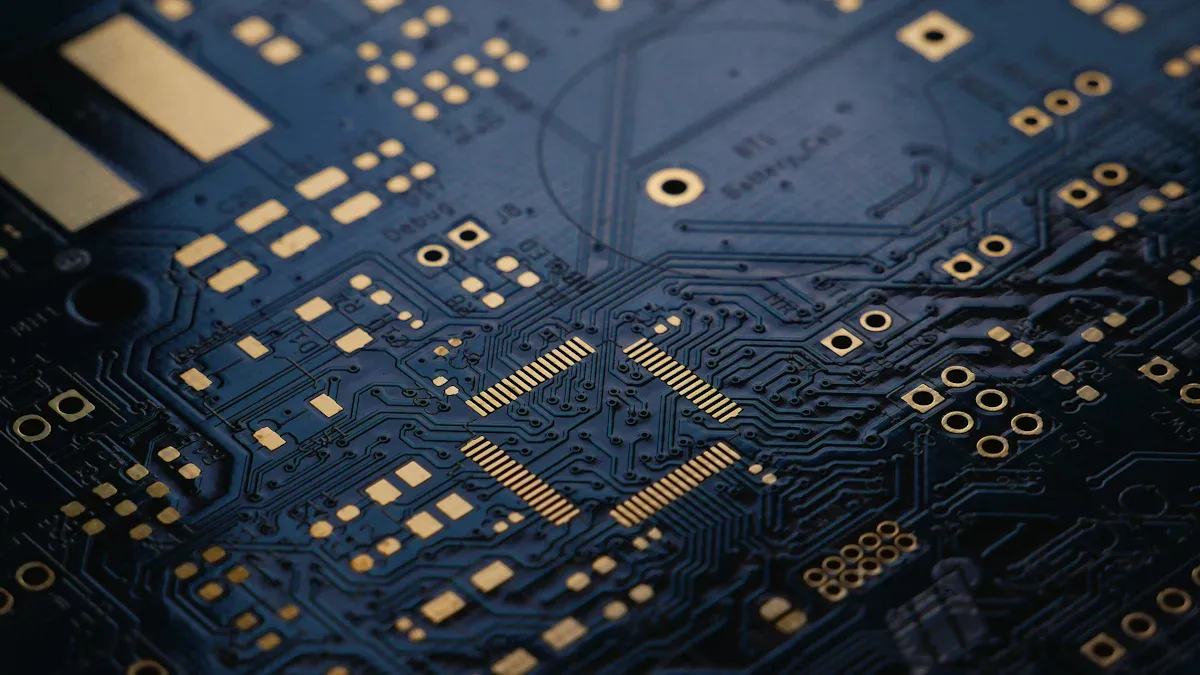
ENIG stands for Electroless Nickel Immersion Gold. It is a common surface finish for PCBs. It uses two metal layers to protect copper pads. First, a nickel layer is added to the copper. Then, a thin gold layer is applied using immersion. This process stops rust and makes soldering easy.
ENIG follows strict rules to ensure good quality. For example, the IPC-4552B standard checks for rust and nickel’s phosphorous levels. The nickel layer is usually 4 to 7 µm thick. The gold layer is thinner, about 0.05 to 0.23 µm. These exact measurements help it last longer and work well.
ENIG is popular because it is affordable and works well. It resists rust and has low contact resistance, making it useful for many projects.
What Is ENEPIG Surface Finish?
ENEPIG stands for Electroless Nickel Electroless Palladium Immersion Gold. It is a more advanced surface finish. It adds a palladium layer between nickel and gold. This extra layer stops nickel from rusting and helps with wire bonding.
The ENEPIG process has four steps. First, copper is prepared for plating. Then, nickel is plated, followed by palladium. Finally, a gold layer is added. The palladium layer is about 0.05 to 0.1 µm thick. The gold layer is thinner, around 0.03 to 0.05 µm. Together, they protect against rust and ensure strong soldering.
ENEPIG is best for high-tech uses like aerospace and medical devices. It is very durable and precise.
How Are ENIG and ENEPIG Applied to PCBs?
Both ENIG and ENEPIG use several steps to coat PCBs.
ENIG Process:
Copper is prepared for plating.
Nickel is plated to protect and bond with solder.
Gold is added to stop oxidation and improve conductivity.
ENEPIG Process:
Similar to ENIG but includes a palladium layer. This layer stops rust and helps with wire bonding.
The table below shows how ENIG and ENEPIG compare:
Finish | Wire Bondability | Solderability | Corrosion Resistance | Contact Resistance (Ohms) | Shelf Life (Months) |
|---|---|---|---|---|---|
ENEPIG | Excellent | Excellent | Excellent | 0.02 | 12 |
ENIG | Good | Excellent | Good | 0.03 | 6 |
When picking a finish, think about cost, durability, and needs.
Advantages and Disadvantages of ENIG Surface Finish
Benefits of ENIG for PCB Applications
ENIG has many benefits, making it a favorite for PCBs. It creates very smooth surfaces, which help with tight designs. This smoothness also helps place parts accurately. ENIG makes strong solder joints because the nickel layer bonds well. It also works with lead-free solder, which is better for the environment.
ENIG is durable and lasts a long time. The gold layer stops the nickel from rusting, keeping the PCB in good shape. It also improves how electricity flows, making circuits work better. For example, using mid-phos nickel and soft gold ensures good results. These features make ENIG a great choice for many uses.
Advantages of ENIG | Description |
|---|---|
Surface Planarity | Smooth surfaces for accurate designs |
Solder Reliability | Strong and lasting solder connections |
Durability | Protects against rust for longer life |
Lead-Free Compatibility | Works with eco-friendly solder |
Electrical Conductivity | Improves how circuits perform |
Limitations of ENIG Surface Finish
ENIG also has some downsides. It costs more than other finishes. This is because it needs several steps, like adding nickel and gold. This makes it less ideal for projects with tight budgets.
Another problem is the chance of black pad defects. These happen when the nickel layer gets damaged during plating. This can weaken solder joints. To avoid this, the process must be carefully controlled. For example, keeping deposits even and using low-palladium activators can help. But this requires skill and close monitoring, which makes production harder.
Disadvantages of ENIG | Description |
|---|---|
Higher Cost | Costs more due to extra steps |
Black Pad Risk | Nickel damage weakens solder joints |
Process Complexity | Needs careful control and expertise |
While ENIG has many strengths, think about its limits. Decide if it fits your project needs before choosing it.
Advantages and Disadvantages of ENEPIG Surface Finish
Benefits of ENEPIG for PCB Applications
ENEPIG has many benefits, especially for important projects. It has a special layer of palladium between nickel and gold. This layer makes it stronger and last longer. It also stops nickel from rusting and keeps solder joints strong. ENEPIG is great for projects needing strong and reliable connections.
Here are some main benefits of ENEPIG:
It makes very strong solder joints, perfect for aerospace and medical devices.
Its wire bonding is as good as thicker gold finishes like ENAG.
The gold layer in ENEPIG helps with soldering and electrical contact.
ENEPIG is flexible and works for many designs. It supports both wire bonding and soldering. It also resists rust and keeps electricity flowing well over time. This makes it a top choice for advanced electronics.
Limitations of ENEPIG Surface Finish
Even with its benefits, ENEPIG has some downsides. Its plating process is tricky and needs careful control. Adding the palladium layer takes more time and costs more. This makes it harder to use for cheaper projects.
Another problem is keeping the plating baths stable. Some ENEPIG formulas use harmful chemicals, which can hurt the environment. Also, nickel can still corrode in some cases, even with ENEPIG. This can cause problems during production and lower the PCB’s quality.
Here are some common downsides:
Plating baths can be hard to keep stable.
Harmful chemicals in the process can harm the environment.
Nickel can still corrode and cause quality issues.
ENEPIG is great for reliable projects, but think about these challenges before choosing it.
Comparing ENIG and ENEPIG
Key Differences in Composition and Process
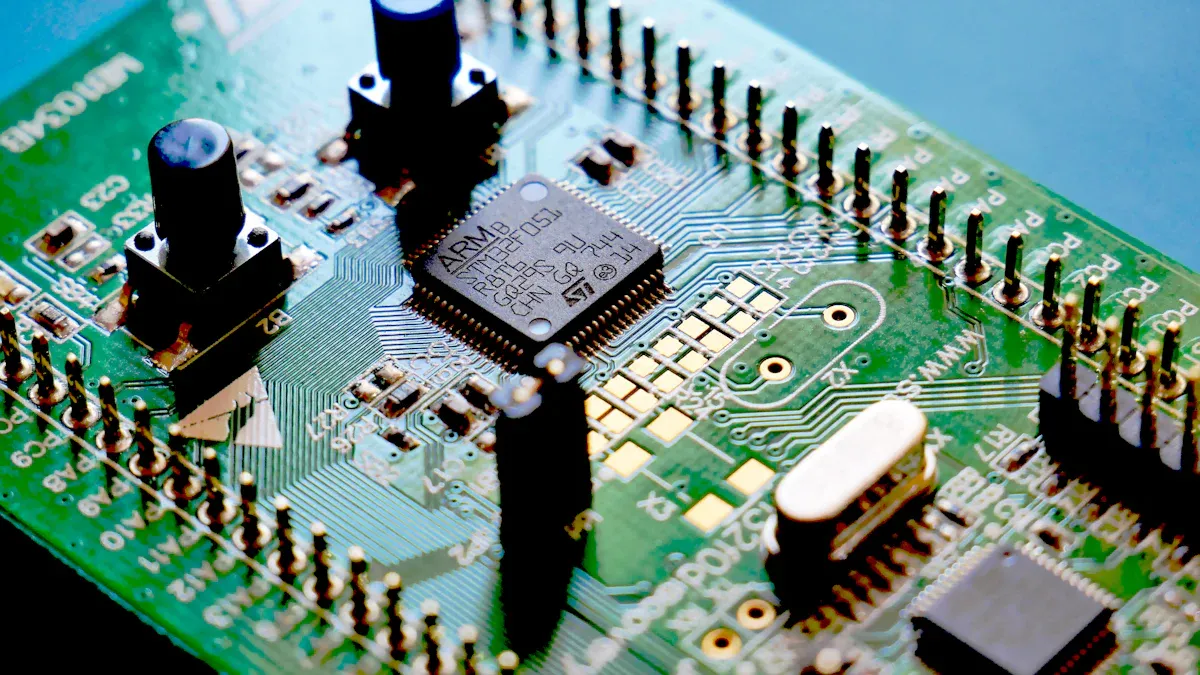
ENIG and ENEPIG differ in their layers and process. ENIG has two layers: nickel and a thin gold layer. These layers protect copper and make soldering easy. ENEPIG adds a palladium layer between nickel and gold. This extra layer makes it stronger and stops nickel from rusting.
The ENIG process is quicker and simpler. It involves preparing copper, adding nickel, then gold. ENEPIG takes longer because it includes the palladium layer. This extra step makes it more expensive and complex. If your project needs strong wire bonding, ENEPIG is better. For general use, ENIG is cheaper and works well.
Performance and Reliability Comparison
Both ENIG and ENEPIG work well, but reliability depends on use. ENIG has a smooth surface, helping place parts accurately. It solders well and is great for most projects. However, its wire bonding is only average, so it’s not ideal for advanced uses.
ENEPIG is more reliable for critical uses like aerospace or medical devices. The palladium layer makes it stronger and better for wire bonding. It also resists rust better than ENIG. Both finishes meet RoHS standards and last up to one year. The table below compares their performance:
Aspect | ENIG | ENEPIG |
|---|---|---|
Very smooth and flat | Very smooth and flat | |
Wire Bonding Capability | Moderate | Strong |
Touch Interface Handling | Capable | Capable |
Compliance with RoHS | Yes | Yes |
Shelf Life | Up to 1 year | Up to 1 year |
Dependability | Highly dependable | Highly dependable |
Suitable Applications | General use | Military, aerospace, medical |
If your project needs wire bonding or high reliability, pick ENEPIG. For simpler projects, ENIG is a good and affordable choice.
Compatibility with PCB Applications
ENIG and ENEPIG work for different types of PCBs. ENIG is best for general electronics where cost matters. It’s great for consumer gadgets, cars, and other simple uses.
ENEPIG is better for high-tech projects. It’s durable and great for wire bonding, making it ideal for military, aerospace, and medical devices. These fields need precision and reliability, which ENEPIG provides.
Choose based on your project’s needs. If you want low cost and simplicity, go with ENIG. For advanced features and long-lasting performance, ENEPIG is the better option.
Detailed Comparison Based on Critical Factors
Cost Analysis of ENIG vs. ENEPIG
ENIG costs less than ENEPIG because it uses fewer materials. Its process is simpler, making it a budget-friendly option for most uses. ENEPIG, however, costs 20–25% more due to the palladium layer. This layer improves wire bonding and stops rust but raises the price.
ENEPIG’s process is harder and needs more equipment. This adds 15–20% to its cost compared to ENIG. Still, ENEPIG saves money over time by avoiding black pad problems. These defects can cause expensive repairs. If your project needs strong and lasting results, ENEPIG is worth the extra cost.
Feature | ENEPIG | ENIG |
|---|---|---|
Cost | Higher | Lower |
Process Complexity | High | Moderate |
Long-term Value | Excellent | Good |
Application Suitability for ENIG and ENEPIG
ENIG works best for simple projects where cost matters. It’s great for consumer gadgets, car systems, and basic PCBs. Its smooth surface and good soldering make it reliable. But ENIG isn’t ideal for advanced uses because its wire bonding is limited.
ENEPIG is better for high-tech fields like aerospace and medical devices. Its palladium layer makes wire bonding strong and stops rust. For example, ENEPIG is great for 5G networks and car electronics, where reliability is key. If your project faces tough conditions or needs high-frequency signals, ENEPIG is the smarter choice.
Aspect | ENIG | ENEPIG |
|---|---|---|
Preferred Applications | Standard electronics | High-frequency, wire bonding |
Corrosion Resistance | Moderate | Superior |
Reliability in Harsh Environments | Moderate | High |
Durability and Longevity of ENIG and ENEPIG
ENIG is strong and lasts a long time. Its nickel layer resists wear and handles stress well. The gold layer stops rust, keeping electrical performance steady. If stored properly, ENIG can last over a year without problems.
ENEPIG is even tougher. Its palladium layer protects nickel from rust and extends the PCB’s life. This makes ENEPIG perfect for projects needing long-term reliability. Though its process is harder, ENEPIG’s even coating ensures it works well in tough conditions.
For projects needing durability and wear resistance, ENEPIG is better. But for simpler needs, ENIG is a strong and cheaper option.
Wire Bonding Capabilities of ENIG and ENEPIG
Wire bonding is very important for advanced PCB uses. ENIG and ENEPIG perform differently in this area. ENIG offers decent wire bonding, good for basic electronics. ENEPIG, however, is much better because of its palladium layer. This layer makes bonds stronger and more reliable.
The palladium layer in ENEPIG stops nickel from rusting. It also keeps the bonding surface clean. This makes ENEPIG perfect for gold wire bonding in aerospace and medical devices. Even with a thin palladium layer, ENEPIG bonds better than ENIG. The table below shows key details for testing wire bonding:
Parameter | Value |
|---|---|
Wire | 1mil Gold |
Capillary | B1014-51-18-12 (PECO) |
Wire bonder | TPT HB16 |
Stage temperature | 150°C |
Ultrasonic | 250mW (1st), 250mW (2nd) |
Bonding time | 200ms (1st), 50ms (2nd) |
Loading force | 25g (1st), 50g (2nd) |
Step | 0.7mm (1st to 2nd wire length) |
Wire pull instrument | Dage series 4000 |
Wire pull speed | 170μm/sec |
These results show ENEPIG is better for wire bonding. It’s the best choice for projects needing strong and reliable bonds.
Compliance with Industry Standards
Both ENIG and ENEPIG follow strict rules to ensure quality. ENIG meets IPC-4552 standards, which check for rust resistance, soldering, and durability. This ensures ENIG works well for many uses.
ENEPIG follows IPC-4556 standards. These rules focus on nickel, palladium, and gold layers. They ensure ENEPIG provides excellent bonding, rust resistance, and long-lasting performance.
Standard Code | Description |
|---|---|
IPC-4552 | Defines the process for ENIG surface finishes. |
IPC-4556 | Sets rules for ENEPIG surface finishes. |
Both finishes meet global standards, so they are reliable. But ENEPIG’s compliance with IPC-4556 makes it better for advanced and precise projects.
Practical Tips for Picking the Right Finish
When to Pick ENIG for Your PCB
Choose ENIG if you want a cheaper and reliable option. It works well for everyday electronics, car systems, and simple projects. Its smooth surface helps place parts correctly, even in tight spaces. ENIG also supports lead-free solder, which is better for the environment.
For high-frequency uses, ENIG is a solid choice. Its nickel and gold layers help electricity flow and stop rust. But, you need to design pads and solder masks carefully. This avoids problems like black pad defects. For example, keeping copper areas small can make plating more even.
ENIG is also good if your PCB needs to last long. If stored properly, it stays in good shape for up to a year. This makes it a reliable finish for PCBs not used right away.
When to Pick ENEPIG for Your PCB
Pick ENEPIG for advanced projects needing strong and lasting results. It’s great for aerospace, medical tools, and military electronics. The palladium layer in ENEPIG stops nickel from rusting and makes it very durable.
If your project needs gold wire bonding, ENEPIG is the best choice. The palladium layer keeps the bonding surface clean and stable. This is perfect for 5G networks and high-frequency devices where precision matters.
ENEPIG is also excellent for stopping rust. Unlike other finishes, it avoids using black nickel, which can corrode. While ENEPIG costs more upfront, it saves money later by reducing repairs and defects. This makes it worth it for important projects.
Things to Think About for Your PCB Design
When choosing between ENIG and ENEPIG, think about these key points:
Project Needs: For simple electronics, ENIG balances cost and performance. For critical projects, ENEPIG offers better durability and bonding.
Budget: ENIG is cheaper and good for tight budgets. ENEPIG costs more but lasts longer for advanced designs.
Plating Process: Good design improves both finishes. For ENIG, avoid large copper areas for even plating. For both, leave enough space for solder masks.
Environment: If your PCB faces tough conditions, ENEPIG resists rust better. ENIG is reliable but less suited for extreme environments.
Testing: Use tools like X-ray fluorescence (XRF) to check plating thickness. Look for defects to ensure your finish is reliable.
By thinking about these points, you can pick the finish that fits your project best.
ENIG and ENEPIG each have their own strengths for PCBs. ENIG is great for soldering and resists rust well. It’s a budget-friendly choice for most uses. ENEPIG works better for advanced needs. Its palladium layer helps with wire bonding and adds protection. Check the table below to see their pros and cons:
Surface Finish | Benefits | Drawbacks |
|---|---|---|
ENIG | Good for soldering, resists rust | Nickel can leach, shorter life |
ENEPIG | Strong wire bonding, extra protection | Costs more, harder to make |
Think about your project’s cost, needs, and durability to decide.
FAQ
1. What makes ENIG and ENEPIG different?
ENIG has two layers: nickel and gold. ENEPIG adds a palladium layer between them. This extra layer makes it stronger, stops rust, and helps wire bonding. ENIG is cheaper, while ENEPIG is better for advanced uses like medical tools or aerospace.
2. Can both ENIG and ENEPIG work with lead-free soldering?
Yes, both finishes support lead-free soldering. Their smooth surfaces and gold layers create strong solder joints. ENIG is a budget-friendly choice, while ENEPIG is more reliable for important projects.
3. How do I choose the right finish for my PCB?
Think about your project’s needs. Use ENIG for affordable, simple designs. Choose ENEPIG for tough projects needing durability, wire bonding, or rust resistance. Consider your budget, environment, and performance needs.
Tip: For projects needing high reliability, ENEPIG is worth the extra cost.
4. Does ENEPIG last longer than ENIG?
Yes, ENEPIG lasts longer because its palladium layer stops rust and wear. ENIG also resists rust but isn’t as strong in tough conditions. Storing both finishes properly helps them last longer.
5. Are ENIG and ENEPIG safe for the environment?
Both finishes follow RoHS rules, so they are eco-friendly. ENIG uses fewer materials, while ENEPIG’s process involves more chemicals. Check with your manufacturer for green practices.
Note: ENEPIG’s long life can reduce waste by making PCBs last longer.