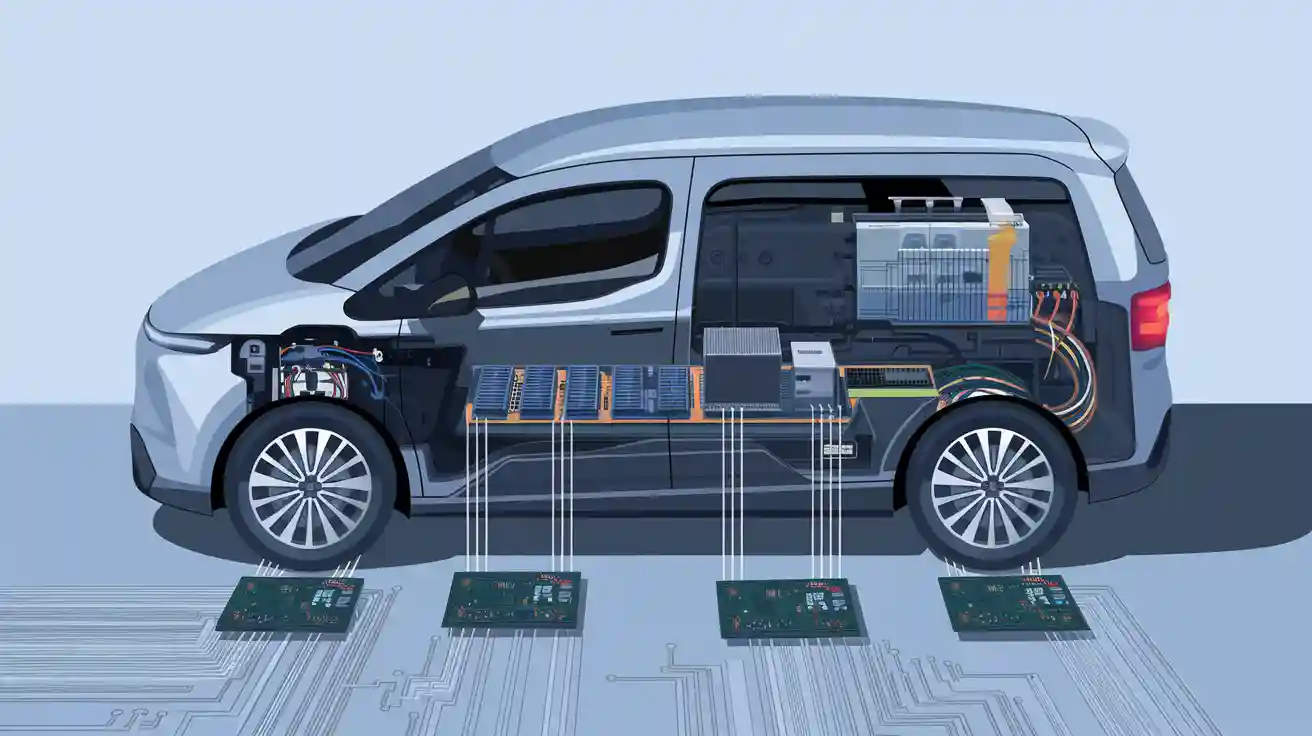
PCBs in electric vehicles must meet very strict PCBs requirements for each system. Today’s cars use PCBs to support components like the battery management system, ECU, infotainment, sensors, power electronics, and charging systems. Engineers demand PCBs that are compact, deliver high power, and manage heat effectively. Additionally, PCBs need to comply with EMI/EMC regulations and align with car industry standards. These PCBs requirements ensure vehicles operate safely and reliably. Incorporating PCBs in electric vehicles enhances safety, efficiency, and overall performance across all types of cars.
Key Takeaways
PCBs in electric vehicles need to be tough and small. They must handle heat, power, and shaking. This helps keep cars safe and working well.
Car systems like batteries, motors, charging, and infotainment need special PCB designs. These designs help them work well and last a long time.
Engineers use multilayer, thick copper, and flexible PCBs. These help control power, signals, and heat in small spaces inside cars.
Strict standards and tests make sure PCBs follow safety rules. This helps electric vehicles work better and last longer.
Good PCB design makes electric vehicles safer and more efficient. It also helps cars connect better and makes driving more fun.
PCBs in Electric Vehicles
Electric Vehicle Components
Battery System
The battery system is very important in electric vehicles. It has the Battery Management System (BMS) and battery modules. The BMS checks battery voltage, current, and temperature. It stops the battery from getting too full or too empty. This keeps the battery safe and helps it last longer. Engineers use multilayer PCBs, high-frequency PCBs, thick copper boards, and aluminum-based PCBs in the BMS. Battery modules link single battery cells together. Rigid-flex PCBs make these connections small and strong.
Drive System
The drive system makes the car move. It has the motor controller or inverter and the Motor Control Unit (MCU). The motor controller changes DC power from the battery into AC power for the motor. Thick copper PCBs and high-temperature FR4 boards handle lots of power and current. The MCU controls when the motor starts, runs, stops, and how fast it goes. High-frequency PCBs and EMC-optimized multilayer boards help with these jobs.
Charging System
The charging system helps the car get energy. It has the On-board Charger (OBC) and DC-DC converter. The OBC changes AC from the wall into DC for the battery. Engineers pick multilayer, thick copper boards that get rid of heat well for OBCs. The DC-DC converter lowers high-voltage power to low-voltage systems like 12V electronics. Double-sided or multilayer PCBs work well for these needs.
Control & Auxiliary Electronics
Control and auxiliary electronics help the car work and make it easy to use. The Vehicle Control Unit (VCU) is like the car’s brain. It connects all the parts together. HDI boards and multilayer PCBs help the VCU do its job. The instrument cluster and infotainment system show information and let people use maps and music. Rigid-flex PCBs and ENIG multilayer boards keep these electronics working well. Advanced Driver Assistance Systems (ADAS) use high-frequency or microwave PCBs, like PTFE-based and HDI PCBs, to read radar and camera data.
Functions and Roles
PCBs in electric vehicles help control, talk between parts, change power, and keep things safe. They help energy move well, check battery health, and support braking that saves energy. Engineers make PCBs small and light to lower car weight and help the battery last longer. These PCBs can handle shaking, bumps, and hot or cold weather. This helps them last as long as the car. PCBs in electric vehicles are more complex and bigger than in regular cars because there are more electronics. Meeting strict PCBs requirements keeps cars safe, reliable, and working well.
Battery Management System
PCB Requirements
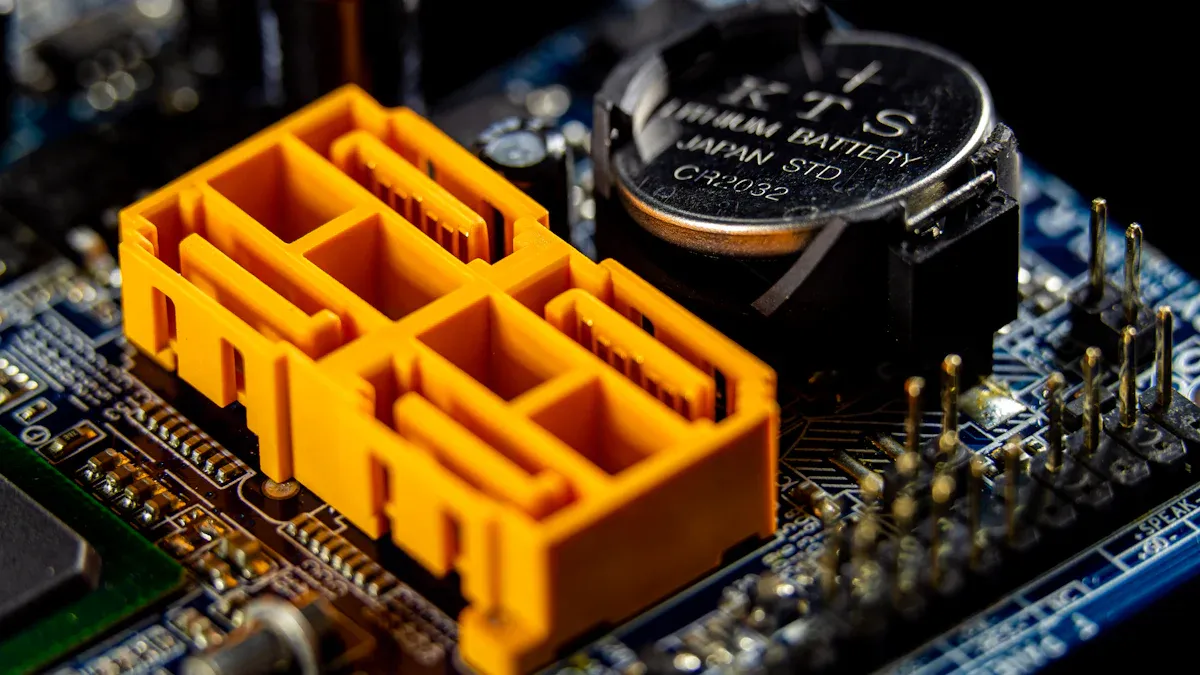
Engineers build the battery management system to watch and control each battery cell. This system needs PCBs that can handle high voltage and current. The PCBs must have strong insulation and get rid of heat well. They also need to stand up to shaking and bumps. Multilayer PCBs help with complex circuits. Thick copper layers move big currents safely. Aluminum-based boards help keep things cool. These features let the BMS work safely in tough car conditions.
Note: Good PCBs in battery management systems help stop overheating and electrical problems.
Manufacturers must think about each part’s needs. Every part, like voltage sensors and balancing circuits, needs its own PCB design. Engineers pick materials that do not rust and last a long time. The PCBs for BMS must be tough, small, and handle fast changes in current.
Safety and Reliability
Safety is the most important thing for any battery management system. The BMS uses PCBs to find problems like too much charging, short circuits, or very hot or cold temperatures. These PCBs must act fast to keep the battery and car safe. Good PCBs make sure the BMS can stop charging or discharging when needed.
PCBs in the BMS must pass hard tests for quality and how well they work. Engineers look for problems, weak solder spots, and bad insulation. They use machines to check every board. This helps stop problems before the car is used. By meeting all the rules, the BMS helps keep driving safe and makes the battery last longer.
Engine Control and Powertrain
PCB Requirements
The engine control system in electric vehicles needs special PCBs. These PCBs help control power and send signals. They must be very safe and work well all the time. Engineers pick materials that do not get damaged by heat or shaking. The boards must handle strong currents and high voltages. Each PCB helps the motor and inverter work quickly and correctly.
Some parts need strong insulation and thick copper lines. These things stop short circuits and keep signals clear. Engineers use multilayer boards to keep power and control circuits apart. This setup lowers interference and makes the system better. PCBs for the powertrain must also be small and light. This helps make the car lighter and saves energy.
Note: Good PCBs in the engine control system help the car speed up smoothly, stop safely, and work well in any driving situation.
Thermal Management
Thermal management is very important for powertrain PCBs. Electric vehicle powertrains make a lot of heat when running. If the PCB gets too hot, it can break or cause danger. Engineers use different ways to keep the board cool.
One way is to use passive cooling. They put a metal that moves heat well with a plastic cover on the PCB. This helps take heat away from hot parts. Materials like alumina or mica metal inserts move heat fast and do not let electricity pass. These materials pull heat away from hot spots on the board. Using plastic covers instead of heavy metal ones makes the product lighter. This helps meet the new needs for cooling in cars today.
A good thermal management system keeps the PCB and its parts safe. This helps the powertrain last longer and makes the car work well.
Infotainment and Connectivity
PCB Requirements
Infotainment and connectivity systems use advanced automotive electronics. These systems use both rigid-flex and flexible PCB designs. Engineers pick these designs to help data move fast and easy. Flexible and rigid-flex PCBs make small layouts possible. This lets complex electronics fit in tight spaces like the dashboard.
Automotive electronics in infotainment must meet strict rules. The PCBs need to handle fast signals and many features. These features include GPS, touchscreens, and V2X communication. Rigid-flex PCBs connect modules without big wires. This makes the system lighter and more reliable. Flexible PCBs also help manage heat. This keeps electronics safe and working well.
Tip: Better PCB design is important because people want good connectivity in electric vehicles.
Automotive electronics in infotainment must resist shaking and temperature changes. Engineers test these PCBs to make sure they last long. The right PCB design helps the system work well and stay efficient.
IoT and Communication
PCBs in infotainment systems help with IoT and wireless communication. These boards connect sensors, microcontrollers, and communication modules. Automotive electronics use these links to process data and connect devices inside the car. The PCBs also help the car connect to outside networks like the internet.
Automotive electronics in infotainment let you use real-time maps, stream music, and make hands-free calls. The PCBs manage data between all these electronics. This allows for smart features and easy automation. Engineers design these PCBs to handle complex networks. This is needed for IoT and wireless communication in electric vehicles.
Note: Good PCBs help automotive electronics give safe, connected, and fun driving experiences.
Sensors and Safety Systems
PCB Requirements
Automotive sensors and safety systems use advanced electronics to keep people safe. These systems have ADAS, airbag controllers, and other important automotive electronics. Engineers make PCBs for these systems with strict rules. The boards must work in very hot or cold places and handle strong shaking. They also need to deal with interference from other automotive electronics.
PCBs use materials that move heat away fast and have heat sinks to keep automotive electronics cool.
Designers make sure parts are held tight so they do not move when the car shakes or bumps.
Special traces help keep signals clear for sensitive automotive electronics.
All parts must follow tough car rules like AEC-Q100 and AEC-Q101.
Safety is very important, so engineers use ISO 26262 for each part.
HDI PCBs let complex automotive electronics fit in small spaces.
Flexible and rigid-flex PCBs help make things lighter and fit into tight spots in cars.
IMS PCBs help get rid of heat for powerful safety controllers.
These choices help automotive electronics in sensors and safety systems work well and keep everyone safe.
EMI/EMC Compliance
Automotive electronics in safety and sensor systems must follow strict EMI/EMC rules. These rules stop unwanted noise and interference in the car.
Engineers use car EMI/EMC rules like CISPR 25 and ISO 11452.
They test for noise in the air and through wires, keeping it under limits.
Metal covers, special coatings, and gaskets block interference from other automotive electronics.
Grounding tricks, like using one ground spot or many ground layers, stop EMI from leaking.
Filters, like low-pass filters and ferrite beads, cut down high-frequency noise in automotive electronics.
PCB rules include making traces short, keeping noisy and quiet circuits apart, and using many layers.
Engineers solve problems from crowded automotive electronics, tough places, and new things like 5G.
Tip: Following EMI/EMC rules helps automotive electronics in safety systems work right, even in hard conditions.
Charging and Power Electronics
PCB Requirements
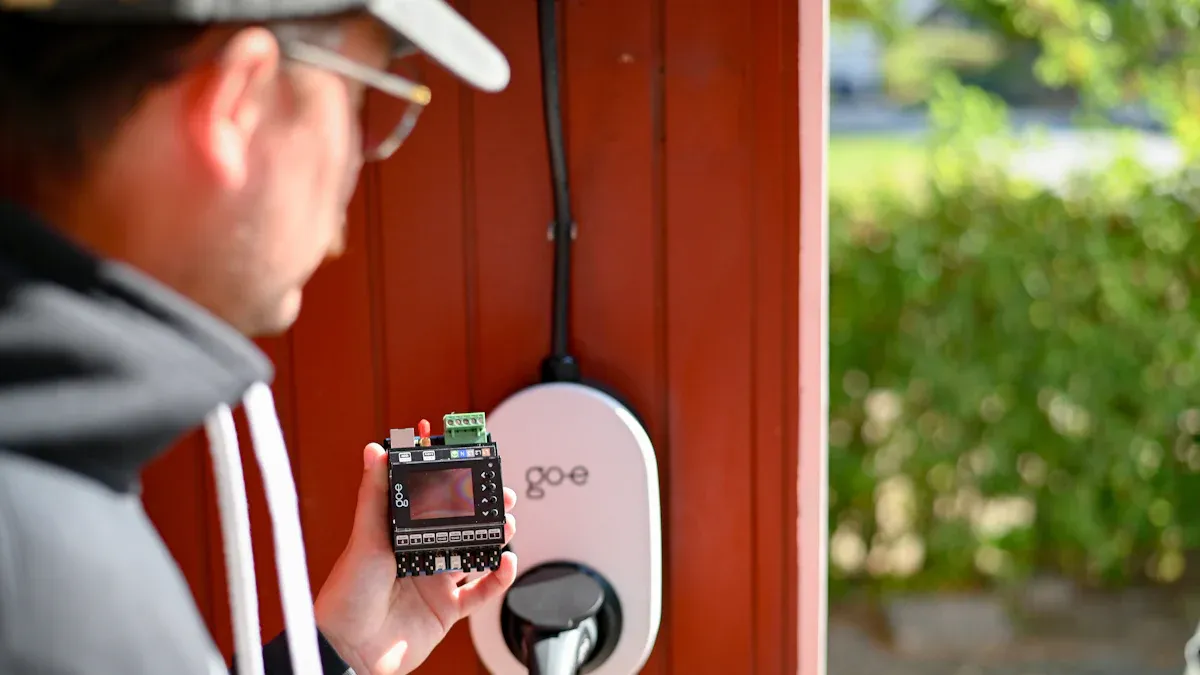
PCBs in charging and power electronics are very important in electric vehicles. These boards must work with high-voltage systems and fast charging. Engineers make PCBs to control and watch how energy moves. This helps the battery charge safely and quickly. Good PCBs also help save energy by cutting down waste when charging.
PCBs for cars must deal with a lot of heat. Power electronics get hot when they move energy between the battery and other parts. To fix this, engineers add ways to keep the board cool. These cooling features protect the board and its sensitive parts.
PCBs also need to be strong. They must be small and light so the car can go farther on one charge. The boards have to survive shaking, bumps, and changes in temperature. Engineers make these boards to last as long as the car, which can be up to 20 years.
Work with high-voltage and fast charging
Allow careful control and watching
Have cooling features for heat
Small and light for better driving range
Strong and long-lasting for cars
Note: Good PCBs in charging systems help energy move safely and well.
High Power Density
High power density is a big goal for PCBs in electric vehicle charging and power electronics. Engineers want to move a lot of energy in a small space. This means the board must carry strong currents without getting too hot. They use thick copper layers and special designs to help with this.
In cars, high power density lets the system give more energy without making the board bigger or heavier. This helps with fast charging and better performance. Good design also keeps energy loss low, which saves power.
PCBs with high power density help electric vehicles charge faster and use energy better. This makes driving safer and more dependable for everyone.
Standards and Compliance
Key Requirements
Automotive PCBs must follow strict rules for safety and performance. Engineers use important standards in the car industry. These rules help with how PCBs are made and tested.
IPC-A-600: Says what printed boards must be like for cars.
IPC-A-610: Tells what is okay for electronic assemblies in cars.
IPC-6012DA: Checks if rigid PCBs work well in cars.
AEC-Q: Lists what car electronic parts must do.
ISO 26262: Makes sure car systems are safe to use.
These standards help engineers make safe and reliable car electronics. Each rule helps check if a PCB is good enough. Engineers use these rules to find problems and make sure each board is top quality.
Note: Using car standards keeps drivers and passengers safe by lowering the chance of problems.
How well a product works is also important. IPC-A-610 puts products into groups. Class 2 is for normal car electronics. Class 3 is for car systems that must always work, like safety controls.
Certifications and Testing
Car PCBs need to pass hard tests and get special certifications. Engineers test each board to see if it meets all car rules. They check if it works well, lasts long, and can handle heat and shaking.
Certification | Purpose | Automotive Focus |
|---|---|---|
AEC-Q100 | Checks ICs | Makes sure electronics work well in cars |
AEC-Q200 | Checks passive parts | Makes sure parts work in tough car places |
ISO 26262 | Checks safety | Stops failures in car systems |
Tests include heating and cooling, shaking, and strong electric use. Engineers use these tests to make sure every car PCB is good. Only boards that pass all tests get to be used in cars.
Tip: Certified car PCBs last longer and work better when driving.
Making sure PCBs meet the right rules helps cars stay safe and work well. Every part in electric vehicles needs good PCB design and building. Using car standards and smart ways of working keeps cars protected and working for a long time. PCBs help cars be safer and use less energy. To follow the latest rules, engineers should talk to skilled PCB makers. This helps cars keep up with new car technology needs.
FAQ
What makes automotive PCBs different from regular PCBs?
Automotive PCBs are made with stronger materials. They have special designs for cars. These boards can handle high heat and shaking. They must follow strict safety rules. Automotive PCBs last longer and work in hard places.
Why do electric vehicles need multilayer PCBs?
Multilayer PCBs fit complex circuits in small spaces. They help control power and signals. These boards also lower interference. Engineers use them to add more features to electric vehicles.
How do PCBs help with electric vehicle safety?
PCBs watch and control important systems. They find problems like overheating or short circuits. Fast action from PCBs helps stop accidents. This keeps drivers safe.
Which standards must automotive PCBs meet?
Automotive PCBs must follow rules like IPC-A-600 and IPC-A-610. They also meet AEC-Q and ISO 26262. These rules make sure car electronics are safe and reliable.
Can electric vehicle PCBs be recycled?
Many PCBs have materials that can be recycled. Special recycling centers take out metals and parts. Recycling cuts down waste and helps the environment.