You use High-current injection BCI to see how devices deal with electromagnetic interference. This method puts strong RF currents into your equipment. It helps you check if your device meets reliability rules. Accurate calibration is important because it gives you correct and repeatable results each time. You need to know what this test does. You should also know why calibration keeps your data trustworthy. It is important to learn how to do calibration the right way.
High-current injection BCI Overview
Purpose in EMC Testing
High-current injection BCI helps you test your devices. It shows how well they handle electromagnetic interference. This method checks if your equipment keeps working when strong RF currents try to mess with it. You want your products to work well in real life. They should stay reliable even in tough electromagnetic places.
High-current injection BCI is very important for conducted EMI testing. You can:
Test how well your equipment fights conducted disturbances.
Make sure your equipment works when these disturbances happen.
See how your devices resist electromagnetic interference, which helps reliability.
Make your products stronger and better against interference.
You put RF currents into the cable harness of your device. This step copies the interference your product might face. You can measure how your device acts and change things to make it work better.
Key Components
You need different parts to set up a high-current injection BCI system. Each part helps you do good tests and get helpful results.
Calibration: You check and fix your system so your test results are right.
Injection Probe: You put this around the cable harness for best coupling.
Test Parameters: You set the current level, frequency range (100 kHz to 400 MHz), and modulation mode.
Test Execution: You put the chosen current into your device and watch how it works.
Frequency Range: You pick the range to match the interference you want to copy.
Injection Current Level: You can use up to 40 A to make strong electromagnetic interference.
Output Impedance: You set this for good current injection and correct simulation.
Signal Modulation: You use different modes, like amplitude or frequency modulation, for harder test cases.
You use all these parts together to make sure your high-current injection BCI tests are good and repeatable. This helps you make products that meet EMC rules and work well outside the lab.
Calibration Importance
Accuracy and Repeatability
You want your test results to be right every time. Calibration helps you do this. When you calibrate, you check if the output current is correct. You also check if the frequency range and impedance are right. This makes sure your equipment works the same way each time.
Calibration lets you check how well your test system works.
You make sure the output current, frequency range, and impedance are correct.
You can find and fix problems before they mess up your results.
You follow rules like ISO 11452-4. These rules tell you how to set up your system. They help you keep your test level steady across all frequencies. You use special calibration tools and steps to keep your results good. If you calibrate often, your High-current injection BCI tests give you data you can trust.
Tip: Always use the same way to calibrate for every test. This helps you compare results from different devices and test times.
Risks of Poor Calibration
If you skip calibration or do it wrong, you face big risks. Your test results might not show how your device really works. You could miss problems that cause failures later.
Risk Type | Description |
|---|---|
Undertesting | Bad calibration can mean you miss some failures. |
Inaccurate Results | Calibration mistakes can make your numbers very wrong. |
You need calibration to keep your test results right. Regular calibration helps you check things like output current and impedance. If you do not calibrate, your results may not match real life. You might sell products that fail when there is strong electromagnetic interference.
Calibration is a very important part of High-current injection BCI testing. You use it to check if your system works well. You look at output current, frequency range, and impedance. You follow the right steps to lower the chance of bad test results.
Calibration Process
Step-by-Step Procedure
You must follow steps to calibrate your system. First, set up your test bench. Put the injection probe on a calibration fixture. Use a signal generator to send RF signals. Measure the current with a current monitor. Change the signal until you reach the target level. Do this for every frequency in your test range.
Here is an easy guide:
Connect the calibration fixture to your test system.
Put the injection probe on the fixture.
Set the signal generator to the first frequency.
Send the signal and measure the current.
Change the output to get the right current.
Write down the measurement.
Go to the next frequency and repeat.
Make sure the current stays within +0.5 dB of the target.
Look at your data for mistakes or spikes.
Tip: Always check your cables before you start. Loose cables can give you wrong readings.
Required Equipment
You need the correct tools for good calibration. Each tool helps you get results you can trust.
Equipment | Purpose |
|---|---|
Signal Generator | Makes RF signals for injection |
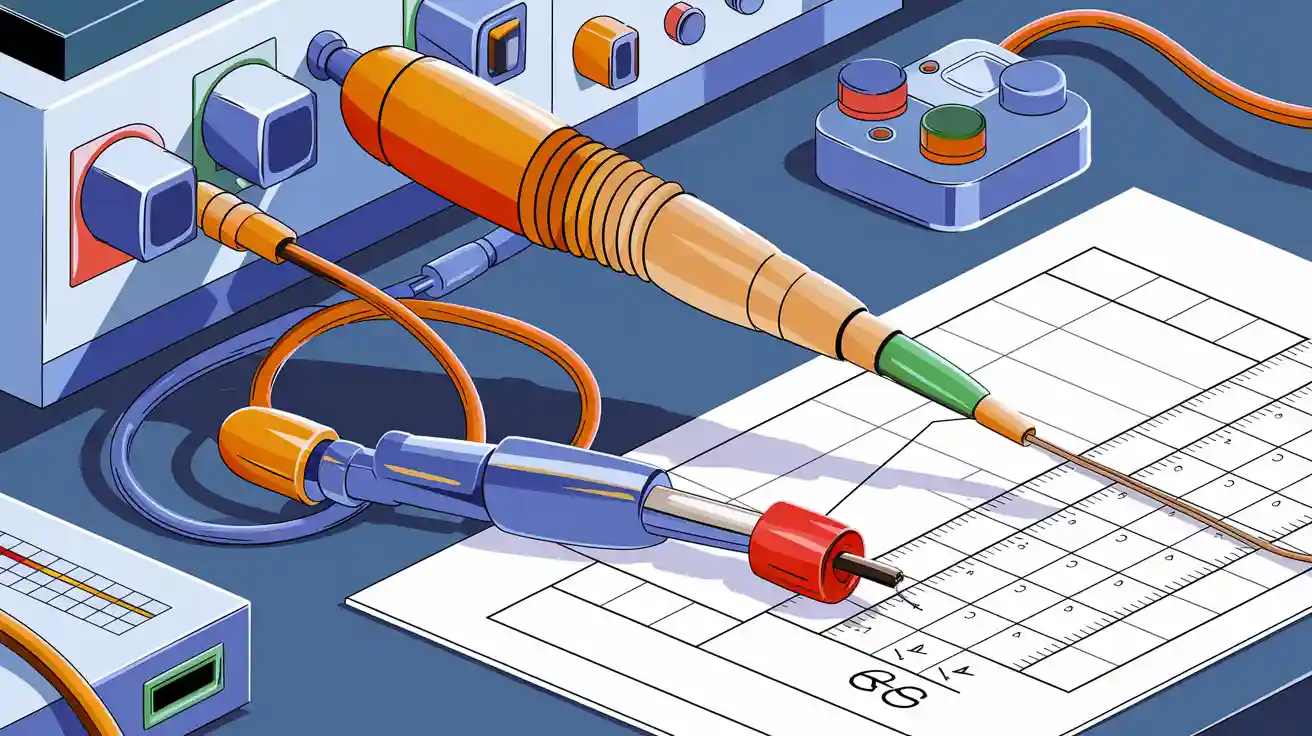
Injection Probe | Puts RF current into the cable harness |
Calibration Fixture | Holds the probe and copies the harness |
Current Monitor/Probe | Checks the injected current |
Spectrum Analyzer | Looks at signal quality and frequency |
Reference Resistor | Sets known impedance for calibration |
Data Logger | Saves measurements |
Use equipment that meets industry rules. Calibrated tools help you avoid errors.
Probe Calibration
You must calibrate the injection probe for all frequencies. Put the probe on the calibration fixture. Send signals at each frequency point. Measure the current and check if it matches the target. Change the signal if you need to. Make sure the current stays within +0.5 dB of the set level. This step keeps your High-current injection BCI tests correct.
Note: If you see big changes in current at some frequencies, check for probe damage or bad connections.
Measurement Standards
You must follow standards like ISO 11452-4. These rules show you how to set up your calibration. They help you keep your test results the same each time. Use reference resistors and calibration fixtures that match the standard. Write down all your settings and results. This makes it easy to check your work later.
Here is a sample calibration record:
Frequency (MHz) | Target Current (mA) | Measured Current (mA) | Deviation (dB)
100             | 100                 | 99                    | -0.09
200             | 100                 | 101                   | +0.09
300             | 100                 | 98                    | -0.18
Always keep your calibration records. Good notes help you fix problems and prove your results.
Ensuring Reliable Results
Verification Methods
You need to check your calibration often. This step helps you trust your test results. Use a reference current probe to compare your measured current with a known value. If you see a big difference, you should repeat the calibration. You can also use a check fixture. Place your injection probe on this fixture and run a quick test. This method shows if your system still works as expected.
Try these simple checks:
Compare your current readings with past data.
Use a known reference resistor and see if the current matches.
Run a test at several frequencies, not just one.
Tip: Always check your equipment before each test. A loose cable or a damaged probe can give you wrong results.
You can also ask another technician to review your setup. A second set of eyes often finds mistakes you might miss.
Documentation
Good records help you keep your tests reliable. Write down every calibration step. Record the date, equipment used, and all measured values. Use a table to organize your data. This habit makes it easy to spot changes over time.
Here is a sample log entry:
Date | Probe ID | Frequency (MHz) | Target Current (mA) | Measured Current (mA) | Technician |
|---|---|---|---|---|---|
2024-06-10 | P-123 | 150 | 100 | 99 | Alex |
Keep your logs in a safe place. You may need them for audits or to solve problems later. If you change any part of your setup, update your records right away.
Note: Clear documentation helps you prove your results and improve your process.
High-current injection BCI Calibration in Practice
Common Challenges
You may face several problems when you calibrate your system. Some issues can make your results wrong or hard to repeat. You need to know what can go wrong so you can fix it fast.
Probe Placement Errors: If you do not put the probe in the right spot, you may get low or high current readings.
Cable Connections: Loose or dirty cables can cause signal loss. You may see strange spikes in your data.
Frequency Drift: Your signal generator may not stay on the set frequency. This can change your test results.
Environmental Noise: Other devices in your lab can add noise to your measurements.
Equipment Aging: Old probes or fixtures may not work as well as new ones.
Tip: Always check your cables and probe before you start. Clean contacts help you get better results.
You may also see problems if you use the wrong calibration fixture or skip steps in your process. If you do not follow the standard, your data may not match other tests.
Best Practices
You can avoid most problems by using good habits. Follow these steps to improve your calibration process.
Use the same calibration fixture every time. This keeps your results steady.
Check your equipment before each test. Replace old or damaged probes.
Write down every step and measurement. Good records help you find mistakes.
Keep your workspace clean. Dust and dirt can change your readings.
Test at several frequencies, not just one. This helps you see if your system works across the whole range.
Compare your results with past data. Look for changes that may show a problem.
Follow the rules in ISO 11452-4. Standards help you get results you can trust.
Best Practice | Benefit |
|---|---|
Use same fixture | Steady results |
Check equipment | Fewer errors |
Keep records | Easy troubleshooting |
Clean workspace | Better measurements |
Test many frequencies | Full system check |
You can make your High-current injection BCI calibration more reliable if you use these best practices. You will get results that help you improve your products and meet EMC standards.
High-current injection BCI lets you check if your devices can handle electromagnetic interference. Calibration makes sure your results are right every time. Always use the right steps and tools for testing. Follow rules like ISO 11452-4 to do things the correct way. Try to make your calibration better each time.
If you calibrate well, your data will be trustworthy.
Keeping good notes helps you fix problems quickly.
Checking your system often keeps your tests strong.
Remember: Careful calibration keeps your products safe and helps you follow EMC rules.
FAQ
What is the main goal of high-current injection BCI testing?
High-current injection BCI checks if your device can handle strong electromagnetic interference. This test shows if your product works well in real places.
How often should you calibrate your BCI system?
You need to calibrate your BCI system before every test. Doing this often keeps your results correct and trustworthy.
What happens if you skip calibration?
Skipping calibration can make your test results wrong. You might not find problems in your device. Your product could fail when it faces real electromagnetic interference.
Which standards should you follow for calibration?
You should use standards like ISO 11452-4. These rules show you how to set up and do calibration. They help you get results that people can trust.
Can you use any probe for calibration?
No, you must use a probe that fits your test system and meets industry rules. Using the wrong probe can give you bad results.