Have you ever wondered why your TV picture looks grainy or cuts out during bad weather? If you’re using an analog antenna, that’s likely the culprit. These antennas struggle with obstacles and harsh conditions, causing inconsistent signals and frequent distortions. On the other hand, digital antennas are built for modern broadcasts. They deliver clear, high-quality images and sound, even in extreme weather. Unlike analog antennas, they resist interference and handle new frequencies with ease. With the shift to digital broadcasting, upgrading ensures you get the best viewing experience without interruptions.
Key Takeaways
Analog antennas often have poor signals, especially during bad weather. Using a digital antenna gives clearer pictures and sound.
Digital antennas block interference and keep signals steady. This means you can watch shows without interruptions.
Changing to a digital antenna prepares your setup for the future. It lets you watch more channels and use modern broadcasting features.
Digital antennas can be used indoors or outdoors. Choose one based on where you live and how far you are from broadcast towers.
Buying a digital antenna saves money. There are options for all budgets, so everyone can enjoy high-quality TV.
Analog Antenna
How Analog Antennas Work
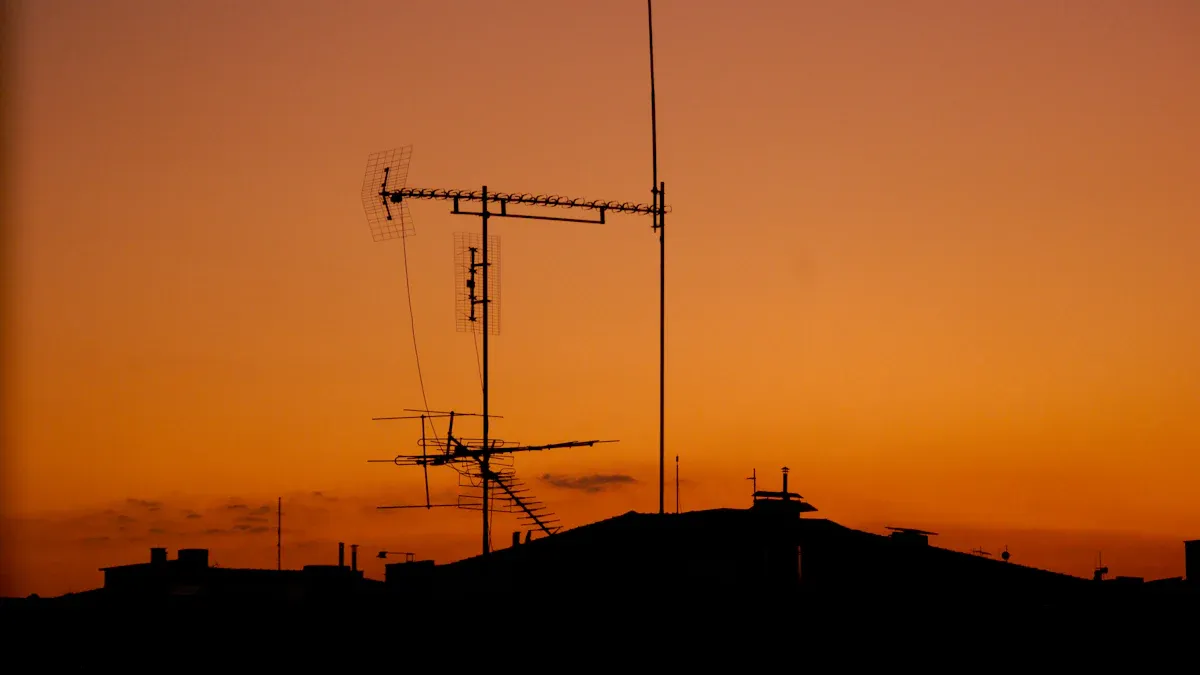
If you’ve ever used an older TV, you’ve likely encountered an analog antenna. These antennas are designed to pick up analog signals, which were the standard for television broadcasts before the digital era. Analog signals transmit information in a continuous wave, carrying both picture and sound data. Your analog antenna captures these waves and sends them to your TV, where they’re converted into the images and sounds you see and hear.
The process might sound simple, but it’s far from perfect. Analog signals are highly sensitive to distance and obstacles. The farther you are from the broadcast tower, the weaker the signal becomes. Trees, buildings, and even weather can interfere with the signal, causing static or distortion. Despite these challenges, analog antennas were once the backbone of analog television broadcasts, delivering entertainment to millions of homes.
Limitations of Analog Antennas
Signal Degradation Over Distance
One of the biggest drawbacks of an analog antenna is how quickly the signal weakens over long distances. If you live far from a broadcast tower, you’ve probably noticed fuzzy images or crackling audio. This happens because analog signals lose strength as they travel, making it harder for your antenna to capture a clear transmission.
Susceptibility to Interference
Analog antennas are also highly vulnerable to interference. Have you ever seen your screen flicker when a plane flies overhead or when a storm rolls in? That’s because analog signals are easily disrupted by physical obstacles, weather conditions, and even electronic devices. This interference can make watching TV a frustrating experience.
Lower Picture and Sound Quality
Compared to modern digital antennas, analog antennas deliver lower-quality images and sound. Analog signals don’t have the capacity to support high-definition broadcasts. As a result, you’re left with grainy visuals and muffled audio. For today’s standards, this just doesn’t cut it.
Tip: If you’re still using an analog antenna, it might be time to consider an upgrade. Digital antennas offer a much better viewing experience and are built for modern broadcasting needs.
Digital Antenna
How Digital Antennas Work
Digital antennas are designed to capture and process digital signals, which are transmitted as electromagnetic waves from television towers. These signals travel in the VHF and UHF frequency ranges. When your digital antenna picks up these signals, its Printed Circuit Board (PCB) converts them into electrical signals that your TV can interpret. This process ensures you get clear and stable reception.
Modern digital antennas come equipped with advanced features to enhance performance. For instance, they use low-noise amplifiers to boost weak signals, making them ideal for homes far from broadcast towers. They also include filters to block interference from other frequencies, like those used by 4G and 5G networks. These innovations ensure that digital tv antennas deliver a reliable and high-quality viewing experience.
Advantages of Digital Antennas
Superior Picture and Sound Quality
Digital antennas provide a significant upgrade in picture and sound quality compared to their analog counterparts. Here’s a quick look at the benefits:
Benefit | Description |
|---|---|
High Definition (HD) | Digital signals support HD video, offering sharper and more detailed images. |
Better Sound Quality | Enjoy superior audio, including Dolby Digital surround sound. |
Improved Signal Stability | Digital signals maintain quality without degrading over distance. |
With a digital antenna, you can enjoy crystal-clear visuals and immersive sound, making your TV time more enjoyable.
Resistance to Interference
Unlike analog antennas, digital tv antennas are built to resist interference. They use advanced filtering mechanisms to block unwanted signals, ensuring a stable connection even during bad weather or in areas with electronic noise. This means fewer interruptions and a smoother viewing experience for you.
Compatibility with Modern Broadcasting Standards
Digital antennas are designed to handle the demands of modern broadcasting. They can capture both VHF and UHF signals, giving you access to a wider range of channels, including high-definition broadcasts. Their compact and lightweight design, made possible by PCB technology, makes them easy to install and maintain. Whether you’re watching local news or your favorite shows, a digital antenna ensures you’re future-proofed for evolving broadcast standards.
Note: If you’re still using an analog antenna, switching to a digital antenna is a smart move. It’s not just about better quality; it’s about staying up-to-date with today’s technology.
Analog Antenna vs Digital Antenna: Key Differences
Signal Reception
Analog signals vs digital signals
When it comes to signal reception, analog and digital antennas work very differently. Analog antennas pick up continuous waves, which carry both picture and sound. However, these waves are highly sensitive to interference. A weak signal often results in grainy visuals and distorted audio. On the other hand, digital antennas process digital signals, which are transmitted as binary data. This means you either get a clear picture or no picture at all—there’s no in-between. Digital antennas excel at maintaining signal quality, even in challenging conditions like bad weather or areas with electronic noise.
Impact of signal strength on performance
Signal strength plays a huge role in how well your antenna performs. Analog antennas tend to degrade gradually as the signal weakens. You might still see a fuzzy image, but it’s watchable. Digital antennas, however, require a stronger signal to function properly. If the signal drops below a certain threshold, the picture disappears entirely. Despite this, digital antennas are better at handling weak signals overall. They use advanced technology to amplify and stabilize reception, ensuring you get a more reliable viewing experience.
Frequency and Bandwidth
Frequency ranges used by analog and digital antennas
Analog antennas typically operate at lower frequencies, which were common during the era of analog broadcasts. Digital antennas, however, are designed to handle higher frequencies, including both VHF and UHF bands. This allows them to capture a wider range of modern broadcasts, including high-definition channels.
Efficiency in handling modern broadcast frequencies
Digital antennas are far more efficient at managing today’s broadcasting needs. They use advanced PCB technology to amplify signals and filter out interference. This ensures you get clear, uninterrupted reception. Unlike analog antennas, which often struggle with poor image quality, digital antennas deliver consistent performance across all supported frequencies.
Performance and Viewing Experience
Picture quality differences
The difference in picture quality between analog and digital antennas is night and day. Analog antennas often produce grainy or distorted images, especially in bad weather. Digital antennas, on the other hand, provide sharp, high-definition visuals. They maintain clarity even in extreme conditions, giving you a superior viewing experience.
Sound quality differences
Sound quality is another area where digital antennas shine. Analog antennas often deliver muffled or crackling audio due to interference. Digital antennas support advanced audio formats like Dolby Digital, ensuring crisp and immersive sound.
Reliability in various weather conditions
Weather can wreak havoc on analog antennas. Rain, wind, or even nearby obstructions can cause significant distortion. Digital antennas are much more reliable. They resist interference and maintain high signal quality, even during storms. This makes them a better choice for consistent performance, no matter the weather.
Tip: If you’re tired of dealing with poor signal quality and interruptions, upgrading to a digital antenna is a smart move. It’s designed to handle modern broadcasts and deliver a seamless viewing experience.
Should You Upgrade to a Digital Antenna?
Reasons to Upgrade
Transition to digital broadcasting
The world of television has shifted to digital broadcasting, leaving analog signals behind. If you’re still using an analog antenna, you’re likely missing out on many channels and services. Digital antennas are specifically designed to capture these modern signals, ensuring you stay connected to over-the-air TV broadcasts. With analog antennas becoming obsolete, upgrading is no longer just an option—it’s a necessity.
Improved viewing experience
Switching to a digital antenna transforms your viewing experience. Here’s why:
You’ll enjoy high-definition images with stunning clarity.
Audio quality improves dramatically, offering clear and immersive sound.
Digital antennas provide a stable signal, reducing interruptions and distortions.
Imagine watching your favorite shows without the frustration of fuzzy visuals or crackling audio. A digital antenna makes that possible.
Future-proofing your setup
Upgrading to a digital antenna also prepares your setup for the future. As broadcasting standards continue to evolve, digital antennas ensure compatibility with new technologies. They allow you to access a broader range of channels and services, keeping your television experience up-to-date. By making the switch now, you avoid disruptions and enjoy a seamless transition to modern broadcasting.
Tip: Don’t wait until your analog antenna stops working entirely. Upgrading now ensures you’re ready for the future of television.
Current Status of Analog Antennas
Limited availability of analog broadcasts
Analog broadcasts have been phased out in most regions worldwide. Here’s a quick look at the current status:
Region | Status of Analog Broadcasts | Transition Date |
|---|---|---|
Canada | Most larger cities turned off analog broadcasts | 31 August 2011 |
Malaysia | All regions stopped using analog broadcasts | 1 November 2019 |
Singapore | Analog TV switched off | 2 January 2019 |
Philippines | Required to end analog broadcasting; postponed to 2025 | 31 December 2015 (postponed) |
As you can see, analog signals are no longer widely available. If you’re still relying on an analog antenna, you’re likely struggling to find channels.
Challenges in using analog antennas today
Using an analog antenna today comes with significant challenges:
Limited access to channels due to the decline of analog broadcasts.
Poor signal quality, especially in areas with interference or bad weather.
Incompatibility with modern televisions and broadcasting standards.
These issues make analog antennas impractical for most households. Upgrading to a digital antenna solves these problems and ensures you get the best out of your television.
Key Facts About Digital Antennas
Types of Digital Antennas
Indoor vs Outdoor Antennas
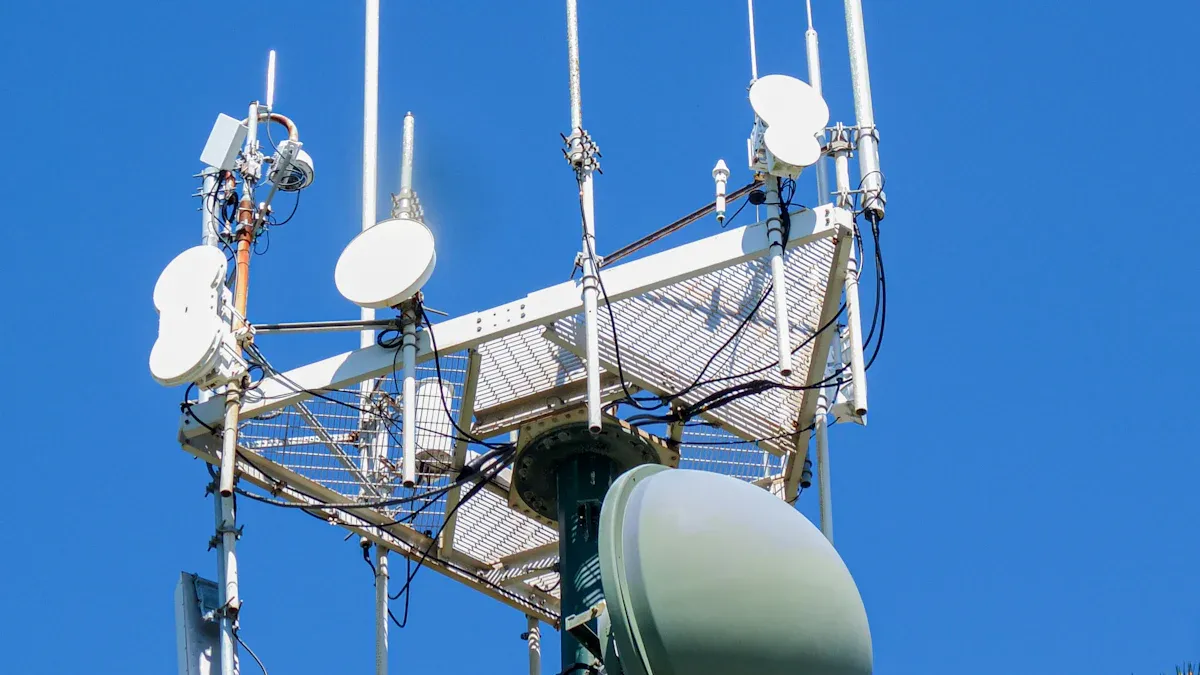
When choosing a digital antenna, you’ll come across two main types: indoor and outdoor. Indoor antennas are compact and designed for use inside your home. They’re perfect if you live close to a broadcast tower, typically within 20 to 30 miles. Outdoor antennas, on the other hand, are larger and mounted outside. They’re ideal for rural areas or homes farther from broadcast towers, with a range of 60 to 80 miles.
Here’s a quick comparison:
Type | Range (miles) |
|---|---|
Indoor | 20 – 30 |
Outdoor | 60 – 80 |
If you’re in a city, an indoor antenna might be all you need. But if you’re in a remote area, an outdoor antenna will give you better reception.
Directional vs Omnidirectional Antennas
Another factor to consider is whether you need a directional or omnidirectional antenna. Directional antennas focus on signals from one direction, making them great if most broadcast towers are in the same area. Omnidirectional antennas, however, pick up signals from all directions. They’re a good choice if towers are scattered or if you want to capture signals from multiple locations.
Installation Tips
Positioning for Optimal Signal Reception
Getting the best signal from your antenna often comes down to positioning. Here are some tips to help you:
Try placing the antenna in different positions, like lying flat, standing, or hanging on a wall.
Avoid using an amplifier unless absolutely necessary, as it can interfere with reception.
Move the antenna close to a window to reduce interference from walls.
Position it as high as possible for better reception.
If you’re over 25 miles from a tower, consider an outdoor antenna.
Fully uncoil the cable to avoid signal loss.
Always re-scan for channels after adjusting the antenna’s position.
These small adjustments can make a big difference in your viewing experience.
Checking Compatibility with Your TV
Before installing your antenna, make sure it’s compatible with your TV. Most modern TVs have a built-in tuner for digital signals. If your TV doesn’t, you’ll need a digital converter box. Check your TV’s manual or settings menu to confirm compatibility. This step ensures you can enjoy all the channels your antenna picks up.
Cost and Accessibility
Price Range of Digital Antennas
Digital antennas are available at various price points, making them accessible to almost everyone. Basic indoor models start at around $20, while high-performance outdoor antennas can cost $100 or more. The price often depends on the range and additional features, like built-in amplifiers or weather resistance.
Availability in the Market
Digital antennas are widely available and easy to find. With the growing demand for over-the-air broadcasts, they’ve become a popular alternative to cable and satellite services. You can find them online, in electronics stores, or even in some supermarkets. They’re a cost-effective way to access high-definition channels without a subscription. Plus, they’re designed to deliver reliable service, making them a great choice for cord-cutters.
Analog antennas just can’t keep up with today’s broadcasting demands. They struggle with interference, poor signal quality, and limited compatibility. Digital antennas, on the other hand, are built for modern technology and offer a far better experience.
Here’s why upgrading to a digital antenna is a smart move:
DVB-T2 technology ensures compatibility with modern TVs and enhances signal quality.
It supports higher resolutions like 1080p HD and even 4K Ultra HD.
It’s backward compatible, making the transition seamless for you.
Plus, digital antennas:
Capture a wide range of frequencies.
Filter out interference from 4G/5G signals.
Amplify weak signals, perfect for homes far from broadcast towers.
By upgrading, you’ll enjoy sharper visuals, clearer sound, and uninterrupted access to your favorite channels. It’s time to future-proof your setup and embrace the benefits of digital broadcasting! 🎉
FAQ
What is the main difference between analog and digital antennas?
Analog antennas receive continuous wave signals, while digital antennas process binary data. This difference allows digital antennas to deliver clearer images and sound. Analog antennas often struggle with interference and weak signal transmission, making them less reliable for modern broadcasts.
Can I use a digital antenna with an older TV?
Yes, but you’ll need a digital converter box if your TV doesn’t have a built-in tuner. This box converts digital signals into a format your older TV can display. Check your TV’s manual to confirm compatibility before purchasing a digital antenna.
Do digital antennas work in bad weather?
Digital antennas handle bad weather better than analog ones. They resist interference and maintain stable signal transmission. However, extreme conditions like heavy storms may still affect reception. Positioning your antenna correctly can help minimize disruptions during harsh weather.
How far can a digital antenna pick up signals?
The range depends on the type of antenna. Indoor antennas typically capture signals within 20-30 miles, while outdoor models can reach up to 80 miles. If you live far from broadcast towers, an outdoor antenna ensures better signal transmission and reception.
Are digital antennas expensive?
Not at all! Basic indoor models start at around $20, while high-performance outdoor antennas cost $100 or more. The price varies based on features like range and interference filters. Digital antennas are a cost-effective way to access free, high-quality broadcasts.