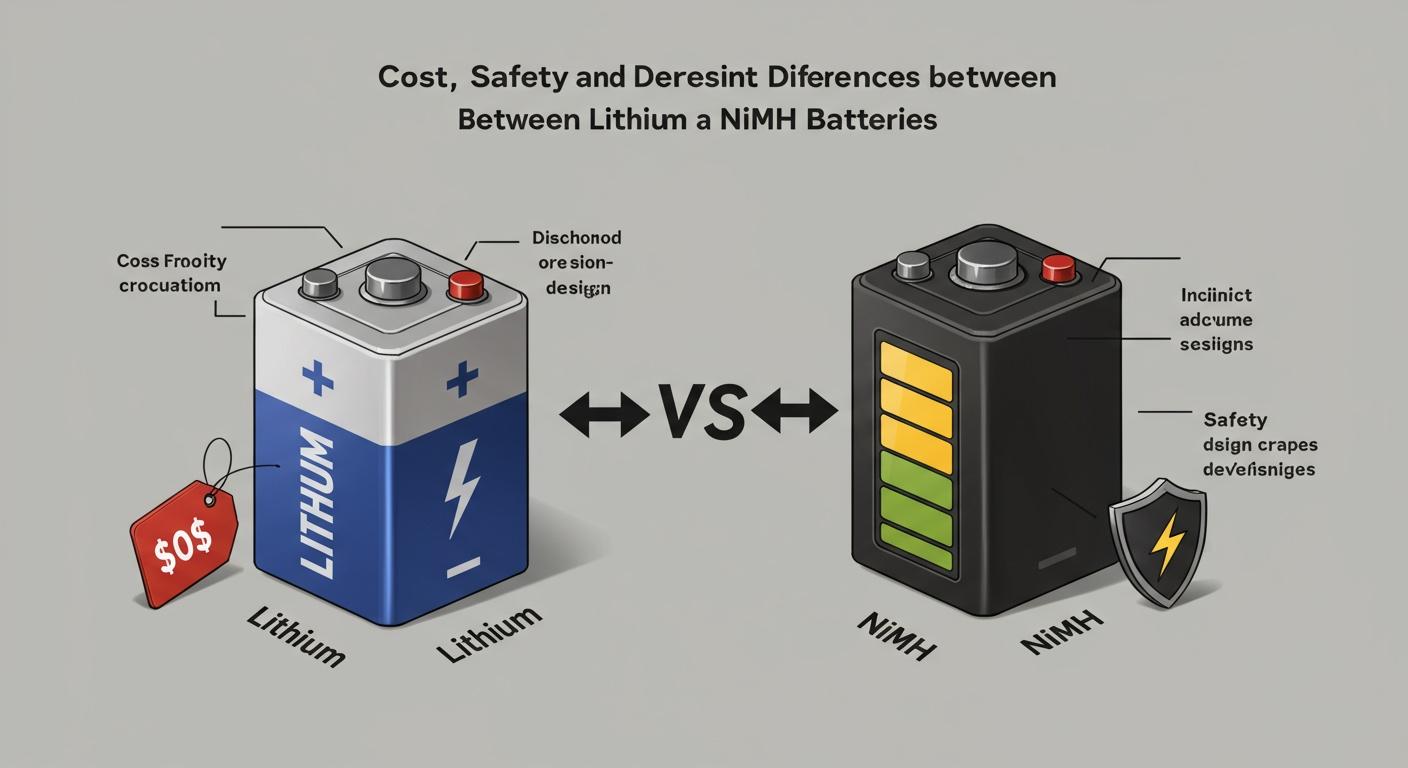
When you look at lithium and NiMH batteries, you see big differences in cost, safety, and design. Lithium batteries cost more at first. But they last longer and give more energy for each pound. NiMH batteries usually cost less. They work well for devices that do not use much power. Lithium batteries are safer and work better, especially in electric cars and storing renewable energy. NiMH batteries are good for cheaper gadgets. This lithium vs nimh battery comparison helps you pick the right battery for your needs.
Key Takeaways
Lithium batteries cost more at first but last longer. They save money over time. They are good for devices that need a lot of power.
NiMH batteries cost less and are safer for small devices. But you have to replace them more often.
Safety is very important. Lithium batteries can get too hot and catch fire if not used right. NiMH batteries are usually safer.
Use lithium batteries for high-tech devices and electric cars. Use NiMH batteries for toys and remote controls.
Always think about both the starting cost and the total cost over time. This helps you pick the best battery for what you need.
Lithium vs NiMH Battery Comparison
Cost Overview
When you look at lithium and nimh batteries, you see cost differences. NiMH batteries cost less when you buy them. Many rechargeable electronics use nimh batteries because they are cheap. Lithium ion batteries cost more at first. But they last longer and give better value over time. They need less care and work well in strong devices.
NiMH batteries cost less at the start.
Lithium ion batteries cost more but save money later.
Lithium batteries last longer, use energy better, and need less care.
Here is a table with average lithium battery prices in 2024:
Year | Average Lithium Battery Price per kWh (USD) |
|---|---|
2024 | $115 |
For electric cars, the price is even lower:
Year | Electric Vehicle Battery Price (USD/kWh) |
|---|---|
2024 | Below $100 |
For battery energy storage systems, the price is:
Year | BESS Price (USD/kWh) |
|---|---|
2024 |
Think about both the first cost and savings over time. Lithium ion batteries often save money because they last longer and work better in strong electronics.
Safety Overview
Safety is important when you pick a battery. Lithium ion batteries hold lots of energy, but they can be risky. If you charge or damage a lithium battery too much, it can get hot or catch fire. Here is a table with main safety risks for lithium batteries:
Safety Risk | Description |
|---|---|
Overcharging and overheating | Can get too hot if charged too much. |
Chemical composition | Has chemicals that can make flammable gas if damaged. |
Risk of reignition | Can catch fire again after being put out. |
Thermal runaway | Gets hotter and hotter, which can cause fire or explosion. |
Ejection | Batteries can pop out and spread fire. |
NiMH batteries are safer for most people. They do not catch fire or explode as easily. You can charge nimh batteries too much, and they do not get hot fast. They do not have bad metals like lead or mercury. This makes nimh batteries good for home gadgets and toys.
Tip: Always use the right charger for your battery. This keeps you safe and helps your battery last longer.
Design Overview
The way each battery is made changes how you use them. Lithium ion batteries use special materials and cell shapes. They have a lithium cobalt oxide or lithium iron phosphate cathode, a carbon anode, and a liquid solvent as the electrolyte. This makes lithium batteries light and strong.
NiMH batteries use a nickel hydroxide cathode, a metal alloy anode, and an alkaline electrolyte. This makes nimh batteries heavier and less strong than lithium batteries. But nimh batteries are tough and can be charged and used many times.
Here is a table to compare the main design parts:
Feature | Lithium-ion Batteries | NiMH Batteries |
|---|---|---|
Cathode Material | Lithium cobalt oxide, lithium iron phosphate | Nickel hydroxide |
Anode Material | Carbon compound (graphite) | Hydrogen-storing metal alloy |
Electrolyte | Liquid organic solvent | Alkaline (potassium hydroxide) |
You find lithium ion batteries in strong electronics, electric cars, and energy storage. Their high energy and good use make them best for devices that need a battery that lasts long. NiMH batteries work well in things that do not need much power, like remotes and some cameras.
New battery designs like solid-state batteries and silicon anodes are coming. These new batteries may be safer, hold more energy, and last longer. Recycling also helps lower the harm from both lithium and nimh batteries.
Cost Analysis
Initial Cost
When you compare the initial cost of batteries, you see a clear difference between lithium and nimh types. Nimh batteries usually have a lower price when you buy them. Many people choose nimh batteries for small devices because they are affordable and easy to find. Lithium batteries cost more at first. This higher price comes from the materials used in each battery. Cathode materials make up about half of the total battery cell cost. The price of lithium itself can change the cost of a battery by a lot. If lithium prices go up, the cost of lithium batteries also rises. Battery makers pass these costs to you, which can affect how much you pay for rechargeable batteries.
Lifecycle Cost
You should not look at only the first price when you pick a battery. The lifecycle cost tells you how much you spend over the life of the battery. Nimh batteries need to be replaced more often. They last for about 500 to 1,000 cycles. If you use your rechargeable battery every day, you may need a new nimh battery in two or three years. Lithium batteries last much longer. Some lithium batteries can be used 2,000 to 6,000 times. With good care, a lithium battery can last up to 20 years. This means you buy fewer batteries over time, which lowers your total cost.
Cost Table
Here is a table that shows how the cost and value of nimh and lithium batteries compare:
Battery Type | Upfront Cost | Usable Capacity (kWh) | Cycle Life | Total Usable kWh Delivered | Cost per Usable kWh |
|---|---|---|---|---|---|
NiMH | $600 | 1.0 | 1,000 | 800 | $0.75 |
LFP Lithium-Ion | $900 | 1.0 | 5,000 | 4,500 | $0.20 |
Note: Even though lithium batteries cost more at first, they give you more energy over their life. You spend less for each unit of energy with a lithium battery.
When you choose between nimh and lithium rechargeable batteries, think about both the first cost and the total cost over time. Lithium batteries often save you money in the long run, especially if you use your battery often or need it to last many years.
Safety Factors
Lithium Ion Batteries Safety
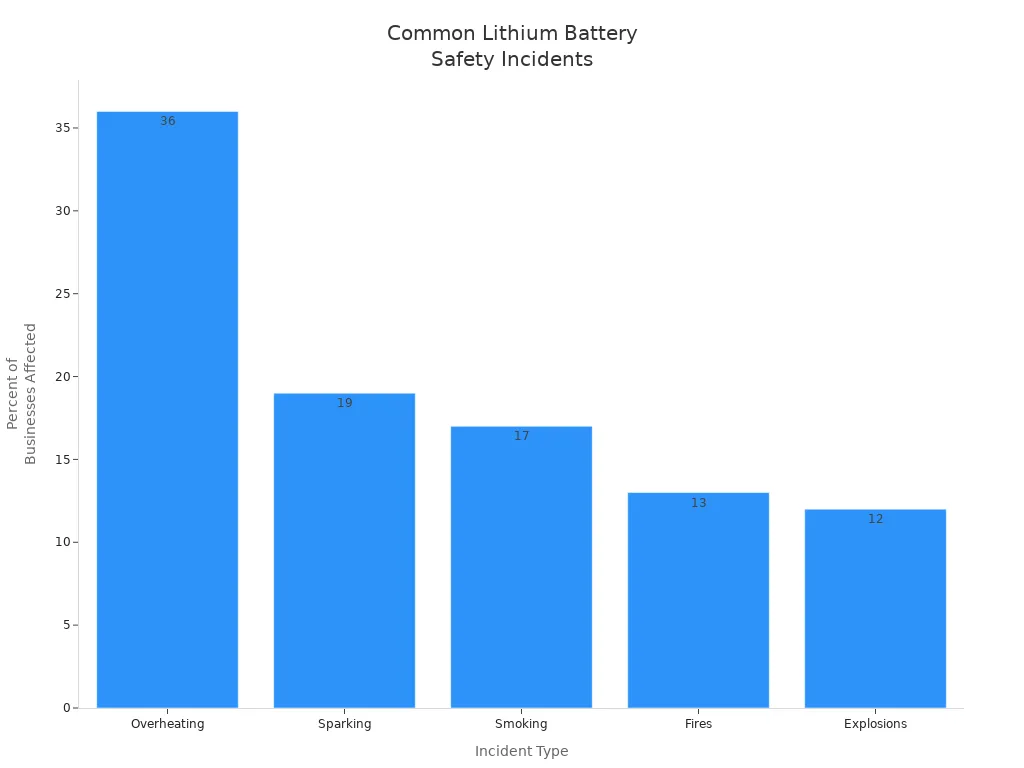
It is important to be careful with lithium ion batteries. These batteries hold lots of energy in a small space. This makes them strong, but it can also be risky. The most common problems are overheating, sparking, smoking, fires, and explosions. Overheating happens the most and affects 36% of businesses. Here is a table that shows how often these problems happen:
Incident Type | Percentage of Businesses Affected |
|---|---|
Overheating | 36% |
Sparking | 19% |
Smoking | 17% |
Fires | 13% |
Explosions | 12% |
Lithium ion batteries can get hotter and hotter. This is called thermal runaway. It can cause fires or explosions. You need to follow safety rules to lower these risks. Some important rules are EN 62620, EN IEC 60086-4, EN IEC 62281, EN 62133, and EN 61960. Lab tests check if lithium ion batteries meet these rules. Always pick batteries that pass these tests.
Tip: Use the right charger and do not damage the battery. This helps stop thermal runaway and other safety problems.
NiMH Batteries Safety
NiMH batteries have fewer safety problems than lithium ion batteries. You can use nimh batteries in many home devices safely. These batteries do not catch fire or explode easily. Charging nimh batteries too much does not make them hot fast. They do not have bad metals like lead or mercury. This makes nimh batteries safer for toys, remotes, and cameras.
You still need to be careful with nimh batteries. Do not mix old and new batteries together. Do not try to charge nimh batteries that cannot be recharged. Always keep nimh batteries in a cool, dry place. This keeps them safe and working well.
Enclosure and Venting
The battery case design is very important for safety. Both lithium ion and nimh batteries need strong cases. Use hard ABS or aluminum cases for round battery packs. For pouch cell packs, use soft cases with foam padding. This helps lower pressure points. Dual-stage vents help balance pressure and let air flow. This stops pressure from building up when temperatures change.
Add dual-stage battery vents to lower pressure buildup.
Use protection to keep out water, dust, and sand.
Pick IP67 waterproof cases for batteries used outside.
Use materials that resist shaking for batteries in cars or robots.
A strong battery case protects from shocks, water, and shaking. This helps stop thermal runaway and other safety problems. Always check your battery pack for good vents and protection.
Design Aspects
Size and Weight
Size and weight are important when picking batteries. Lithium batteries hold more energy in a small, light shape. This makes them great for things you carry, like phones and laptops. NiMH batteries are bigger and heavier for the same energy. If you need a battery that is small or light, lithium is best.
Battery Type | Size and Weight Characteristics | |
|---|---|---|
Lithium-ion | 100-265 | Smaller and lighter package |
NiMH | 60-120 | Heavier and bulkier |
You find lithium batteries in many small electronics because they are lighter and smaller.
Energy and Power Density
Energy density means how much energy a battery stores for its weight. Power density is how fast a battery gives energy. Lithium batteries have more energy and power density than NiMH. This means you get more power and longer use from a smaller battery. High-tech devices and electric cars need this kind of battery. NiMH batteries are good for things that do not need lots of power.
Charging and Cycle Life
How fast a battery charges and how long it lasts are important. Lithium batteries charge much faster than NiMH batteries. You can charge a lithium battery in 1 to 3 hours. NiMH batteries can take 10 to 12 hours to charge. Cycle life is how many times you can recharge a battery before it stops working well. Lithium batteries last for 1,000 to 2,000 cycles or more. NiMH batteries last about 500 cycles.
Battery Type | Charging Time | Cycle Life |
|---|---|---|
NiMH | 10-12 hours | ~500 cycles |
Lithium-ion | 1-3 hours | 1000-2000+ cycles |
Lithium batteries give you more value and last longer, especially in strong electronics.
Self-Discharge and Memory Effect
Self-discharge is when a battery loses power while not being used. Lithium batteries lose about 5% power on the first day, then only 1-2% each month. NiMH batteries lose power faster and need to be recharged after a few weeks.
Battery Type | Self-Discharge Rate |
|---|---|
Lithium-ion | About 5% in the first 24 hours, then 1-2% per month, plus 3% from protection circuit |
NiMH | High self-discharge; needs recharging after a few weeks on the shelf |
Memory effect is another problem for some batteries. NiMH batteries can lose power if you charge them before they are empty. Lithium batteries do not have this problem. You can charge them anytime without losing power.
Tip: Pick lithium batteries for your high-tech devices. They last longer, charge faster, and are easier to use.
Battery Management Systems
BMS for Lithium-Ion Battery
Lithium ion batteries need a strong battery management system. These batteries hold lots of energy in a small space. The BMS checks each cell in the battery pack. It watches how much charge and health each cell has. The BMS helps you use and charge the battery safely. It also stops damage and helps the battery last longer. Here are some main jobs of the BMS for lithium ion batteries:
Watches battery temperature, voltage, and current all the time
Checks battery health and how much charge is left
Warns you early if there is a problem
Controls charging and using the battery
Makes sure all cells work the same way
Keeps the battery cool by managing heat
Stops too much current or voltage from hurting the battery
The BMS keeps lithium ion batteries safe and working well in electric cars, phones, and energy storage.
BMS for NiMH Batteries
Nimh batteries do not need a fancy BMS like lithium ion batteries. These batteries have less energy and do not get hot or catch fire easily. Simple protection systems work for nimh batteries. These systems watch for too much charging and heat. In small devices, you only need basic checks. Here is a table to compare what each battery needs:
Battery Type | BMS Requirements | Complexity | Safety Architecture |
|---|---|---|---|
Lithium-Ion | Needs strong BMS for voltage, current, heat, and balancing | High | Needs strong safety for high energy |
NiMH | Simple protection and monitoring is enough | Low | Simple safety works for small batteries |
You still need to keep nimh batteries safe, but the systems are easier and cost less.
Impact on Performance
A good BMS makes batteries safer and helps them last longer. The BMS stops overcharging and over-discharging. It balances the cells, so you get 10-20% more battery power. The BMS also protects against heat and other dangers. For lithium ion batteries, the BMS is very important. It keeps the battery safe, works well, and lasts long, especially in electric cars. For nimh batteries, a simple BMS helps the battery last longer and handle changes in temperature and voltage.
Tip: Always pick batteries with the right BMS for your needs. This keeps your devices safe and helps your battery last longer.
Application Match
Lithium Ion Batteries Use Cases
Lithium ion batteries are used in many strong devices. They power electric cars, bikes, and scooters. These batteries let cars go farther and charge faster. You also find them in things like smartphones, laptops, and smartwatches. These devices are easy to carry and work well because of lithium ion batteries. They help store energy from wind and solar power. This makes the energy supply steady and safe.
Sector | Use Case Description | Market Growth Projection |
|---|---|---|
Consumer Electronics | Lithium ion batteries make phones, laptops, and smartwatches work better. They are easy to carry and use. | N/A |
Electric Vehicles | These batteries are important for electric cars. They help cars go far and charge fast. This makes electric cars easier to use. | |
Grid Storage | They are needed for storing extra energy. This helps keep renewable energy steady. | US$405 billion by 2035 |
You see lithium ion batteries in hybrid and electric cars. They give lots of energy and work well. These batteries are best for cars, electronics, and storing energy.
NiMH Batteries Use Cases
NiMH batteries are good for cheaper devices. You use nimh batteries in things that do not need lots of power. These batteries are found in remotes, cameras, toys, and some hybrid cars. NiMH batteries work better than lithium ion batteries in cold places. You see nimh batteries in hybrid cars because they are safe and last long. These batteries are best when saving money is more important than power.
Good for cheaper devices
Work well in cold places
Used in hybrid cars
Used in home electronics
Used in toys and cameras
You pick nimh batteries for things that do not need lots of power or fast charging.
Choosing the Right Battery
You must pick the right battery for your device. Lithium ion batteries give more energy, last longer, and work better. They are best for electric cars, hybrid cars, and strong electronics. NiMH batteries lose power faster and hold less energy. You choose nimh batteries for things that need to work in the cold or cost less.
Think about these things when you pick a battery:
Energy: Lithium ion batteries are good for small electronics and cars.
How long it lasts: Lithium ion batteries last longer, which helps medical tools and hybrid cars.
Losing charge: NiMH batteries lose power faster, which matters for things used over time.
Temperature: NiMH batteries work better in cold places.
Safety: Lithium ion batteries, like LiFePO4, are safer for medical and strong devices.
What you need: Power tools need lots of energy. Medical tools need to be safe and last long.
Tip: Always check what your device needs before picking a battery. You get the best results when you choose the right battery for your device.
You can easily spot differences between lithium ion batteries and nimh batteries. They are different in cost, safety, and design. The table below helps you compare them:
Feature | NiMH | Lithium |
|---|---|---|
Cost (Production) | Less than half of lithium | Higher |
Cell Voltage (V) | 1.2 | 3.6 |
Specific Energy (Wh/kg) | 1 – 80 | 3 – 100 |
Efficiency (%) | 81 | 99 |
Lithium ion batteries have more energy and last longer. They are good for small devices and using for a long time. Nimh batteries cost less and work well in cold places or for steady power. Think about what you need before picking a battery. If you want high energy and light weight, choose lithium ion batteries. If you want something reliable and cheap, nimh batteries are a good choice. Keep batteries in a cool, dry spot and do not charge them too much. Clean the battery contacts to help your devices work well.
FAQ
What is the main difference between lithium and NiMH batteries?
Lithium batteries hold more energy and are lighter. NiMH batteries cost less and are good for easy devices. Each battery works best for different things.
Can you use lithium and NiMH batteries in the same device?
Do not use both battery types in one device. They have different voltages and ways to charge. Mixing them can break your device or the batteries.
How do you store batteries safely?
Keep batteries in a cool, dry spot. Do not put them in sunlight or near heat. Put each battery in its own case to stop short circuits. Always look for damage before using a battery.
Which battery lasts longer?
Lithium batteries work longer than NiMH batteries. You can recharge lithium batteries many more times. This makes lithium batteries better for things you use a lot.
Are batteries safe for children’s toys?
NiMH batteries are safer for toys for kids. They do not catch fire easily. Always follow the battery instructions. Check the toy and battery for damage before giving it to a child.